Segment #716
Yes, many creators, journalists, and users continue to accuse YouTube's algorithms of effectively imposing censorship through mechanisms like reduced visibility, demonetization, and content suppression, even as of late 2025. These claims often center on controversial or politically sensitive topics, where videos are downranked in recommendations, limited in search results, or flagged as "not advertiser-friendly," leading to financial penalties without outright removal.Key Mechanisms and Criticisms
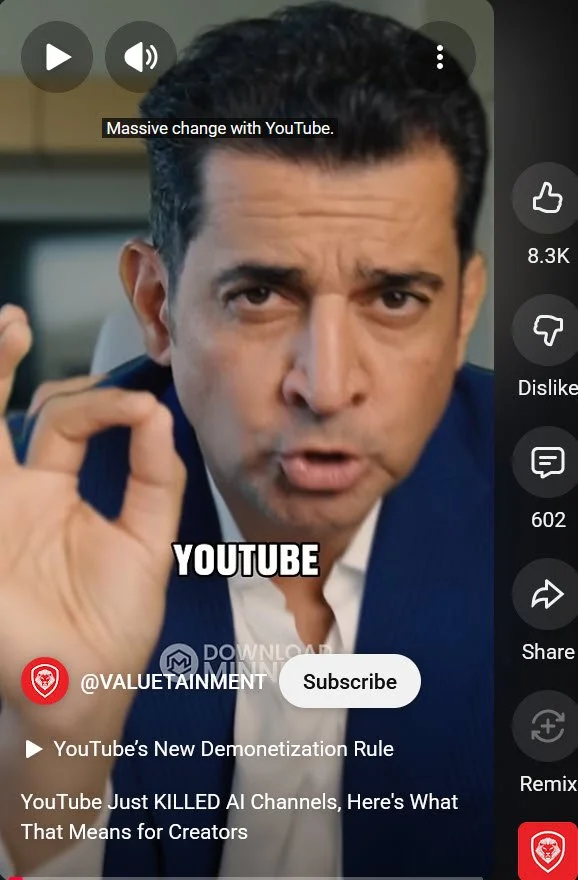
Demonetization and Limited Ads: YouTube enforces "advertiser-friendly content guidelines" separately from its Community Guidelines. Videos discussing sensitive issues (e.g., politics, health controversies, or current events) can be demonetized or receive limited ads, even if they don't violate rules outright. In 2025, updates targeted low-effort AI-generated content, reused clips, and mass-produced videos for demonetization, but critics argue this broadens to suppress original controversial voices. Creators report self-censorship to avoid revenue loss.
Algorithmic Downranking and Shadowbanning: Independent media and critics (e.g., in Turkey in early 2025) saw sharp drops in reach after Google/YouTube algorithm changes, described as "veiled censorship." Similar complaints arise globally, including for Palestinian content (over-moderation via lowered AI thresholds) and political dissent. Comments are often shadowbanned or auto-deleted without notification, frustrating users.
AI and Automated Moderation Issues: YouTube relies heavily on machine learning for flagging, leading to false positives. In 2025, AI improvements aimed at spam and low-quality content, but reports highlight opaque processes eroding trust, with overzealous flagging of legitimate discourse.
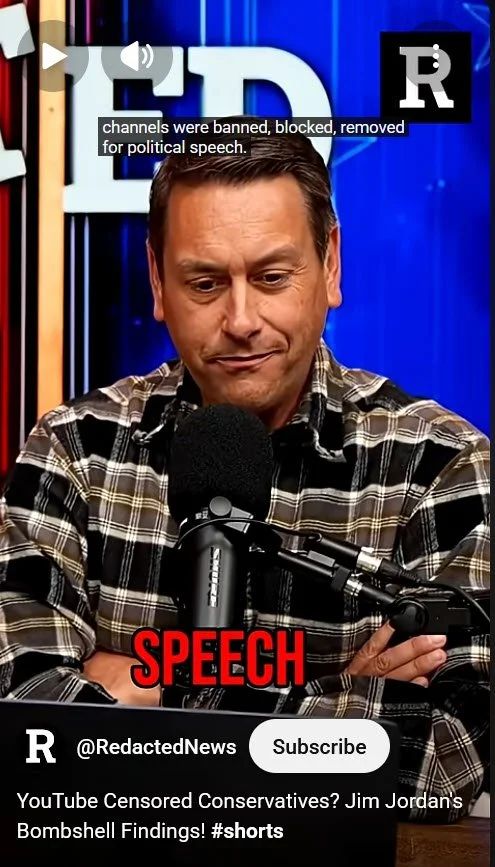
YouTube's DefenseYouTube maintains these are not censorship but responsibility measures:
To protect users from harm (e.g., misinformation, hate speech).
Comply with laws.
Ensure advertiser safety.
They emphasize policies apply equally, with human review for most flags, and exceptions for educational/documentary content. In 2025, they loosened some rules (e.g., allowing swearing in openings for monetization) and allowed reinstatements for old bans related to COVID/election content amid political pressure. Executives deny systemic bias or government coercion in most cases, framing actions as internal decisions.Balanced PerspectiveWhile YouTube is a private platform (not bound by First Amendment rules, as courts have ruled in cases like PragerU's lawsuit), the scale of its influence leads to ongoing debates. Pro-censorship views see it as necessary moderation against harm; critics view algorithmic throttling as de facto suppression of dissent. Evidence from transparency reports shows low violative view rates (10-11 per 10,000 views), but anecdotal and regional cases (e.g., Iran, Australia child restrictions) fuel perceptions of overreach.If you're experiencing this on specific content, checking YouTube's studio analytics or appealing flags might help, though success varies. The platform evolves, but accusations persist across the political spectrum.
How Can You Be a More Sophisticated Consumer
To become more analytical in evaluating whether online content (especially on platforms like YouTube or social media) has been censored, suppressed, or manipulated, adopt a systematic, evidence-based approach. Platforms use algorithmic throttling, demonetization, age restrictions, or removal for policy reasons, while manipulation often involves AI deepfakes or edited media. Here's a practical guide with steps you can take as a consumer:1. Check for Signs of Platform Suppression or CensorshipPlatforms rarely notify users of subtle censorship (e.g., "shadowbanning" or reduced visibility), but you can test indirectly:
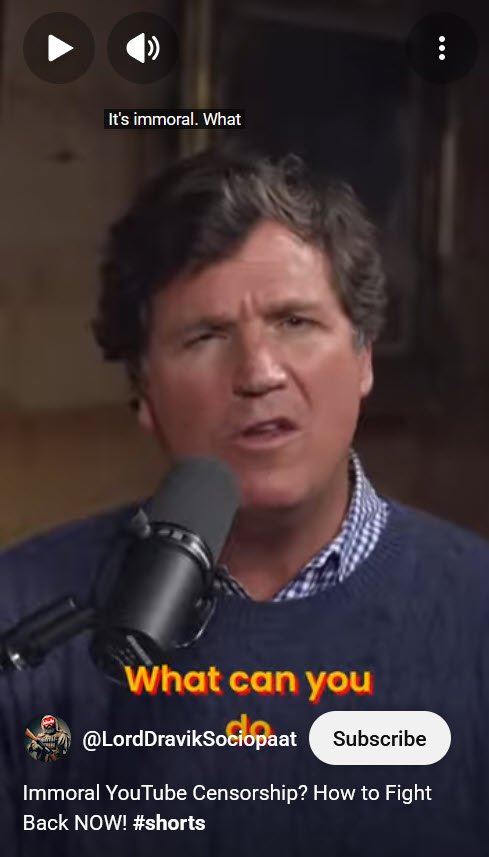
Search Incognito or from Different Accounts/Devices — Log out, use incognito mode, or borrow a friend's device/account. Search for the video/channel using exact titles or keywords. If it doesn't appear in results/recommendations but shows up when logged in as a subscriber, visibility may be limited.
Monitor Visibility Patterns — Note if a video suddenly drops in recommended feeds, search rankings, or subscriber notifications despite strong past performance. Check if similar controversial topics from other channels rank higher.
Look for Official Indicators on the Platform:
On YouTube: Play the video and watch for yellow icons (limited ads/demonetization), age restrictions, or warnings. Creators often mention in descriptions/comments if flagged.
Region Restrictions: Use free online tools (search "YouTube region restriction checker") by pasting the video URL to see if it's blocked in certain countries.
Cross-Platform Comparison — Search for the same content/topic on alternative platforms (e.g., Rumble, Odysee, X, or Vimeo). If it's widely available elsewhere but missing/suppressed on one site, censorship is possible.
2. Detect Manipulation (e.g., Deepfakes or Edited Content)AI-generated or altered media is increasingly sophisticated, but consumer-level checks can spot flaws:
Visual Clues in Videos/Images:
Unnatural facial features: Overly smooth skin, inconsistent lighting/shadows, flickering edges, misaligned eyes/teeth, or unnatural blinking.
Lip sync issues: Audio doesn't perfectly match mouth movements.
Background anomalies: Blurring, distortions, or mismatched physics (e.g., no glare on glasses).
Audio Clues:
Robotic timbre, lack of natural breaths/pauses, or inconsistent intonation.
Sudden shifts in voice quality or background noise.
Contextual Red Flags:
Does the content feature sensational claims from public figures that lack corroboration elsewhere?
Check metadata (right-click video > "Stats for nerds" on YouTube) or reverse-image search frames via Google Lens/Tineye.
Use Free Detection Tools:
For deepfakes: Sites like Deepware.ai or Hive Moderation allow uploading/linking media for analysis.
General fact-checking: Tools like InVID Verification (browser extension) for video forensics.
3. Broaden Your Analytical Habits
Diversify Sources → Consume news/content from multiple platforms, ideologies, and regions. If a story/video is only on one side or heavily promoted/suppressed, probe deeper.
Verify with Independent Fact-Checkers → Use sites like Snopes, FactCheck.org, or Reuters—cross-reference claims. Search for the topic + "debunked" or "censored" to see discussions.
Track Patterns Over Time → Follow creators discussing their analytics (many share drops in reach tied to topics). Communities on Reddit (e.g., r/YouTube) or X often highlight suppression cases.
Be Aware of Your Own Biases → Confirmation bias can make suppressed content seem "censored" when it's just low-engagement. Ask: Is there evidence beyond anecdotes?
By combining these methods—direct testing, cross-verification, and tool-assisted checks—you'll develop sharper critical thinking. No single step is foolproof (algorithms and AI evolve quickly), but layering them reduces the risk of being misled. Start small: Apply this to a suspicious video today!