Segment #718
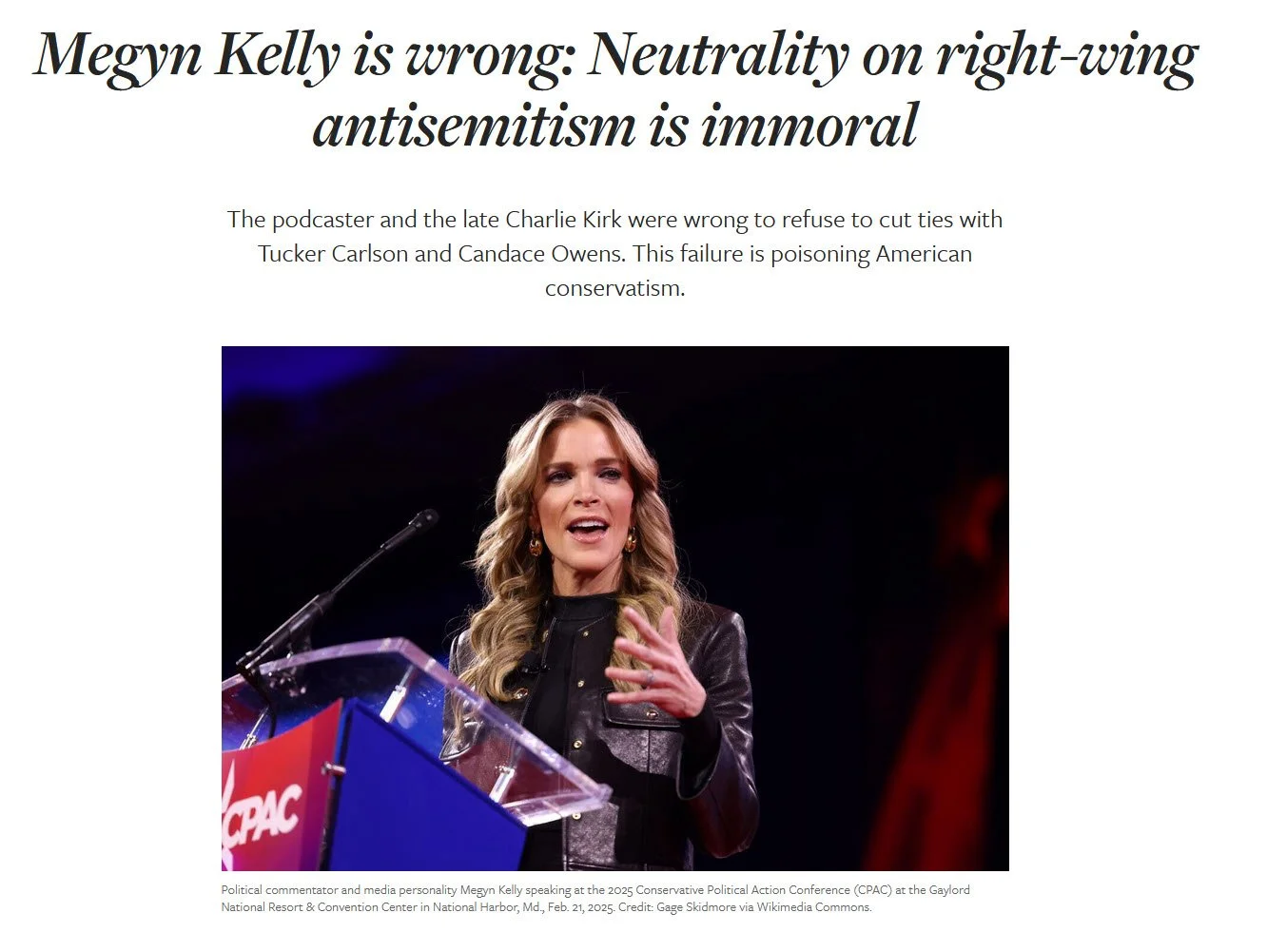
Megyn Kelly attempted to be Switzerland in the clash between conservative pro Israel pundits Levine and Shapiro and Free speech America First proponents Candace Owens, Tucker Carlson, Charlie Kirk, and Matt Walsh. It has failed and become apparent that those behind Shapiro, Ackman, and Levine will label anyone not following the script as antisemitic. Conservatives that are or have been part of the MAGA/America First movement are now telling us what to say and think, and most importantly to never question anything they say. In my judgment this is terrible for Israel and will ultimately cost this country support.
Israel is corrupting our political systems is ways that we will probably never know.
A significant majority of current members of Congress (the 119th Congress, seated as of early 2025) have received campaign contributions from pro-Israel groups, particularly through the American Israel Public Affairs Committee (AIPAC) and its affiliated PACs.In the 2024 election cycle, AIPAC's PAC directly supported 361 pro-Israel candidates (Democrats and Republicans) with over $53 million in contributions. High success rates — 96-98% of AIPAC-backed candidates won their general elections — mean most of these recipients now serve in Congress.Broader analyses of pro-Israel lobbying (including AIPAC, JStreet, Democratic Majority for Israel, and others) from earlier cycles showed only about 33 members received no such donations, implying over 500 out of 535 did. Recent reporting on AIPAC's expanded role in 2024 suggests an even higher proportion in the current Congress, with estimates around 65% or more receiving funds from AIPAC or affiliates.Pro-Israel groups are bipartisan but have become one of the largest sources of contributions in recent cycles, often routed through bundled or earmarked donations. Exact counts vary by source and definition (e.g., direct PAC vs. broader industry), but the influence is widespread across both parties and chambers. For detailed recipient lists, sites like OpenSecrets.org or TrackAIPAC.com provide breakdowns.
Charlie Kirk (who was assassinated in September 2025), Megyn Kelly, and Tucker Carlson have all publicly criticized what they describe as efforts by pro-Israel donors, activists, and figures (such as Ben Shapiro and Bari Weiss) to pressure, ostracize, or silence conservatives who question unconditional U.S. support for Israel or criticize its policies.Key Examples from Their Statements and Actions
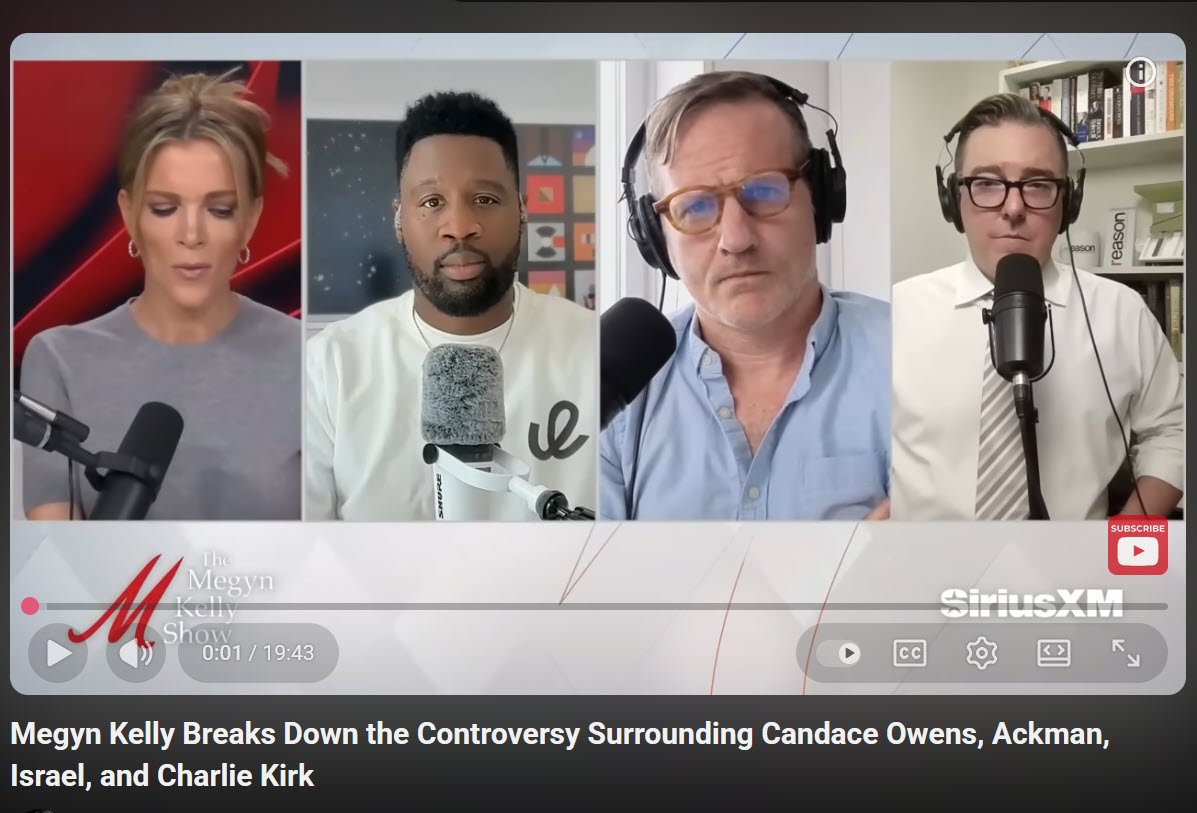
Megyn Kelly breaks down the controversy surrounding Israeli Prime Minister Netanyahu’s comments on Charlie Kirk’s legacy, Candace Owens’ remarks about the letter and Kirk's views on Israel, Megyn and Charlie's conversation about Israel last month, and more.
Charlie Kirk: Before his death, Kirk expressed frustration with donor pressure over platforming critics like Tucker Carlson. He reportedly lost significant funding (e.g., a $2 million pledge) for refusing to disinvite Carlson from events and complained about having "less ability to criticize the Israeli government than actual Israelis do." He maintained strong pro-Israel credentials but pushed back against what he saw as attempts to enforce an "Israel first" litmus test in conservatism.
Megyn Kelly: Kelly has repeatedly accused staunchly pro-Israel conservatives (naming Shapiro and Weiss) of "fueling the rise of antisemitism" by trying to "censor criticism of Israel." She argued this creates purity tests that divide the movement and push young conservatives away, while defending figures like Carlson and Candace Owens from deplatforming demands.
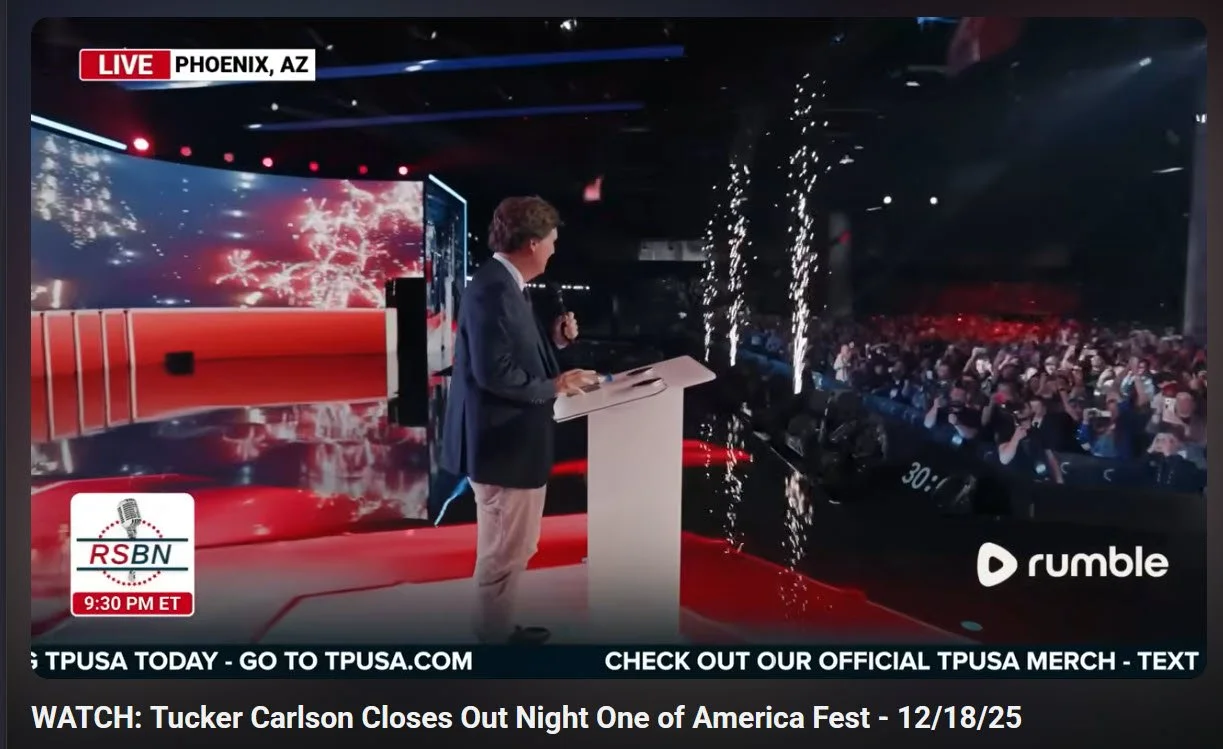
Tucker Carlson: Carlson has mocked calls for "denouncing and deplatforming" dissenters as divisive and contrary to free speech principles (e.g., Charlie Kirk's legacy). He has highlighted donor threats to organizations like Turning Point USA over his appearances and framed accusations of antisemitism as tools to shut down debate on U.S.-Israel policy.
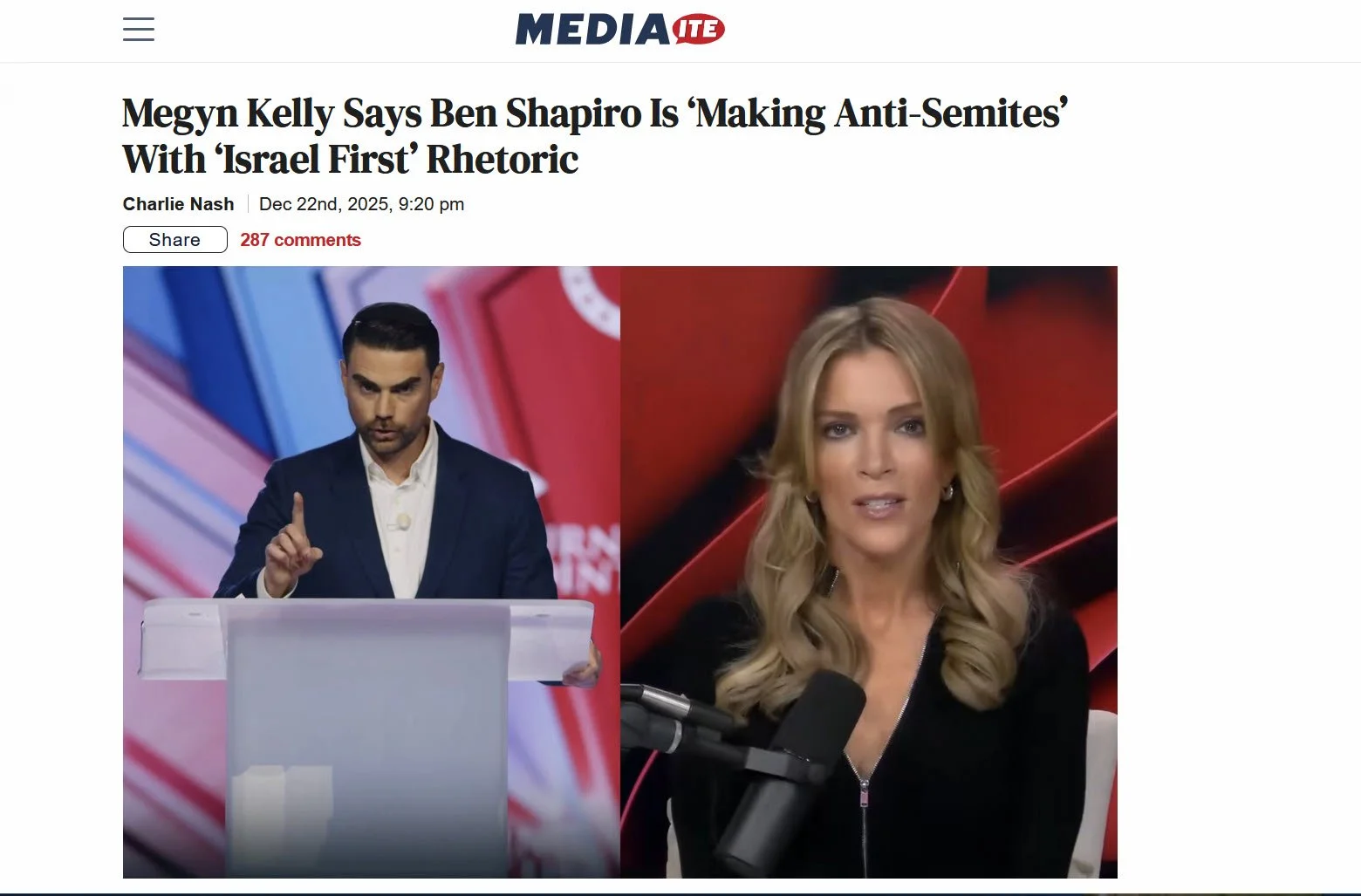
onservative commentator Megyn Kelly blamed Daily Wire co-founder Ben Shapiro and CBS News editor-in-chief Bari Weiss for rising anti-Semitism on Monday, accusing them of “making anti-Semites” with their attempts to censor discussion about Israel.
During an interview with Vanity Fair Washington correspondent and former Mediaite editor-in-chief Aidan McLaughlin, Kelly acknowledged that “the country is turning” and that “young Republicans are turning on Israel.”
“She argued that figures like Shapiro and Weiss are actually fueling the rise of antisemitism through their attempts to censor criticism of Israel,” reported McLaughlin, who spoke to Kelly after she delivered a speech responding to Shapiro’s attack on her and other prominent conservatives at Turning Point USA’s AmericaFest.
She told McLaughlin, “They are making antisemites… Tucker is not making antisemites. They are.”
These three figures (or Kirk's allies posthumously) positioned themselves against what they viewed as a coordinated campaign by pro-Israel influencers and donors to enforce ideological conformity—through funding withdrawal, public shaming, and demands to exclude critics from conservative platforms like Turning Point USA events.Broader Context on Censorship ClaimsClaims of "pro-Israel censorship" often refer to:
Lobbying by groups like the ADL or AIPAC to moderate social media content (e.g., flagging criticism of Israel as hate speech).
Documented patterns where platforms like Meta (Facebook/Instagram) disproportionately suppress pro-Palestinian content, per reports from Human Rights Watch and others.
Donor pressure on conservative organizations to avoid Israel skeptics.
Critics of these claims argue:
Such efforts target genuine antisemitism or incitement, not legitimate criticism.
Accusations of censorship can themselves veer into antisemitic tropes (e.g., dual loyalty or undue influence).
Platforms also remove pro-Israel content in some cases, and moderation is imperfect overall.
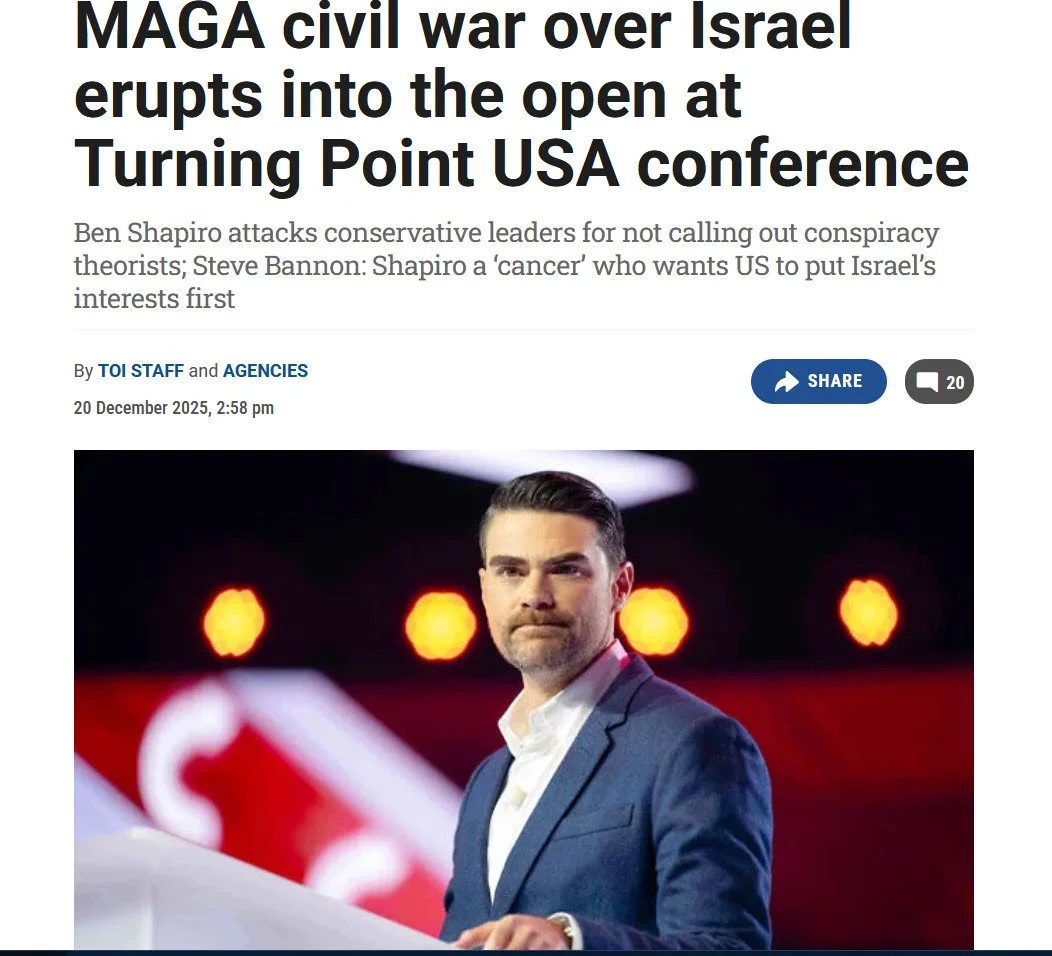
While Kirk, Kelly, and Carlson highlighted private pressures (e.g., funding threats) as a form of indirect censorship within conservative circles, systemic social media bias is more commonly documented against pro-Palestinian voices. Their arguments focus on defending space for debate on U.S. foreign policy without accusations of bigotry or exclusion. Whether this "proves" widespread pro-Israel censorship depends on perspective—it's substantiated in specific conservative infighting cases but contested as overbroad in wider digital moderation debates.