Segment #901
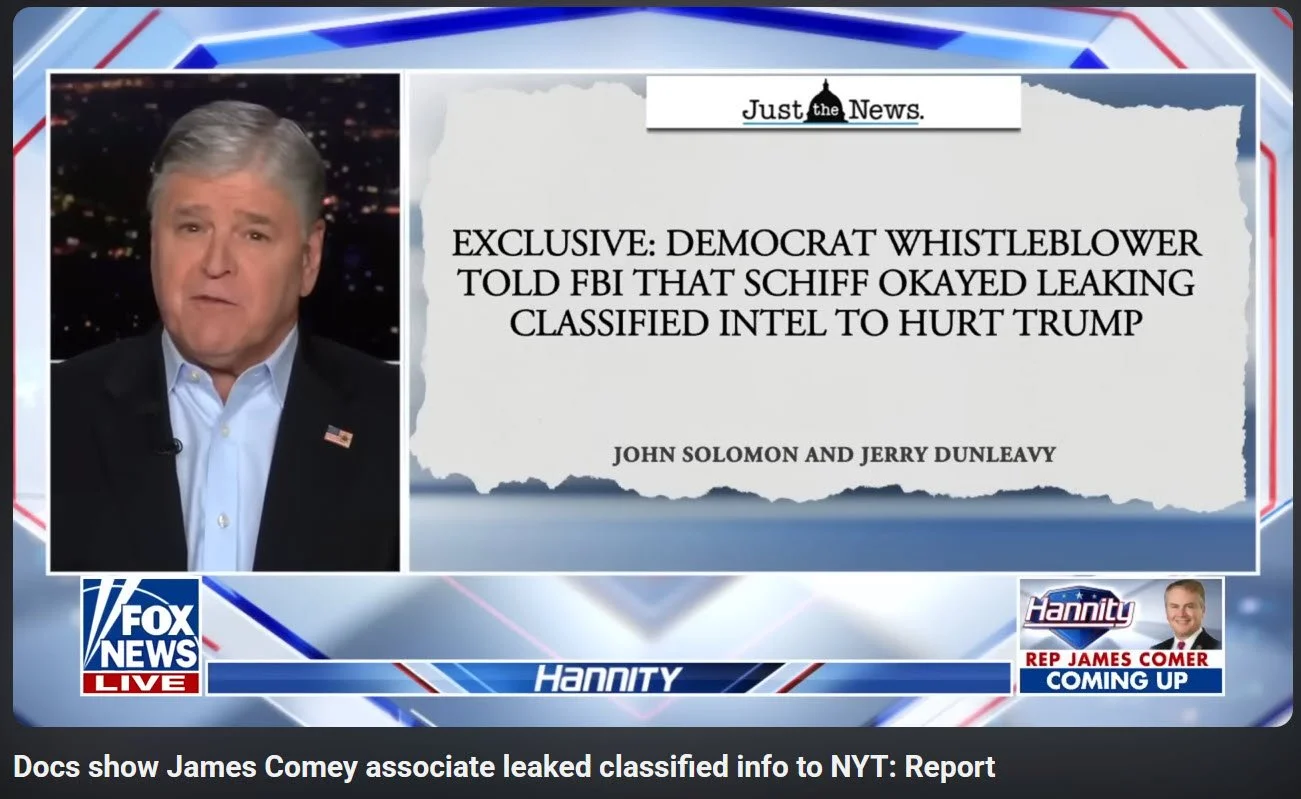
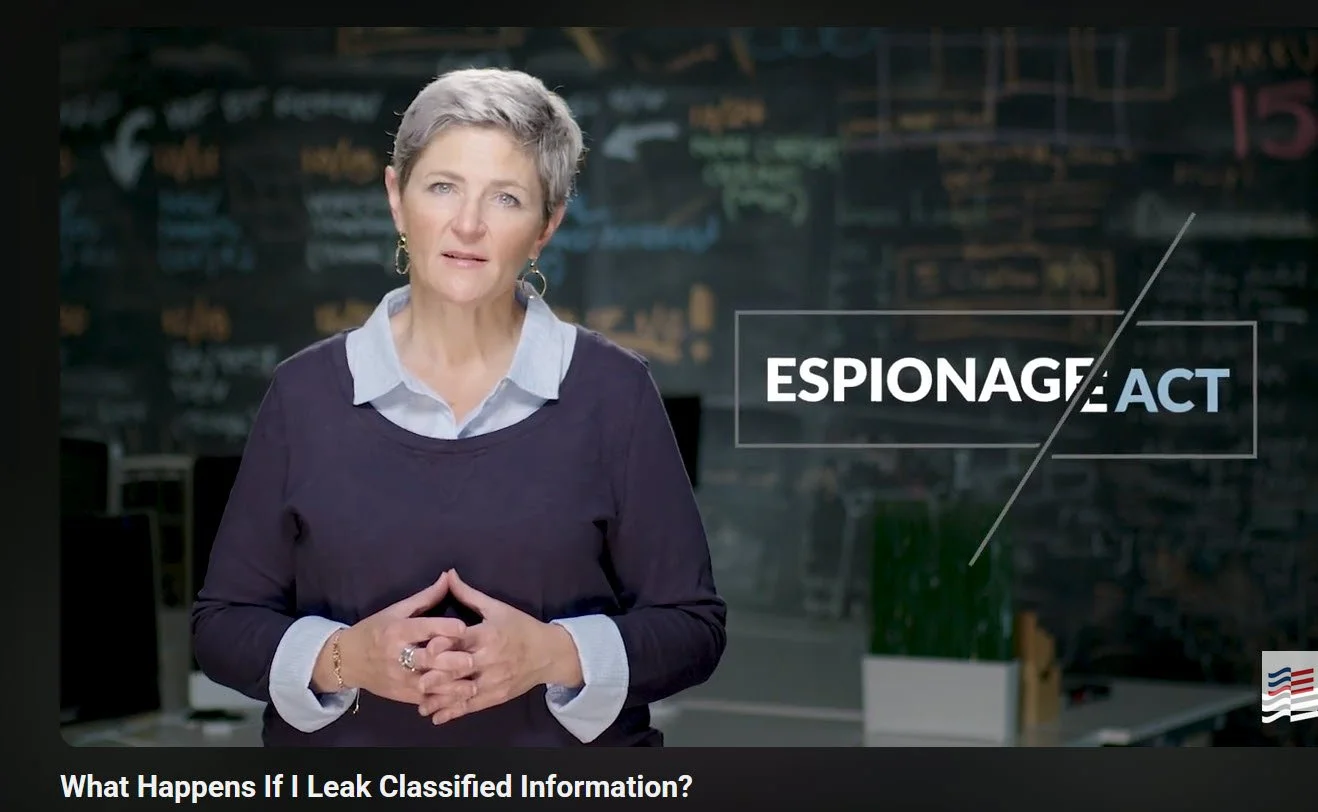
The Espionage Act is explicit about the penalties for leaking classified information. Despite the romanticized narrative of leakers as patriots fighting institutional power, it is entirely illogical for a single, unelected individual to unilaterally override the law. Doing so is not heroism; it is simply a rationalization for a crime committed by someone who legally swore to protect that data.
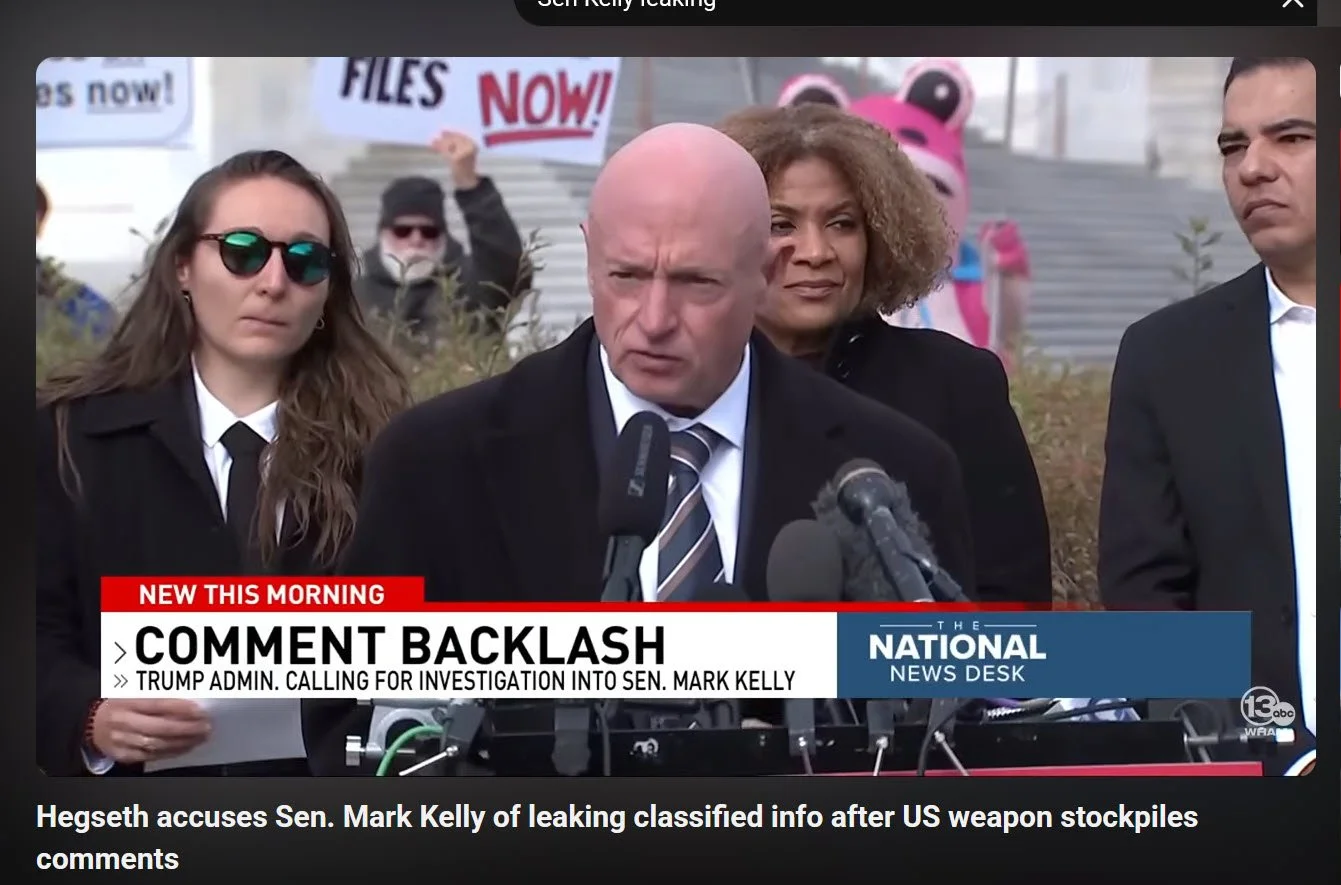
If you object to the system, your legitimate options are clear: move to a country that fits your sensibilities, organize a movement to change the law, or leak the information and willingly face the consequences. Choosing any other path effectively arrogates the constitutional power of the President of the United States to a single, unelected individual. It is time for figures across the political spectrum—whether it is the Comeys, Kellys, and Schiffs, or the Carlsons, Kents, and Greenes—to stop playing God. They need to demonstrate the personal integrity and honor required to face the music.
US Classified Information System Explained
The United States classified information system is primarily governed by executive orders (specifically Executive Order 13526) and federal statutes. It is designed to safeguard "National Security Information" (NSI) based on a simple formula: how much damage would its unauthorized release cause to the nation?
The Three Primary Classification Levels
Top Secret (TS)
The Standard: Applied to information where unauthorized disclosure reasonably could be expected to cause "exceptionally grave damage" to national security.
Examples: Vital national defense plans, complex cryptology or communications intelligence systems, active covert operations, or the identities of high-level sensitive human intelligence sources.
Secret (S)
The Standard: Applied to information where unauthorized disclosure could cause "serious damage" to national security.
Examples: Significant military plans, intelligence operations details, or a major disruption to foreign relations affecting national security. This is the level where the vast majority of classified documents are held.
Confidential (C)
The Standard: The lowest level, applied to information that would cause "damage" to national security if leaked.
Examples: Information regarding general military strength, secondary weapons technicalities, or routine diplomatic communications.
Beyond the Standard Levels: Caveats and Compartments
Having a high security clearance level does not grant blanket access to everything at or below that level. Access is strictly bound by a "need-to-know" basis. To enforce this, the government uses additional control systems:
SCI (Sensitive Compartmented Information): This is a subset of Top Secret or Secret information concerning intelligence sources, methods, or analytical processes. SCI is handled within formal access control systems (often referred to as "compartments" or "code words," such as Umbra historically) and can only be read inside a SCIF (Sensitive Compartmented Information Facility).
SAP (Special Access Programs): Highly compartmentalized programs (often called "black projects") that severely limit access to a specific, vetted roster of individuals to protect highly sensitive military acquisitions, operations, or intelligence.
Restricted Data (RD / FRD): Governed by the Atomic Energy Act, this refers specifically to nuclear weapons design, manufacture, or utilization.
(Note: "Controlled Unclassified Information" or CUI—formerly "For Official Use Only" / FOUO—is not a classification level, but rather a marking for unclassified data that still requires safeguarding or dissemination controls, such as law enforcement sensitive data.)

How Information is Classified
There are two primary ways data enters the system:
Original Classification: Performed by an Original Classification Authority (OCA)—officials explicitly designated by the President (such as agency heads) who have the power to make the initial determination that a piece of information requires protection.
Derivative Classification: Performed by everyday analysts, contractors, or officers who take already-classified source material or use an approved classification guide to mark a new document accordingly.
Documents are often portion-marked, meaning individual paragraphs will carry a designation like (TS), (S), (C), or (U) for Unclassified. The overall document takes the marking of its highest-classified portion.

Violations and Penalties
Mishandling classified info is treated with varying degrees of severity based on intent, the level of damage caused, and whether the perpetrator intended to hand the information over to a foreign power.
Administrative Penalties
If an employee or contractor accidentally mishandles classified information (e.g., leaves a document on a desk or improperly logs out of a secure terminal), it is usually handled administratively. Penalties can include: Official reprimands, Suspension or permanent revocation of security clearances (which effectively ends a national security career), Termination of employment.

Criminal Penalties (Federal Statutes)
When mishandling crosses into willful negligence, unauthorized retention, or espionage, federal law steps in with severe prison sentences and fines:
Unauthorized Removal and Retention (18 U.S.C. § 1924): Applies to government officers, employees, or contractors who knowingly remove classified documents without authority and with the intent to retain them at an unauthorized location. It carries a penalty of up to 5 years in prison per count.
The Espionage Act (18 U.S.C. § 793): Covers the gathering, transmitting, or losing of national defense information. Subsection (e) specifically targets individuals who have unauthorized possession of defense information, fail to deliver it back to the proper official, or willfully communicate it to unauthorized persons. Violations carry a penalty of up to 10 years in prison per count.
Disclosure of Classified Communication Intelligence (18 U.S.C. § 798): Specifically targets the leaking of codes, ciphers, cryptographic systems, or communications intelligence intercepts. It carries a penalty of up to 10 years in prison.
Capital Espionage (18 U.S.C. § 794): If an individual gathers or delivers national defense information to a foreign government or agent with the intent or belief that it will injure the United States, the penalties are the most severe: life imprisonment or the death penalty.