What’s Really Happening in Iran
Segment #776
Patrick Bet-David (often stylized as PBD, is an Iranian-born American entrepreneur, author, podcaster, and media personality.Born on October 18, 1978, in Tehran, Iran, to a Christian family (his father is Assyrian and his mother is Armenian from Baku), he fled Iran with his family as refugees during the aftermath of the Iranian Revolution and Iran-Iraq War. They immigrated to the United States around age 10–12 (sources vary slightly between 1988–1989), eventually settling there after time in a refugee camp in Germany.After high school, he served in the U.S. Army with the 101st Airborne Division. He then entered the financial services industry, starting with roles like selling health club memberships and working in traditional companies.In his late 20s, he founded PHP Agency (an insurance marketing and distribution company) before turning 30. He grew it from a small operation to over 40,000 agents, eventually achieving a multi-nine-figure exit (reported in some sources as over $300 million). PBD is from Iran and knows the country, its people, and the oppressive regime.
Iran should be a main focus for the America First debate. They are the world’s leading supporter of terrorism. They have killed thousands of Americans and vow to kill many more. Their agents are n the United States forming sleeper cells waiting to strike. So for Trump and his promises of America First, when is the right time to deal with them. Marjorie Taylor Greene and Tucker Carlson’s isolationism may not be the smart play. if military action is off the table (as Carlson advocates), and Iran isn't negotiating in good faith—meaning they're stalling, making unrealistic demands, or violating agreements—what are the realistic alternatives?
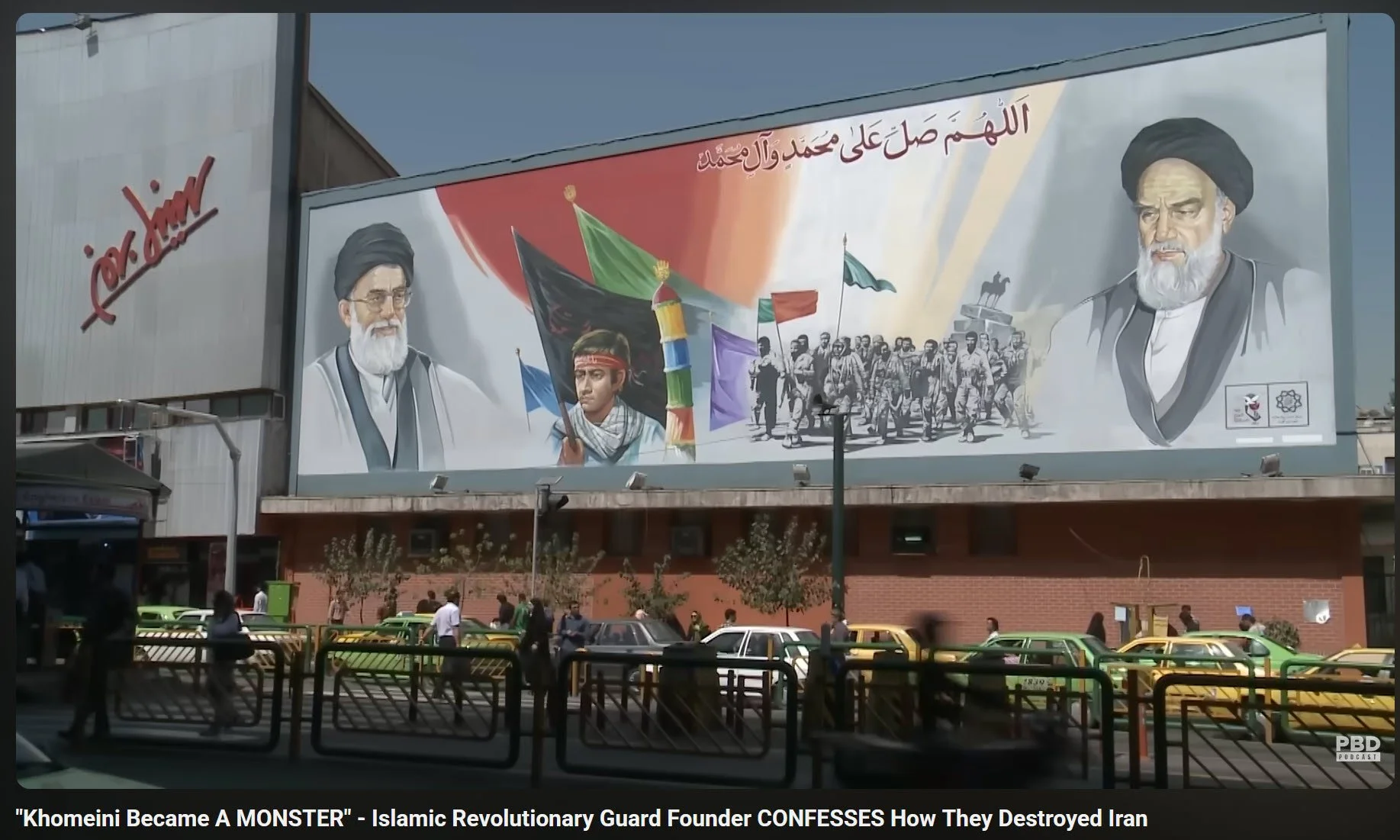
Patrick Bet-David (PBD), the entrepreneur and host of the PBD Podcast (often associated with Valuetainment), has directly referenced what he describes as the IRGC's playbook (Islamic Revolutionary Guard Corps, Iran's powerful military and paramilitary force) in the context of Iran's nuclear negotiations and dealings with the West, particularly under U.S. administrations.In a post and related content shared across his platforms (X/Twitter, Instagram, etc.), PBD outlined the IRGC's alleged strategy as follows:
Stall until domestic protests fade and the regime stabilizes — Wait out internal unrest to regain control.
Stall until Trump is out — Delay meaningful talks or concessions during periods of perceived U.S. political weakness or opposition to hardline policies.
Quietly continue advancing its nuclear program — Use negotiations as cover to progress toward nuclear capabilities without real compromise.
He summarized it by saying: "Delay isn't diplomacy. It's strategy. NEVER trust the IRGC."This appears to be PBD's critique of Iran's approach to diplomacy, especially in nuclear talks, viewing the IRGC (which controls much of Iran's military, proxy forces, and economic power) as fundamentally untrustworthy and using stalling tactics to buy time.PBD has frequently discussed Iran on his podcast, often critically of the regime and the IRGC. For example:
He has hosted guests like former IRGC insiders (e.g., Mohsen Sazegara, who described the IRGC's transformation and the regime's brutality).
He has debated Iran's future post-IRGC, regime change possibilities, and U.S. policy toward Iran (including episodes with figures like Reza Pahlavi or dissidents).
He has expressed strong views on supporting Iranian people against the regime, tying into his own background (born in Iran, fled during/after the revolution).
PBD's commentary frames the IRGC not just as a military entity but as a regime-sustaining force using deception, proxies (like Hezbollah or militias), and time-buying in negotiations. This specific "playbook" list seems tied to recent or ongoing tensions around Iran's nuclear ambitions and responses to pressure from Israel/U.S.Note: This is based on PBD's public statements and content; it's his interpretation/analysis rather than an official or leaked IRGC document. Broader analyses of Iran's strategy (e.g., proxy warfare, asymmetric tactics) exist elsewhere, but this matches your query about "according to PBD." If you're referring to a specific podcast episode or post, feel free to provide more details!
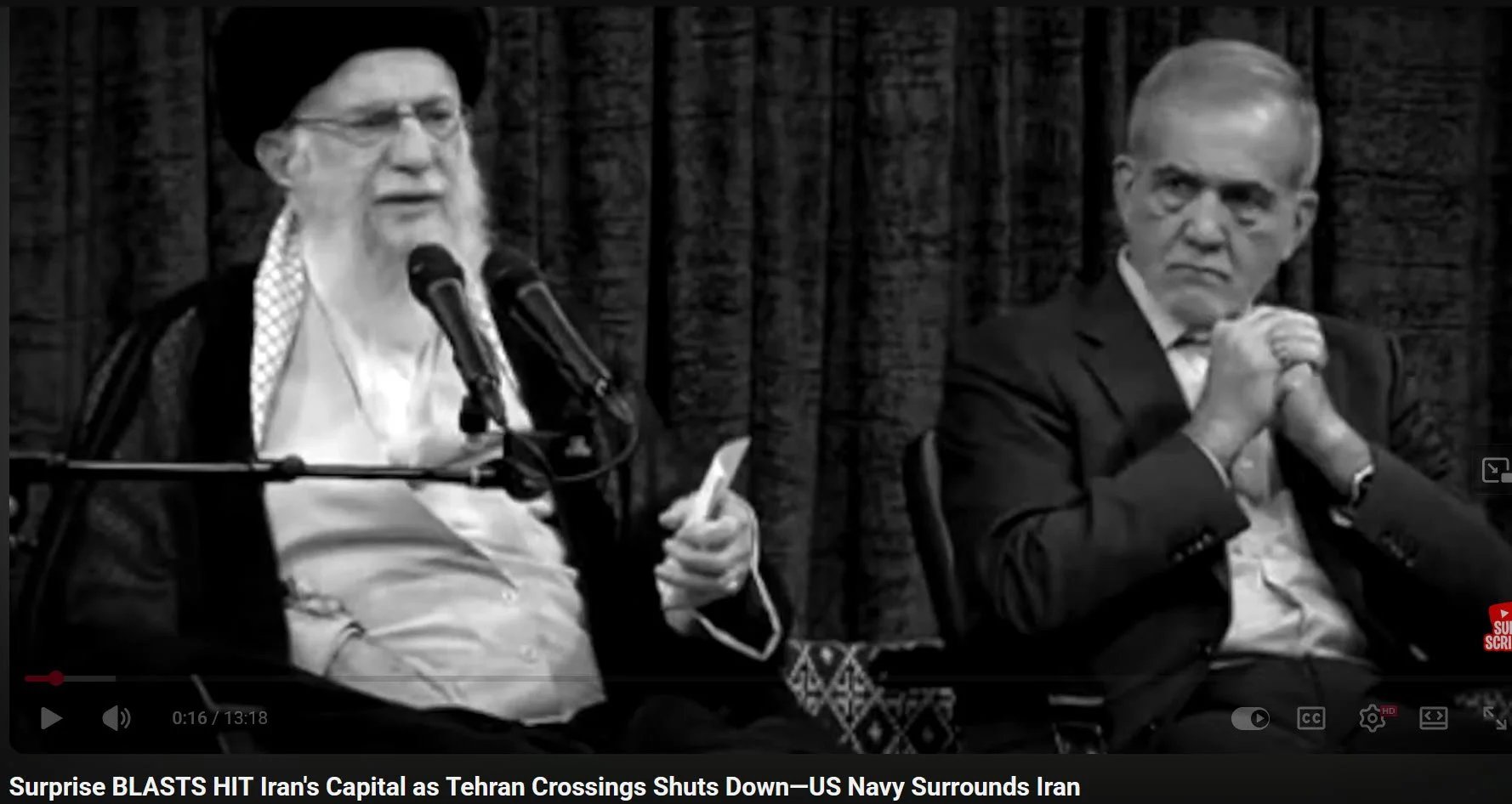
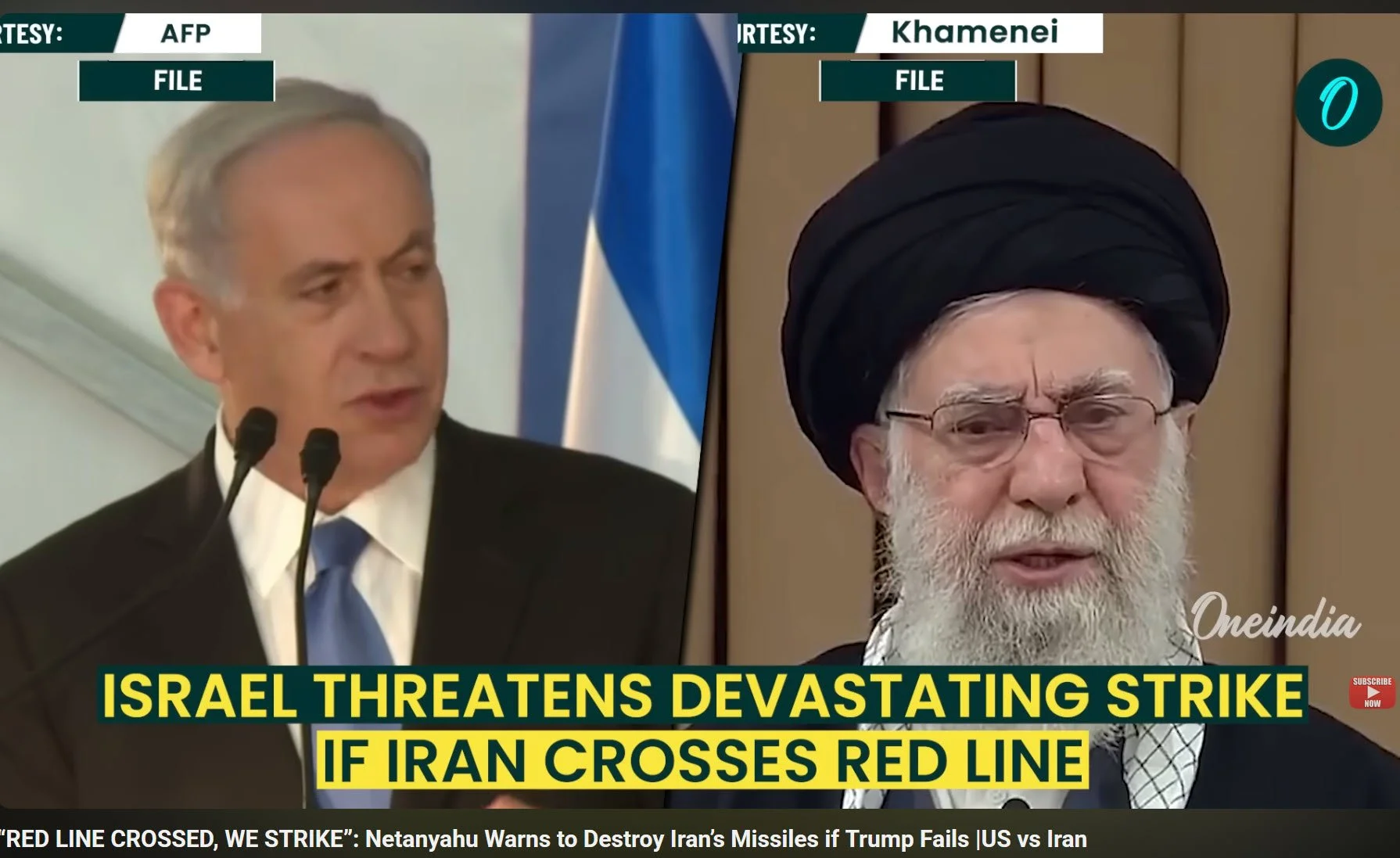
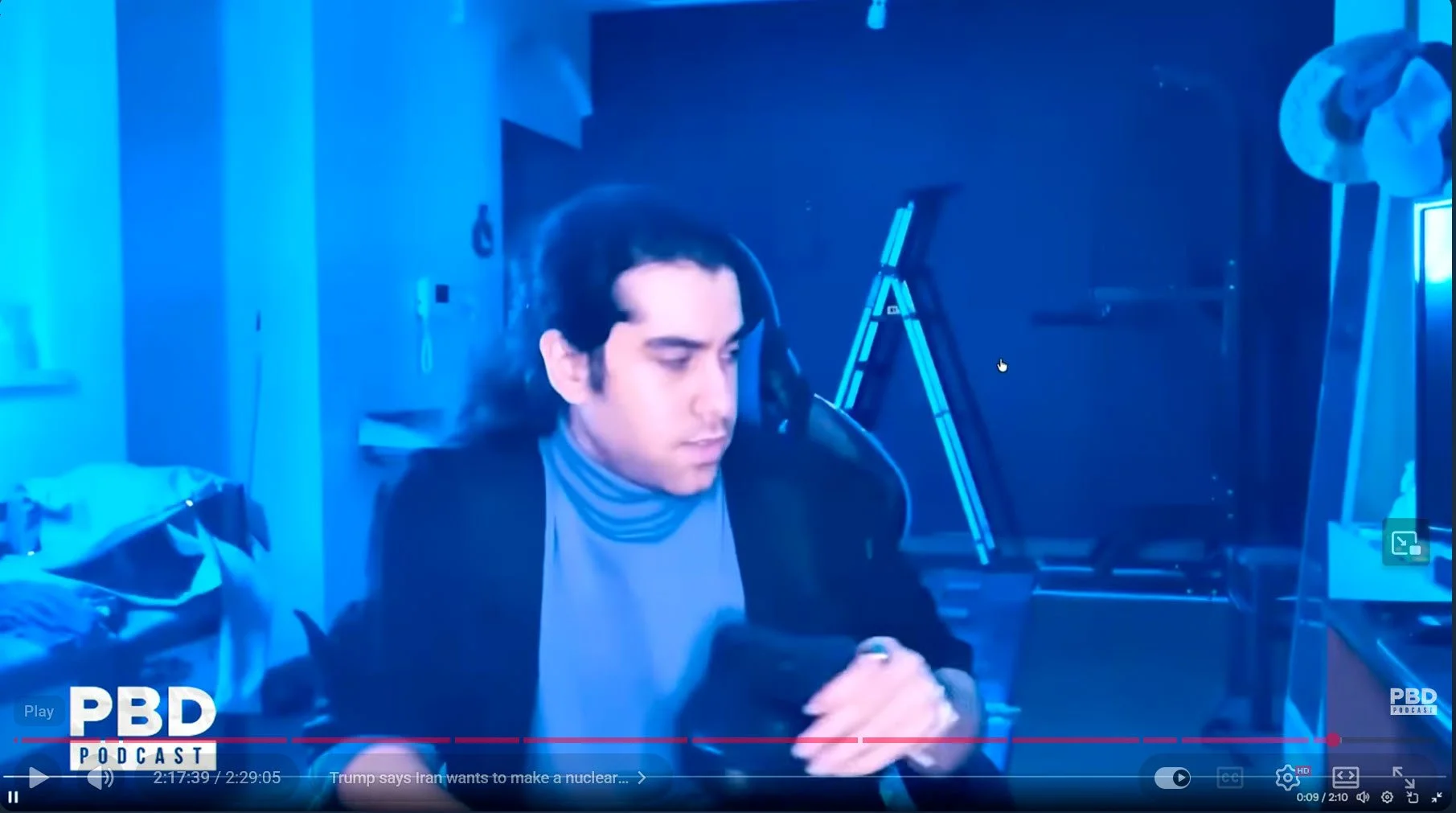
Check this out at 2:17:39 of the PBD podcast. This Iranian dissident taped this message and then committed suicide in protest of Trump making a deal with Iran.
Non Military Options
Intensified economic pressure: Ramp up sanctions on Iran's oil exports, banking sector, and key industries. The U.S. has done this before under "maximum pressure" campaigns, aiming to squeeze Iran's economy (which relies heavily on oil sales to China) and force concessions without boots on the ground. This could involve secondary sanctions on countries or companies dealing with Iran, though it risks alienating allies like Europe or pushing Iran closer to Russia and China.
Diplomatic isolation: Build coalitions through the UN, EU, or regional partners (e.g., Gulf states like Saudi Arabia) to condemn Iran's actions and limit its influence. This might include pushing for IAEA inspections or resolutions that highlight non-compliance, making it harder for Iran to access global markets or technology.
Cyber and intelligence operations: Use non-kinetic tools to disrupt nuclear advancements or proxy activities, as seen in past incidents like Stuxnet (a U.S.-Israeli cyberattack on Iranian centrifuges). These are lower-risk than strikes but can signal resolve without full escalation.
Proxy and alliance strategies: Support regional counterweights, like arming or aiding groups opposed to Iranian influence in places like Syria, Yemen, or Iraq, without direct U.S. involvement. This echoes Cold War containment tactics—bolstering allies to encircle and constrain Iran.
Backchannel incentives: Offer phased de-escalation, like partial sanctions relief for verifiable steps (e.g., capping enrichment at 3.67% as in the old JCPOA), to test good faith. Experts argue direct, comprehensive talks (beyond just nuclear issues) in neutral venues could break deadlocks, but trust is low.
The challenge is that Iran has learned from history: giving up programs (like Gaddafi in Libya) led to regime change, so they view negotiations as a way to buy time while building leverage through alliances and missiles. Critics like Carlson warn that hawks use "bad faith" claims as a pretext for war, but realists point out that deterrence works both ways—U.S. military posturing (without invasion) has pushed talks forward in the past.
Ultimately, the goal should be de-escalation that serves U.S. interests, like preventing nuclear proliferation without endless conflict. If talks fail entirely, the status quo of containment might be the least bad option, as full war could spike oil prices, kill thousands, and destabilize the region.