
What Happens When the DOJ Agrees with the Plaintive
Segment #877
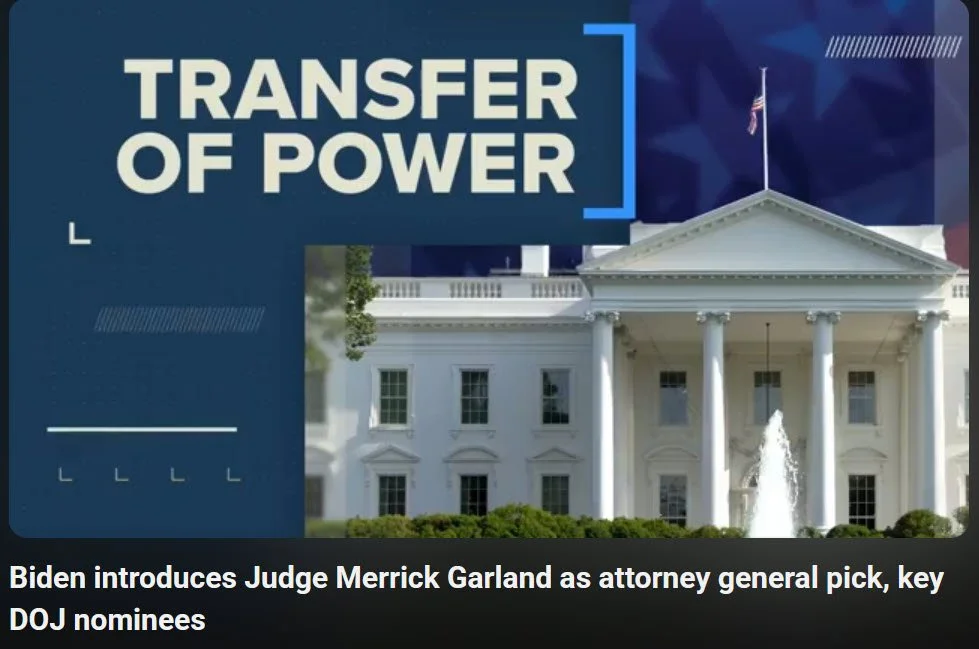
It is a fascinating—and legally complex—time at the Department of Justice. As of early 2026, we are seeing the practical fallout of a massive shift in executive priorities. When a new administration takes over, the DOJ often inherits hundreds of active lawsuits where the government was previously the defendant or the aggressive prosecutor.
Now, under the current administration, the DOJ is increasingly finding itself on the "same side" as the people who were suing it just a year or two ago.
The "Confession of Error" and Rapid Settlements
In several high-profile cases involving social media censorship and free speech, the DOJ has moved from fighting the plaintiffs to settling with them.
The Shift: Under the Biden administration, the DOJ defended federal agencies against claims that they unconstitutionally coerced social media platforms to remove "misinformation."
The Current Reality: By April 2026, the DOJ has settled many of these cases (such as Daily Wire v. Dept of State), essentially agreeing with the plaintiffs that the prior administration's actions "trampled free speech rights." Instead of litigating, the DOJ is now using these settlements to bake in new policies that prevent the government from interacting with social media companies in those ways.
Dropping Biden-Era Criminal Investigations
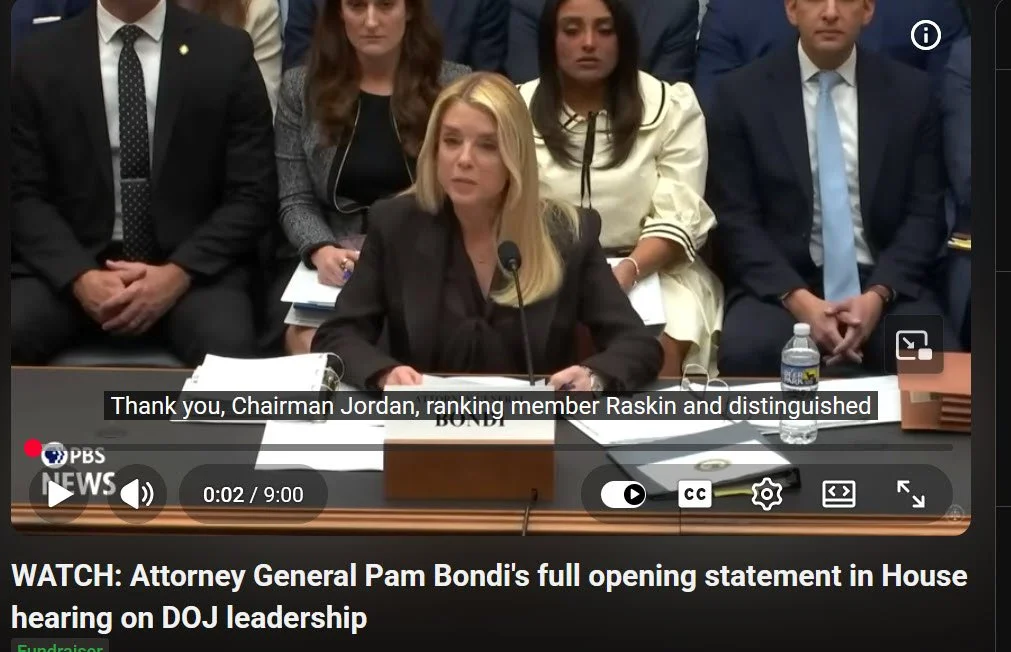
The DOJ has undergone a massive "cleanup" of pending criminal cases.
The Numbers: Reports indicate that in early 2025/2026, the DOJ dropped over 23,000 criminal investigations that were initiated under the previous administration.
The Logic: Acting Attorney General Todd Blanche and former AG Pam Bondi issued memos directing prosecutors to pivot resources away from "regulatory offenses" and toward immigration and national security. In many white-collar and corporate cases, the DOJ is now citing new policy guidelines to argue that these Biden-era cases no longer serve the "interests of justice."
Reversing Stance in Antitrust and Civil Rights
We are seeing a "180-degree turn" in how the DOJ handles specific policy-driven litigation:
Antitrust: The aggressive "litigate-to-block" strategy seen in 2023–2024 has been replaced by a return to negotiated settlements. The DOJ is now clearing mergers that the previous leadership fought to stop.
DEI and Civil Rights: The DOJ has shifted from defending DEI (Diversity, Equity, and Inclusion) programs to actively investigating them. In early 2026, DOJ officials indicated they would use the False Claims Act to target companies whose DEI programs result in what the current administration deems "illegal race-based decision-making."
The "Internal Sledgehammer"
This shift isn't just about the courtroom; it’s about the people in the building. There has been a significant "brain drain" or "purge" (depending on who you ask) of career attorneys who spent years building the cases that are now being dismantled.
For the Plaintiffs: This is a "restoration of the rule of law."
For the Critics: This is seen as "weaponizing the DOJ" to reward political allies by dismissing valid legal challenges.