
Segment #898
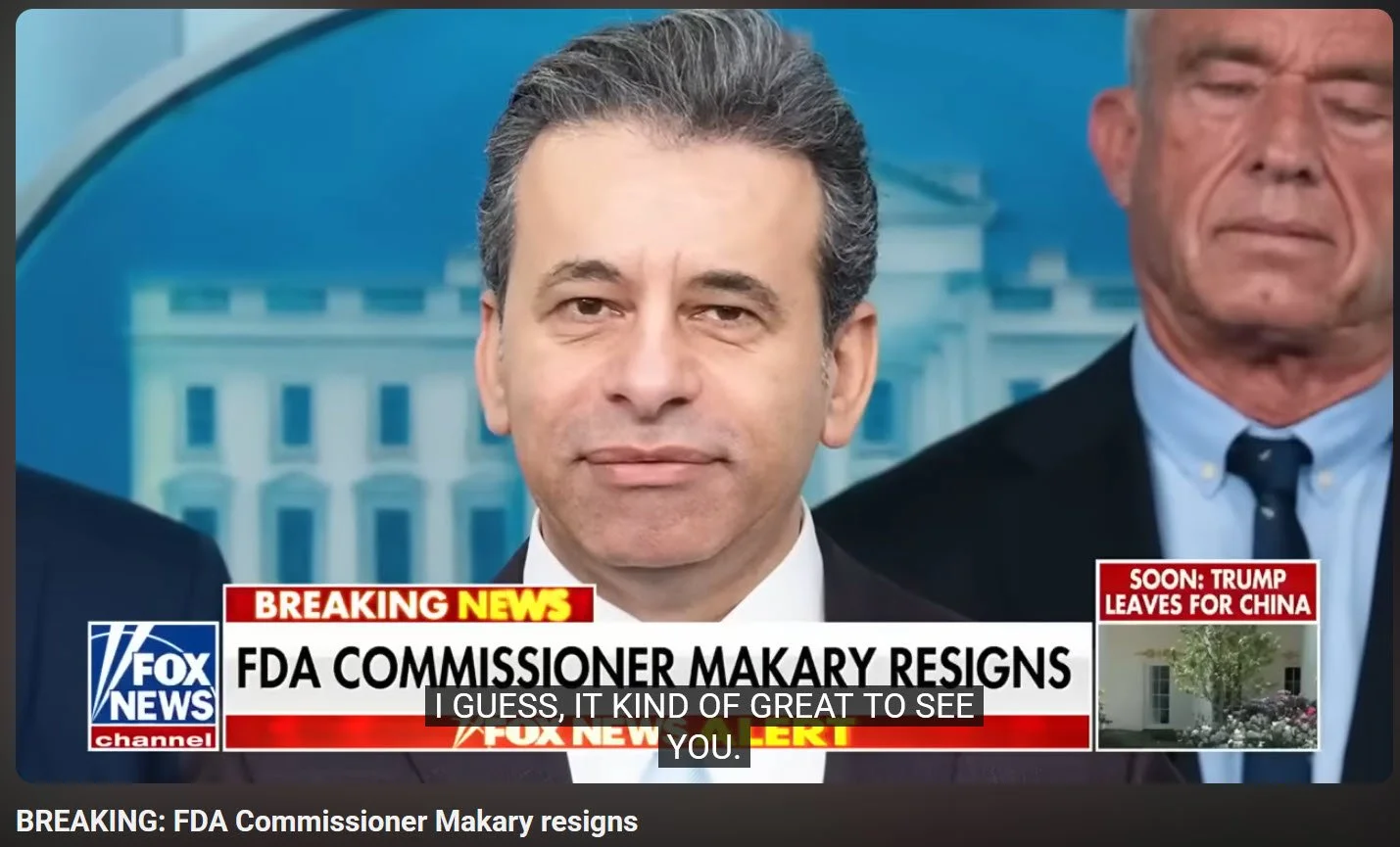
Dr. Marty Makary resigned as the Commissioner of the Food and Drug Administration (FDA) on May 12, 2026, after a brief and turbulent 13-month tenure. While he technically submitted a resignation, it followed reports that President Trump had already signed off on a plan to fire him. His departure was driven by a "perfect storm" of friction with the White House, health leadership, and various political interest groups:
Key Reasons for His Ouster
The "Flavored Vape" ConfrontationThis was the immediate catalyst for his exit. Makary and FDA scientists attempted to block the approval of fruit-flavored vapes, citing concerns about youth addiction. The Conflict: President Trump reportedly intervened directly, viewing flavored vape availability as a key issue for his younger voter base.The Outcome: After an "angry" direct press from Trump, the FDA was forced to reverse course and approve the products in early May 2026. This public undermining of Makary's authority signaled the end of his tenure
Friction with RFK Jr. and the MAHA Movement : While Makary was initially a hero to the MAHA movement for his stance against COVID-19 mandates, he eventually became a target for not being "radical" enough for Kennedy’s agenda. Vaccine Policy: RFK Jr. and his allies were reportedly frustrated that Makary did not move to pull COVID-19 vaccines from the market entirely. Though Makary restricted their use (e.g., stopping recommendations for pregnant women and healthy children), he continued to authorize updated mRNA boosters, which the MAHA wing viewed as a betrayal. The Decision-Maker: Administration officials confirmed to Politico that the decision to replace Makary was "really Secretary Kennedy's call," with Trump simply signing off on it once the relationship soured.
Loss of Pro-Life Support: The Mifepristone (Abortion Pill) "Slow-Walk" Makary found himself in the crosshairs of the administration’s anti-abortion stakeholders. The Evidence: During a high-profile interview with The Wall Street Journal, Makary bluntly stated, "I don’t think about the abortion pill," while his agency was accused of "slow-walking" safety studies that could have led to new restrictions. The Political Cost: This dismissive attitude enraged conservative activists and Republican lawmakers. Reports of his impending firing emerged the same day Trump met with leaders of major anti-abortion groups.
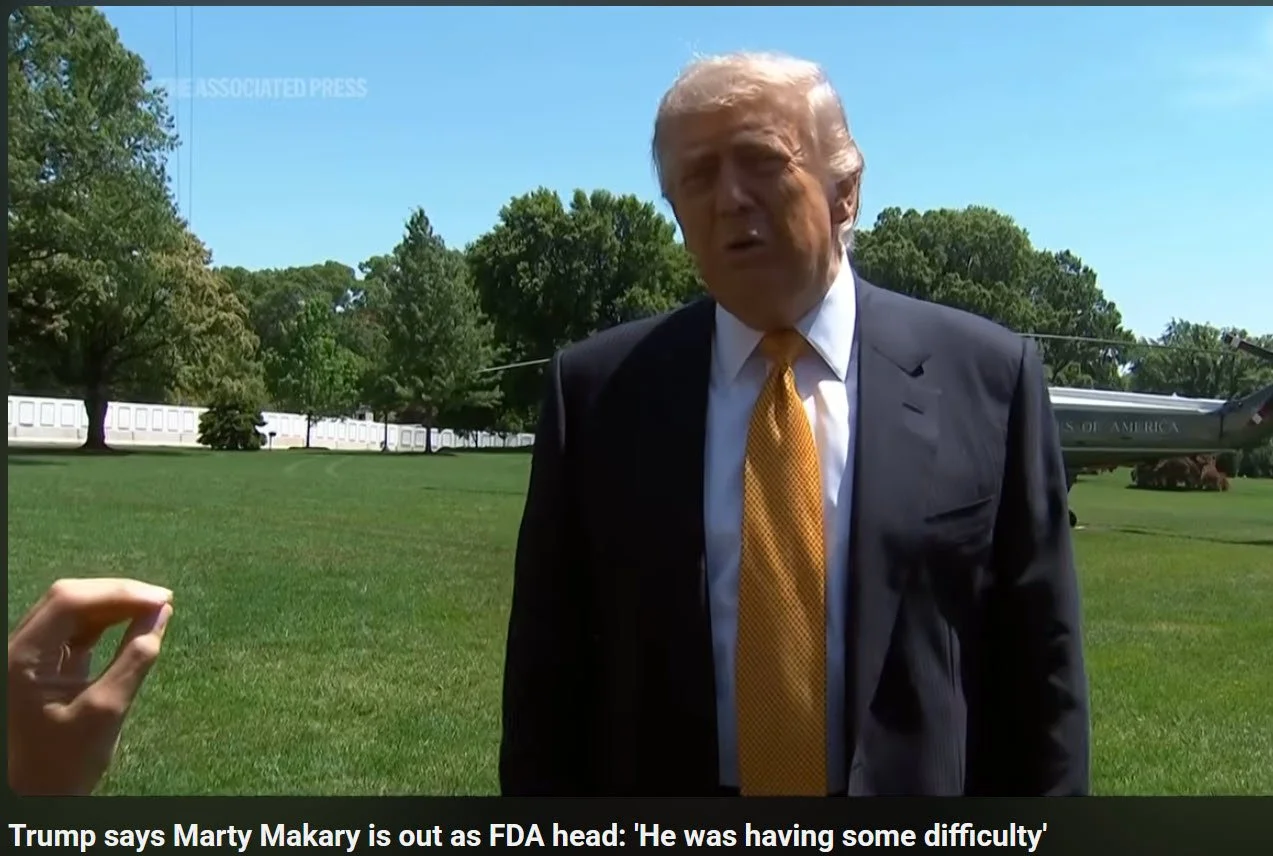
The head of the Food and Drug Administration, Dr. Marty Makary, is resigning after a rocky tenure that drew months of complaints from health industry executives, anti-abortion activists, vaping lobbyists and other allies of President Donald Trump.
Internal Agency Turmoil: Regulatory Turmoil and Industry Rejections. Makary’s attempt to overhaul the FDA’s drug approval process (specifically the "one-trial" policy) caused internal chaos. Internal Revolts: His leadership led to the resignation of veteran regulators like Richard Pazdur, who claimed the "wall" between the commissioner's office and scientific review staff had been "breached." Drug Rejections: The FDA under Makary began rejecting rare-disease drugs that staff had previously flagged for approval. This caused a backlash from the pharmaceutical industry and patient advocacy groups, two groups Trump generally prefers to keep on his side.
Kyle Diamantas
As of May 2026, Kyle Diamantas, the FDA Deputy Commissioner for Food, has taken over as the acting head of the agency while the administration searches for a permanent replacement.
Kyle Diamantas is a corporate attorney who currently serves as the Acting Commissioner of the U.S. Food and Drug Administration (FDA). He was appointed to this role in May 2026, following the resignation of Marty Makary.
Professional Background
Prior to becoming Acting Commissioner, Diamantas served as the FDA Deputy Commissioner for Food (Human Foods Program) beginning in February 2025. In that role, he oversaw U.S. food safety protocols, nutrition, and regulatory operations. He is noted for his work on the "MAHA" (Make America Healthy Again) food agenda, which included: Updating dietary guidelines for Americans, the removal of petroleum-based artificial dyes from certain food products, Managing inspections and investigations related to human food products.
Before joining the public sector, Diamantas spent over a decade in private legal practice:
Jones Day: He was a partner at this firm, where he specialized in representing life sciences and consumer goods clients. Notably, he defended Abbott Laboratories in litigation regarding infant formula.
Baker Donelson: He previously served as a senior associate in the firm's Orlando, Florida office, focusing on litigation and regulatory compliance for the food, cosmetic, and drug industries.
Education
Juris Doctor (JD): University of Florida Levin College of Law.
Bachelor’s Degree: Pre-law Political Science from the University of Central Florida.
Notable Context
Diamantas's appointment has been a subject of discussion due to his background as a lawyer rather than a medical professional, which departs from the historical trend of FDA Commissioners holding medical degrees. He is also reportedly a close personal friend of Donald Trump Jr. and has been described by Health Secretary Robert F. Kennedy Jr. as a key leader in advancing specific food safety and nutrition reforms.