
Segment #897
DAVID MARCUS: New York Times announces the end of the climate change hoax
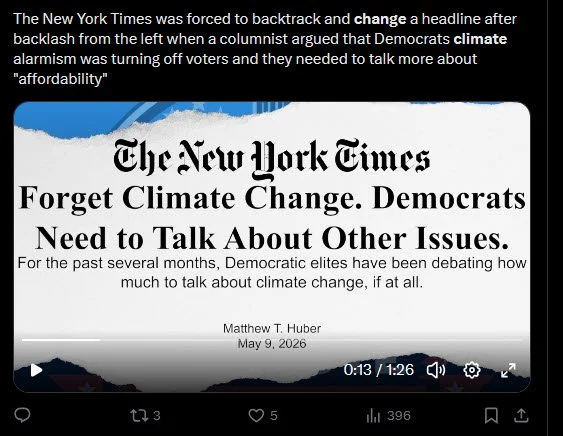
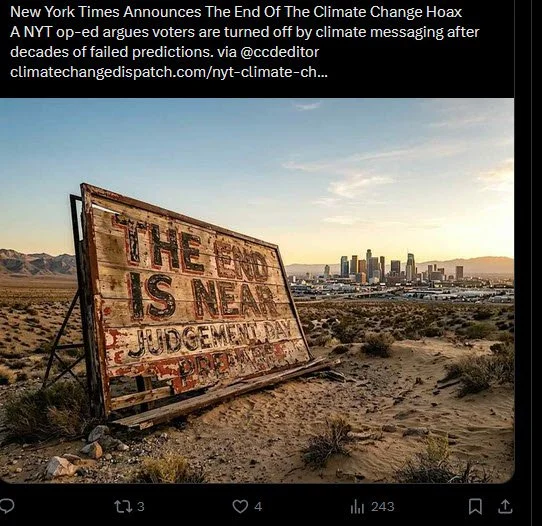
A New York Times op-ed argues voters are turned off by climate messaging after decades of failed predictions
Matthew Huber in The New York Times, which originally carried the provocative headline, "Forget climate change. Democrats need to talk about other issues." (It was later updated to the more nuanced: "Democrats Don’t Have to Campaign on Climate Change Anymore." The piece has sparked a massive debate among political strategists and environmentalists because it challenges the "Green New Deal" orthodoxy that has dominated Democratic rhetoric for years.
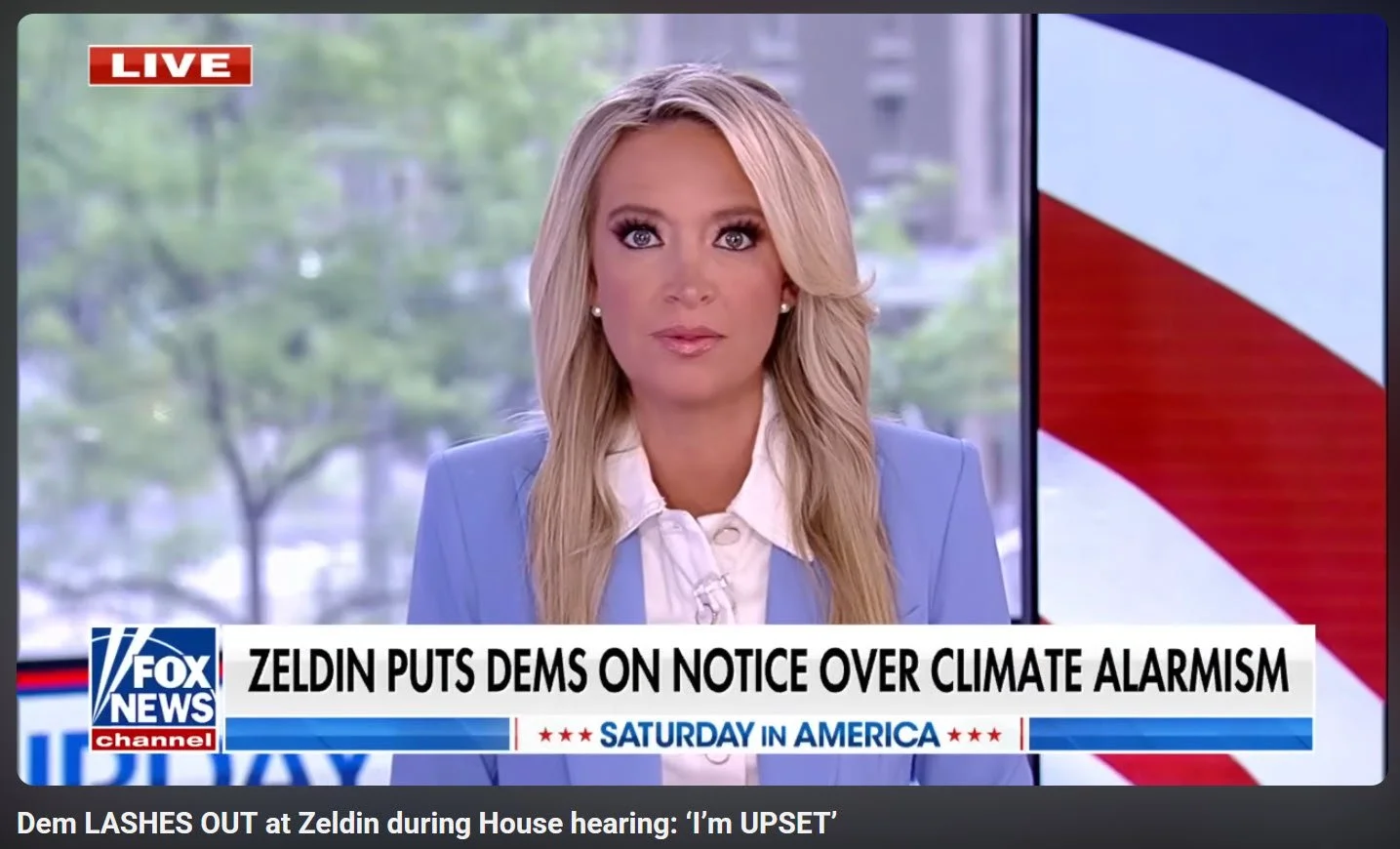
EPA Administrator Lee Zeldin discusses climate alarmism from Democrats, his argument with Rep. Rosa DeLauro, D-Conn., about a Supreme Court case and more on ‘Saturday in America
The New York Times has once again illustrated the Democratic strategy of never letting a crisis go to waste. This performative approach prioritizes political chaos over genuine solutions, seemingly designed to enrich corrupt stakeholders rather than solve the underlying issues. Climate change, in this context, serves more as a political lever than a sincere concern—a vehicle for trillion-dollar expenditures and misguided policies that have caused international harm.
The Core Argument
Huber, a professor and author of Climate Change as Class War, argues that climate change has become a "lifestyle" issue for the college-educated elite rather than a bread-and-butter issue for the working class. His main points include:
The "Luxury" Perception: When Democrats lead with "climate," many voters—especially those without college degrees—hear "higher gas prices," "expensive EVs," and "lifestyle restrictions."
Material Gains over Abstract Goals: He suggests Democrats should instead focus on "Green Populism"—campaigning on lower energy bills, high-paying union jobs in manufacturing, and public works projects.
The "Stealth" Strategy: The idea isn't to stop acting on climate, but to stop labeling everything as a climate initiative. By focusing on industrial policy and cost-of-living, the administration can achieve climate goals while winning over voters who are currently alienated by environmentalist jargon.
The Pushback
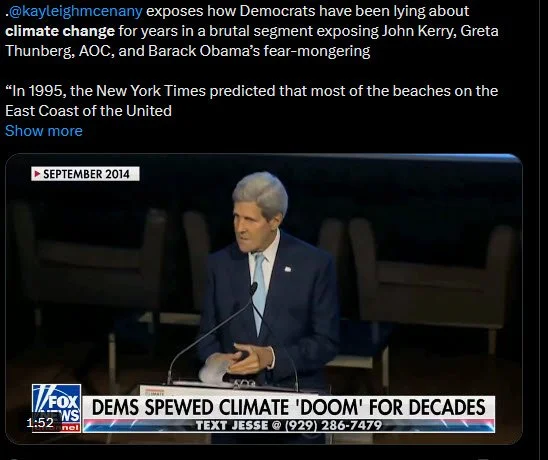
As you might imagine, the essay didn't go over well with everyone. Critics argue that:
Urgency: Downplaying climate change in a year of record-breaking heat and storms feels like a surrender of moral leadership.
Youth Vote: Young voters are consistently motivated by climate action; ignoring it could risk depressing turnout in a critical demographic.
The GOP Narrative: Republicans will frame Democratic policies as "climate radicalism" regardless of what Democrats call them, so some feel it's better to own the narrative and explain the benefits.
The Current Reality
This "rebranding" is already happening in practice. You’ll notice that when President Biden or other leaders discuss the Inflation Reduction Act (IRA), they rarely lead with "carbon sequestration." Instead, they talk about "bringing manufacturing back to America" and "lowering utility costs." It's a shift from environmentalism as a cause to industrial policy as a solution. It’s a gamble: do you win more votes by being honest about the crisis, or by selling the "side benefits" of fixing it?