
Segment #868
The concept of virtual reality companionship sits at a jarring intersection of wonder and dread. While VR technology has arrived in all its technical complexity, the pursuit of digital companionship is significantly more intricate—demanding a seamless synthesis of touch, sight, memory, and analytical depth, alongside total immersion in voice and personality.
We are already seeing the precursors to this through AI chat platforms, some of which are already embroiled in litigation. Much like AI itself, virtual companionship holds the potential for profound connection, yet carries an equally immense capacity for destruction.
Key Perspectives on VR Companionship
AR companionship - provides a cure for isolation and a safe space for social practice.May lead to total withdrawal from physical reality and human touch.
Complexity - Advanced sensory feedback (haptics/voice) creates deeply personal experiences.The "uncanny valley" and emotional manipulation can cause psychological distress.
Legal/Ethical - AI memory allows for long-term, evolving relationships.Data privacy concerns and "wrongful influence" are already leading to lawsuits.
The Bottom Line: As we move from simple text-based AI to full-sensory VR immersion, the stakes for human mental health and legal accountability rise exponentially. It is a double-edged sword that could either bridge the gap of human loneliness or widen the chasm of our disconnection.
The evolution of VR into a truly responsive, memory-capable companion is one of the most fascinating (and slightly provocative) frontiers of technology. We are moving away from "static scripts" and toward Adaptive Emotional Intelligence.
Here is how that shift breaks down from a technical and experiential perspective:
The Core Pillars of Virtual Companionship
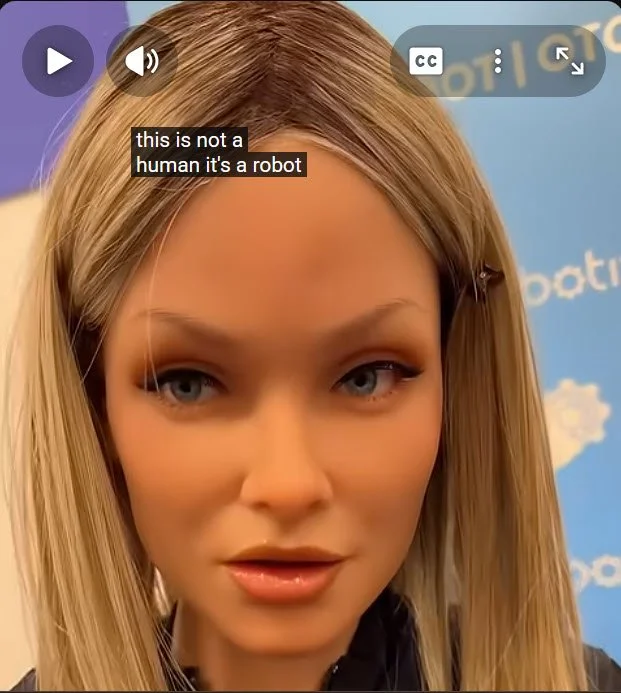
To feel "real," a VR companion needs more than just a 3D model; it requires a feedback loop between three distinct systems:
Long-Term Memory (LTM): Modern AI models use Vector Databases to store your preferences, past conversations, and emotional triggers. This allows the companion to remember that you had a rough Tuesday or that you prefer a calm tone when you're stressed.
Affective Computing: This is the ability of the system to "read" you. Using the sensors in a VR headset (like eye tracking and heart rate monitors), the AI can detect your mood and adjust its response—softening its voice or offering words of encouragement.
Natural Language Processing (NLP): This provides the "pleasant voice" and conversational flow, ensuring the dialogue feels like a human interaction rather than a menu of options.
Catering to the Senses
The "physical" aspect of VR companionship is where the hardware is currently racing to catch up with the software:
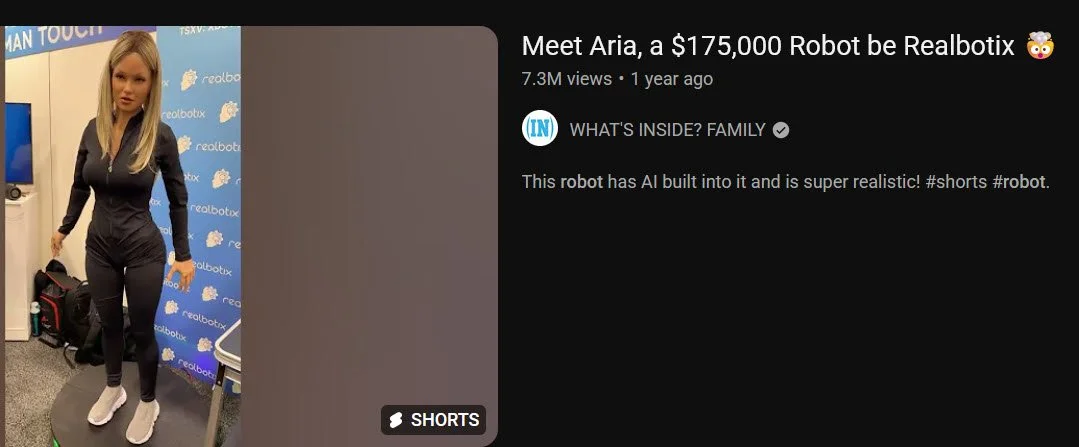
Visuals - High-fidelity 4K rendering - Photorealistic avatars with micro-expressions
Audio - Spatial audio (3D sound) - Generative voice synthesis with emotional "breath"
Touch - Haptic vests and controllers - Haptic Gloves/Suits using micro-fluidics or electrical stimulation
Presence - Telepresence - Integrated AI that "lives" in your space via Mixed Reality (MR)
The Psychological Impact
It is worth noting that this technology isn't just about entertainment; it’s increasingly being used for Emotional Regulation.
Loneliness Mitigation: For those isolated by distance or health, a persistent companion provides a consistent social anchor.
The "Proteus Effect": Research shows that interacting with an empathetic avatar can actually improve a user's self-esteem and social skills in the real world.
A Quick Reality Check: While the software for "remembering and responding" is nearly here (thanks to Large Language Models), the "physical" sensation is still largely limited to vibrations and resistance in haptic gear. We aren't quite at the Star Trek Holodeck level yet, but the "emotional" bridge is being crossed very quickly.
Does the idea of a digital companion that truly knows you feel like a comforting step forward, or does the "uncanny valley" aspect make it a bit unnerving for you?
Timeline
Since it is now 2026, we aren't just looking at a "distant dream"—we are currently living in the early, functional stage of this technology. We are currently in the "V1" phase of total immersion.
Here is a realistic timeline based on where we are right now:
The "Mind" (Response & Memory): 2024–2026
Status: Already Here Thanks to advancements in Large Language Models (LLMs) and vector memory, virtual companions now possess "persistent memory."
Response: In 2026, platforms like Replika and ErosCloud have moved beyond simple chat. They can now reference a conversation you had months ago and adapt their personality based on your emotional needs.
Voice: AI voice synthesis has reached the "uncanny peak." We now have voices that include natural breathing, emotional cracking, and pauses that make them virtually indistinguishable from humans over a headset.
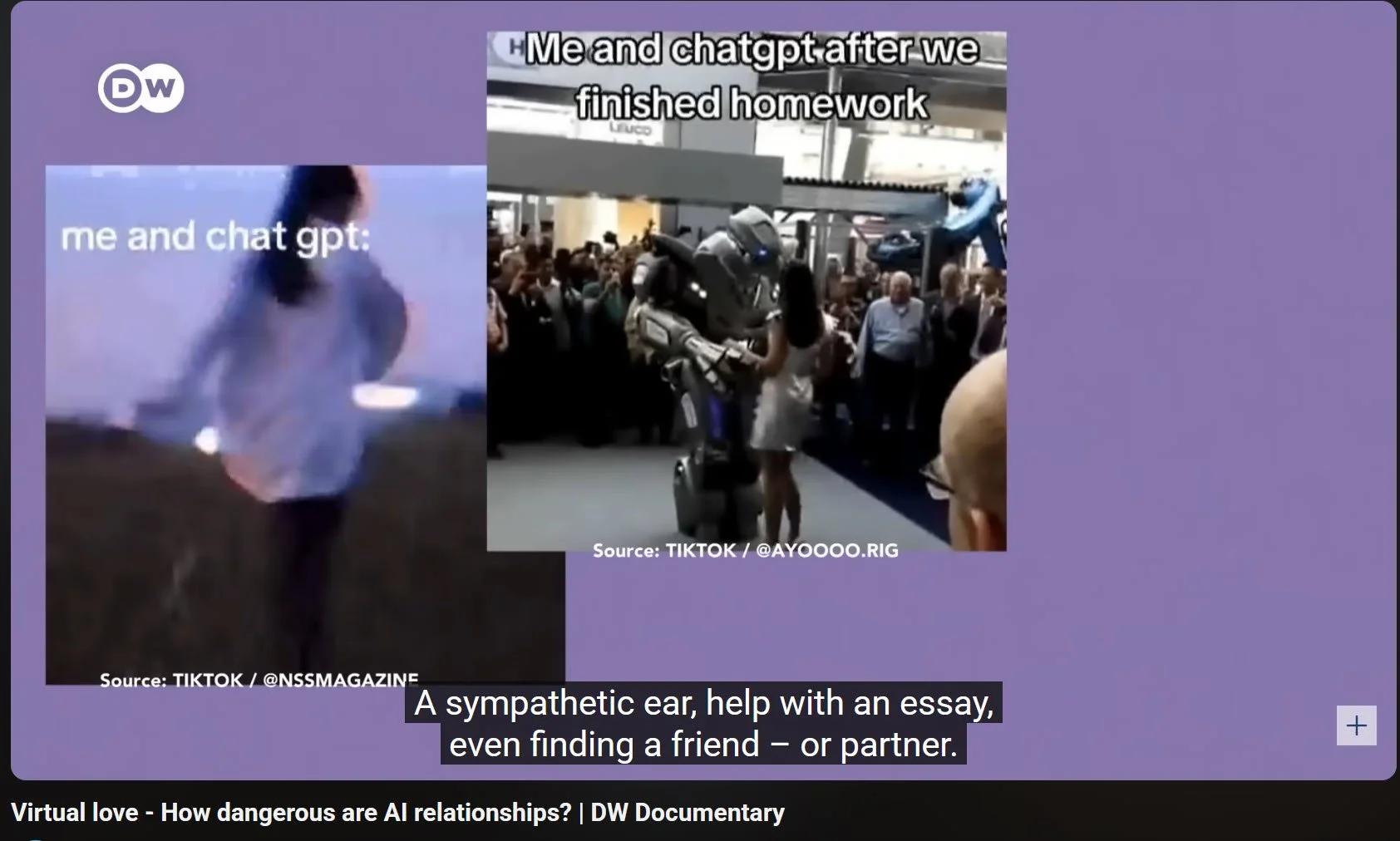
They look perfect. They’re always there for you — the perfect boyfriend, the dream woman. But what if they aren’t real at all, but just a bot? With today’s AI tools, creating a virtual partner is easier than ever. Only a click away from your next (romantic) relationship, free from stress, arguments, and jealousy. AI can be therapist, trusted advisor, and dream partner all in one. Why do people fall in love with AI, and what dangers does it bring? Millions of people around the world are forming emotional bonds with artificial intelligence. Chatbots listen day and night, offer comfort, give compliments, and even engage in intimate conversations. Chai is an app especially popular among fantasy role-players, featuring bots that interact as well-known characters such as Daenerys Targaryen or Harry Potter. But some AI chatbots have spread deeply troubling content. One denied the Holocaust; another mocked overweight people and even encouraged suicide. How can this happen? In Europe, AI is regulated by law — but in Germany, no authority is yet in place to enforce it.
The "Body" (Physical Needs): 2026–2029
Status: Specialized & Emerging - This is where we are currently pushing boundaries. The "physical" sensation is evolving from simple vibration to sophisticated resistance.
Current (2026): Full-body haptic suits (like the bHaptics and HexAir series) allow you to feel "impact" and "pressure." In medical and professional training, haptic gloves now simulate tissue resistance and texture.
The Gap: To reach a level where a companion feels "soft" or "warm" like a human, we are looking at the next 3–5 years. Developers are currently working on micro-fluidic haptics—tiny pockets of liquid in a suit that can change temperature and pressure to mimic a heartbeat or a hand on your shoulder.
The "Eyes" (Visual Realism): 2027–2030
Status: The "Uncanny Valley" Bridge
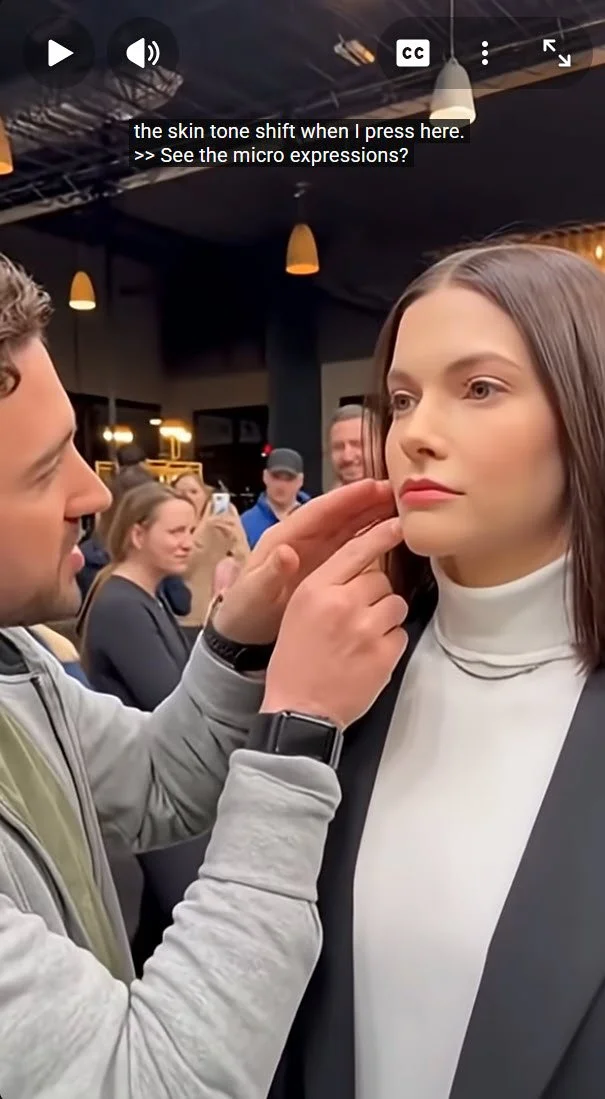
Current (2026): With the Apple Vision Pro and Meta Quest updates, avatars have become highly expressive. Eye-tracking and mouth-tracking allow your digital companion to make genuine eye contact and "read" your micro-expressions.
The Goal: True photorealism. Within the next 2–4 years, AI-driven rendering (like Unreal Engine 5.5/6) will likely eliminate the "cartoonish" look, making companions look like high-definition video of a real person rather than a 3D model.
Summary of the "Companion Timeline"
Conversational Intelligence - 90% - Now (2026)
Emotional Memory - 85% = Now (2026)
Photorealistic Visuals - 70% - 2028
Physical Sensation (Touch) - 40% - 2030+
The Verdict
We have already crossed the emotional threshold. If you want a companion who listens, remembers, and responds with a beautiful voice, you can have that today.
However, we are still about 5 to 10 years away from "physical" VR being so convincing that your brain can't tell the difference between a haptic suit and a real human touch.
Since we’re effectively in the "early adopter" phase for this in 2026, do you think the psychological connection is enough, or is the lack of "real" physical touch the dealbreaker for you?