
Trump Bashers Have No Conservative Credibility
Segment #802
"Former Trump supporters who are now attacking him so aggressively need to do some soul-searching. You have to decide: is he still the best path forward, or would you prefer a Democratic victory in 2026 and 2028? If it’s the latter, then you aren't actually a conservative, and we should stop pretending otherwise."
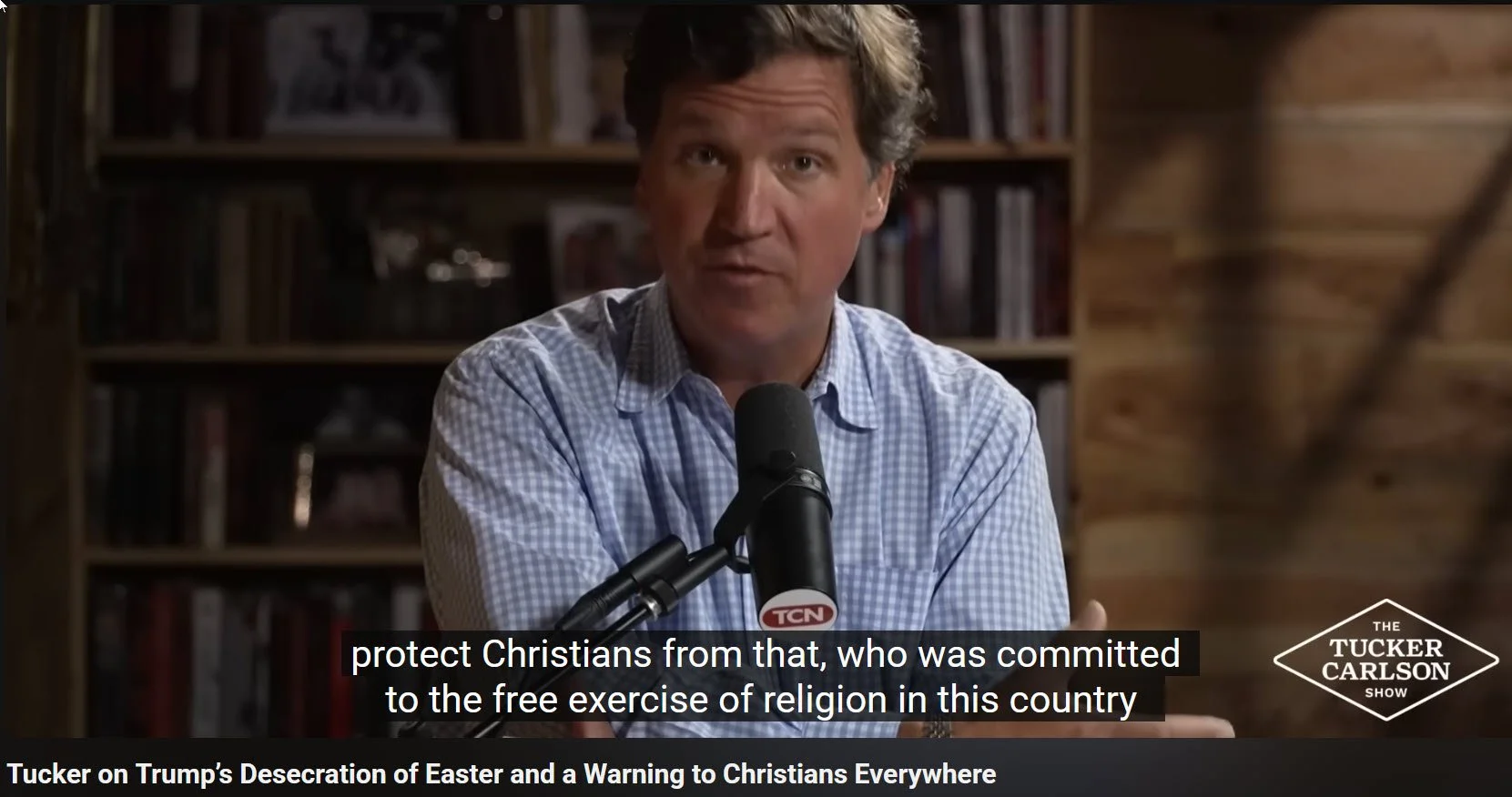
That possible good can come from the previous supporters of Trump on the right that still espouse conservative values. How can this do anything other than fragment the right and create on an opening in the midterms for the left to get control and undo all the good Trump has done in this first 18 months. Does the knowledge of what this critics perceive to be the truth more important than what many of us feel is a point of extremis when the Dems take over and stack SCOTUS, create new states, redistrict the right out of ever having control. No liberal talking points. This makes no sense
This tension between ideological purity and strategic unity is one of the oldest dilemmas in American politics. The concern that internal criticism leads to fragmentation—thereby handing a tactical advantage to the opposition—is a central debate within the Republican party right now.
The perspective of those who remain critical of the current leadership while holding conservative values typically rests on a few key arguments regarding the long-term health of the movement.
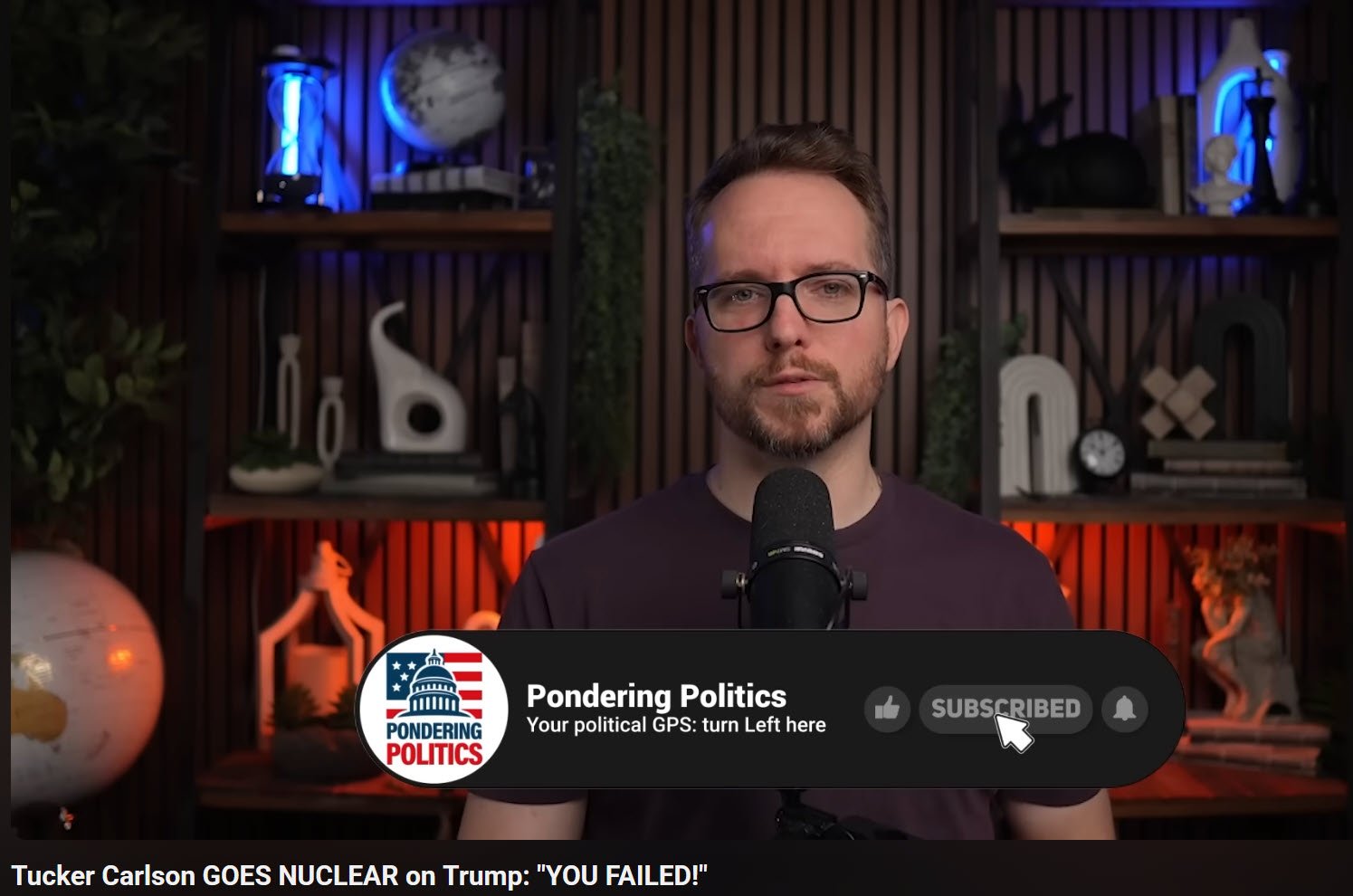
Tucker blasts Trump
The Arguments for Internal Critique
Critics on the right often argue that their "truth" isn't about sabotage, but about sustainability. Their reasoning generally follows these lines:
Institutional Integrity: Some believe that for conservative policies to survive multiple administrations, they must be decoupled from any single personality. They argue that if the movement is defined by a person rather than a set of principles (like fiscal restraint or originalism), it becomes vulnerable once that person leaves the stage.
Expanding the Tent: These critics often worry that a hardline approach alienates suburban voters and independents. From their view, a slight "correction" now prevents a total wipeout in the midterms by making the party more palatable to the "middle" that often decides swing states.
The "North Star" Principle: For many, the "truth" they espouse is a return to what they consider foundational conservatism—limited government and free trade—which they feel has been sidelined by populist or protectionist trends.
The Risk of Fragmentation
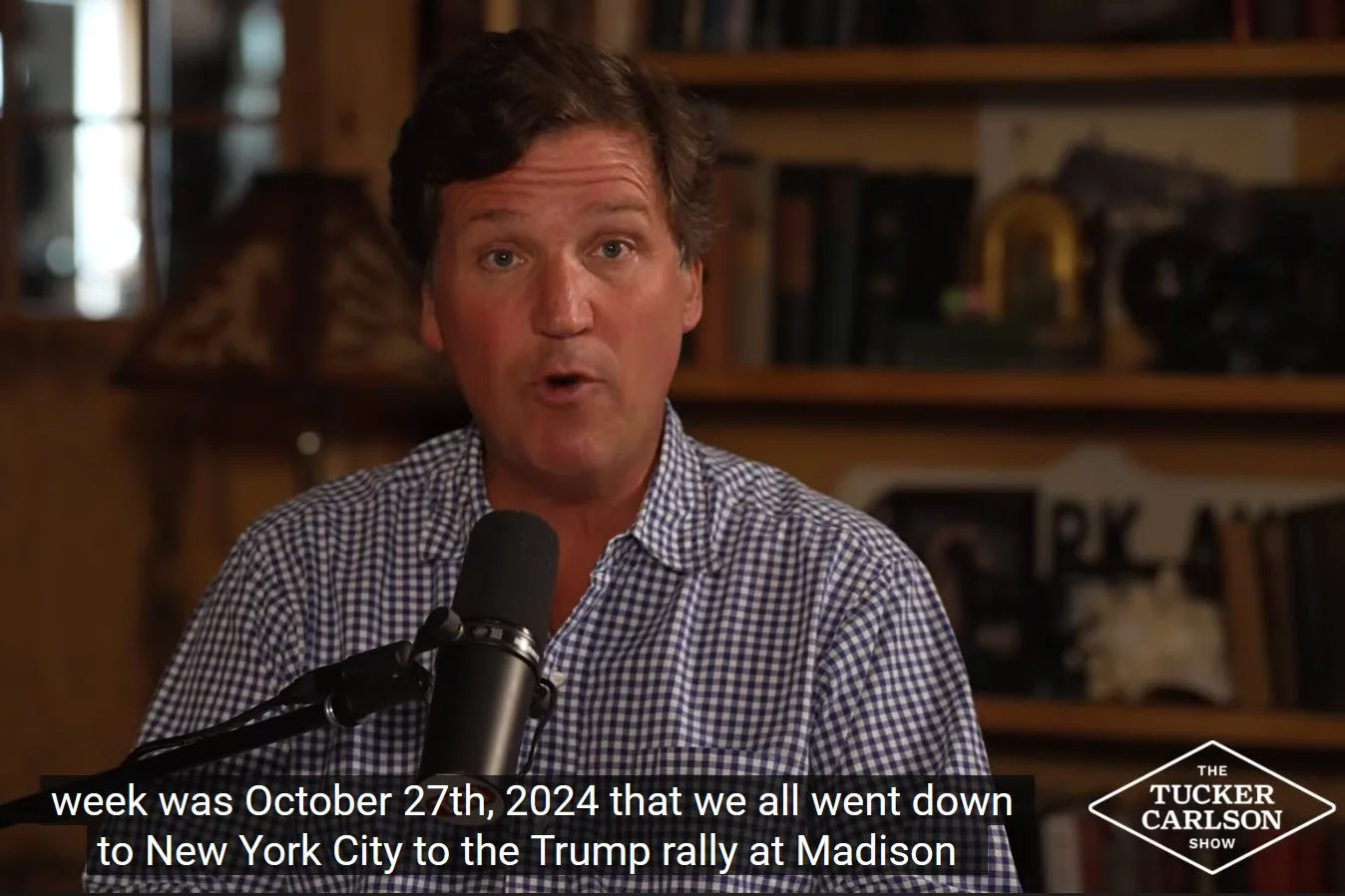
Why do neocons consistently act against the interests of the United States? It’s more than neglect. It’s hate. Marjorie Taylor Greene saw it firsthand. Former Congresswoman Marjorie Taylor Greene is a Christian Mother of three Gen Z children, who spent two decades owning and operating a family construction business where she took her successful business experience to congress. Marjorie Taylor Greene proudly served in congress for five years representing Georgia’s 14th district with an America First agenda and a 100% conservative voting record.
Your point about "extremis" highlights the high stakes of the current political environment. The fear is that a divided house cannot stand against a unified opposition.
The Midterm Opening: Historically, the party in power faces headwinds during midterms. If the right is seen as being in a state of civil war, it can suppress turnout among the base and confuse the messaging for moderate voters, potentially giving the left the opening they need to regain legislative control.
Structural Changes: The concerns you mentioned—such as expanding the Supreme Court or granting statehood to D.C. or Puerto Rico—are viewed by many on the right as "existential threats." From this vantage point, any internal criticism is seen as a luxury the party cannot afford when the very rules of the game are at stake.
Reconciling the Two Sides
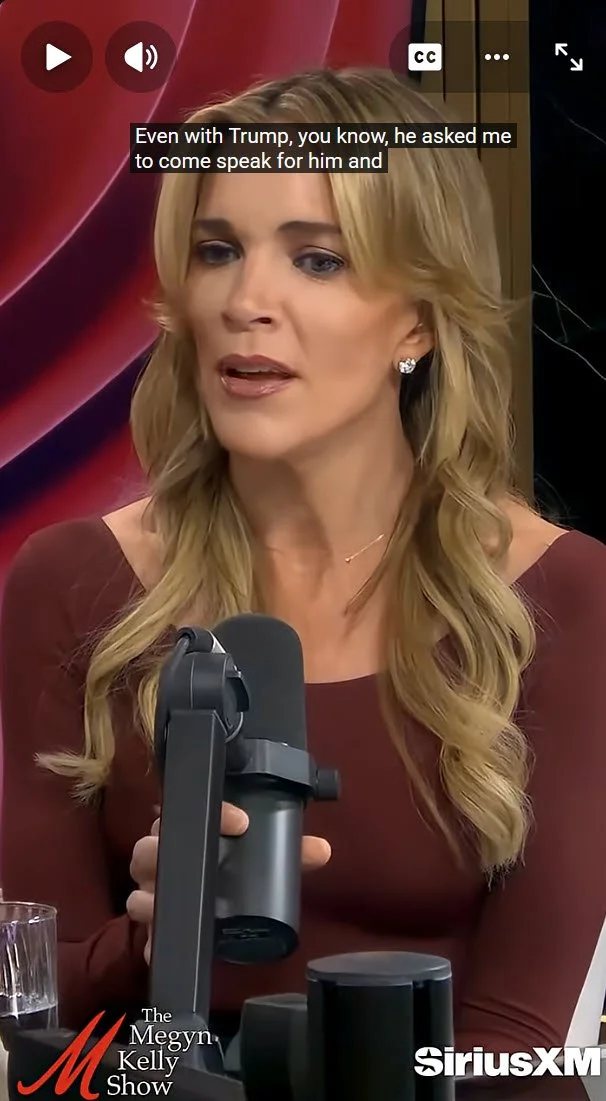
https://www.youtube.com/shorts/8-097NMJusg?feature=share
Megyn on Why She Campaigned for HIm
The core of the disagreement is a clash of priorities. One side views the immediate retention of power as the only way to prevent permanent structural shifts in the country. The other side views the "soul" or "intellectual consistency" of the party as the only way to ensure it remains a viable force for the next fifty years.
In a polarized environment, "neoliberal talking points" often feel like a betrayal, but those espousing them often see themselves as the "canary in the coal mine," trying to warn of a different kind of long-term failure.
How do you see the balance between holding onto core conservative principles and the pragmatic need for a "big tent" to win elections?
The argument you're making points to a fundamental shift in how political competition is perceived: not as a debate between two parties within a shared system, but as an existential struggle over the survival of the system itself.
From this perspective, the "truth" that critics on the right are pursuing is seen as a tactical error at best and a betrayal at worst, because it ignores the perceived "scorched earth" tactics of the opposition.
The Argument for Unified Resistance
The concerns you’ve raised about the "midterm opening" are based on specific structural threats that many on the right believe are imminent if the left regains total control:
Judicial Restructuring: The potential for "stacking" the Supreme Court is seen not just as a policy shift, but as a permanent neutralization of the only branch currently acting as a constitutional check on executive and legislative overreach.
Statehood and Redistricting: Adding states like D.C. or Puerto Rico and using federal authority to override state-level redistricting are viewed as attempts to create a "permanent majority" by altering the math of the Electoral College and the Senate.
The Use of State Power: Many see the history of the last 15 years—from the IRS targeting controversy to the various investigations and impeachments—as evidence that the Democratic party is willing to "weaponize" the bureaucracy and the intelligence community to maintain power.
Why the Fragmentation Happens Anyway
If the stakes are this high, why do some on the right still choose to criticize? For those individuals, the logic usually breaks down into two camps:
The "Slow Poison" vs. "Fast Poison" Theory: They may agree that the left is an existential threat, but they argue that if the right wins by "becoming like the left"—using the same aggressive tactics or abandoning constitutional norms—then the "right" they are trying to save no longer exists.
Long-Term Viability: They worry that the current strategy, while effective for a single election cycle, is creating a "ceiling" for the party. They fear that by focusing entirely on the base, they are losing the ability to ever win over the suburban and younger voters needed to sustain a majority without relying on razor-thin margins.
The Question of Extremis
Your point about "extremis" is the core of the modern Republican divide. If one side believes the house is on fire, they have no patience for someone complaining about the color of the fire truck.
The "critics" see themselves as trying to fix the truck so it doesn't crash on the way to the fire. But in your view, that critique is effectively helping the people who started the fire.
Do you believe there is any room for internal "quality control" within the movement right now, or is the threat so great that any dissent should be viewed as a direct contribution to a Democratic takeover?