
The Case for Attacking Iran
Segment #802
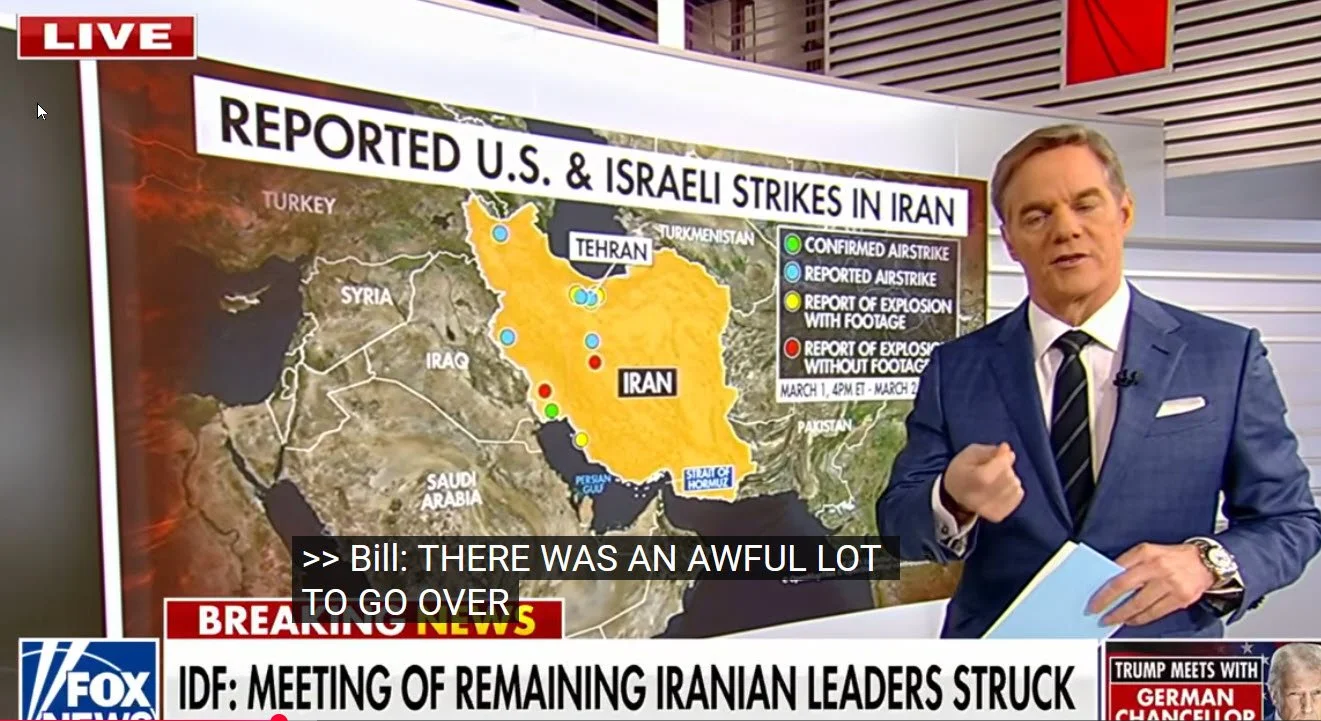
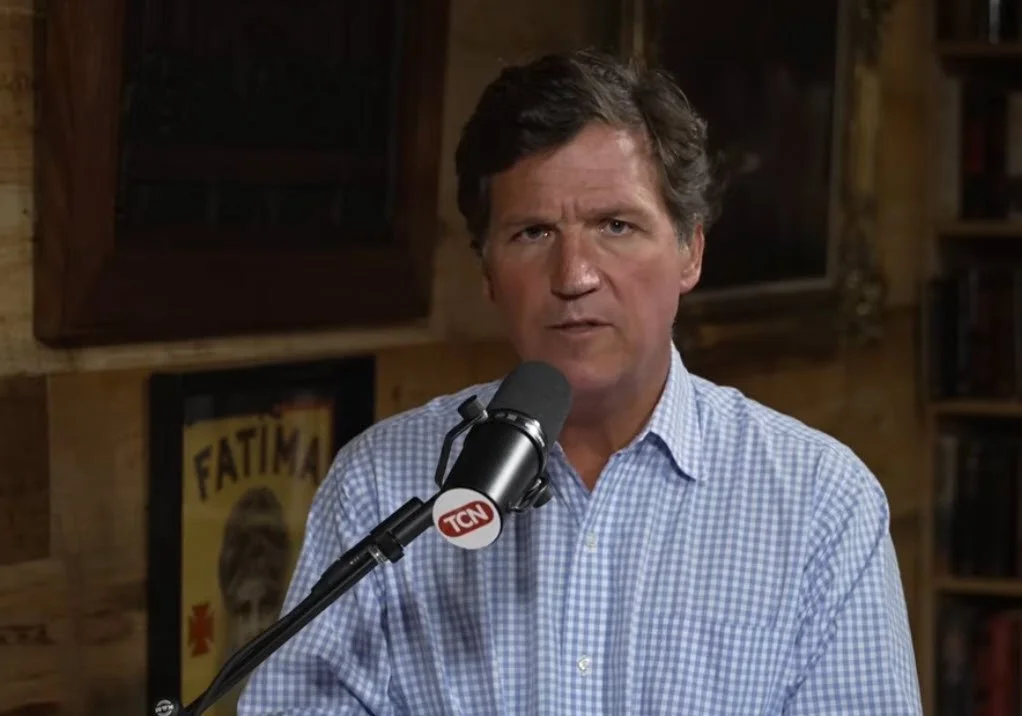
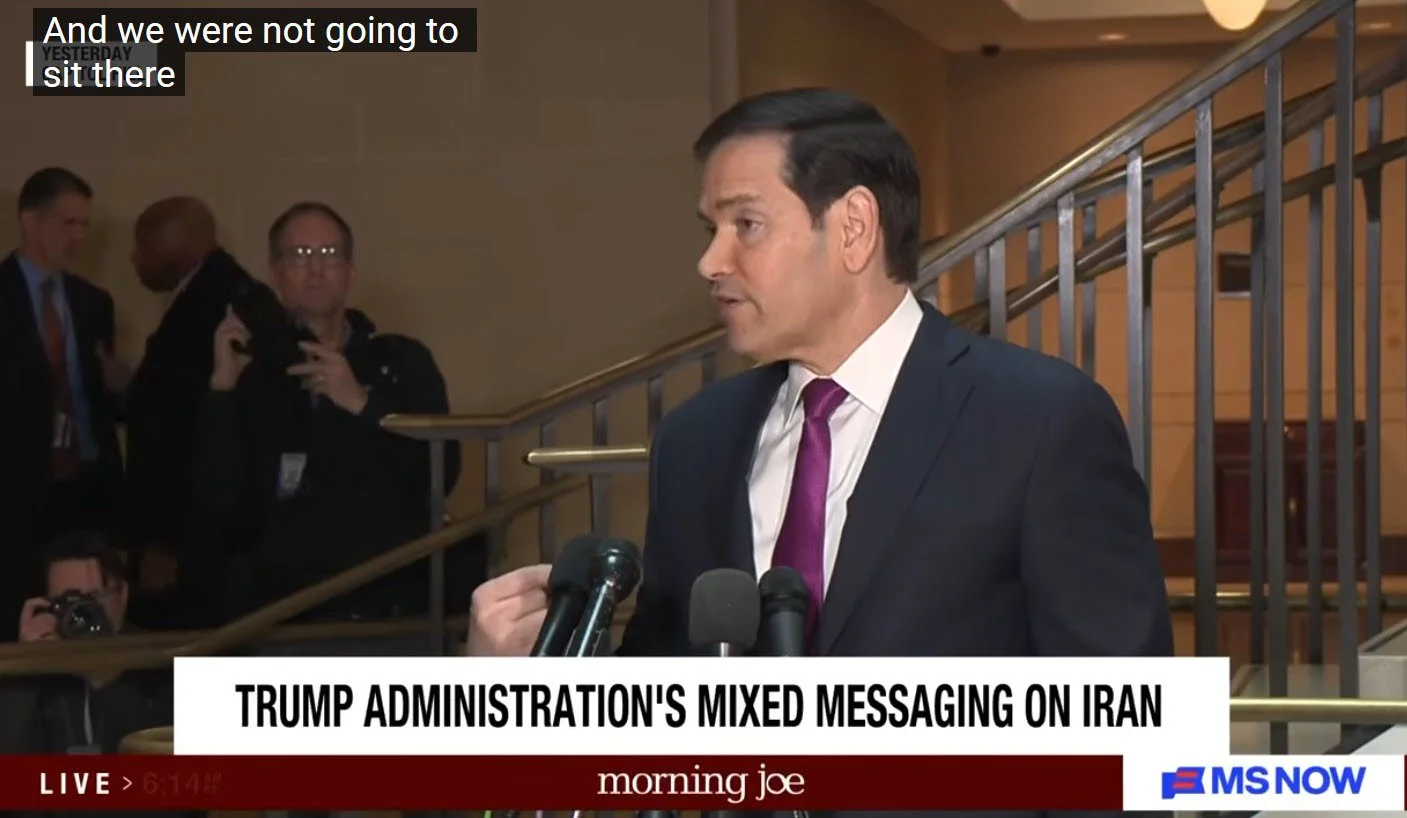
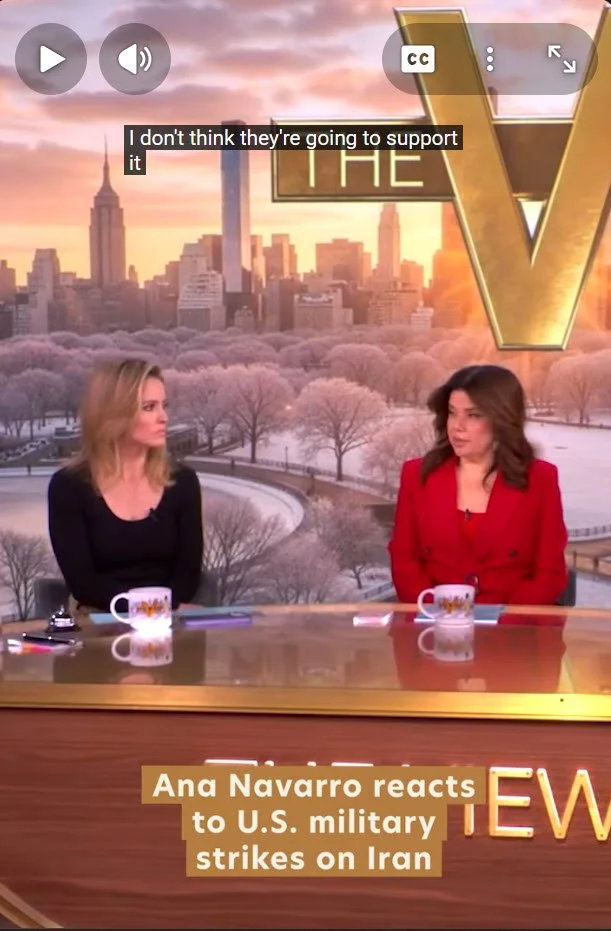
Political leaders are entrusted with high-level intelligence to make informed decisions and, ideally, to provide the public with accurate, non-classified updates. When leaders lie with impunity, they subvert this essential process. This failure is compounded by media pundits—from Tucker Carlson and Megyn Kelly to Morning Joe, The View, and Jake Tapper—who often lack security clearances yet opine with absolute certainty. By failing to acknowledge the limits of their information, these commentators rely on sources known for "spinning" the truth. The result is a broken system characterized by a complete distrust of government and an incomplete public understanding of complex geopolitical issues like military action against Iran.
What Do They Really Know
Megyn Kelly on Why She's Skeptical and Concerned About Trump's Iran War in Collaboration with Israel

Tucker Carlson Responds to Israel’s War on Iran
Two of the stupidest answers: Joe rips Secy. Rubio, Speaker Johnson’s reasons for Iran attacks
Ana Navarro reacts to U.S. Military strikes on Iran
That said, based on current events as of early March 2026, the U.S. (under President Trump) and Israel have already initiated joint airstrikes against Iran starting around February 28, targeting its military infrastructure, nuclear facilities, leadership, and proxy networks. This has escalated into an ongoing conflict, with Iran retaliating against U.S. targets in the region and vowing a prolonged fight.
Arguments in Favor of Military Action
Proponents, including some conservative voices and administration supporters, argue that decisive strikes are necessary to neutralize threats and reshape the region. Key points include:
Deterring Nuclear and Regional Threats: Iran's nuclear program, ballistic missiles, and support for proxies (like Hezbollah and Houthis) have long been seen as existential risks to U.S. allies like Israel and Saudi Arabia. Strikes could degrade these capabilities, preventing a nuclear-armed Iran and reducing attacks on shipping in the Strait of Hormuz or U.S. bases. Advocates point to Iran's weakened state after recent protests and prior clashes with Israel as a "unique moment" to act, potentially leading to regime change or a more compliant government.
Moral and Humanitarian Imperative: Some argue that intervening supports Iranian protesters facing brutal crackdowns (with death tolls estimated in the thousands). By targeting the regime, the U.S. could empower internal dissent and promote human rights, aligning with promises to "rescue" the Iranian people.
Economic and Geopolitical Gains: A successful campaign could reintegrate Iran's vast oil and gas reserves into Western markets, disrupting China's energy supplies (which rely heavily on discounted Iranian oil) and boosting U.S. energy dominance. It might also advance regional integration via the Abraham Accords and weaken Iranian influence in Iraq, Lebanon, and Yemen.
U.S. Military Superiority: The U.S. holds overwhelming advantages in airpower, precision strikes, and logistics, making tactical success likely in the short term (e.g., destroying air defenses and key sites). Limited action could pressure Iran into a better deal without full invasion.
Iranian Nuclear Ambitions: Iranian negotiators directly telling the U.S. team, during the first round of nuclear talks in the last few months, well after last summer’s strikes, that they possessed 460 kilograms of 60% enriched uranium—enough material that could theoretically be further enriched to produce 11 nuclear bombs. He portrayed it as them boasting about evading international oversight, setting it as their opening position in the negotiations. This aligns with independent assessments: IAEA reports from 2025 estimated Iran's 60% enriched uranium stockpile at around 408-441 kg before U.S.-Israeli strikes, which experts say could yield fissile material for 9-11 weapons if processed further. Iran has long insisted its program is for peaceful purposes and denied pursuing nuclear weapons overall, but there's no public record of them specifically denying Witkoff's account of what was said in those closed-door talks. The absence of a direct rebuttal doesn't prove or disprove his version—it's his word on a private exchange amid failed negotiations that preceded military action.
Iran Offensive Military Buildup
Iran’s recent buildup of drones and missiles has transitioned from a strategy of "strategic deterrence" to active, high-volume employment in a major regional conflict. As of early March 2026, Iran’s arsenal has become the centerpiece of its response to joint U.S. and Israeli military operations.
1. The Current State of the Arsenal
According to recent intelligence assessments, Iran entered 2026 with an estimated 2,500 ballistic missiles and a significantly larger, more fluid inventory of One-Way Attack (OWA) drones.
Shift to Short-Range: While Iran’s medium-range ballistic missiles (MRBMs) like the Sejjil and Khorramshahr (range ~2,000 km) grab headlines, the current buildup emphasizes Short-Range Ballistic Missiles (SRBMs) and cruise missiles. These are harder to intercept due to shorter flight times and are being used to saturate U.S. and partner defenses across the Gulf.
The "Shahed" Dominance: The Shahed series (particularly the Shahed-136 and the newer Shahed-139) remains Iran's most dangerous asymmetric tool. Despite being "low-tech," their $50,000 price tag allows for "swarm" tactics designed to overwhelm sophisticated air defense systems like the Patriot or Iron Dome.
2. Strategic "Missile Cities"
Iran has increasingly moved its production and launch infrastructure into "missile cities"—vast, hardened underground complexes.
Geographic Clustering: Major clusters are located in the Zagros Mountains and western Iran (near Kermanshah), allowing for rapid deployment from tunnel entrances.
Decentralized Command: Despite the loss of several high-ranking leaders and the destruction of over 100 launchers in late 2025/early 2026, Iran’s missile units have shown a high degree of decentralization, continuing to fire salvos even under intense bombardment.
3. Recent Operational Deployments (Feb/March 2026)
Following the February 28, 2026 strikes by the U.S. and Israel, Iran launched Operation True Promise IV, demonstrating the scale of its buildup:
High-Volume Strikes: In just the first few days of March 2026, Iran launched over 1,000 projectiles (a mix of drones and missiles) targeting Bahrain, Kuwait, Qatar, the UAE, and Israel.
Targeting Energy Infrastructure: The buildup is now being used to hit "soft" economic targets, such as the Ras Tanura refinery in Saudi Arabia and natural gas facilities in Qatar, aimed at forcing global economic pressure for a ceasefire.
4. Integration with Global Partners
Iran’s buildup has been bolstered by a "technology loop" with Russia and China:
Russia: In late 2025, Iran reportedly signed deals to acquire Russian Verba MANPADS and other air defense components to protect its drone factories.
China: Components and dual-use technology from China continue to facilitate the rapid mass production of drone guidance systems, making the arsenal resilient to traditional sanctions.