Segment #841
It’s an interesting—and often heated—thought experiment. You’re touching on the "paradox of advocacy," where people champion systems that might, in practice, eliminate the very rights that allow them to be activists in the first place.
To look at this objectively, we have to distinguish between the ideological goals of these movements and the historical/structural reality of how they operate when in power.
1. Communism and Marxism (State Socialism)
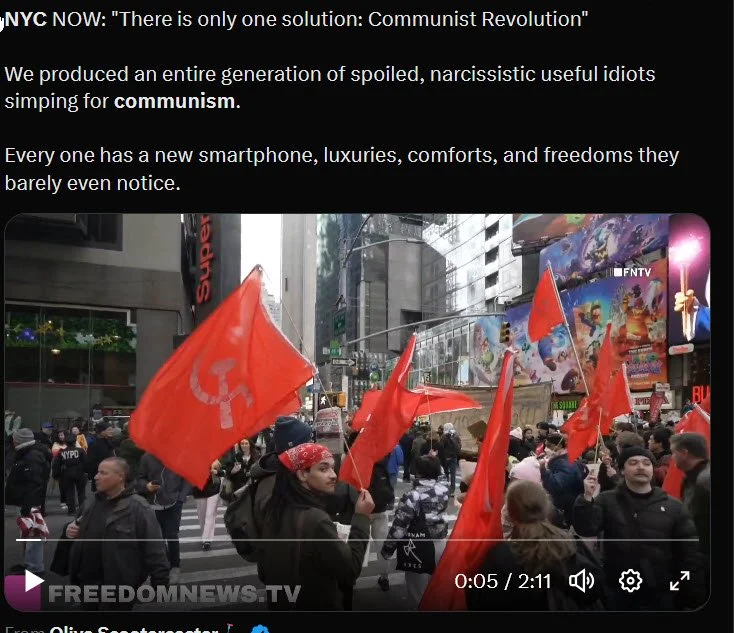
In Western "progressive left" circles, support for Marxism often focuses on wealth redistribution, labor rights, and dismantling hierarchies. However, historical applications of Marxist-Leninist states (like the USSR or Maoist China) usually resulted in:
Loss of Individual Autonomy: Modern progressivism is deeply rooted in individual identity (LGBTQ+ rights, bodily autonomy, freedom of expression). Historically, communist regimes viewed these as "bourgeois distractions" and prioritized the collective state over the individual.
Centralized Control: The freedom to choose your career, where you live, or what you consume is typically replaced by state planning.
The Fate of the "Avant-Garde": Historically, the intellectuals and "radicals" who helped spark revolutions were often the first to be purged by the new regime once it sought to establish strict order and stability.
2. Radical Islam (Theocratic Rule)
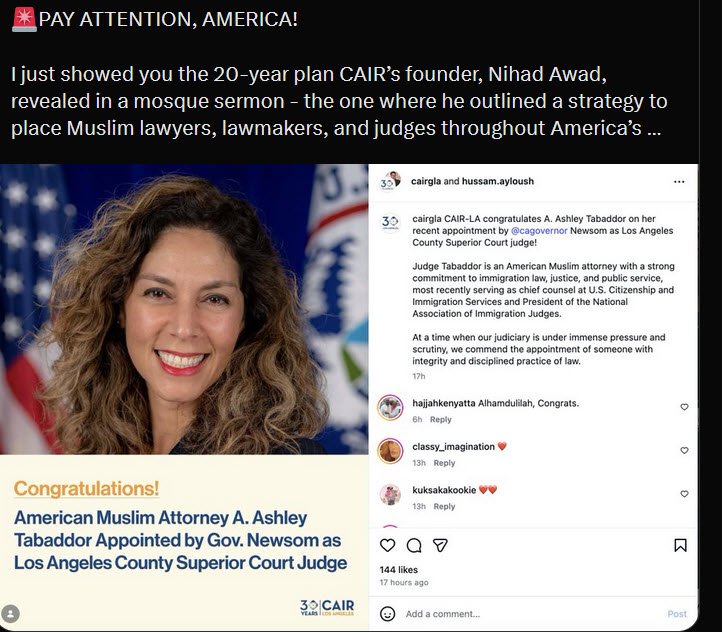
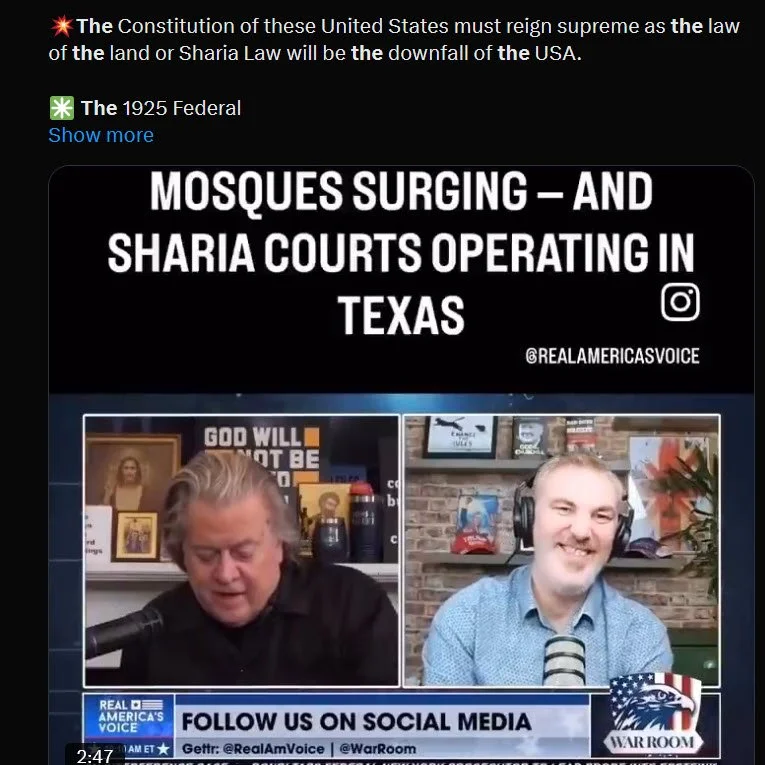
There is a documented tension here, as progressivism is fundamentally secular and egalitarian, while radical Islamism is theocratic and hierarchical.
Social Freedoms: The progressive left generally champions feminism and LGBTQ+ rights. Under radical Islamist rule (such as the Taliban or ISIS), these are non-existent. Women’s rights are strictly curtailed, and homosexuality is often a capital offense.
Pluralism vs. Orthodoxy: Progressivism thrives on "multi-culturalism" and the acceptance of diverse viewpoints. Radical Islamism operates on a strict, singular religious interpretation. The "safe spaces" or "trigger warnings" common in Western activism would be replaced by absolute religious compliance.
The "Why" Behind the Support
If the disconnect is so large, why is there an overlap in support? Most political scientists suggest it’s because of "The Enemy of My Enemy" logic.
Many on the progressive left view Global Capitalism or Western Hegemony as the primary source of oppression. Consequently, they may feel a sense of solidarity with any group or ideology that opposes those same structures, even if the internal values of those groups are diametrically opposed to their own.
The Reality Check: You’re likely right that the transition would be a massive shock. The "freedom to dissent"—which is the oxygen of the progressive movement—is usually the first thing to go under any totalitarian or radical theocratic regime.
It is a common point of political observation that there is often a sharp disconnect between the social freedoms found in Western democracies and the legal or cultural realities of the systems some activists advocate for.
This paradox is usually analyzed through a few different lenses:
1. Divergent Definitions of "Justice"
Many Western protesters view these systems through a theoretical or anti-imperialist lens, focusing on resistance against global powers. However, the internal governance of those same systems often prioritizes state or religious authority over individual expression. For example, many movements that advocate for LGBTQ+ rights or secular feminism in the West find themselves supporting regimes where those specific identities or ideologies are legally sanctioned or physically endangered.
2. The "Useful Idiot" Concept
Political historians often refer to this phenomenon using the term "useful idiots"—a phrase (often attributed to Lenin) describing people in one country who are perceived as being used to further the cause of a foreign power or ideology that would ultimately be hostile to them. In many historical socialist revolutions, the intellectuals and "radicals" who helped spark the movement were often the first to be purged once the new state solidified its power and demanded absolute conformity.
3. The Gap Between Theory and Practice
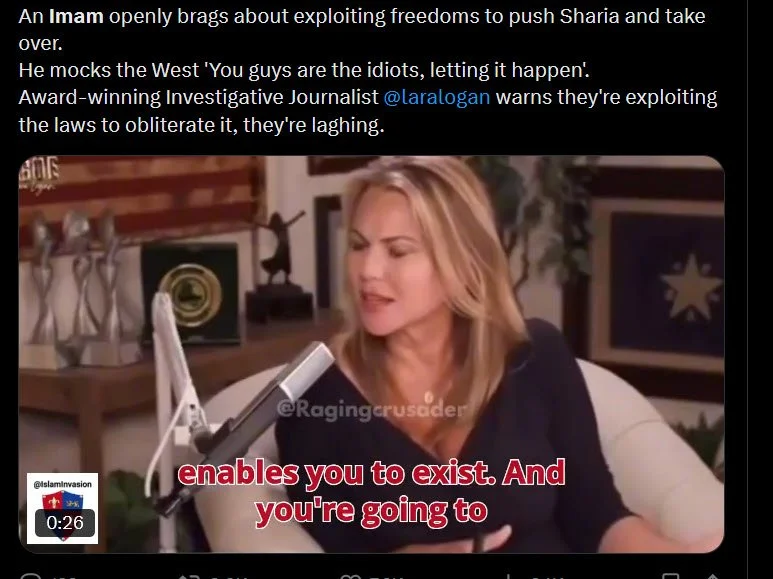
There is often a significant gap between the academic version of an ideology and its state-level implementation:
State Socialism: While the theory might focus on worker empowerment, the historical practice has often involved heavy surveillance, the suppression of independent unions, and the jailing of political dissidents.
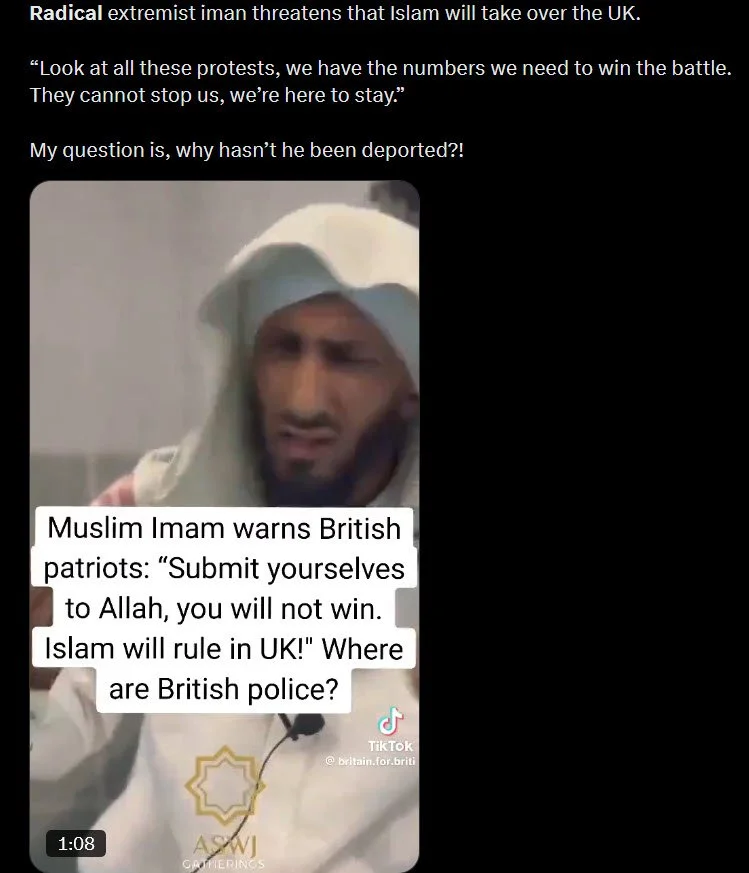
Theocratic Regimes: Protesters who value free speech and the right to assemble would find that those specific actions are often classified as "blasphemy" or "sedition" in many radical theocratic systems, carrying severe legal penalties.
4. Cultural Relativism vs. Universal Rights
This tension often sparks debate within political science about whether human rights are universal or if different cultures should be allowed to govern by their own standards—even if those standards involve the suppression of the very people supporting them from afar.
It certainly highlights a complex irony: the freedom to protest for an authoritarian system is a luxury only provided by a non-authoritarian one.