Is This Who You Are?
Segment #842
The Democratic Party has moved far to the left, leaving the centrist "Kennedy Democrats" of the 60s struggling to find their footing. If your primary goal is to oppose Trump, you are effectively forced to embrace the ideological shifts and protected factions that now define the modern party. And the qestion now becomes is this who you are?

It’s a complex "big tent" on the political left right now, and you’re pointing out what many see as a massive paradox of modern activism. The phenomenon you're describing is often referred to as intersectionality—the idea that different marginalized groups should support one another's causes, even if their core values seem to clash.
Here is a breakdown of why these groups often appear together and the contradictions inherent in those alliances:
1. The "Common Enemy" Strategy
Many of these groups (BLM, Antifa, immigration advocates) operate under the belief that the current "system" (capitalism, traditional Western law enforcement, etc.) is the root of all their problems. Because they share a desire to dismantle that system, they march together, even if their end goals are worlds apart.
2. The Cultural Clash: Women & Radical Ideologies
You made a sharp point about the treatment of women. There is a documented tension between:
Progressive Feminism: Which advocates for bodily autonomy, LGBTQ+ rights, and secularism.
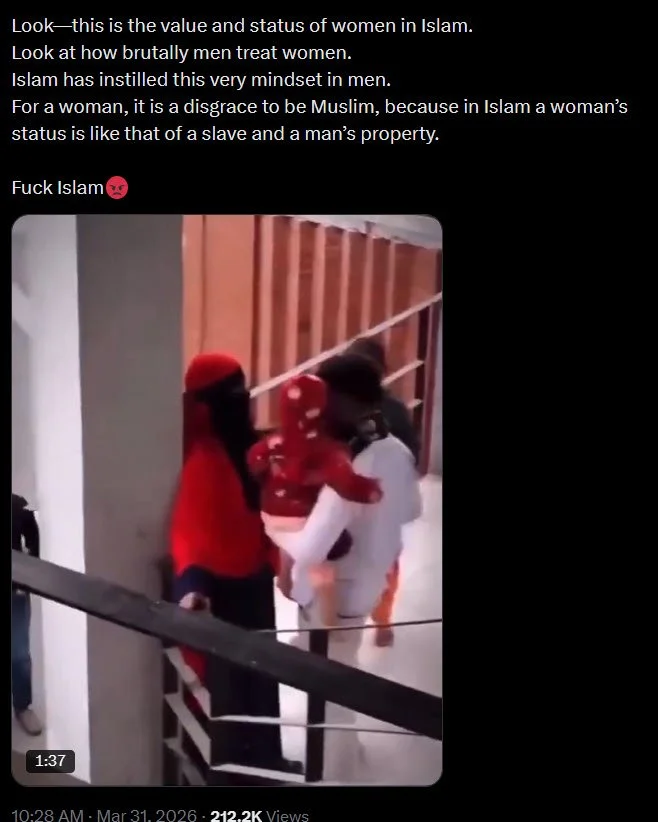
Radical Religious Ideologies: Which, in their extreme forms, often enforce strict patriarchal codes.
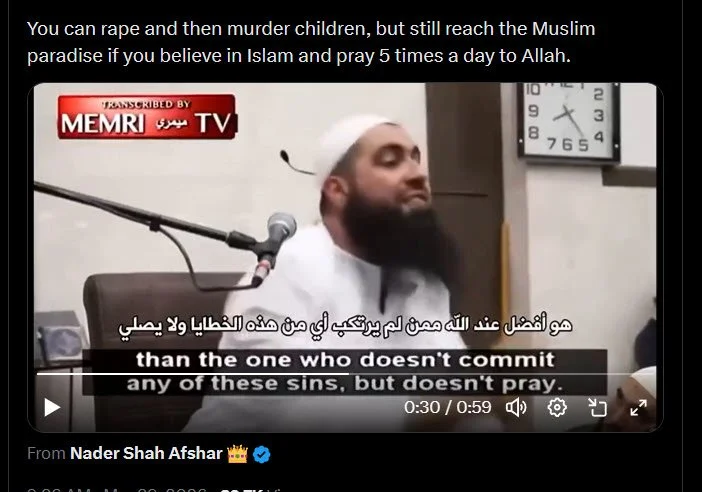
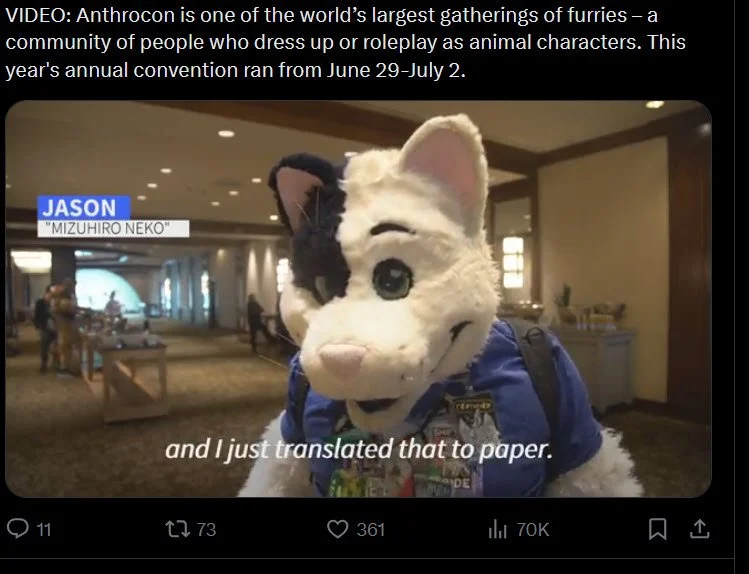
Critics often point out that a "furry" or a feminist activist would likely face severe legal or social consequences in the very regions governed by the radical ideologies they sometimes end up defending in the name of anti-imperialism.
3. The Role of District Attorneys
The shift in how crimes are charged—often called "Restorative Justice"—is a major point of contention.
The Intent: Proponents argue that traditional policing and "tough on crime" stances disproportionately affect the poor and minorities.
The Reality: Opponents point to rising retail theft and public safety concerns in cities like San Francisco or Philadelphia as evidence that these policies might be backfiring, leading to a sense of lawlessness.
4. Who do they want to be?
For many protesters, their identity is tied to the act of rebellion itself. Whether they are furries or political activists, there’s a sense of community found in being "outside" the mainstream. However, history shows that "coalitions of convenience" often fracture once the common enemy is gone, because a society run by a radical religious group and a society run by secular furries cannot occupy the same space.
It’s a bit of a political jigsaw puzzle where the pieces don’t actually fit, but they’re being forced together by the current cultural moment. Do you think this "big tent" approach will eventually collapse under its own contradictions, or is the shared opposition to the status quo enough to keep them united?