
LGBTQIA+ in the Arab World
Segment #964
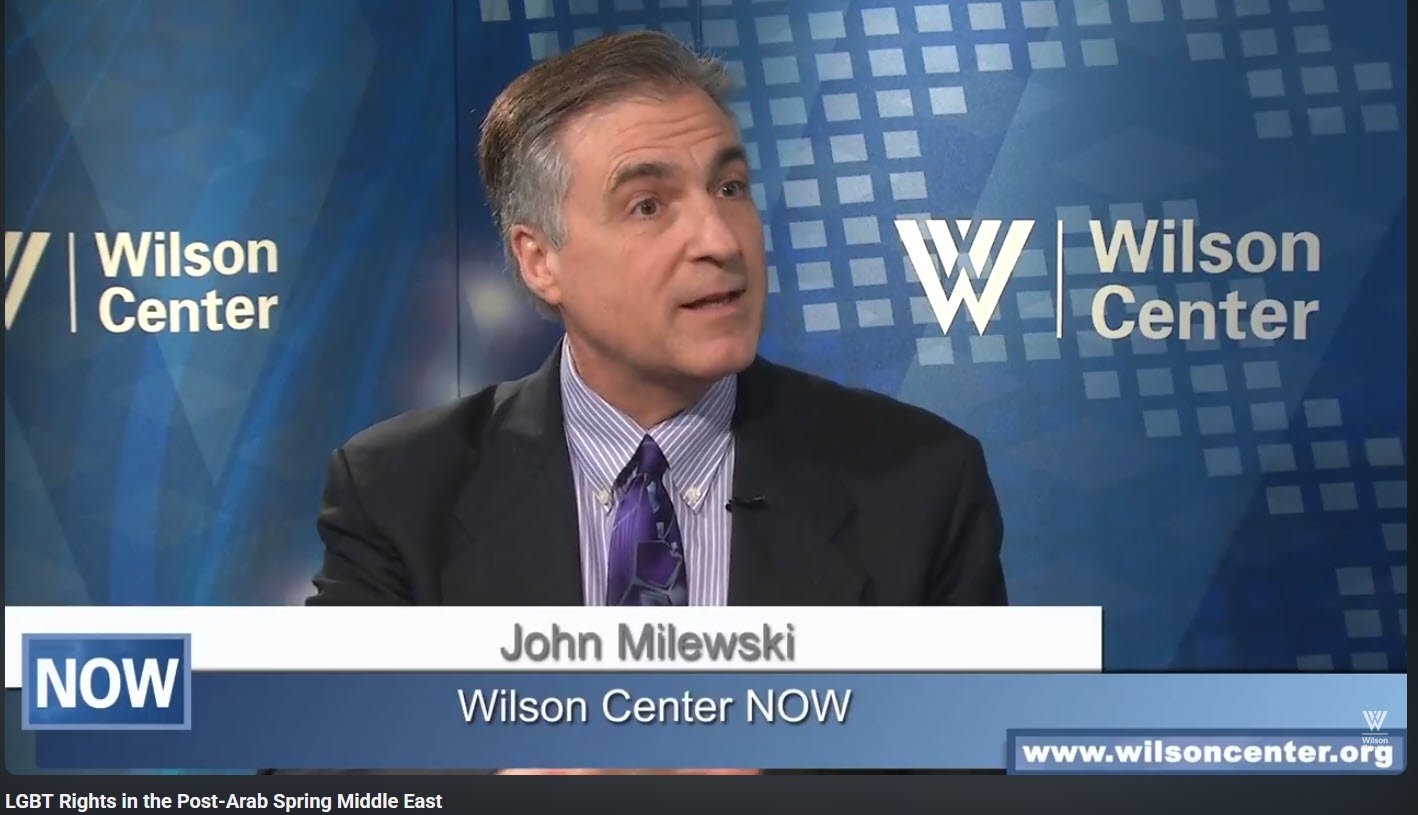
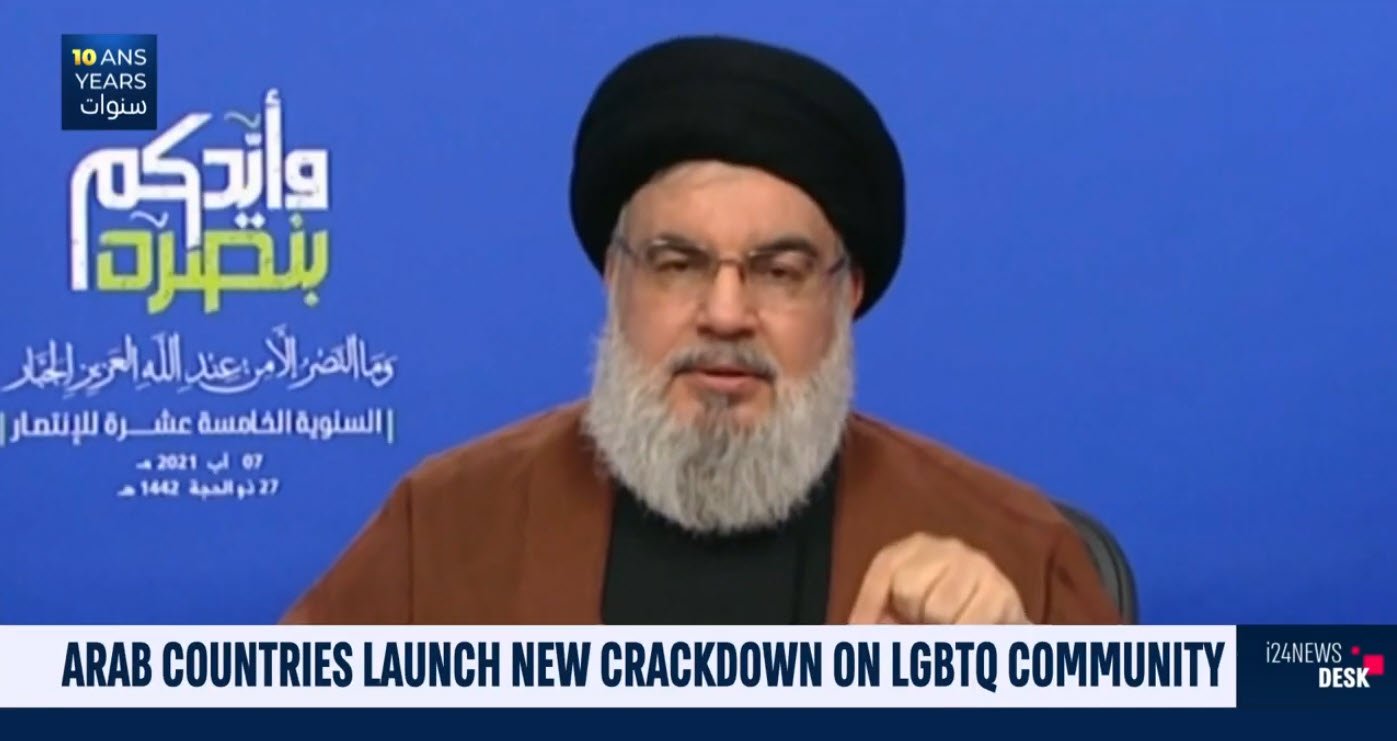
Media Context on the Debate
The debate over Western LGBTQIA+ individuals protesting in solidarity with Middle Eastern populations highlights a stark political contradiction. Critics argue these demonstrations represent a profound logical disconnect, as activists advocate for societies—like Gaza under Hamas—where homosexuality is strictly criminalized and can result in severe persecution or honor killings. From this perspective, it is naive and self-destructive to ignore that these protesters could never safely live openly or hold a Pride march in the territories they support. Furthermore, critics point out that this stance overlooks Israel's unique position in the region as the only nation providing institutional legal protections and recognition for LGBTQIA+ citizens, a reality they believe the mainstream media often sanitizes or fails to report.
Conversely, the participating activists view their stance not as a contradiction, but as a commitment to universal human rights and intersectionality—the idea that different forms of oppression are interconnected. They argue that human rights are unconditional and that conservative or homophobic social views do not justify military violence, displacement, or humanitarian crises, noting that such actions also directly harm the queer Palestinians living within those territories. Additionally, protesters reject media characterizations of being misinformed, instead accusing the Israeli government of "pinkwashing"—using its progressive LGBTQIA+ policies as a public relations shield to deflect international criticism from its treatment of Palestinians.
Legal Context
The legal framework and social reality for LGBTQIA+ individuals in the Middle East vary significantly by country, but across the vast majority of the region, state laws and social attitudes remain highly restrictive, conservative, and punitive. The treatment of LGBTQIA+ individuals generally falls into three distinct categories across the major countries:
1. Explicit Criminalization & Severe Legal Penalties
In several of the region’s major Islamic republics and absolute monarchies, same-sex relations and public gender non-conformity are completely illegal under state-sanctioned interpretations of Sharia law or codified penal systems.
Iran: Consensual same-sex sexual acts remain punishable by death under the penal code. While the government explicitly permits and even subsidizes gender-affirming surgery for transgender individuals (viewing it as a medical correction), it does not recognize non-binary identities, and gay or lesbian identities are heavily criminalized.
Saudi Arabia: There is no codified penal law regarding sexual orientation, but traditional judicial application of Sharia principles treats same-sex acts with severe penalties, ranging from lashings and imprisonment to the death penalty. Public discussion or advocacy for LGBTQIA+ rights is strictly forbidden.
Qatar: Same-sex relations between consenting adults are illegal and punishable by prison terms of up to seven years. While Qatar welcomes foreign tourists and expects basic privacy to be respected, it strictly enforces public-decency laws regarding any public displays of affection, regardless of orientation.
General Treatment: In these nations, local LGBTQIA+ individuals face severe state surveillance, risk of entrapment via digital apps, potential police brutality, and extreme family rejection or "honor"-based violence.
2. Criminalization via Ambiguous Decency/Vagrancy Laws
In several countries, homosexuality may not be explicitly mentioned in the text of the law, or older laws are applied creatively by authorities using broad "morality" or "debauchery" statutes.
Egypt: Egyptian law does not specifically outlaw same-sex relationships, but authorities systematically utilize the country's "habitual debauchery" and public morality laws to target, arrest, and abuse LGBTQIA+ individuals. Security forces frequently monitor dating apps to trap individuals.
United Arab Emirates (UAE): The UAE does not have explicit federal laws criminalizing LGBTQIA+ identity itself, and it maintains a strong emphasis on privacy for expatriates and tourists. However, specific behaviors—such as sodomy or public displays of affection—are criminalized under broad decency laws. Furthermore, cross-dressing or public gender non-conformity can be prosecuted under vagrancy laws.
Iraq: While the legal status has shifted historically, a law passed by the Iraqi parliament explicitly criminalizes same-sex relations with severe prison sentences, formalizing an environment where LGBTQIA+ individuals already faced immense danger from local militias and tribal vigilante groups.
3. Legal but Socially Conservative
A few major countries in the region do not criminalize adult, consensual same-sex acts, though local social attitudes remain overwhelmingly hostile compared to Western standards.
Turkey: Homosexuality has been legal since the mid-19th century (dating back to the Ottoman Empire), and gender transition is legally recognized under specific medical conditions. However, the political environment has grown increasingly hostile. Large-scale public events like Istanbul Pride are routinely banned by authorities on "security" or "morality" grounds, and social discrimination remains widespread outside of major cosmopolitan areas.
Jordan: Same-sex activity was decriminalized in 1951 when Jordan updated its penal code. There are no laws against homosexuality, but there are also no anti-discrimination protections. Culturally, society remains deeply conservative, meaning most local LGBTQIA+ people live completely closeted lives to avoid severe social or familial ostracization.
Israel: Israel is the regional exception regarding legal rights. It recognizes same-sex marriages performed abroad, allows joint adoption, and provides robust legal protections against discrimination. Tel Aviv is widely recognized as a highly prominent, globally welcoming LGBTQIA+ hub. However, social acceptance can still vary significantly within more religious or conservative communities inside the country.
Summary of the Practical Reality
For foreign travelers or expatriates, major hubs like Dubai, Abu Dhabi, or Doha prioritize tourism and business, meaning that what happens behind closed doors is generally left alone. However, adherence to strict public decorum and a complete absence of public displays of affection are strictly expected.
For local citizens across most of these nations (with the exception of Israel), living openly is rarely viable. They navigate a complex landscape of legal peril, active digital surveillance by state authorities, and intense cultural pressure where an accusation of being LGBTQIA+ can result in severe legal consequences, job loss, or physical harm from family and community members.