
DEI Rape of a 10 Year Old
Segment #965
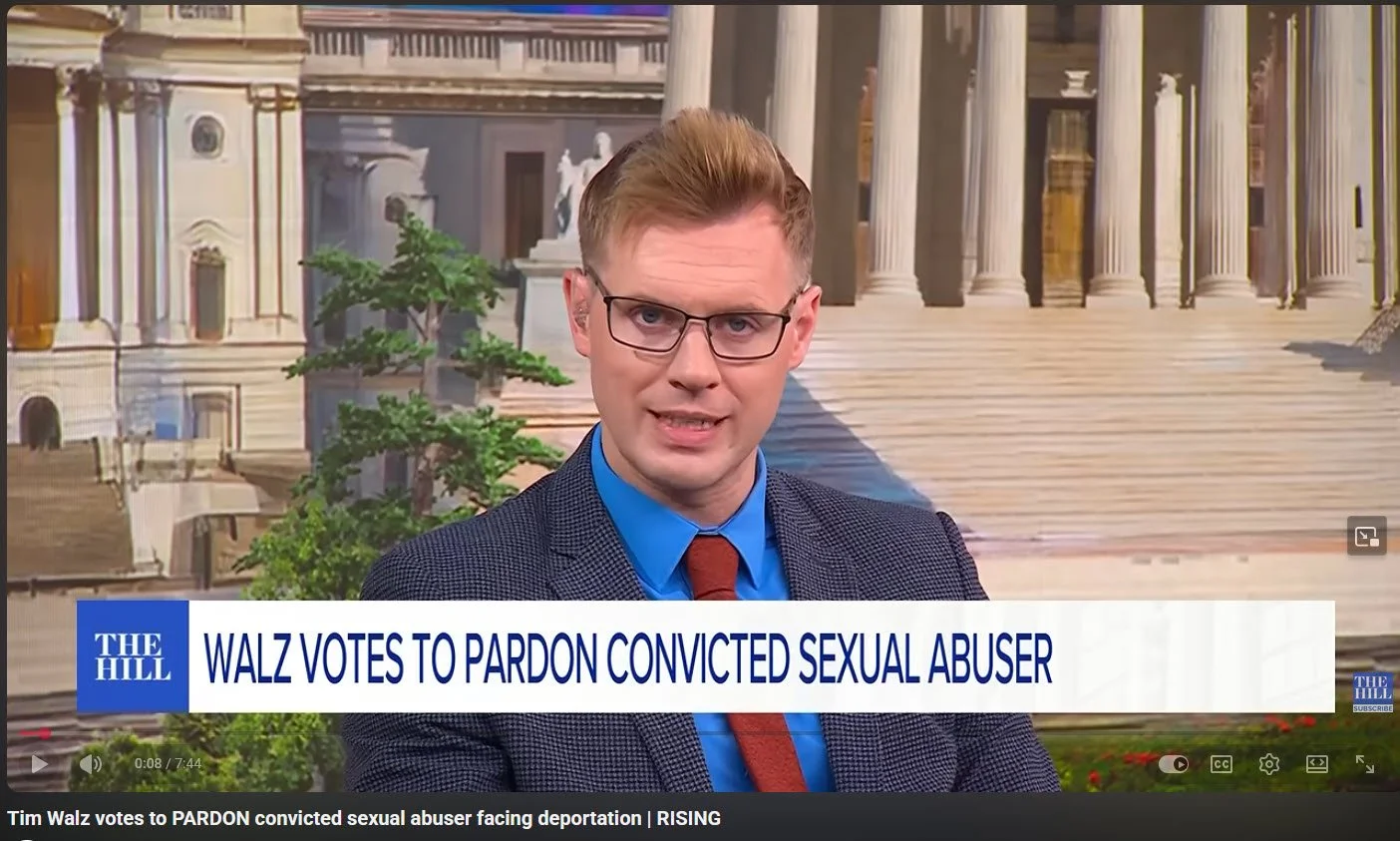
A highly contentious legal and political battle has unfolded following a unanimous decision by the Minnesota Board of Pardons to grant clemency to Tou Lue Vang, a 42-year-old Minnesota resident originally from Laos.The decision has triggered a sharp public dispute between federal immigration authorities and Minnesota state officials over Vang's scheduled deportation.
The Pardon and Regional Backlash
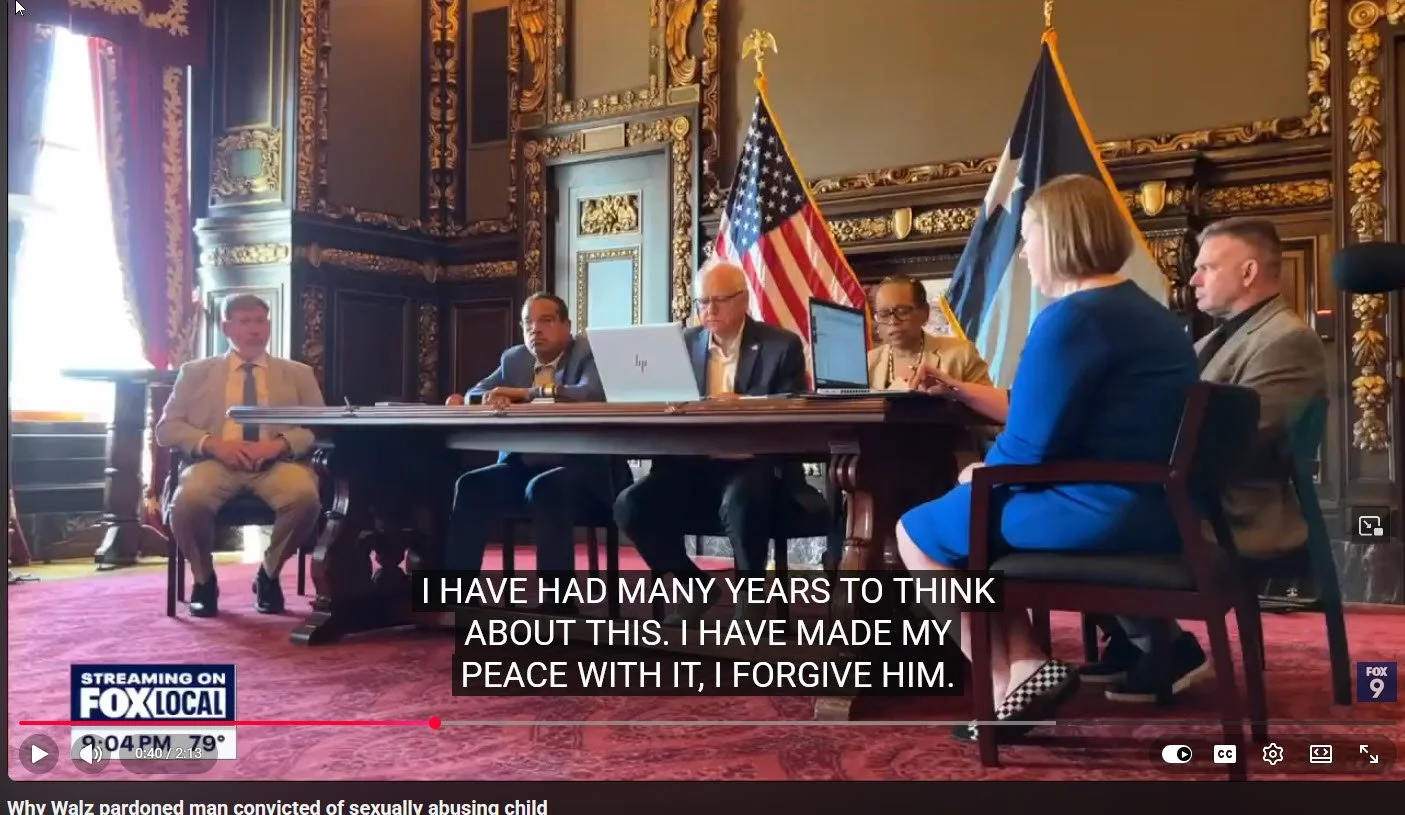
On June 10, 2026, the Minnesota Board of Pardons—consisting of Governor Tim Walz, Attorney General Keith Ellison, and Chief Supreme Court Justice Natalie Hudson—voted unanimously to grant a pardon to Vang.
The decision followed an exhaustive review process and a 4-2 recommendation to grant clemency from the state's nine-member Clemency Review Commission in April. According to state officials, a pivotal element in the board's decision was an explicit letter of forgiveness and support from the victim (now an adult), who wrote that she had made her peace with the past and requested that the board grant the pardon. Vang also submitted a letter expressing deep remorse, taking full responsibility for his actions, and noting that he has lived a responsible, community-focused life since his probation was discharged in 2019.
Federal officials, however, swiftly and sharply condemned the decision:
The Department of Homeland Security (DHS): Acting Assistant Secretary Lauren Bis released a strong statement condemning the move, calling the pardon an attempt to shield a convicted offender from federal immigration enforcement.
Immigration and Customs Enforcement (ICE): ICE confirmed that Vang's deportation had finally become viable due to a recent 2025 shift in diplomatic relations with Laos. The agency stated that the board's pardon occurred just one week before Vang was scheduled to be removed from the country.
Case Background & Legal Standing
Vang originally arrived in the United States from a Thai refugee camp in 1994 and was granted legal status.
2005–2006 Conviction: Vang pleaded guilty to first-degree criminal sexual conduct involving a 10-year-old girl (with offenses spanning 2002 to 2004). He was sentenced to 12 years (stayed), served time in a local workhouse, and completed 30 years of supervised probation, from which he was discharged early in March 2019.
Immigration Status: His legal status was revoked following the conviction, and a federal immigration judge issued a final order of removal on October 31, 2006. Because Laos refused to accept deportees for nearly two decades, Vang remained in the U.S., where he raised six children and worked as a machine operator.
Current Debate over Deportation
The ultimate impact of the pardon on Vang's immigration status remains a point of intense legal disagreement:
Federal Position: DHS asserts that the board's action strips away the core qualifying convictions that legally made Vang removable, effectively blocking ICE from executing the imminent deportation order.
State Position: Attorney General Keith Ellison’s office strongly pushed back against federal statements, countering that DHS is misrepresenting the legal scope of the action. The Attorney General's office stated that the pardon does not inherently restore Vang's green card or automatically protect him from federal immigration laws, and that federal authorities maintain their own jurisdictions.
The case continues to draw heavy national scrutiny, serving as a prominent flashpoint between state clemency powers and federal immigration mandates.