
Greenland - Why Do We Need It?
Segment #739
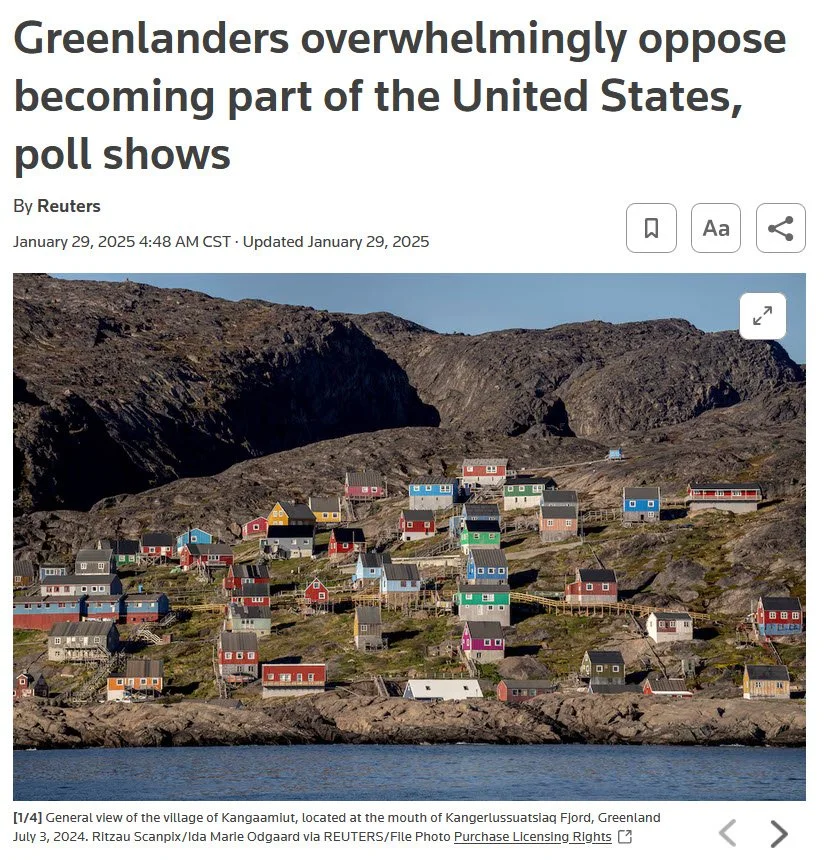
Sentiment of Greenlanders Toward Becoming Part of the U.S.Greenlanders overwhelmingly oppose becoming part of the United States. A January 2025 poll by Verian (commissioned by Berlingske and Sermitsiaq) found 85% against, only 6% in favor, and 9% undecided. This sentiment has been consistent, with leaders across parties repeatedly stating "Greenland is not for sale" and prioritizing independent sovereignty over alignment with any foreign power.Concise Version: Legal Status and Path to ChangeGreenland is an autonomous territory within the Kingdom of Denmark, which controls foreign affairs, defense, and sovereignty.
Greenlanders cannot unilaterally vote to transfer sovereignty to the U.S. or be "purchased" without Denmark's agreement.
Under the 2009 Self-Government Act, self-determination allows pursuit of full independence via:
A referendum in Greenland.
Negotiations with Denmark.
Approval by Greenland's parliament (Inatsisartut), a second referendum, and Denmark's parliament (Folketinget).
This process leads only to independence as a sovereign state—not direct transfer to another country. Any cession would require Denmark's voluntary consent and respect for self-determination principles under international law.In theory, a fully independent Greenland could later negotiate association or integration with the U.S., but current priorities focus on gradual independence from Denmark amid economic challenges, with no support for U.S. alignment (per 2025 polls and official statements). Recent U.S. proposals have been firmly rejected by both Greenlandic and Danish officials.
Why is Greenland Important
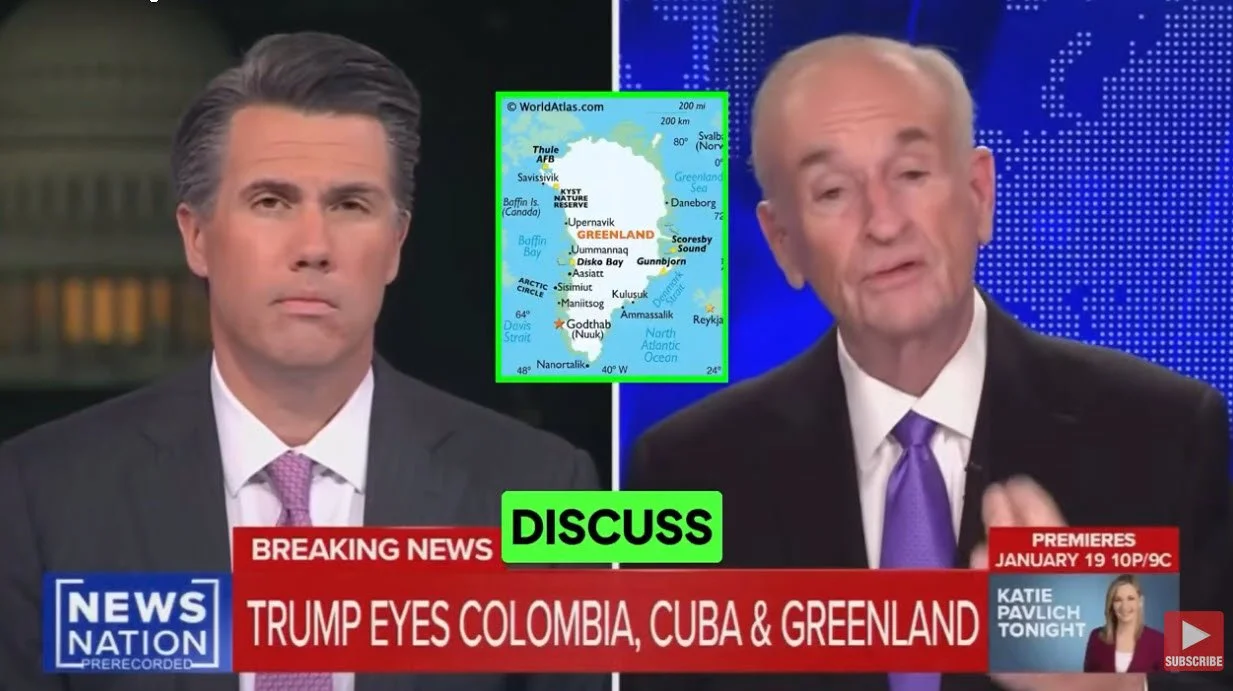
Dave Rubin of "The Rubin Report" talks about Bill O’Reilly revealing to NewsNation’s Leland Vittert the previously secret details of the Donald Trump’s meeting about taking Greenland from Denmark and what his real reason is for pursuing it; Jasmine Crockett making herself look like an idiot in front of the hosts of “The View” with her uninformed take on Donald Trump’s capture of Venezuela’s Nicolás Maduro; “The Daily Show’s” Jon Stewart pointing out Mark Kelly’s hypocrisy over telling troops to ignore illegal orders from Donald Trump, but failing to have the same concern for Obama’s illegal drone strikes; Kristi Noem telling Fox News’s Jesse Watters that Gavin Newsom is the next target for overseeing massive fraud in his state; Elon Musk hilarious attack on Gavin Newsom for allowing California crime to skyrocket; Donald Trump’s chilling warning to Republicans about what could happen if they don’t win the midterms; and much more.
Strategic Geopolitical Position
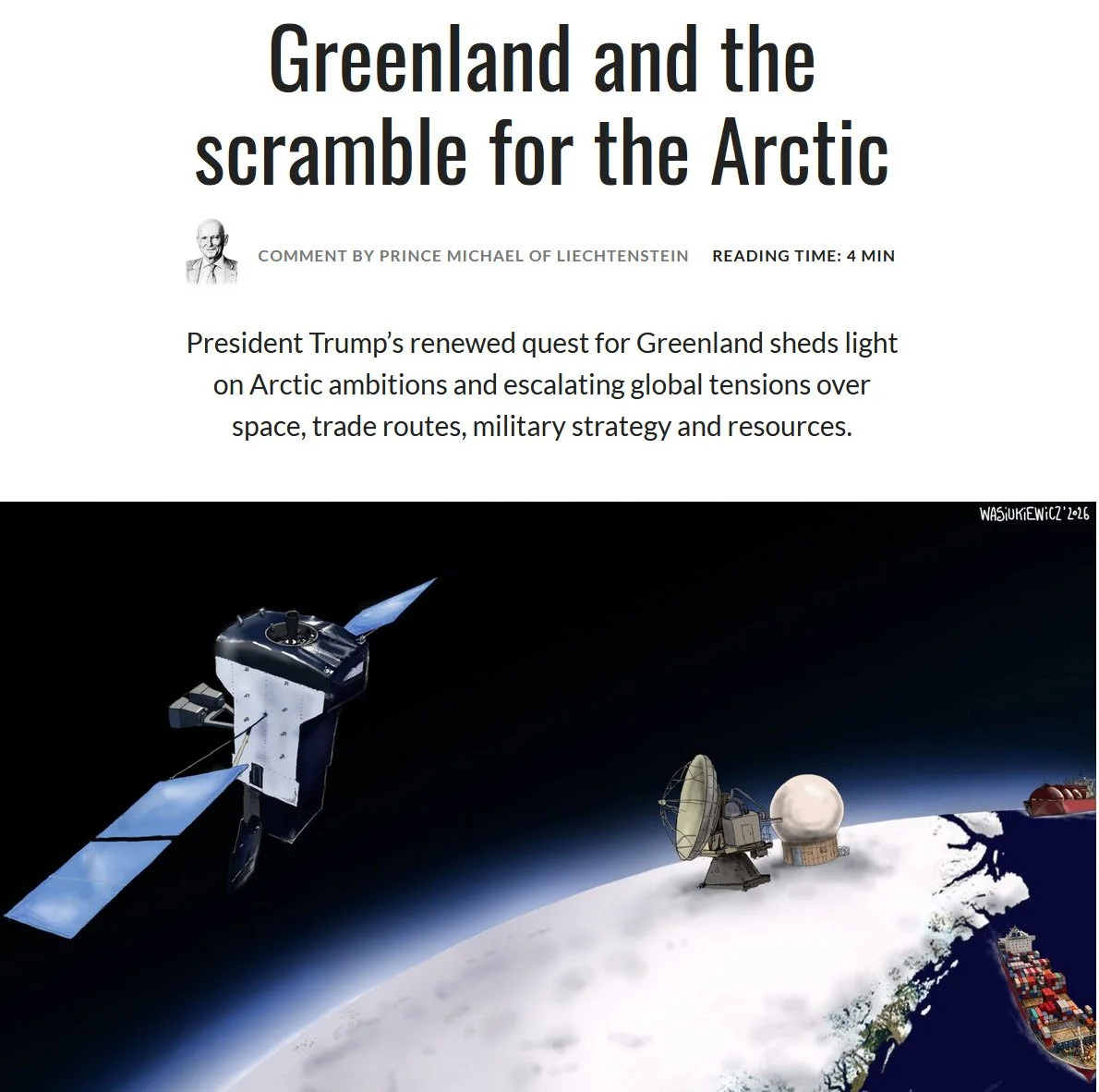
Greenland, the world's largest island, occupies a critical location in the North Atlantic and Arctic, situated between North America, Europe, and Russia. It forms part of the GIUK Gap (Greenland-Iceland-United Kingdom), a key maritime chokepoint for controlling access between the Arctic Ocean and the Atlantic. This position is vital for monitoring submarine movements, ballistic missile trajectories, and naval activities, particularly from Russia.The U.S. maintains Pituffik Space Base (formerly Thule Air Base) in northwestern Greenland, its northernmost military installation. Operated under a 1951 defense agreement with Denmark, the base hosts ballistic missile early warning systems, space surveillance, and satellite control capabilities essential for detecting ICBM launches and tracking space debris. It supports North American homeland defense and NATO operations.As Arctic ice melts due to climate change, new shipping routes—such as the Northwest Passage and potential Transpolar Sea Route—are emerging, shortening trade paths between Europe and Asia. Control over Greenland would allow the U.S. to influence these routes, enhancing economic security while countering Russian and Chinese naval expansion in the region.
Military and Defense Implications
Greenland's role in U.S. national security dates to World War II and the Cold War, when it served as a staging point against Soviet threats. Today, Russia has remilitarized its Arctic territories, rebuilding bases and increasing submarine and air patrols. China, declaring itself a "near-Arctic state," pursues a "Polar Silk Road" and conducts joint exercises with Russia.U.S. officials argue that Danish oversight is insufficient, citing perceived vulnerabilities to adversary influence. The Trump administration (as of January 2026) has declared acquiring Greenland a "national security priority" to deter Russia and China, with options including purchase or military action openly discussed—though this has strained NATO relations, as Denmark is an ally.Experts note that the U.S. already enjoys extensive access via existing agreements, and full control might not add significant military value beyond current capabilities. However, direct ownership could prevent any future restrictions and secure long-term dominance in the Arctic.
Critical Minerals and Resource Security
Greenland holds vast untapped deposits of rare earth elements (REEs), lithium, graphite, and other minerals essential for electric vehicles, wind turbines, batteries, and defense technologies (e.g., magnets in missiles and fighters). China dominates global REE production and processing (~90%), using export controls as leverage.Greenland's reserves, estimated at 1.5 million metric tons of REEs, represent a potential Western alternative to reduce dependency on China. Melting ice is making these resources more accessible, though extraction faces challenges: harsh terrain, infrastructure gaps, environmental regulations, and local opposition (e.g., uranium mining bans).Securing these minerals aligns with U.S. economic and national security goals, supporting supply chain resilience for high-tech and green industries.Emerging Threats and Competition
Russia — Focuses on its Northern Sea Route and militarization; Greenland helps monitor Russian Arctic activities.
China — Past investment attempts in infrastructure (often blocked due to dual-use concerns); joint Arctic projects with Russia raise fears of influence.
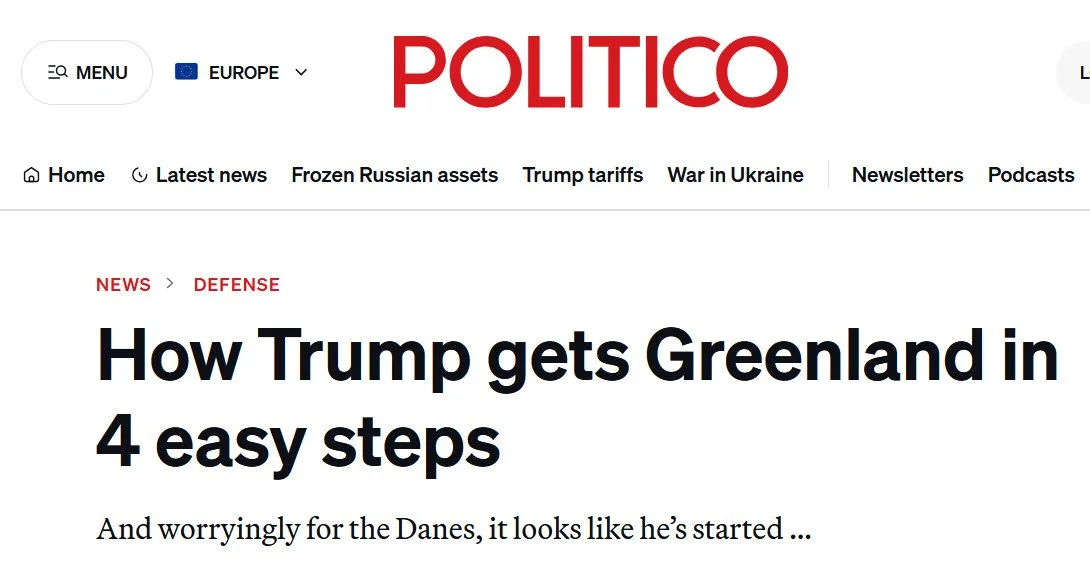
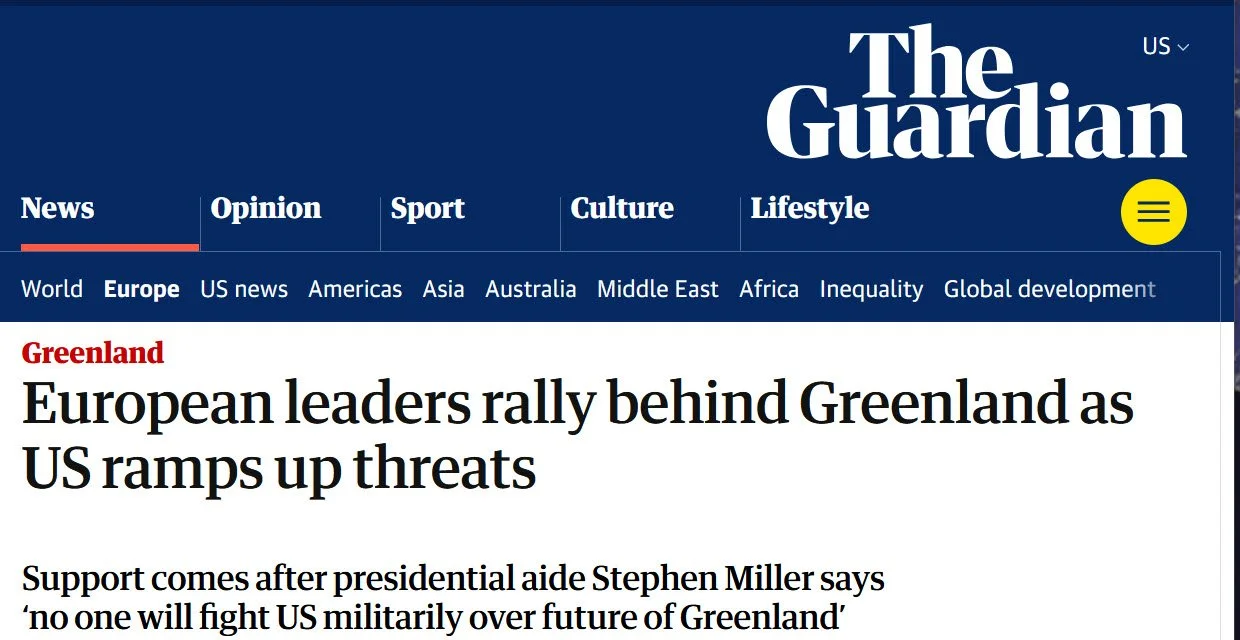
Claims of Greenland being "covered with Russian and Chinese ships" have been made but lack verification from vessel tracking data. Danish officials assert no immediate military threat, emphasizing cooperation.Current U.S. Policy Context (January 2026)President Trump has revived calls for U.S. control, citing national security amid perceived Arctic vulnerabilities. The White House states options range from negotiation to military use, though Secretary of State Rubio has emphasized purchase. European leaders and Denmark reject this, affirming Greenland's sovereignty and NATO collective defense.Greenlanders overwhelmingly oppose U.S. acquisition, prioritizing self-determination and potential independence from Denmark.Summary of U.S. National Security Interests
Aspect
Key Importance to U.S. Security
Potential Risks if Not Addressed
Military Basing
Missile warning, space surveillance at Pituffik
Reduced early detection of threats
Arctic Control
Influence over GIUK Gap and emerging routes
Adversary dominance in navigation/military access
Resource Access
REEs and minerals for defense/tech supply chains
Continued China dependency
Adversary Deterrence
Counter Russia/China Arctic expansion
Increased great-power competition in region
Greenland's value to U.S. security is undeniable and growing with climate-driven changes, but achieving greater control risks alliances and international norms. Enhanced cooperation with Denmark and Greenland—via investment and diplomacy—could address concerns without escalation.