
Segment #931
The point of extremis is that exact moment where failing to act guarantees the outcome, regardless of what happens next.
The Geopolitical Countdown: Why Iran Won't Negotiate and Where the Gulf Crisis Goes Next
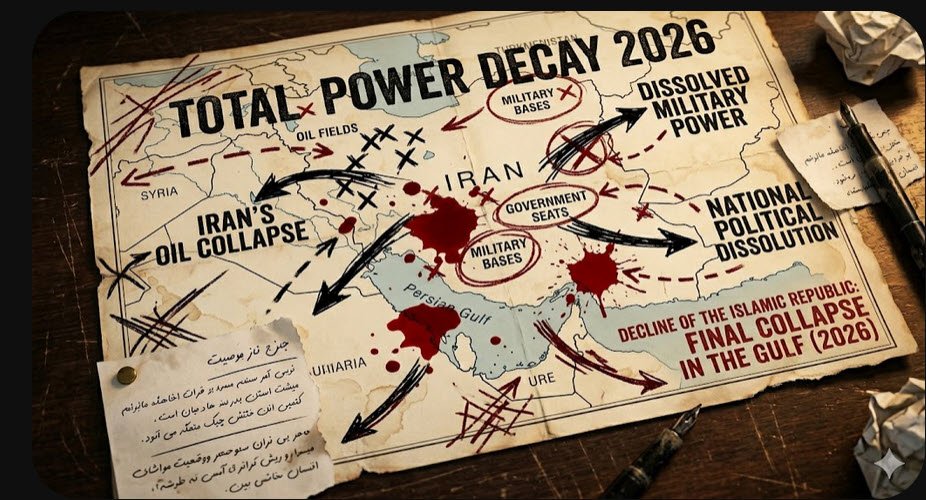
The escalating confrontation in the Persian Gulf has moved past the phase of diplomatic jockeying. With a rigid U.S. naval blockade strangling the Strait of Hormuz and Iran launching direct missile strikes to disrupt the status quo, the timeline for an absolute physical and economic break point is no longer a matter of months, but weeks.
Tehran is intentionally dragging out indirect talks in Oman and refusing to capitulate to Washington's strict terms. While this looks like irrational defiance, a deep look at the structural math and the regime's internal logic reveals exactly why they are refusing to negotiate—and where this crisis is headed.
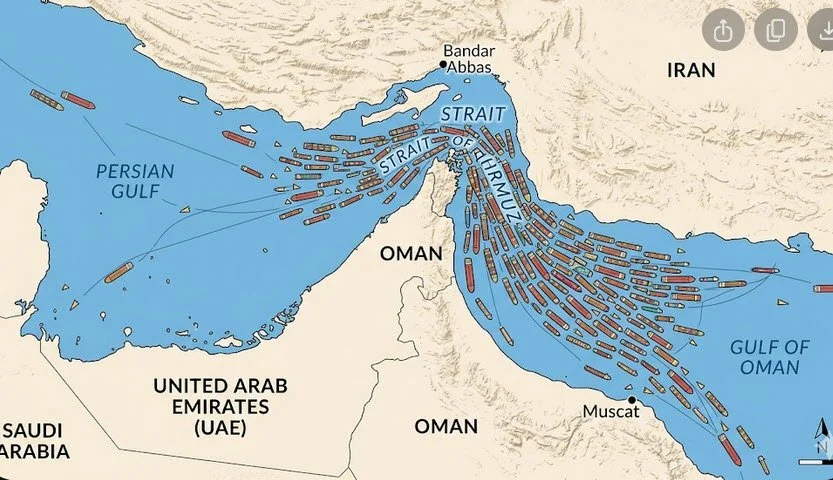
Status of Shipping Inside and Outside the Strait of Hormuz
Nobody is discussing this issue which is becoming critical. I asked a close friend who has been in maritime shipping for over four decades for his comments;
It is estimated that about 2000-2500 ships are blocked due to the closure of the SoH, and while everyone is concerned about this stoppage, the real concern in the maritime community is the 20,000 seafarers stranded and their mental and physical health that are trapped unable to have crew changes and or be exported from this war torn region, now going on four months . There are limited humanitarian operations ongoing from Oman, and the region but the resources are not there for a sustained and effective response for this cause. Nobody talks about this. Each ship is required to have an AIS (automatic identification system) worldwide and many have this system turned off due to tracking and location information which could potentially identify as a target, due to their cargo i.e. oil or chemicals or LNG, or cargo mission driven. Although it’s a violation to turn off the AIS identification tracking and visual radar citing make it more difficult to see their exact locations or count
And there are daily passages but from small vessels able to hug the Oman coast with shallow draft restrictions .,,
Once the SoH opens the reluctance of getting trapped again will have an impact by the major ship operating companies. And it is the discretion of each Master of each ship to determine if he/she will agree to operating the ship in those waters for the safety of life at sea conditions. So, not only is the shipping company weighing this decision, the Master must also determine if he is willing to risk his reputation, this crew, the equipment operating inside a known war risk zone not to mention the insurance costs for the voyage and even if coverable by the underwriters. Normally, war risk insurance during non active time runs about .05 % of the value of the ship. Assuming a ship’s value is abt 75-100m USD the war risk insurance would cost abt USD 100k to 250k per one way voyage however, during elevated times, or hot zones like the SoH and active conflict is ongoing with elevated likelyhood of direct strikes the rate skyrockets to as much as 5% + of the value of the ship making that transit economically non-viable , USD 5-10m per transit.
Concerns: So many things working against free and open passage in the SoH;
1. Fear of sustained ship (asset) entrapment.
2. Fear of crew being held hostage
3. Demurrage cost for the owner / charterer and if recoverable?
4. Insurance war risk costs and or potentially maritime policy being cancelled due to operating restrictions or limits placed by underwriters.
5. Drone strikes
6. Sea mines planted
7. Ship seized and or cargo seized by US or Foreign entities
8. Enviornmental hazard potential oil spill or sinkage causing a salvage or obstruction for navigational limits, not counting the underwater seabed cables of internet and telephone communications for the region including ME. Africa, and India. Mostly owned by the internet companies.,,, not effecting the US so much but could have some spillover.
9. Not to mention the Iranians placing a ‘toll’ on each passage similar to the Suez Canal fee and this range is upward of USD 1+m per vessel and with 40-50 ships passing pday doesn’t take too long for this to add up !?!
Where We Are: The Hard Structural Math
The narrative that Iran can indefinitely coast by simply slowing down its oil production is dismantled by the physical limits of its energy infrastructure.
The 40-Day Storage Wall
Iran has aggressively choked back extraction—slashing crude production by roughly 800,000 barrels per day (bpd)—to buy time. Yet, the physical bounds of their network are unyielding:
The Operational Limits: Iran’s true onshore crude storage capacity is 124 million barrels, but due to safety and pipeline fluid dynamics, tanks hit a functional maximum ("tank tops") at 80% capacity (99.2 million barrels).
The Daily Surplus: Pre-blockade exports of 1.8 mbd have cratered by over 84% down to roughly 250,000 bpd. Even with production cuts, Iran is forcing a surplus of 750,000 barrels into storage every single day.
The Absolute Break Point: With current inventories saturated near 68 million barrels, Iran has only 31.2 million barrels of available spare capacity left.
[Total Operational Maximum: 99.2M Barrels]
  ├── Current Saturated Inventory: 68.0M Barrels
  └── Remaining Spare Capacity:    31.2M Barrels
          │
          ▼
   [Daily Inflow: +750,000 Barrels] ──► Full Operational Halt in ~41 Days
In roughly 40 days, their alternatives disappear. Once capacity hits zero, full well shut-ins become mandatory. Unlike turning off a faucet, forcing a shutdown in mature fields like Gachsaran and Marun permanently destroys subterranean reservoir pressure, threatening to obliterate up to 500,000 bpd of Iran's long-term production capacity forever.
The Economic Shield
The combination of frozen assets, hyper-tariffs, and the naval blockade has triggered a systemic fiscal collapse. The parallel market exchange rate has plummeted to 1.5 million Rial per $1 USD, real food inflation exceeds 65%, and the state faces a massive 950 trillion Toman (~$26B) structural deficit.
However, the regime survives by cannibalizing its own long-term wealth. The government has increased the military and IRGC share of remaining oil revenues fourfold, liquidating 65% of its National Development Fund to guarantee that domestic security forces and internal cyber-defense networks are paid in full. They are letting the civilian population starve to keep the regime's guard rails funded.
Why Iran Refuses to Negotiate in Good Faith
From a tactical perspective, it seems logical for Iran to sign a deal, lift the blockade, reclaim its frozen funds, and secretly buy or build nuclear weapons later. Yet, Tehran views a "sign now, cheat later" strategy as a fatal trap for three core reasons:
The "Libya Trap": The IRGC leadership is obsessed with the fate of Muammar Gaddafi, who surrendered his nuclear program in 2003 for sanctions relief, only to be overthrown and killed by a Western-backed intervention less than a decade later. To Tehran, surrendering physical assets means eventual regime change.
No Turnkey Nuclear Market: Iran cannot simply buy functional nuclear warheads from its allies. While Russia and China use Iran as a geopolitical counterweight to the U.S., neither wants a volatile, nuclear-armed Islamic republic disrupting their own regional spheres of influence or energy routes in the Middle East.
The Vulnerability of "Snapback" Sanctions: Modern treaties carry automatic "snapback" mechanisms. If Iran signs a deal and is caught cheating, international sanctions instantly return without a vote. Furthermore, the U.S. has threatened to permanently seize frozen assets to pay for regional drone and missile damages, meaning Iran would never get a giant, unconditional lump-sum payout.
Where We Are Going: Escalate to De-escalate
Because the quiet, suffocating pressure of the naval blockade is structurally destroying Iran without a shot being fired, the regime’s only move is to shatter the status quo. This explains their choice to launch direct missile barrages at Israel and target Gulf infrastructure.
[U.S. Naval Blockade] ──► Suffocates Iranian Economy & Storage (40-Day Fuse)
       │
       ▼
[Iran Launches Missile Strikes] ──► Sparks Regional Kinetic Conflict
       │
       ▼
[Global Market Panic] ──► Pushes Brent Crude Past $120/Barrel
       │
       ▼
[Tehran's Goal] ──► Force the West to Blink, Lift Sanctions, and Demand a Ceasefire
Iran Frozen Assets Distributed by US
The U.S. Treasury Department is actively weighing plans to divert frozen Iranian assets to pay for rebuilding and repair costs in Gulf partner nations affected by Iranian missile and drone strikes
Treasury Secretary Scott Bessent has directed a team to assess the financial toll of damage already inflicted on regional allies—including Kuwait and Bahrain—since the conflict escalated. The administration is exploring all available legal authorities to make these assets accessible, not just for past destruction, but also to cover infrastructure repairs from any potential future attack. The exact nature of the targeted property remains fluid; officials are evaluating everything from liquid funds sitting in frozen foreign bank accounts to hard physical assets, such as seized oil tankers.
Major Strategic Implications
Stalled Peace Negotiations: This move introduces a massive hurdle to back-channel diplomacy. Iran has consistently maintained that a peace framework hinges on the relaxation of sanctions and the unfreezing of its assets—specifically demanding the return of $24 billion.
Escalating Tensions: The proposal has drawn swift condemnation from Tehran. Iran’s Deputy Foreign Minister, Kazem Gharibabadi, publicly rejected the plan, stating that Iranian assets are "neither war spoils for Washington nor a payment fund for its allies," warning that any asset seizure constitutes an internationally wrongful act.
Securing the Gulf: For the U.S., the strategy is a direct attempt to reassure Gulf partners, ease their economic burdens, and hold Tehran financially accountable for regional aggression—all while localized military exchanges continue to test the limits of fragile, nominal ceasefires near the strategic Strait of Hormuz.
Analyzing the geopolitical landscape for the next 90 days across Russia, Iran, China, and the United States reveals a high-probability outlook where the lines between diplomatic leverage and military action have blurred entirely. We are in an era where kinetic strikes are used as direct negotiating chips, and economic warfare dictates military postures.
Probable Outcomes Diplomatic and Military - Next 90 Days
Iran & The Middle East: High-Intensity Resurgence
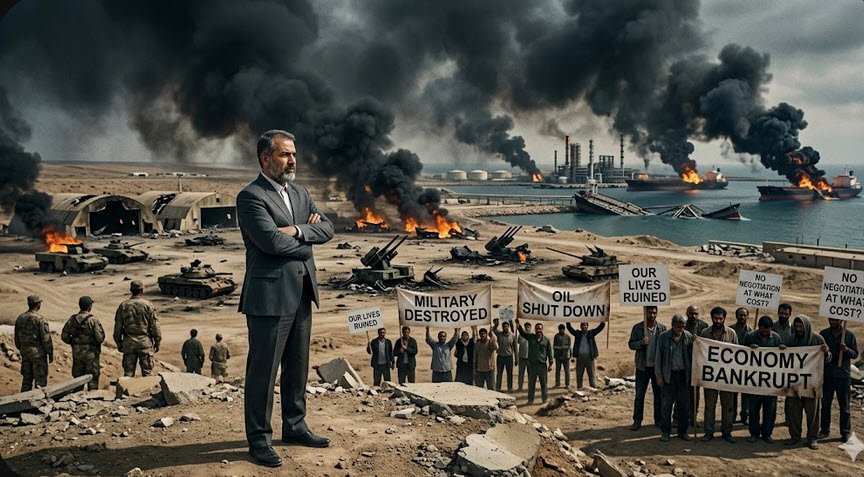
The nominal, fragile ceasefires holding since early April have shattered. The region has entered a highly volatile 90-day window where military retaliation directly dictates diplomatic positioning.
Military Outcome (Very High Probability): Expect a continuous, intense cycle of tit-for-tat exchanges between Israel and Iran, with immediate risk to U.S. regional assets. Iran's latest missile barrages—retaliating for strikes in Beirut—and threats against U.S. bases mean localized containment is no longer viable. The Strait of Hormuz will see heightened drone and naval friction as Iran attempts to assert choke-point control.
Diplomatic Outcome (Moderate Probability): Back-channel diplomacy is at a near-deadlock but not dead. While the U.S. explores aggressive leverage (like using frozen Iranian assets to pay for Gulf ally damages), backchannels via Pakistan, Egypt, and Qatar will remain open. However, Iran will refuse any formal grand bargain unless billions in asset freezes are relaxed—a concession the U.S. is highly unlikely to grant in the next three months.
The United States: Transactional Assertiveness

https://www.youtube.com/shorts/3xlGNuXqJlE?feature=share
The woman featured in the video is Helga Zepp-LaRouche, a German political activist and the founder of the Schiller Institute. he channel, Promethean Action, frequently publishes content featuring her and other representatives discussing global geopolitics, economic policy, and international relations from a LaRouche movement perspective.
The U.S. administration is operating a heavily centralized, interventionist foreign policy that treats trade, frozen assets, and military presence as fluid bargaining tools.
Military Outcome (High Probability): The U.S. will maintain a highly active defensive posture in the Gulf and Eastern Mediterranean. Central Command (CENTCOM) will continue using direct kinetic force to intercept Iranian one-way attack drones and ballistic missiles aimed at regional allies, coupled with targeted retaliatory strikes against radar and missile launch sites (such as Qeshm Island).
Diplomatic/Economic Outcome (Very High Probability): A sharp escalation in transactional economic warfare. The U.S. will advance plans to redirect frozen assets to offset regional damages while simultaneously imposing broader, aggressive tariff packages. The overarching strategy is "peace through leverage"—forcing adversaries to the negotiating table by imposing extreme financial pain.
Russia: The Arms Dealer and Chaos Agent
Russia’s military forces are entirely tied up in the ongoing territorial gridlock in Ukraine, leaving Moscow with zero conventional naval capability to project into the Persian Gulf to fight the U.S. Navy. However, Russia wants the U.S. bogged down in a draining Middle Eastern war.
Direct Military Intervention (Near-Zero Probability): Russia will not send surface fleets into the Gulf to engage U.S. Central Command (CENTCOM).
Proximate and Intelligence Warfare (Very High Probability): Russia’s solution is to arm and inform Iran to do the heavy lifting. Moscow has aggressively expanded satellite intelligence-sharing with Tehran—recently tracking Western assets across the region. Furthermore, Russia is actively delivering advanced fiber-optic drone tech, fighter jet training, and MANPADS (man-portable air-defense systems) to Iran.
China: Strategic Friction and Economic Shields
Beijing is carefully navigating a highly protectionist U.S. stance while managing its own industrial overcapacity.
Military Outcome (Low-to-Moderate Probability of Kinetic Action): A direct military invasion or blockade of Taiwan remains unlikely in this short 90-day window. Instead, expect a high volume of grey-zone military maneuvers, airspace incursions, and naval posturing in the South China Sea, especially as Washington keeps the door open for high-level diplomatic contact with Taipei.
Diplomatic/Economic Outcome (High Probability): The trade war will deepen. Faced with sweeping U.S. tariffs, China will double down on diversifying its economic dependencies, fast-tracking regional trade pacts with Southeast Asia and exploring closer ties with U.S. neighbors (like Canada). Simultaneously, Beijing will weaponize its supply chain bottlenecks—tightening export controls on critical minerals and rare earth elements to signal to Washington that economic isolation carries a devastating cost for Western tech and defense manufacturing.
The Military Red Line (Low Probability of Direct Clash): China will not command its warships to fire on U.S. blockading vessels to force tankers through. Doing so would risk an immediate, wider war in the Indo-Pacific that Beijing is not ready for.
he Shadow Solution (High Probability): Rather than a "break the blockade" battle, expect China’s naval presence in the Gulf of Oman to serve as a deterrent shield. They will use joint maneuvers (like the recent Maritime Security Belt exercises) to guard Chinese-flagged vessels outside the immediate blockade zone, while relying on Iran’s "shadow fleet" of stateless, spoofed tankers to clandestinely slip through U.S. nets.
The Diplomatic Leverage: China will use its financial and diplomatic leverage to pressure Washington into a modified ceasefire, rather than utilizing raw naval firepower.
The 90-Day Bottom Line: Do not look for sweeping peace treaties or catastrophic global wars by September. Instead, expect a world operating in extremis—where the U.S. and its adversaries push right to the edge of the breaking point, using controlled military escalations and intense economic coercion to see who blinks first at the negotiating table.
Direct Military vs. Asymmetric Probability Index
Country Action90-Day Probability Strategic Objective
China Direct Kinetic Attack on U.S. Blockade< 1% Avoid World War III and catastrophic economic decoupling
China Grey-Zone Escorts & Diplomatic Pressure85% Secure 30% of its oil supply via backchannels and legal pressure.
Russia Direct Naval Deployment to Break Blockade< 1% Prevent overextension while tied down in Ukraine.
Russia Proxy Arming & Satellite Target Intel95% Deplete U.S. military resources and distract Washington from Europe.