
Segment #916
The current rift within NATO is arguably the most severe structural crisis the alliance has faced since its founding in 1949. The friction point is no longer just about defense budgets; it has fundamentally shifted to a clash over national sovereignty, theater priorities, and divergent threats. The strategic landscape is fracturing along several key lines.
The Red Line: Base Access and the Iran Conflict
The immediate catalyst for the current troop withdrawals is a direct dispute over the use of European military infrastructure.
The Standoff: With the U.S. engaged in active kinetic operations against Iran, Washington requested operational access to key joint bases across Europe—including installations in Spain, the UK, and Portugal.
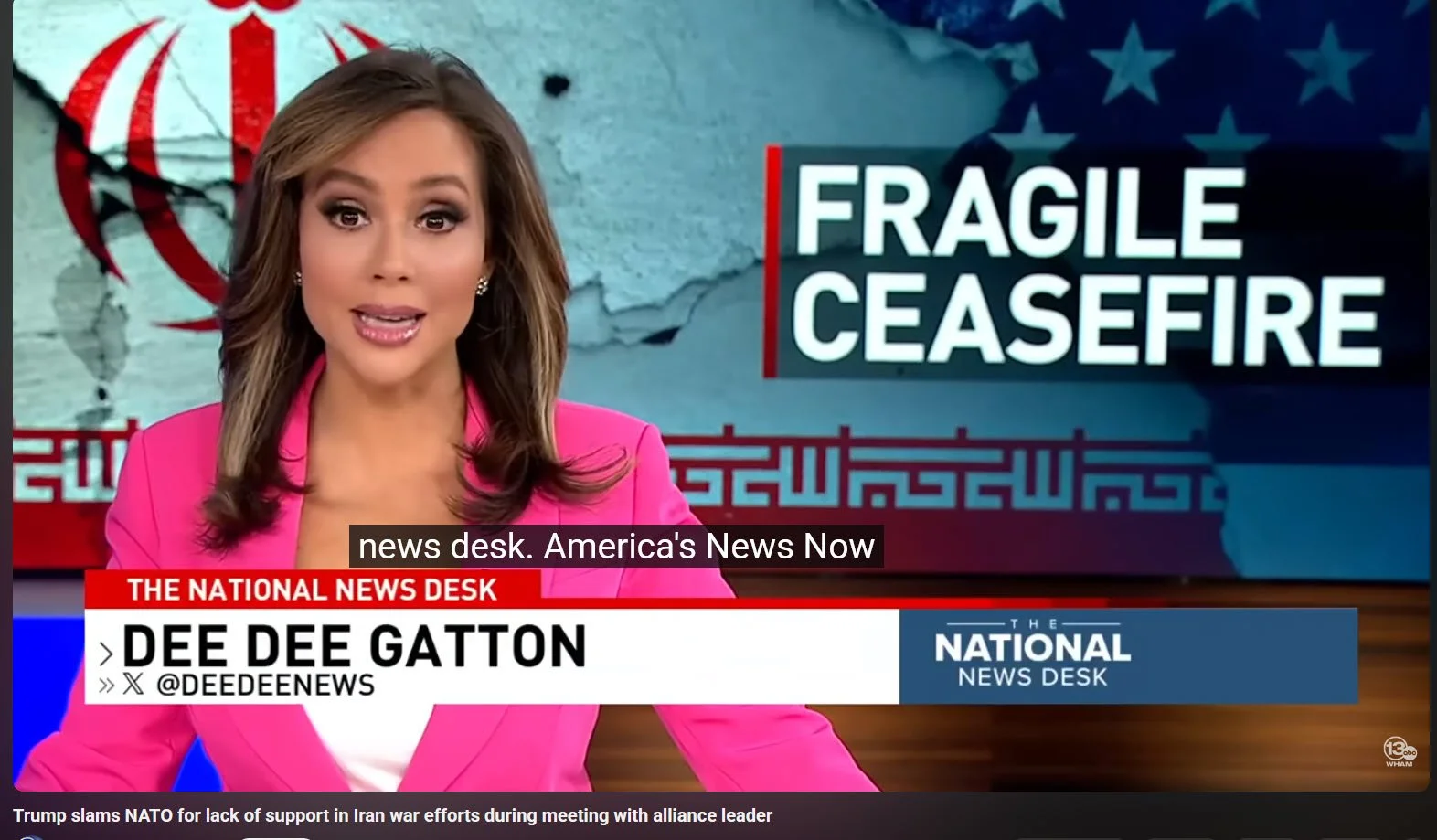
The Refusal: Fearing a wider regional escalation and regional economic blowback, European leadership pushed back. UK Prime Minister Keir Starmer visibly distanced the UK from the operations, declaring, "This is not our war," while Spain outright denied access to southern joint base
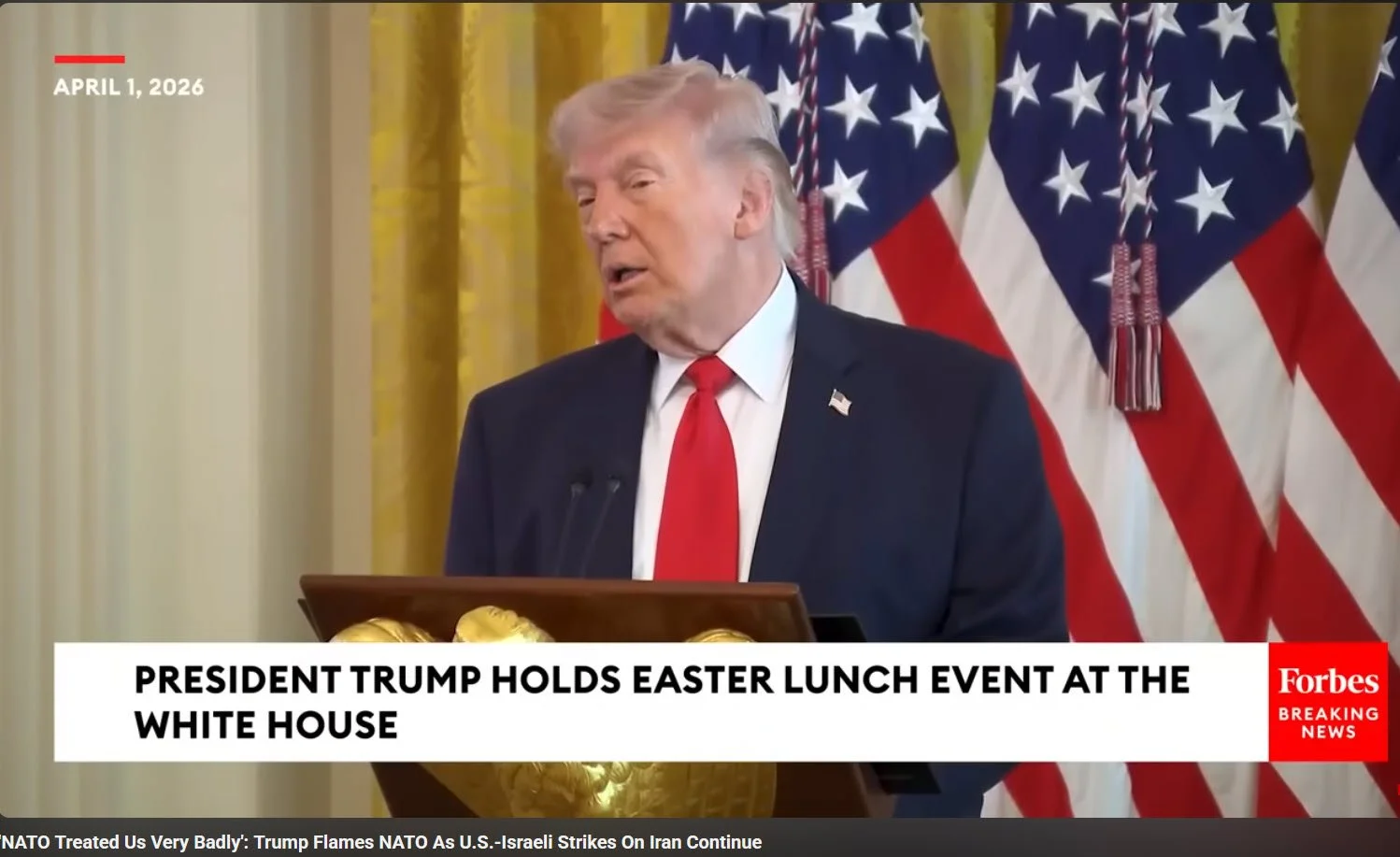
The Retaliation: Viewing this refusal as a breach of allied solidarity, President Trump initiated a rapid re-evaluation of the U.S. footprint in Europe. The Pentagon has begun reducing forces committed to the NATO Force Model, canceling armored brigade deployments to Poland and Romania, and initiating the withdrawal of 5,000 troops from Germany.
The Structural Shift: Under the policy direction of figures like Pentagon policy chief Elbridge Colby, Washington is pivoting toward "NATO 3.0." This doctrine explicitly reduces U.S. reliance in Europe to free up naval, air, and refueling assets for other global contingencies, forcing European allies to independently secure their own backyard.
The Burden-Sharing Grievance
The underlying fuel for this fire remains the multi-decade dispute over defense spending.
While it is true that European nations historically lagged behind the agreed-upon benchmark of spending 2% of GDP on defense, the irony is that spending has actually surged dramatically. The shock of Russia's full-scale invasion of Ukraine, combined with sustained political pressure from Washington, has driven the majority of NATO members to meet or exceed the 2% threshol
However, from the current U.S. administration's perspective, meeting the 2% mark is no longer enough if allies refuse to support American strategic interests outside of the European theater.
The 2030 Intelligence Warning
Compounding the panic in European capitals is a stark timeline shift regarding the threat from the East.
[Current Friction] ───> [U.S. Troop Drawdowns] ───> [2030 Intelligence Window]
  Base denials &          Assets reallocated to       UK/Allied intel warns of
  spending disputes       Pacific / Middle East        potential Russian aggression
Prime Minister Keir Starmer and senior British military officials have publicly warned of intelligence assessments indicating that Russia could be positioned to launch an attack on a NATO member state as soon as 2030. With Russian forces actively probing Western cyber defenses, executing gray-zone sabotage, and rapidly converting to a permanent wartime economy, European commanders feel they are running out of time.
YouTube+ 1
What are Europe's Next Options?
Faced with a conditional or diminishing U.S. security umbrella, NATO's European members are panicking because their entire post-Cold War defense architecture was designed around American logistics, airlift, and nuclear deterrence. To adapt, they are forced to explore high-risk options:
Accelerated Strategic Autonomy: Leading European nations are attempting to build a self-sufficient European pillar within (or adjacent to) NATO. This means rapidly standardizing equipment, expanding domestic ammunition production, and filling the massive deficit in long-range missile and air defense capabilities left by the U.S. drawdown.
Bilateral and Regional Coalitions: Rather than relying entirely on a fractured 32-member alliance, European states are forming tighter, overlapping regional defense pacts. The Nordic countries, the Baltic states, Poland, and the UK are deepening joint operational planning to secure the North Sea, the Arctic, and the Eastern Flank independently.
Bargaining via Procurement: Some European allies are attempting to mend fences with Washington by aggressively purchasing American-made hardware (like F-35 fighter jets and Patriot missile systems), effectively arguing that their defense spending directly supports the U.S. defense industrial base.
Europe is discovering that the luxury of separating continental defense from global geopolitics has expired. They must either rapidly scale up their own conventional military power to deter Moscow by 2030, or find a way to align more closely with Washington's global strategic priorities.
What Are Trump’s Options
Donald Trump's strategy toward NATO has evolved into a highly transactional approach. Rather than executing a blunt, total exit from the alliance—which faces significant legal and congressional hurdles in Washington—the administration is shifting toward a policy of strategic leverage and burden-shifting.
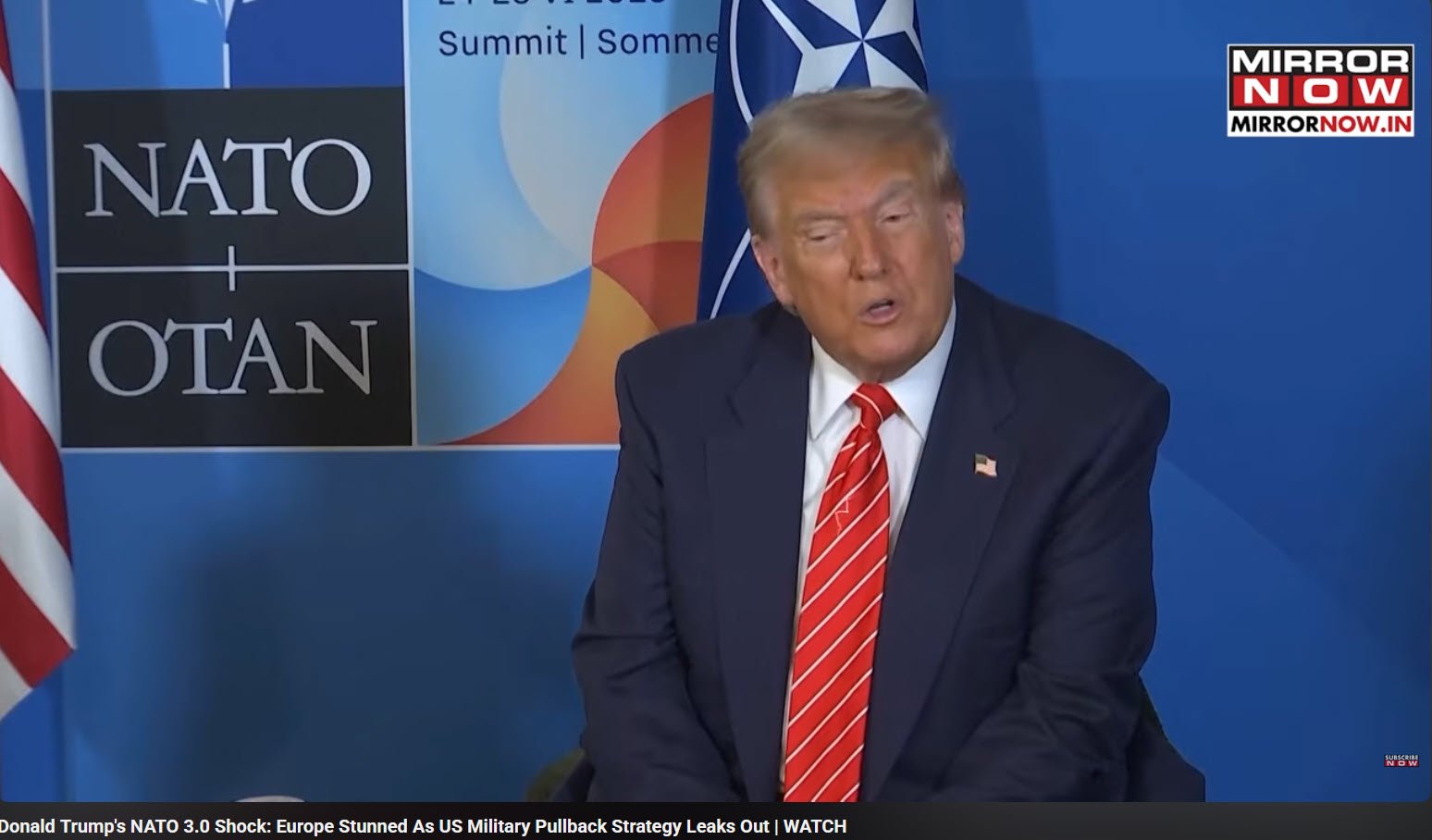
The primary paths and operational tactics the administration is using in its ongoing friction with European allies break down into several distinct options.
The Coercion Option: Leveraging "Conditional" Article 5
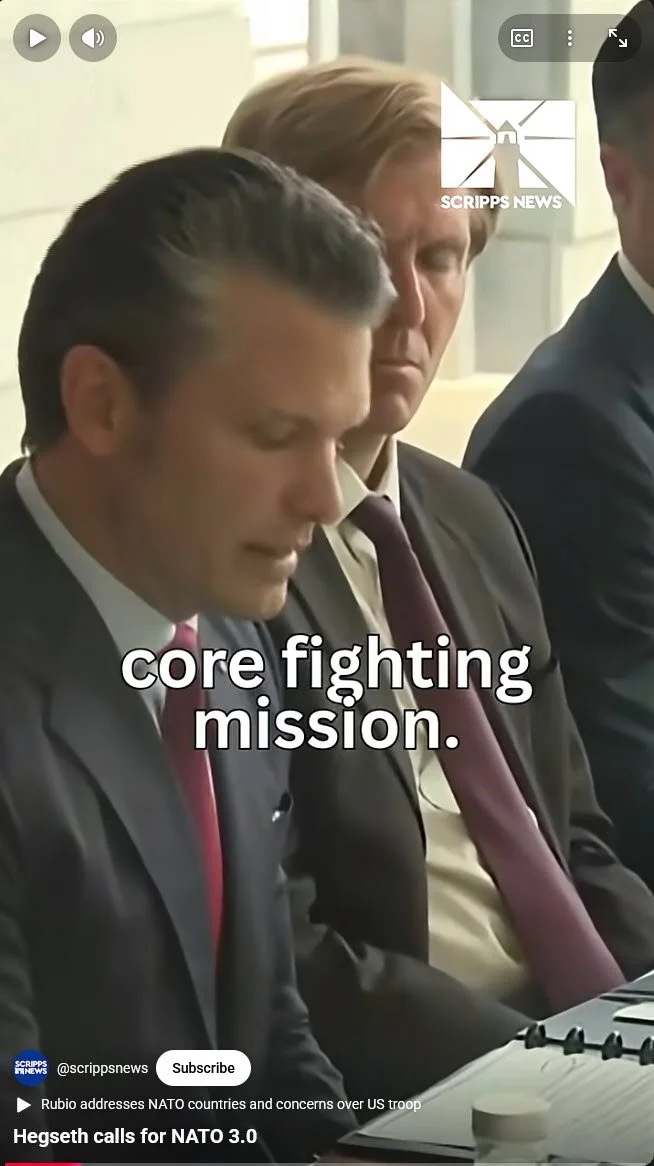
Rather than formal withdrawal, the administration's strongest tool is strategic ambiguity surrounding Article 5 (the mutual defense clause). By treating the defense guarantee as conditional rather than absolute, Washington uses the threat of abandonment to force European compliance.
The Mechanism: Signaling that the U.S. may only defend nations meeting specific criteria, transforming NATO from a traditional deterrence alliance into a mechanism for extracting concessions.
The Demands: Forcing European nations to rapidly take over the primary conventional defense burden against Russia, while the U.S. positions itself strictly in a supporting role.
The Force Posture Option: Unilateral Troop Shuffling
The Pentagon, under the 2026 National Defense Strategy (NDS), is actively using direct control over U.S. military assets in Europe to reward or punish specific allies based on their defense spending and geopolitical alignment.
Troop Reductions & Repositioning: The administration has ordered sharp reductions and cancellations of long-planned deployments in Western European nations—notably Germany, following policy clashes over regional conflicts.
Geopolitical Rewarding: Concurrently, forces are being redirected eastward to allies demonstrating aggressive defense build-ups or higher compliance, such as ongoing negotiations and directives to shift up to 5,000 U.S. troops into Poland.
The Kinetic Trade-Off Option: Tying NATO Support to Non-European Arenas
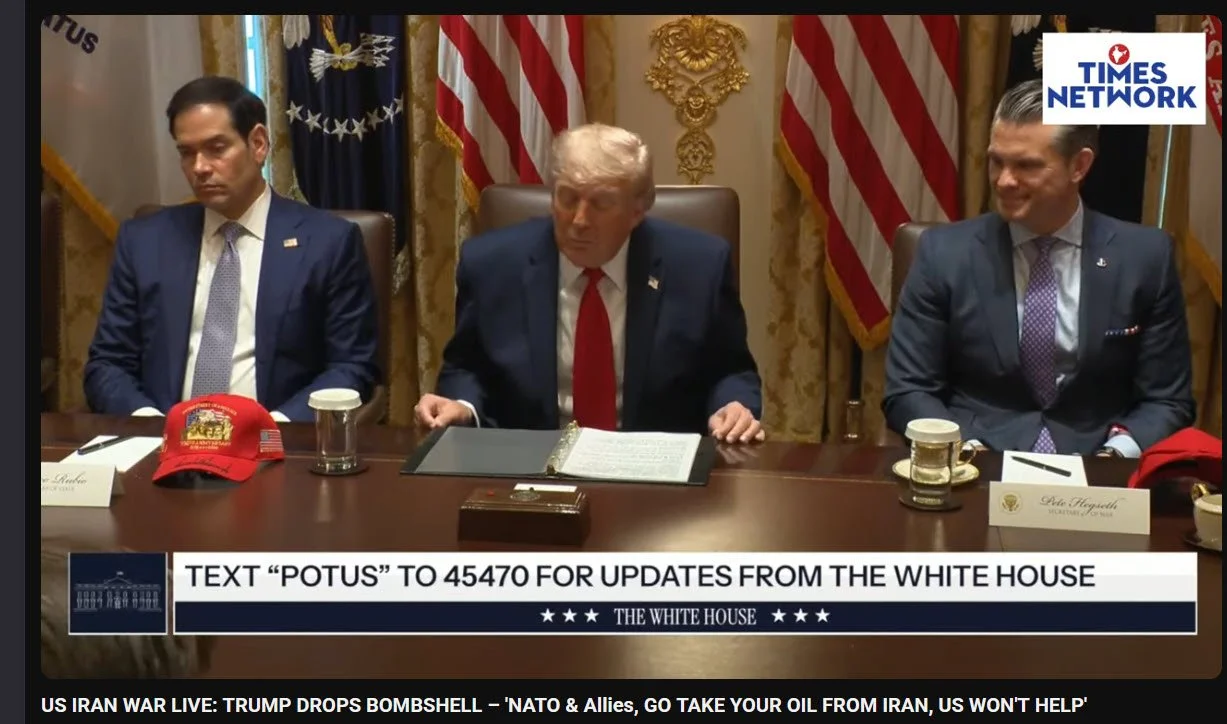
Washington is increasingly linking its European security commitments to European support for American operations outside of the traditional North Atlantic theater.
Out-of-Area Cooperation: The administration has pushed allies for direct assistance or at least tactical cooperation (such as the use of European airbases) regarding operations in the Middle East.
The Penalty: Allies who deny logistical or military support face immediate friction regarding U.S. bilateral defense arrangements and troop presences.
Territorial and Sovereignty Demands
In a highly unconventional diplomatic approach, the administration has revived pressure on specific allies over strategic geography, framing territorial control as an asset for collective defense.
The Greenland Push: The White House has actively renewed discussions with Denmark regarding the autonomous territory of Greenland, explicitly suggesting that U.S. military options or direct sovereign control are avenues to optimize Arctic security and North American homeland defense.
The Operational Reality
As outlined by administration officials at recent security summits, the core objective is to dismantle the model of "subsidizing wealthy nations." By utilizing these operational levers—conditional security guarantees, unpredictable troop movements, and aggressive bilateral deal-making—the administration avoids a formal break with the alliance while fundamentally rewriting how it functions.
Probable Outcome Trump vs. NATO
The friction between the Trump administration and NATO is not leading toward an abrupt, formal U.S. withdrawal. Legal and congressional safeguards—such as the statutory 76,000-troop floor established in the 2026 National Defense Authorization Act (NDAA)—effectively block a total exit. Instead, the probable outcome is the realization of "NATO 3.0": a fragmented, highly transactional alliance where the U.S. functions as a conditional backstop rather than a primary defender.
The geopolitical landscape is shifting toward several definitive outcomes.
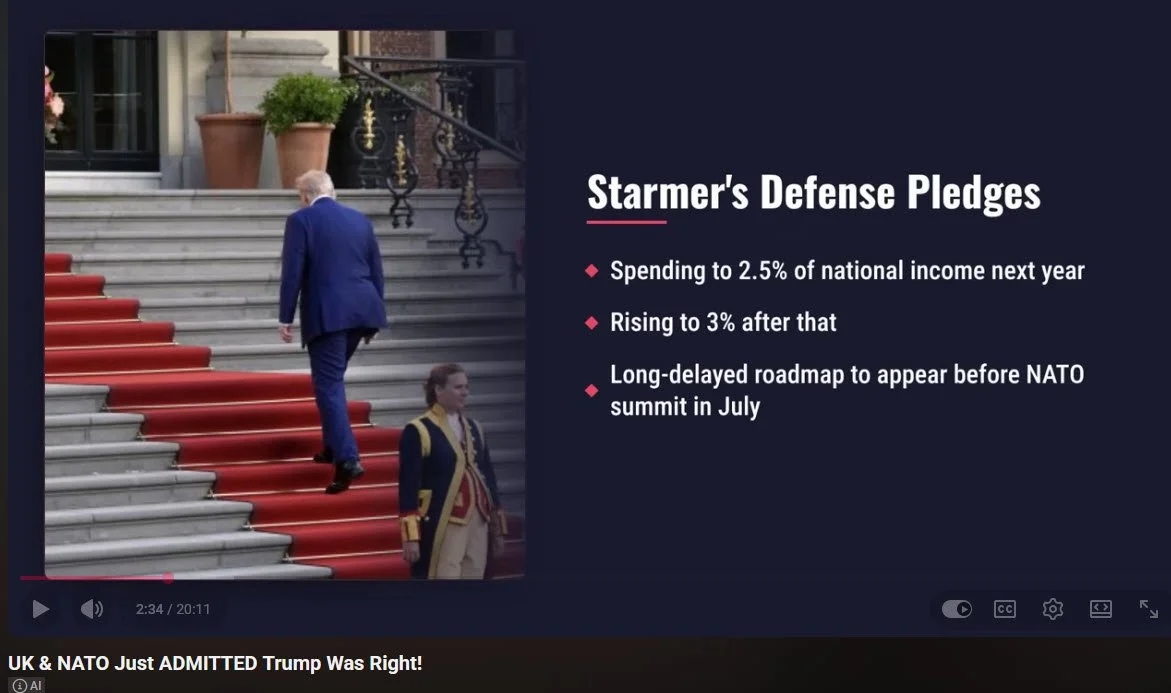
The Institutionalization of a "Two-Tier" Alliance
The most concrete outcome is a permanent reduction of the American conventional footprint. As outlined in the 2026 National Defense Strategy, Washington is actively treating European allies as "partners, not protectorates."
U.S. Tactical Drawdown: The U.S. has already started reducing the air, naval, and refueling assets it commits to the NATO Force Model for crises.
The New Division of Labor: The U.S. will retain its nuclear umbrella and high-tech strategic enablers, but European nations will be forced to entirely source the frontline conventional ground troops, manned aircraft, and naval vessels required to deter Russia.
Radical Bilateralism Replacing Multilateral Unity
The "all for one, one for all" spirit of Article 5 is effectively being replaced by a hub-and-spoke model of bilateral dealmaking. The administration is actively using troop presence as political leverage to reward allies or punish dissent.
Punitive Actions: The administration’s recent decision to pull 5,000 troops out of Germany following policy clashes with Chancellor Friedrich Merz demonstrates that security guarantees are now tied to diplomatic compliance.
Geopolitical Coercion: Washington is willing to apply severe bilateral pressure on specific allies to secure non-traditional assets—evidenced by the aggressive diplomatic and tariff pressures levied against Denmark over access and control of Greenland.
Forced European "Strategic Autonomy"
European capitals are moving past panic and into reluctant self-reliance. While leaders recognize they cannot completely replicate American military might, they are building parallel hedges.
Parallel Defense Frameworks: Europe is increasingly looking to the European Union’s mutual defense clause (Article 42.7) and independent rapid reaction forces as alternatives to a diluted NATO Article 5.
Aggressive Defense Spending: To prevent complete abandonment, European states are rapidly elevating defense budgets—with several nations pushing toward 5% of their GDP on defense infrastructure—though logistical independence from Washington will still take years to achieve.
Increased Vulnerability to "Grey-Zone" Aggression
Because the administration has injected strategic ambiguity into whether the U.S. will respond to a crisis, the overall deterrence value of the alliance is degraded.
Adversary Exploitation: Opponents like Russia are likely to exploit this fractured unity. Instead of launching full-scale conventional invasions against NATO members, adversaries will increasingly utilize cyberattacks, hybrid warfare, and critical infrastructure sabotage (similar to recent Baltic Sea undersea cable disruptions), knowing the U.S. threshold for military intervention has significantly heightened.
The Bottom Line: NATO will survive in name, but its core character has fundamentally changed. The ultimate outcome of this struggle is a lopsided partnership where Europe pays substantially more for a defense shield that Washington only guarantees under strict, conditional terms.