You Can’t Imagine - Tech in 2026
Segment #1041
Military
Open Architecture Platform for Underwater Vehicles for Rapid Adaptation, Collaborative Sensing, Navigation, and Autonomy| SBIR
Develop and demonstrate a modular, open-architecture autonomous underwater vehicle (AUV) platform that enables rapid payload adaptation, scalable fleet deployment, advanced multi-vehicle collaboration, and resilient autonomous navigation. By “open-architecture” we mean open/modular both for hardware reconfiguration as well adhering to open software standards for plug-and-play sensors/comms/nav/autonomy stacks. Said AUV platform should be two-person portable, and support operations for up to 24 hours. We expect the open architecture to allow for a wide variety of sensors and payloads, enabling collaborative sensing and other commercial and defense applications across a multifunctional fleet of vehicles.
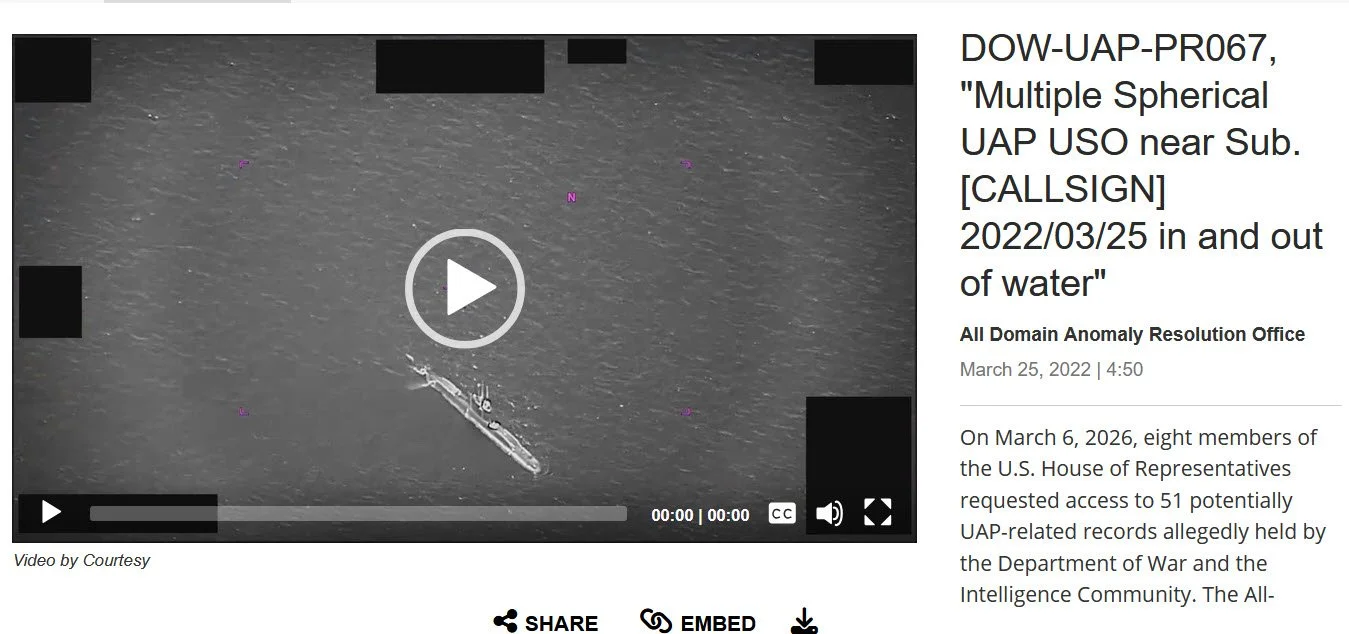
We May Learn More about UAP by Looking in the Ocean, Rear Admiral Tim Gallaudet, PhD, US Navy (ret.)
Rethinking robotics with physical intelligence
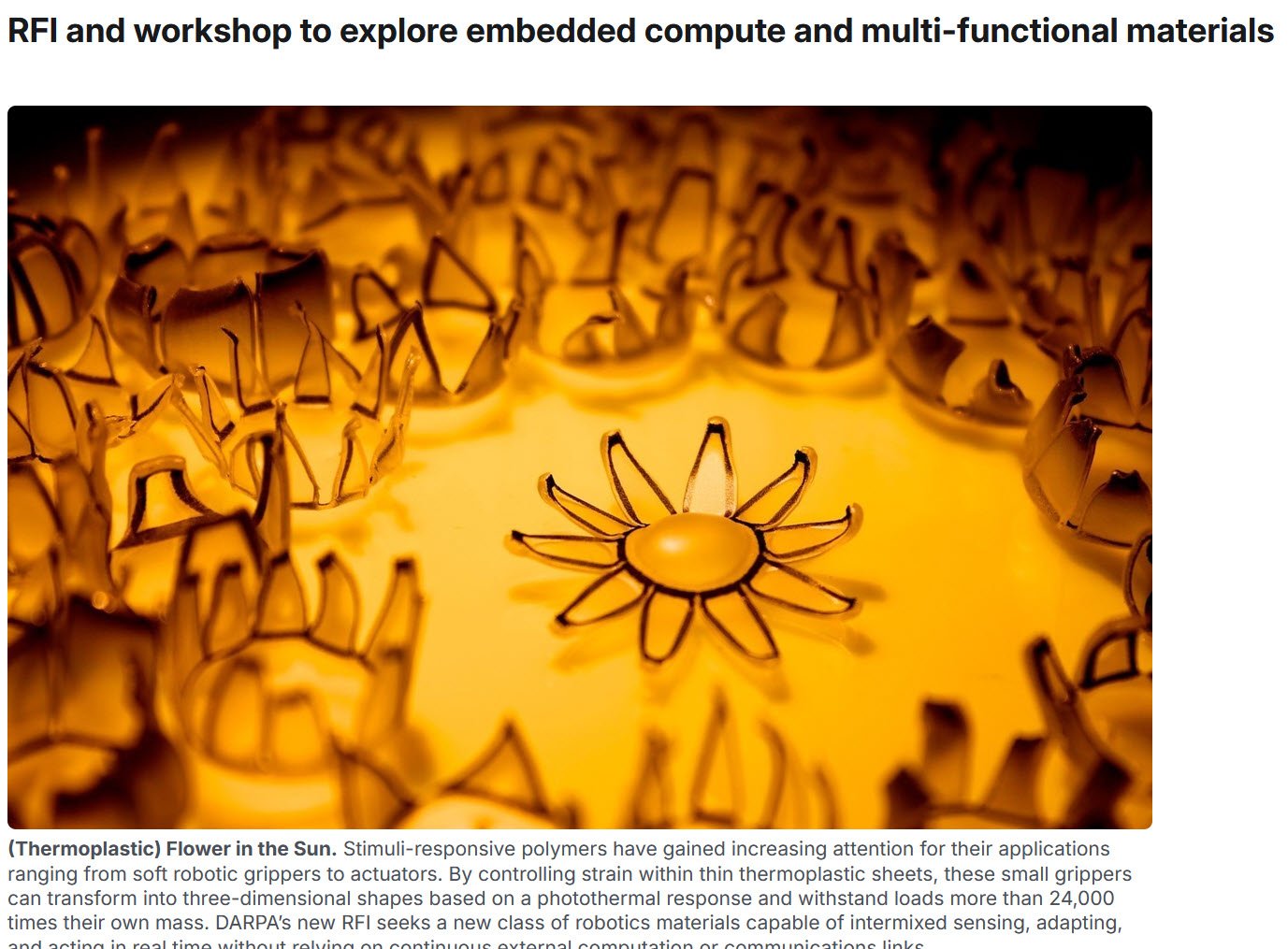
Today’s advances in robotics are often driven by breakthroughs in artificial intelligence, machine learning, and perception. But in complex and constrained environments, the limiting factor is often hardware, not software. Systems that rely on constant data processing, high-bandwidth communication, and centralized compute can face delays, power constraints, and vulnerabilities that limit performance or prevent mission success altogether.
DARPA is looking to tackle these challenges by embedding intelligence directly into the physical materials of robotic systems. A new Request for Information (RFI), calls on the research community to help define a new class of materials capable of intermixed sensing, adapting, and acting in real time without relying on continuous external computation or communication links.
While the RFI itself is exploratory, it is a first step toward a more immediate opportunity: an invite-only, in-person workshop planned for the summer 2026. Selected participants will have the chance to present their ideas, engage with DARPA, and inform future program directions.
https://www.darpa.mil/news/2026/rethinking-robotics?utm_source=chatgpt.com
Chinese 'robot brain' startup sees ChatGPT-style breakthrough as soon as next year
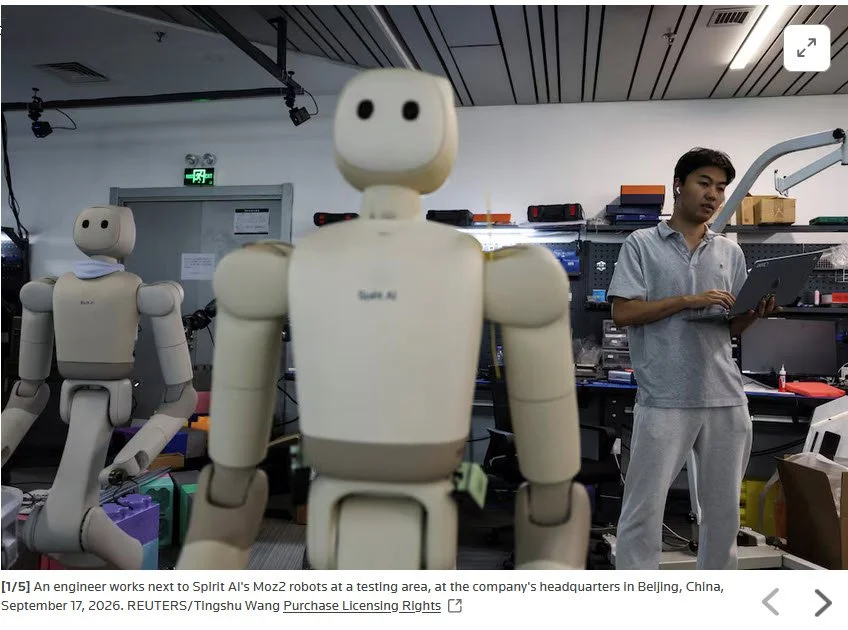
BEIJING, Sept 18 (Reuters) - Humanoid robots will be able to complete most general-purpose tasks from verbal instructions as soon as next year, although becoming useful around the house will take much longer, said the head of a leading Chinese company developing robot brains.
After impressive hardware advances allowing Chinese humanoids to sprint, dance and do backflips on command, robot firms are increasingly focusing on the software that determines robots' intelligence and enables them to do more economically productive tasks, a field known as "embodied AI".
Medical

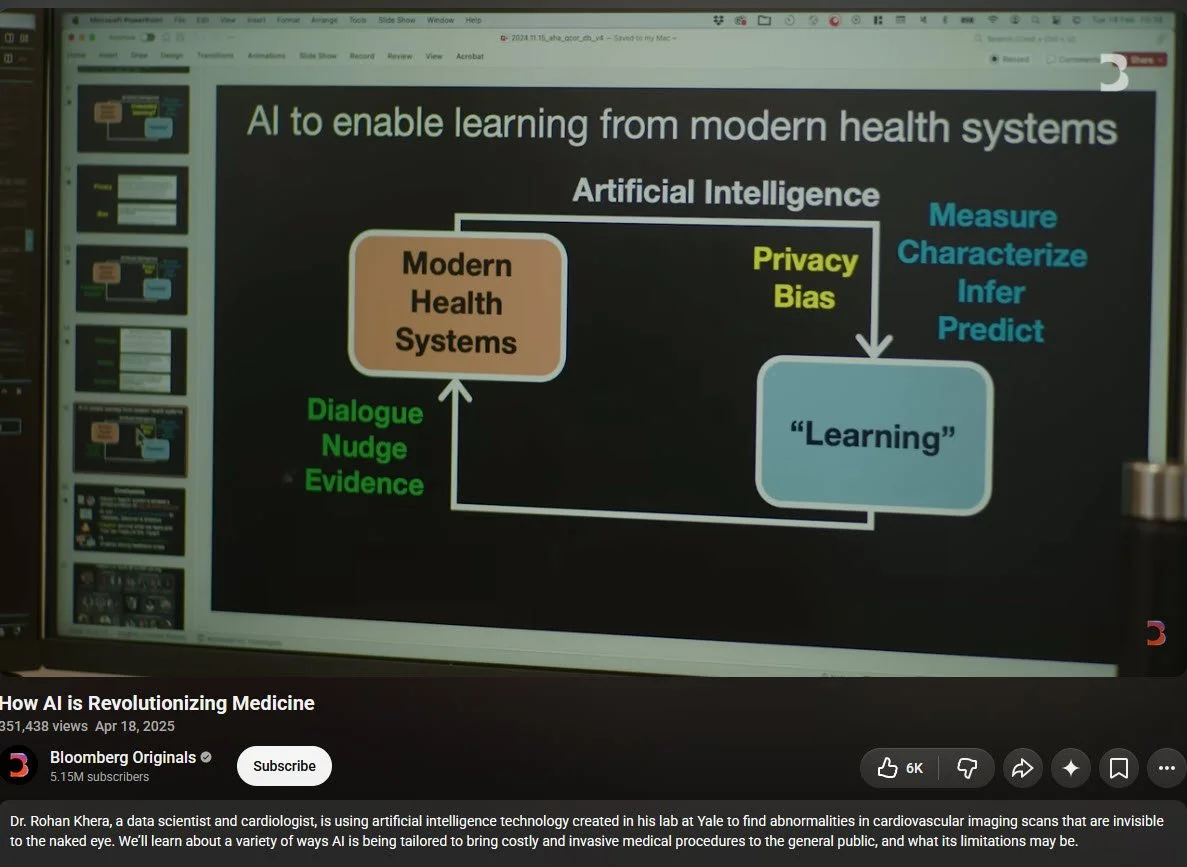
Which diseases are now closest to an AI-enabled breakthrough? I can rank about 10 diseases—from Alzheimer's and Parkinson's to pancreatic cancer, ALS, IPF and antibiotic-resistant infections—by what is actually in the 2026–27 pipeline, and identify the specific AI programs/drugs that could produce major results within the next 12–24 months.

What’s Real and What’s AI

Quite frankly I only understand this at a very basic level. More important than understanding the mechanics is knowing that as AI becomes more and more undetectable, it can be detected.
Cloning Your Voice
The rise of consumer‑grade voice‑cloning tools adds a strange new wrinkle to everyday security. A friendly voicemail greeting—something most of us record without a second thought—can provide enough clean audio for someone to build a convincing synthetic version of your voice. That doesn’t mean everyone is suddenly at high risk, but it does mean the boundary between harmless personal details and exploitable digital artifacts is shifting. Treat your voice the same way you treat your digital identity or your personal data: something worth guarding, even in small ways.
As cloning technology becomes more accessible, it’s wise to think about how much of your voice you leave lying around. A short, neutral voicemail greeting won’t stop a determined attacker, but it does reduce the easy opportunities. More importantly, it encourages a mindset of intentional digital hygiene—recognizing that security today isn’t just about passwords and firewalls, but also about the everyday traces we leave behind. Staying aware of these emerging risks helps keep you one step ahead in a world where even your own voice can be repurposed without your consent.