The Violent Rhetoric of the Left
Segment #869
The flow of capital from high-net-worth individuals into the "far-left" ecosystem is often obscured by layers of non-profit structures, "dark money" groups, and fiscal sponsors. This funding does not always go directly to a violent act; instead, it creates the logistical and rhetorical infrastructure that radicalizes individuals by normalizing militancy and framing domestic opponents as existential threats.
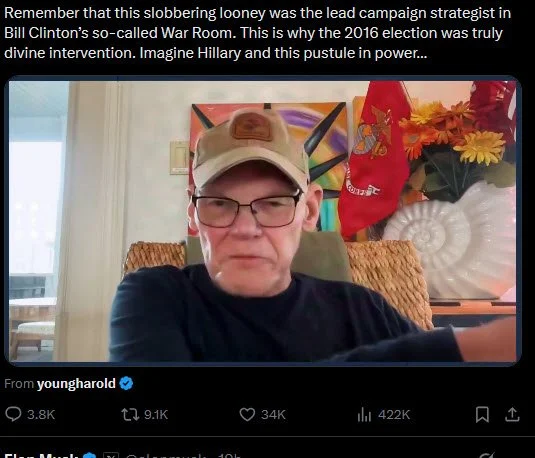
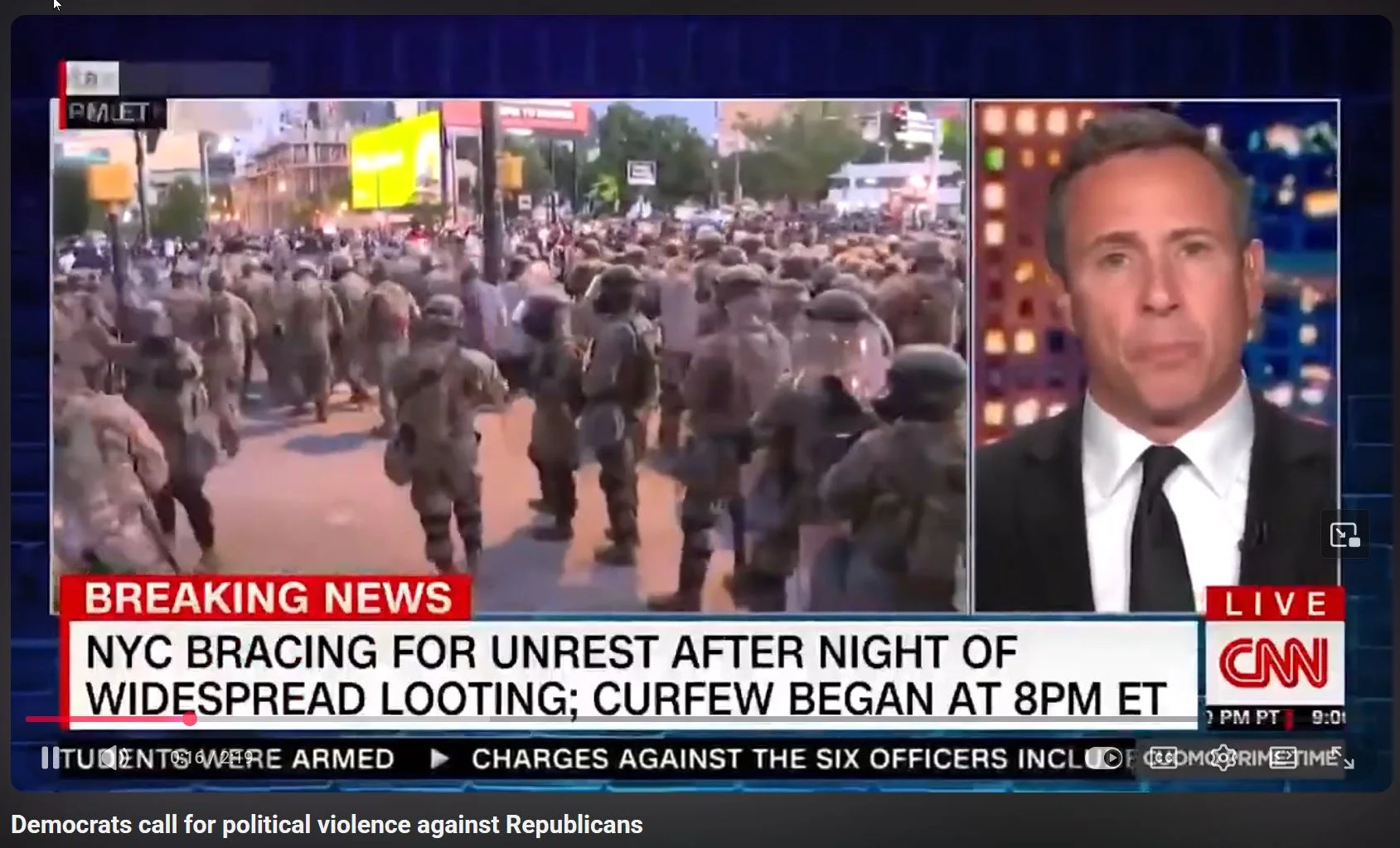
A collection of clips with Dems spewing hate
As of 2026, several key funding streams and billionaire-backed networks have been identified as primary drivers of this radicalization.
1. The Arabella Advisors Network (The "Dark Money" Hub)
The most significant conduit for radical funding is Arabella Advisors, a for-profit consulting firm that manages a multi-billion dollar "dark money" network. This network hosts "pop-up" groups that use aggressive, often violent rhetoric to mobilize activists.
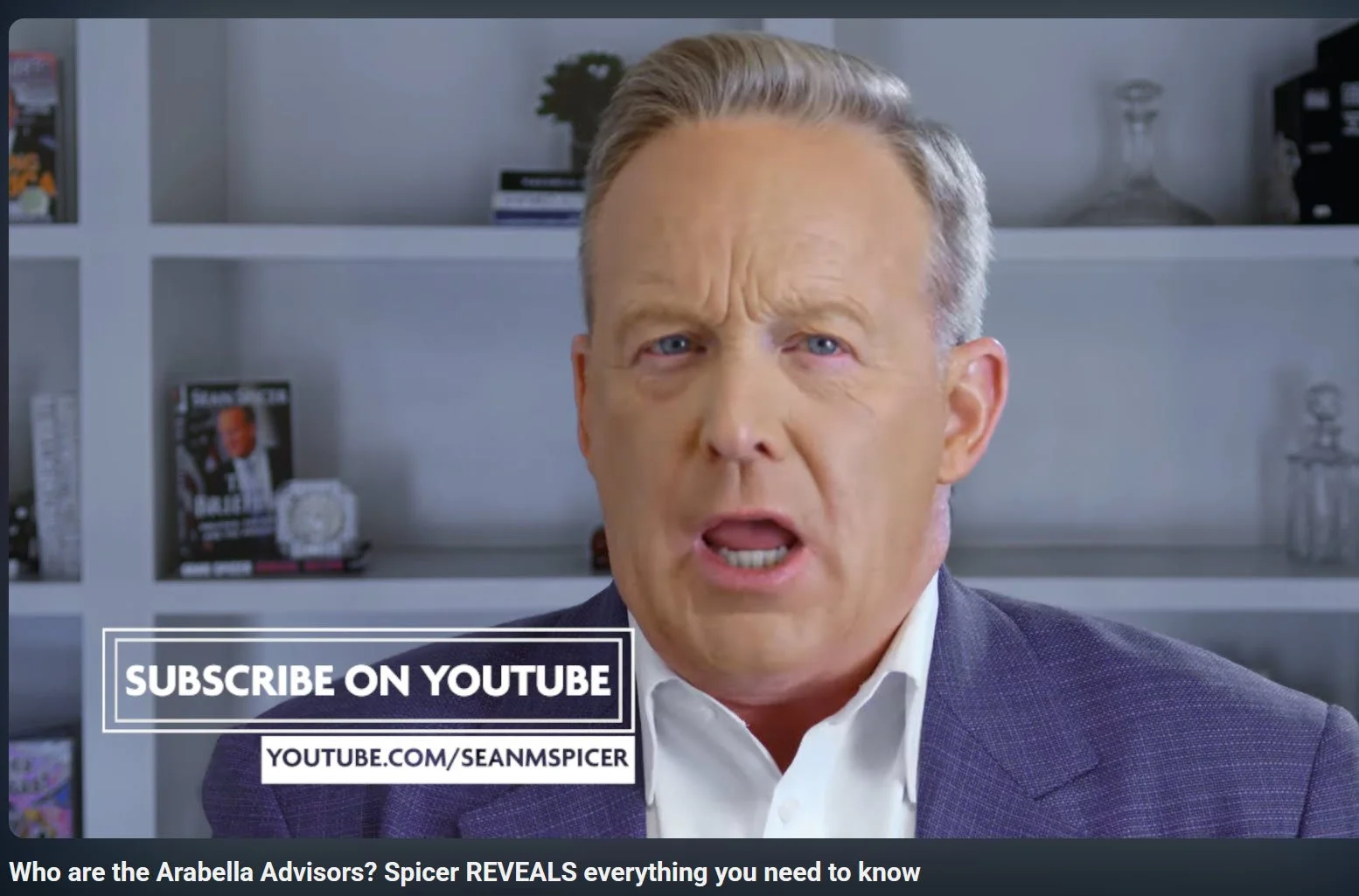
This is how the left has infiltrated almost every single institution in the United States
Financial Scope: In 2026, reports indicated that the Arabella network (including the New Venture Fund and Sixteen Thirty Fund) has funneled over $2.65 billion into U.S. advocacy.
Radical Backers:
Hansjörg Wyss: A Swiss billionaire who has funneled over $372 million into this network. His funds support "The Hub Project," which specializes in "research-based message frames" designed to dramatically shift public debate toward radical policy solutions.
Pierre Omidyar: Through the Democracy Fund, Omidyar has backed groups within this network that focus on "resistance" and "direct action" narratives.
The Radicalization Effect: By funding groups that advocate for "defunding the police" or "packing the court," these billionaires provide the financial oxygen for rhetoric that suggests the current American system is fundamentally illegitimate, thereby justifying "extra-legal" or militant responses from followers.
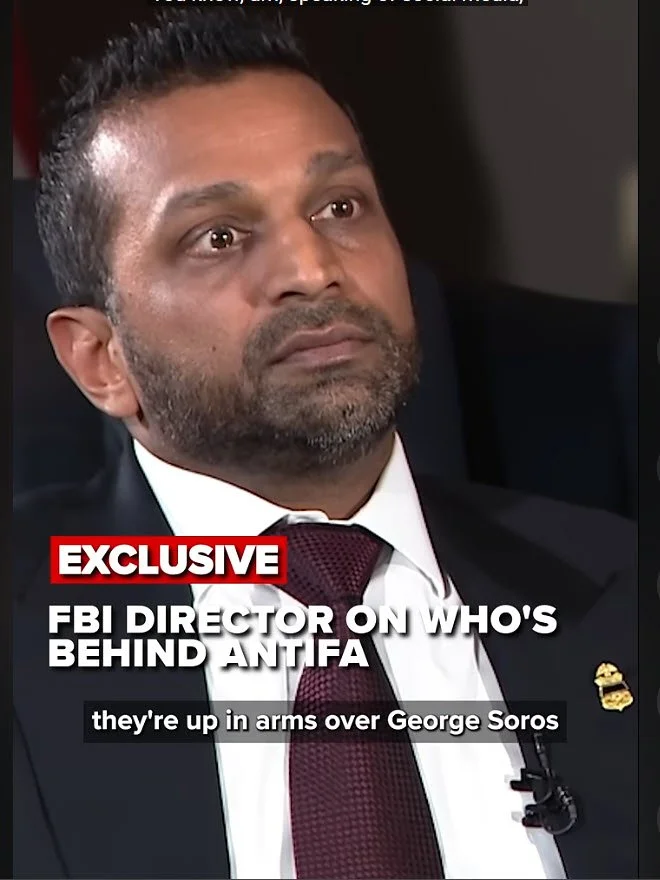
2. Open Society Foundations (OSF) & George Soros
While OSF officially maintains a stance of non-violence, its funding frequently reaches organizations that provide the ideological "cover" for violent unrest.
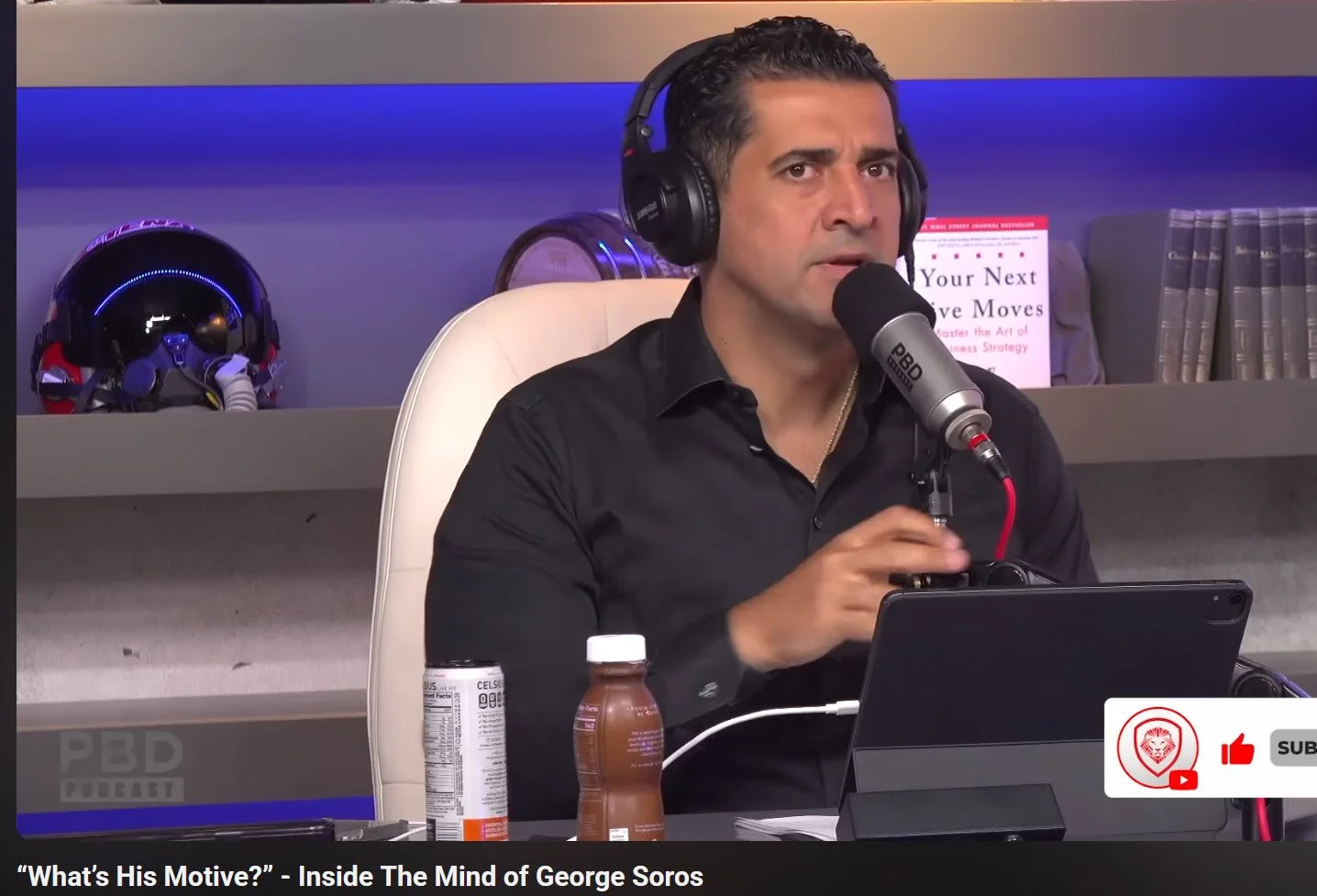
In this short clip, Patrick Bet-David, Sebastian Gorka Adam Sosnick, and Tom Ellsworth George Soros and what motivates him to do the things he does.
Funding "Front" Groups: OSF has faced scrutiny for its multi-million dollar grants to groups that provide legal and logistical support to protesters engaged in violent "direct action." In 2025/2026, OSF remained a primary donor to organizations that frame law enforcement as a "white supremacist institution."
Rhetorical Pipeline: By funding the academic and "social justice" frameworks that label political opponents as "fascists," OSF-backed initiatives create a moral imperative for radicalization. If an opponent is a fascist, rhetoric suggesting they must be "punched" or "removed by any means" becomes socially acceptable within these funded circles.
3. The Tides Foundation: Funding the "Street"
The Tides Foundation acts as a "clearinghouse" for radical donors who wish to remain anonymous. It has a long history of funding groups associated with militant environmentalism and anti-capitalist agitation.
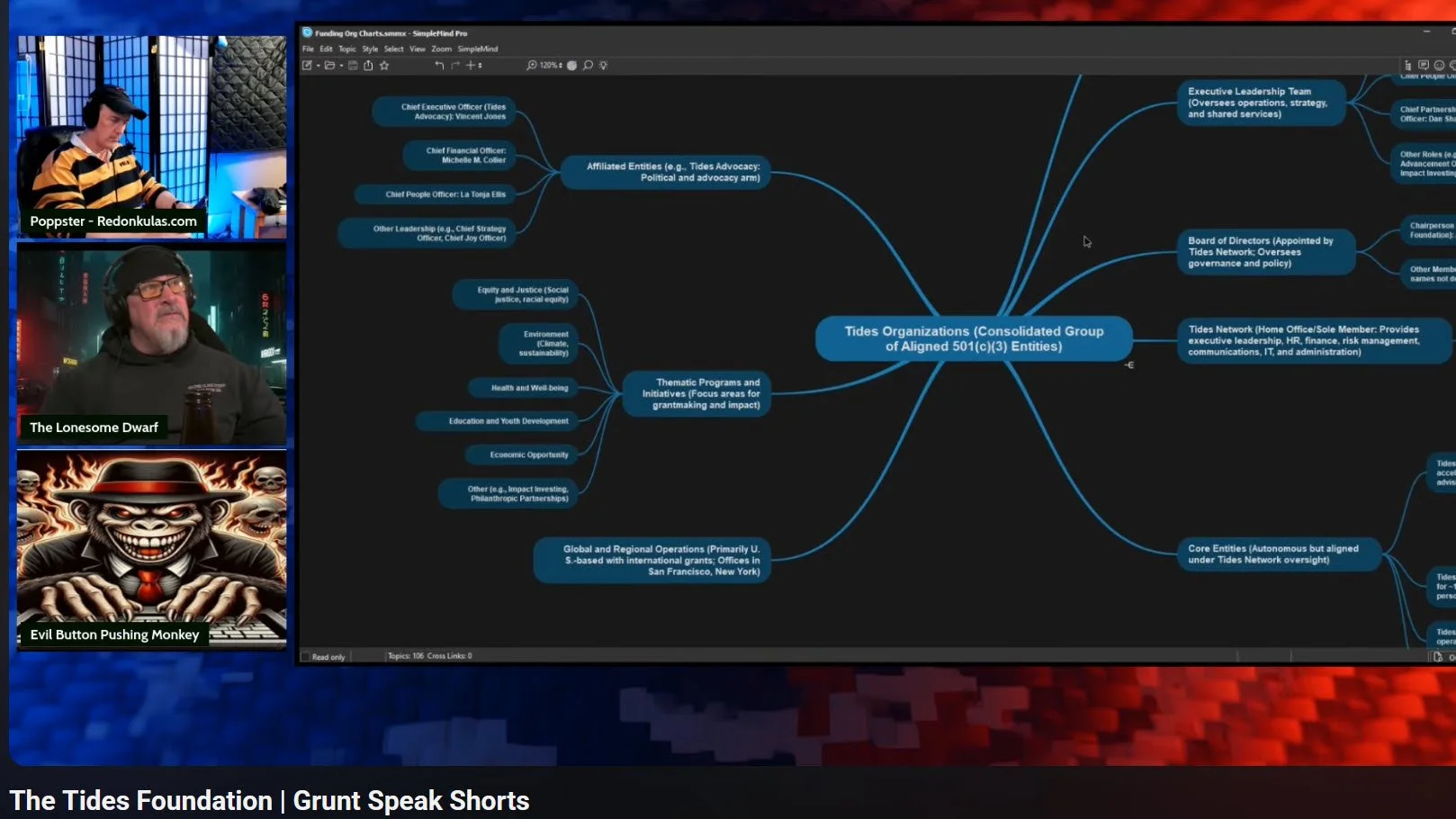
Steve shows you how political action groups are funded and by whom.
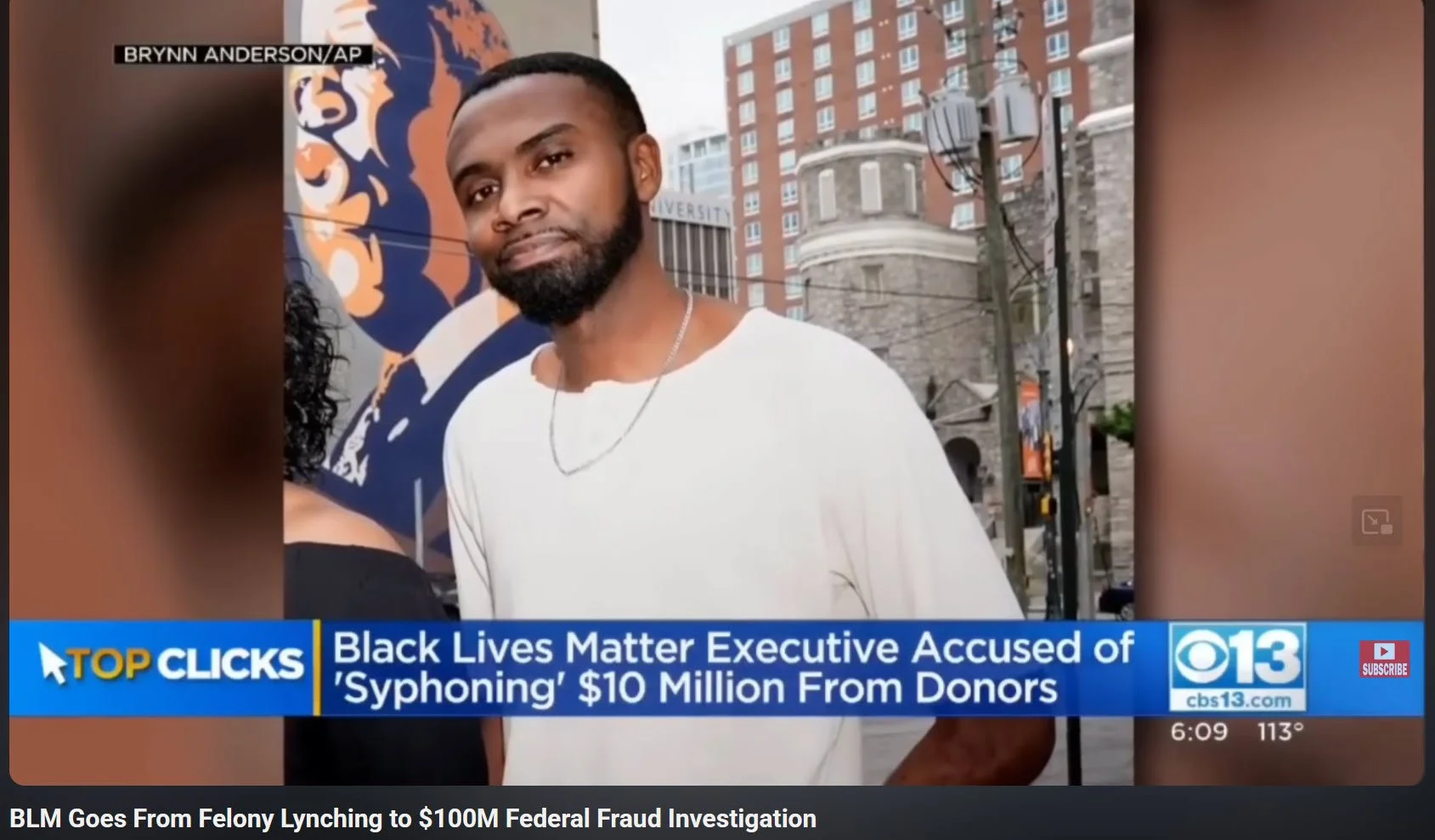
Antifa & Anarchist Support: Tides has been linked to the funding of small "autonomous" collectives that engage in property destruction. By providing "fiscal sponsorship," Tides allows radical groups to receive tax-deductible donations without having to register as their own 501(c)(3), shielding the ultimate billionaire donors from public accountability.
Direct Action Rhetoric: Funding from Tides often goes toward "training camps" and "activist retreats" where the rhetoric of "diversity of tactics" (a euphemism for violence) is taught as a standard tool of political change.
How Billionaire Funding Fuels Radicalization
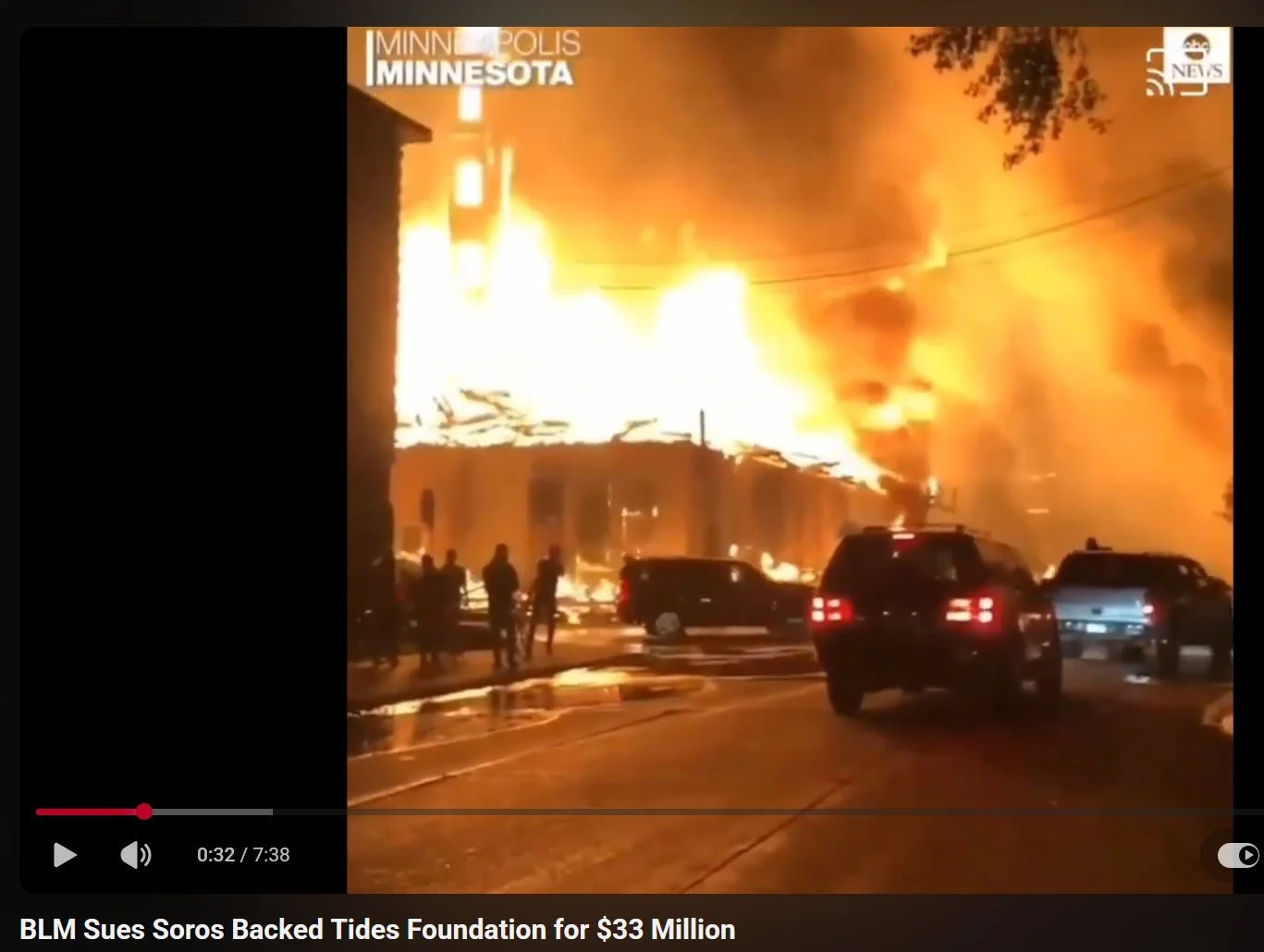
The strategic use of wealth by these individuals radicalizes people through three primary channels:
MethodDescriptionExampleNormalizing ExtremismFunding mainstream media "hubs" to adopt radical language, making violent concepts seem like "common sense."Framing arson as "mostly peaceful" or "property damage vs. human life."Legal InsulationProviding "bail funds" and high-end legal defense for those arrested during violent protests.The Minnesota Freedom Fund (backed by various liberal tech billionaires).Echo Chamber EngineeringFunding digital platforms and algorithms that prioritize "outrage" and "enemy" narratives.The funding of "disinformation" monitors that exclusively target conservative speech while ignoring left-wing threats.
Case Study: The 2025 "Summer of Resistance"
A 2026 federal audit suggested that "pop-up" activist groups, appearing overnight during the 2025 political season, received nearly $40 million in "rapid-response" grants from billionaire-backed foundations. These groups were responsible for a surge in rhetoric calling for the "dismantling" of government buildings, which directly preceded several high-profile arson attacks on federal property.
Key takeaway: Radical left billionaires do not necessarily sign checks for "bombs"; they sign checks for the ideological environment where a bomb is viewed as a "righteous tool for justice."
The prevalence and impact of violent rhetoric in political discourse have become central to modern security and sociological analysis. While media narratives often focus on right-wing extremism, data and historical trends indicate a significant and often underreported rise in aggressive rhetoric from left-aligned actors and movements.
Analyzing this phenomenon involves looking at how rhetoric is used to dehumanize targets, normalize militancy, and provide a moral justification for violence.
Trends and Prevalence in Recent Data
Recent studies suggest that while public perception is deeply split, certain metrics show a disproportionate rise in violent threats originating from the left:
Targeting of Public Officials: A 2026 report from the Institute for Strategic Dialogue (ISD) found that violent online rhetoric targeting public officials increased by over 340% between 2021 and 2025. Notably, platforms with predominantly left-leaning user bases (such as BlueSky and Reddit) hosted significantly higher volumes of threats directed at right-wing officials compared to threats against the left.
Justification of Violence: National surveys, such as those from Marquette Law School (2025), have found that the belief that violence can sometimes be justified for political goals is more prevalent among those who identify as "very liberal" (25%) compared to those who identify as "very conservative" (10%).
Targeted Events: Organizations like START (National Consortium for the Study of Terrorism and Responses to Terrorism) noted a 34.5% increase in targeted violence events in 2025. These events "do not fit neatly into any one ideological category," challenging the narrative that political violence is exclusively a right-wing issue.
Mechanisms of Radicalization
Violent rhetoric radicalizes individuals by shifting their moral framework through several psychological and linguistic techniques:
Dehumanization and Demonization: By framing political opponents not as citizens with different ideas, but as "existential threats," "fascists," or "traitors," the rhetoric removes the social taboo against violence. If an opponent is labeled a "Nazi" or an "enemy of humanity," violence against them is reframed as a defensive or moral necessity.
The "Direct Action" Narrative: Movements like Antifa or radical environmentalist groups use rhetoric that emphasizes "direct action." This language suggests that peaceful democratic processes have failed or are inherently corrupt, leaving physical confrontation or sabotage as the only "authentic" form of resistance.
Moral Outrage Reinforcement: Algorithms and echo chambers amplify rhetoric that focuses on perceived systemic injustices. When individuals are constantly told that the state or a specific group is "killing" them through policy, the rhetorical leap to "fighting back" becomes shorter.
Examples of Radicalizing Rhetoric and Incidents
Left-wing radicalization often manifests in specific ideological contexts:
Antifa and Anarchist Militancy: Use of the "diversity of tactics" slogan is often a rhetorical euphemism used to include arson, property destruction, and physical assault as legitimate forms of protest. During the 2020-2021 unrest, this rhetoric was used to justify the establishment of "autonomous zones" and attacks on federal buildings.
Anti-Semitic and Anti-Zionist Rhetoric: Post-2023 reports from the ADL show a surge in slogans like "Globalize the Intifada," which a majority of Americans (68%) believe increases the risk of violence. This rhetoric has led to the normalization of harassment and physical intimidation on university campuses.
Targeted Political Assassinations/Attempts:
2017 Congressional Baseball Shooting: James Hodgkinson, motivated by anti-Republican rhetoric, opened fire on GOP members.
2022 Supreme Court Incident: Following the leak of the Dobbs decision, rhetoric targeting conservative justices led an armed individual to travel to Justice Brett Kavanaugh’s home with the intent to assassinate him.
2025 Arson at Gov. Josh Shapiro's Residence: An incident noted in 2025 security trends involving targeted violence against a high-profile official.
Comparison of Violent Incidents by Ideology (Recent Trends)
MetricFindings (2024–2026 Reports)
Online Threats364% increase in threats against Republicans vs. 124% against Democrats (ISD 2025).
Justification for ViolenceHigher among "Very Liberal" respondents (25%) than "Very Conservative" (10%).
Domestic Terrorism TrendsWhile far-right murders were higher in 2024, the volume of non-lethal targeted violence and property crimes (arson, sabotage) shows parity or a left-lean in protest contexts.
The radicalization process is fueled by the perception of an "emergency." When rhetoric successfully convinces an individual that their society is on the brink of collapse due to the "evil" of the other side, they are more likely to bypass law and order in favor of militant action.