UK Prime Minister and Free Speech
Segment #984
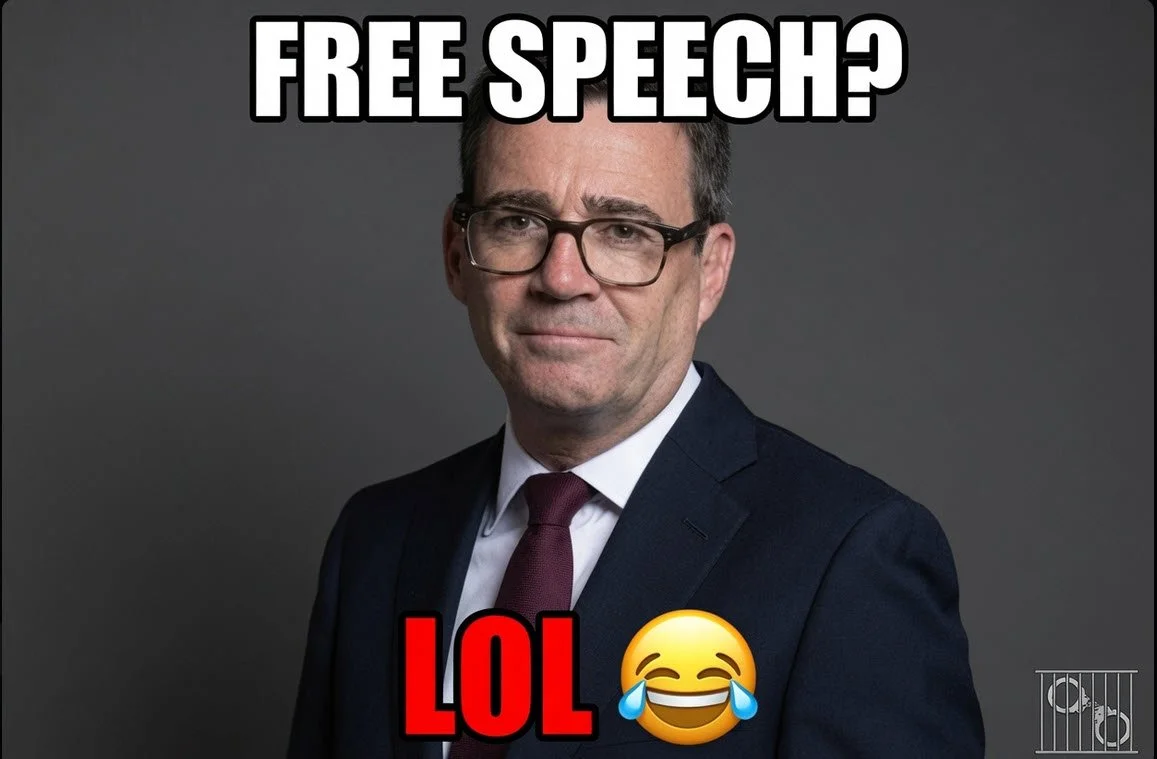
Andy Burnham’s approach to free speech, censorship, and digital regulation represents a massive flashpoint for his new government. While Burnham himself has framed his plans around "combating misinformation and protecting public safety," critics, free-speech advocates, and even US politicians have strongly criticized his incoming policies as heavy-handed state censorship.
The tension centers on several key policy directions the Burnham administration is pursuing:
1. Regulating Social Media and "Misinformation" During Elections
The sharpest controversy stems from plans spearheaded by Burnham’s close ally and Deputy Leader, Lucy Powell. The administration is rewriting the Representation of the People Bill to introduce stricter regulations on social media platforms during election campaigns.
The Government’s Stance: Powell argues that opaque algorithms, deepfakes, and coordinated disinformation campaigns pose a "real-world threat to democracy". She maintains these measures are not about policing political opinion, but ensuring the public can make choices based on accurate information.
The Backlash: Free-speech advocacy groups and opposition figures argue this effectively empowers the state to decide what constitutes "trustworthy" news, threatening open political debate and independent journalism.
2. Strengthening the Online Safety Act
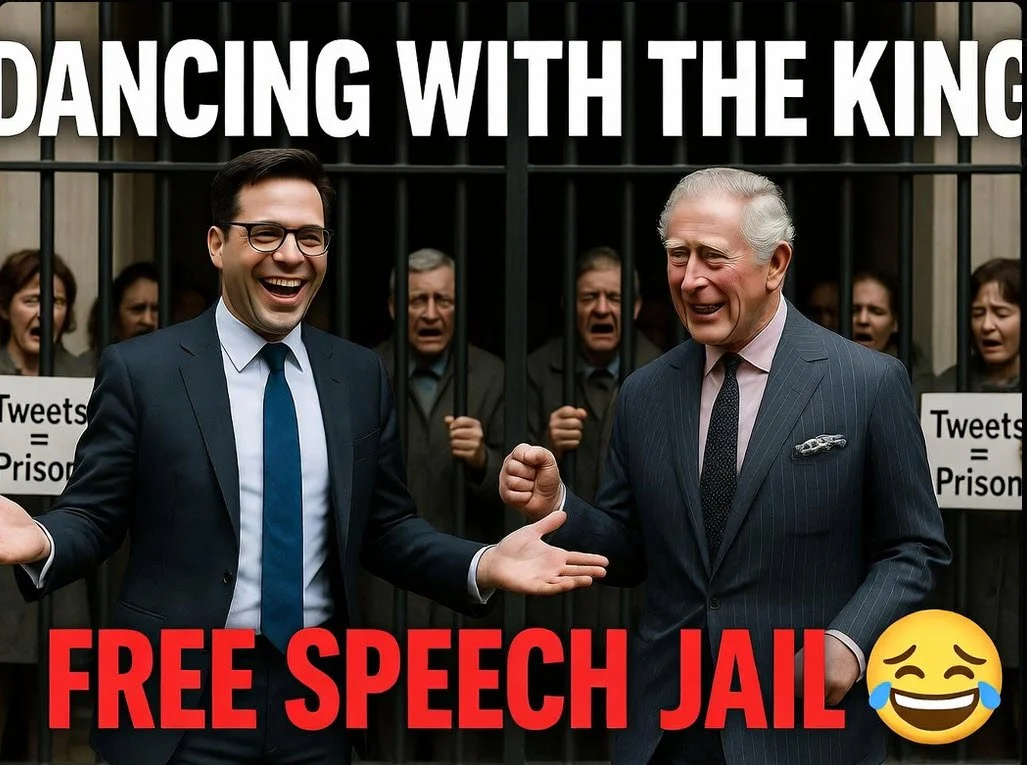
Rather than rolling back the existing Online Safety Act, the Burnham administration faces intense pressure from civil society coalitions (including groups like the NSPCC and the Molly Rose Foundation) to push it much further.
Burnham's team is looking closely at a proposed Digital Media, Data and Communications Bill, which would establish a permanent standing parliamentary committee to constantly update tech regulations to keep pace with AI and algorithm-driven harms.
Proponents view this as essential accountability to stop Big Tech from putting profit over child safety. Opponents, including high-profile critics in the US like House Judiciary Chairman Jim Jordan and Vice President JD Vance, have openly attacked these provisions as an assault on free expression and an attempt to regulate global platforms under British censorship standards.
3. The Under-16 Social Media Ban & Age Verification
The government is moving forward with plans to implement restrictions on children under 16 accessing specific social media platforms.
To enforce this, tech companies will be required to implement strict age-assurance technologies.
Civil liberties groups like Big Brother Watch have strongly opposed this, launching campaigns targeting Burnham. They argue that robust age verification forces data harvesting and creates a "backdoor digital ID" system where adults will eventually have to upload biometrics or official ID just to browse ordinary internet spaces freely.
4. Dropping the National Digital ID Scheme
In a major pivot—and a rare win for digital privacy advocates—Burnham announced he would abandon the nationwide voluntary digital ID scheme originally planned under Keir Starmer. Burnham stated that the massive state resources allocated to the ID rollout would be better spent directly on cost-of-living relief measures. While this specific surveillance mechanism has been dropped, it has not calmed the fears of free-speech advocates who worry that platform-level age checking will create a fragmented version of the exact same thing.
The Portent: Burnham's administration views aggressive digital regulation as a vital public safety mechanism to curb societal polarization and protect institutions. However, by empowering the state to aggressively police algorithmic content and dictate platform boundaries, the UK is heading toward one of the most strictly managed internet landscapes in the Western world—guaranteeing ongoing legal battles over the boundaries of free expression.