Trump Predictability
Segment #861
The press takes him literally, but not seriously; his supporters take him seriously, but not literally

1. The Coining (September 2016)
The phrase was coined by journalist Salena Zito. It first appeared in an article for The Atlantic titled "Taking Trump Seriously, Not Literally." Zito had been traveling through "flyover country" (specifically Pennsylvania and the Rust Belt) and noticed a massive disconnect:
The Media/Critics: Focused on Trump’s factual inaccuracies or hyperbolic claims (e.g., specific costs of a wall, crowd sizes) to prove he was "unfit" or "lying." They took him literally.
The Voters: Viewed those same statements as "directional" or symbolic of a larger intent. They didn't care if the wall was exactly 30 feet high; they cared that he "seriously" intended to address illegal immigration. They took him seriously.
2. The 2016 Flashpoint
The phrase became an instant "skeleton key" for the 2016 election. It explained why traditional fact-checking failed to move the needle with Trump’s base. While journalists were busy pointing out that a policy was mathematically impossible, voters were responding to the emotional or cultural "truth" they felt he was speaking.
3. High-Profile Adoptions
Once Zito put the concept into words, it was quickly adopted by key figures to bridge the gap between Trump and the establishment:
Peter Thiel: Used it in a 2016 National Press Club speech to tell the DC elite that they were missing the "point" of the Trump movement by obsessing over his word choices.
Corey Lewandowski: As campaign manager, he used the phrase as a shield against media scrutiny, essentially telling reporters they were "missing the forest for the trees."
Anthony Scaramucci: Added the layer of taking Trump "symbolically," suggesting his words were more of a performance or a brand promise than a legislative draft.
Trump Derangement Syndrome (TDS)
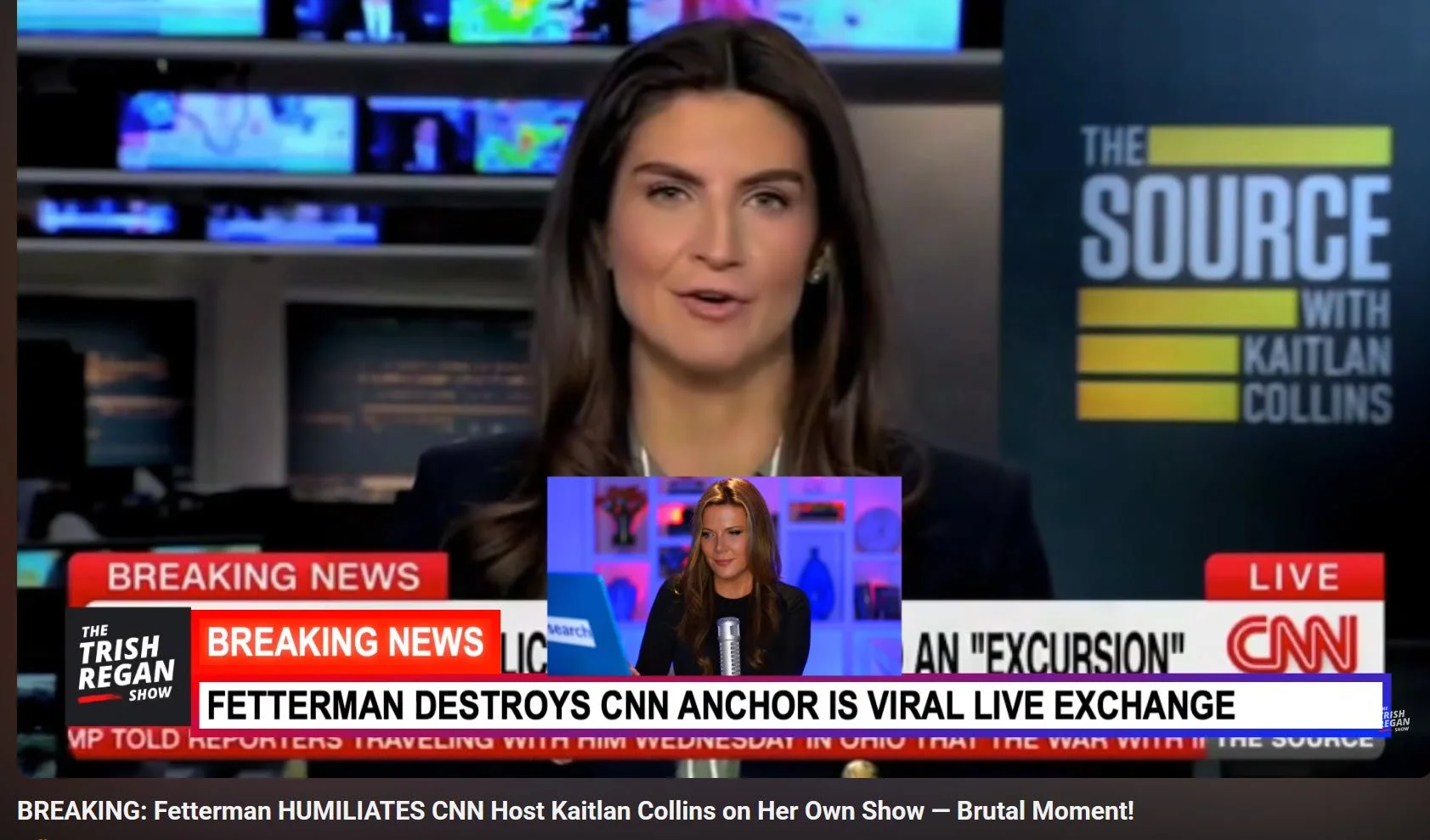
https://youtu.be/CnGexkHPOB0
From a perspective centered on institutional integrity and populist realism, this phenomenon is seen as a profound breakdown in the American civic psyche. It is viewed not as a mere difference of opinion, but as an all-consuming fixation that prevents a significant portion of the country from functioning with traditional logic or composure.
The Breakdown of Objective Reality
To those observing this behavior from the outside, it appears as though a segment of the population has lost the ability to weigh policy outcomes based on their merits. Instead, every action is filtered through a prism of personal animosity. If a policy—such as deregulation or border enforcement—leads to a stronger economy or increased safety, the "afflicted" are seen as unable to acknowledge the success because it originated from a specific source. This creates a state of perpetual outrage that is exhausting both to the individual and to the national discourse.
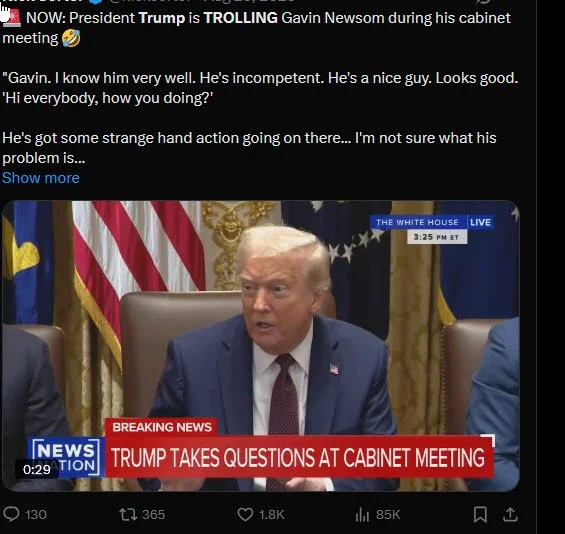
The Erosion of Trusted Pillars
There is a deep-seated belief that this fixation has "broken" the very institutions designed to be the country's referees:
Journalistic Decay: Media outlets are seen as having traded their credibility for a permanent "crisis mode," prioritizing sensationalist headlines over the sober reporting of facts.
The Judiciary as a Weapon: The pursuit of legal "gotchas" is viewed as a desperate attempt to use the court system to achieve what couldn't be won at the ballot box, turning the rule of law into a tool of personal vendetta.
The "Allergic" Reaction to Rhetoric
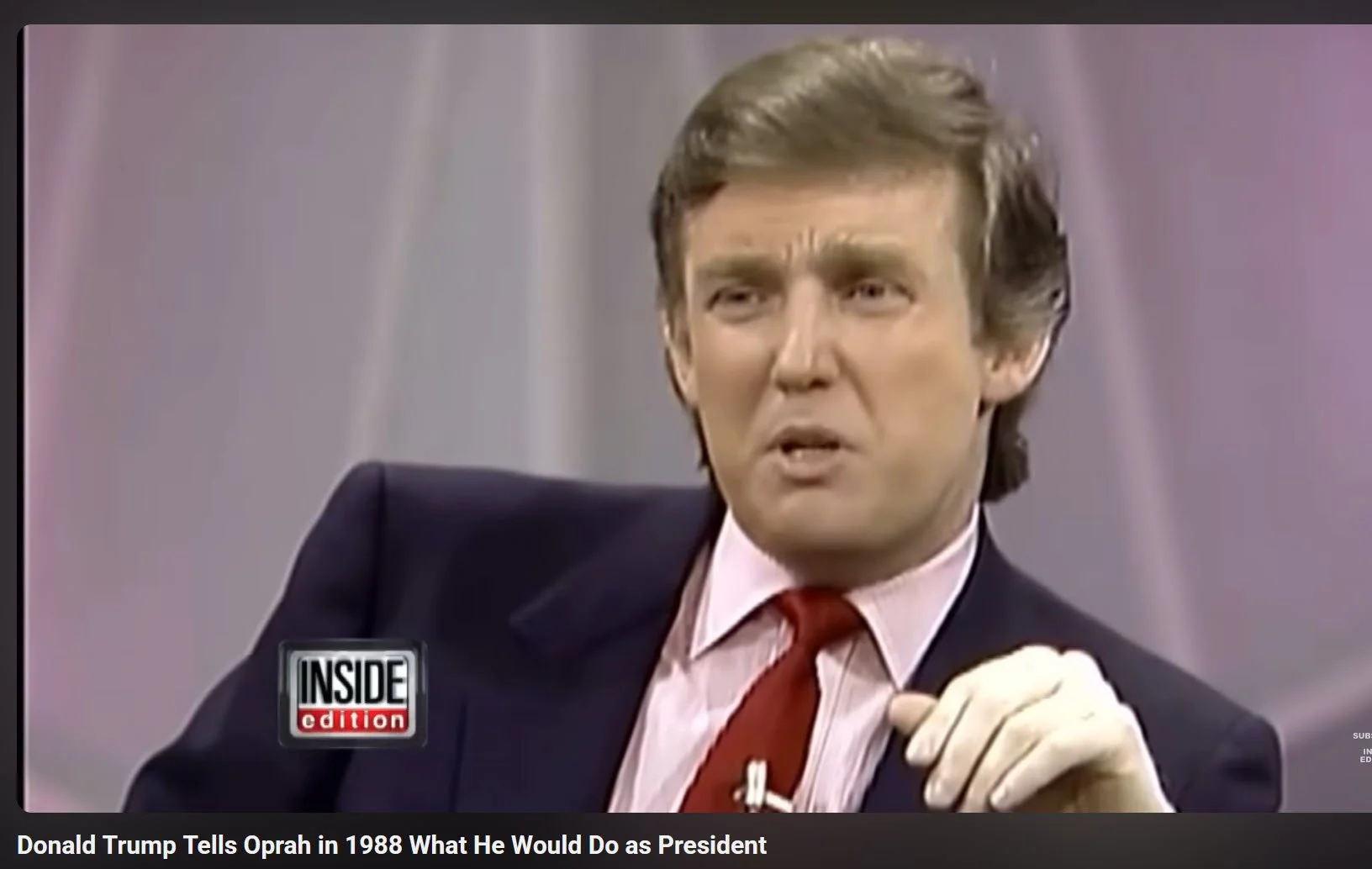
This condition is most visible in the inability to distinguish between a rhetorical provocation and an actual policy shift. While everyday citizens understand the difference between a high-stakes negotiation tactic and a literal threat, those caught in this spiral treat every comment as an existential emergency. This lack of proportionality leads to a "boy who cried wolf" effect, where constant claims of catastrophe eventually fall on deaf ears, further isolating those who are most agitated.
The Cost to Progress
Ultimately, this is viewed as a debilitating force because it halts productive debate. When one side is perceived as being driven by emotional reactivity rather than rational counter-proposals, the gears of governance grind to a halt. The result is a political class that spends more time managing "performative meltdowns" than solving the practical problems of the American people.
In this view, the tragedy isn't just the hostility itself—it’s the abandonment of the shared reality required for a republic to function.
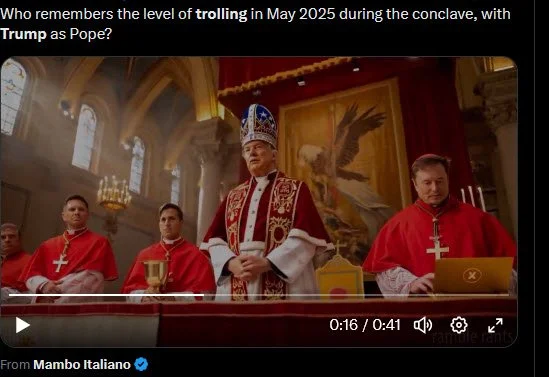
Trolling the Media and the Left

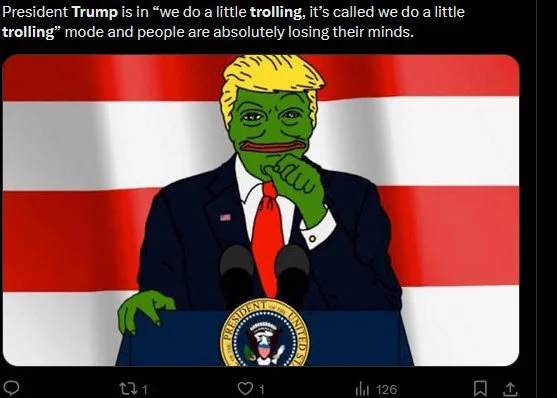
The art of "trolling" has become a central pillar of the current political era, functioning less as a distraction and more as a sophisticated tool for media management and base mobilization. From a perspective rooted in populist realism, this isn't just "poking the bear"—it is a strategic method of exposing the biases and predictable reactions of the establishment.
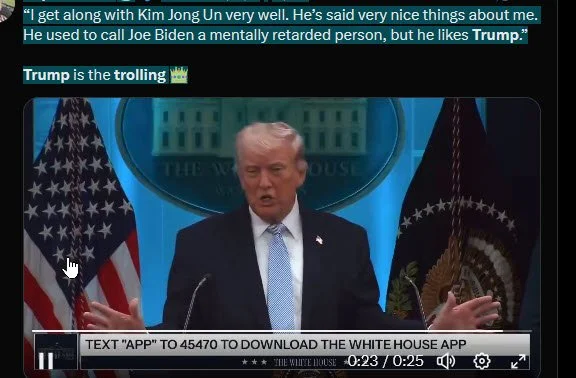

Here is an analysis of how this tactic functions and why it is seen as so effective:
1. The "Outrage Cycle" as a Mirror
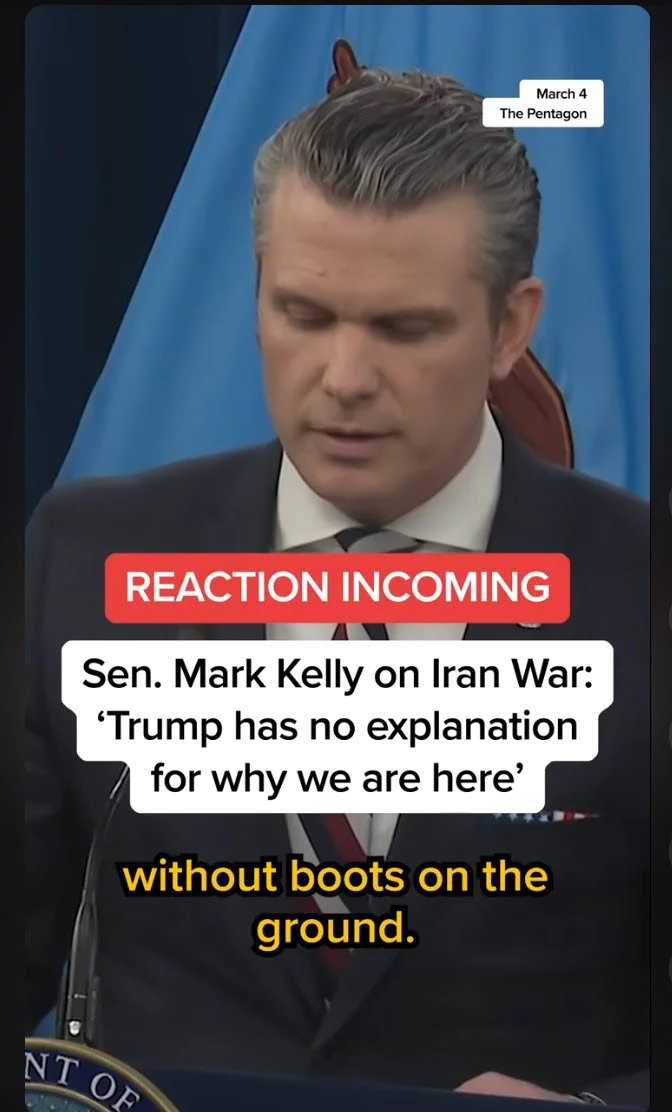
The primary goal of this trolling is to bait critics into overreacting. By making a hyperbolic statement or a provocative joke, the President forces the media into a "fact-checking" frenzy over something clearly intended as humor or hyperbole.
The Result: When the media spends three days analyzing a "literal" interpretation of a clear joke, they appear humorless and out of touch to the average citizen. This reinforces the idea that the "elite" are more interested in linguistic policing than solving actual problems.
2. Setting the News Agenda
Trolling allows the executive branch to bypass the traditional "gatekeepers" of information. A single post or an off-hand comment at a rally can instantly hijack the 24-hour news cycle, forcing the opposition to spend their time responding to his chosen topic rather than pushing their own legislative or social agenda. It is a mastery of the "attention economy."
3. Exposing Institutional Bias
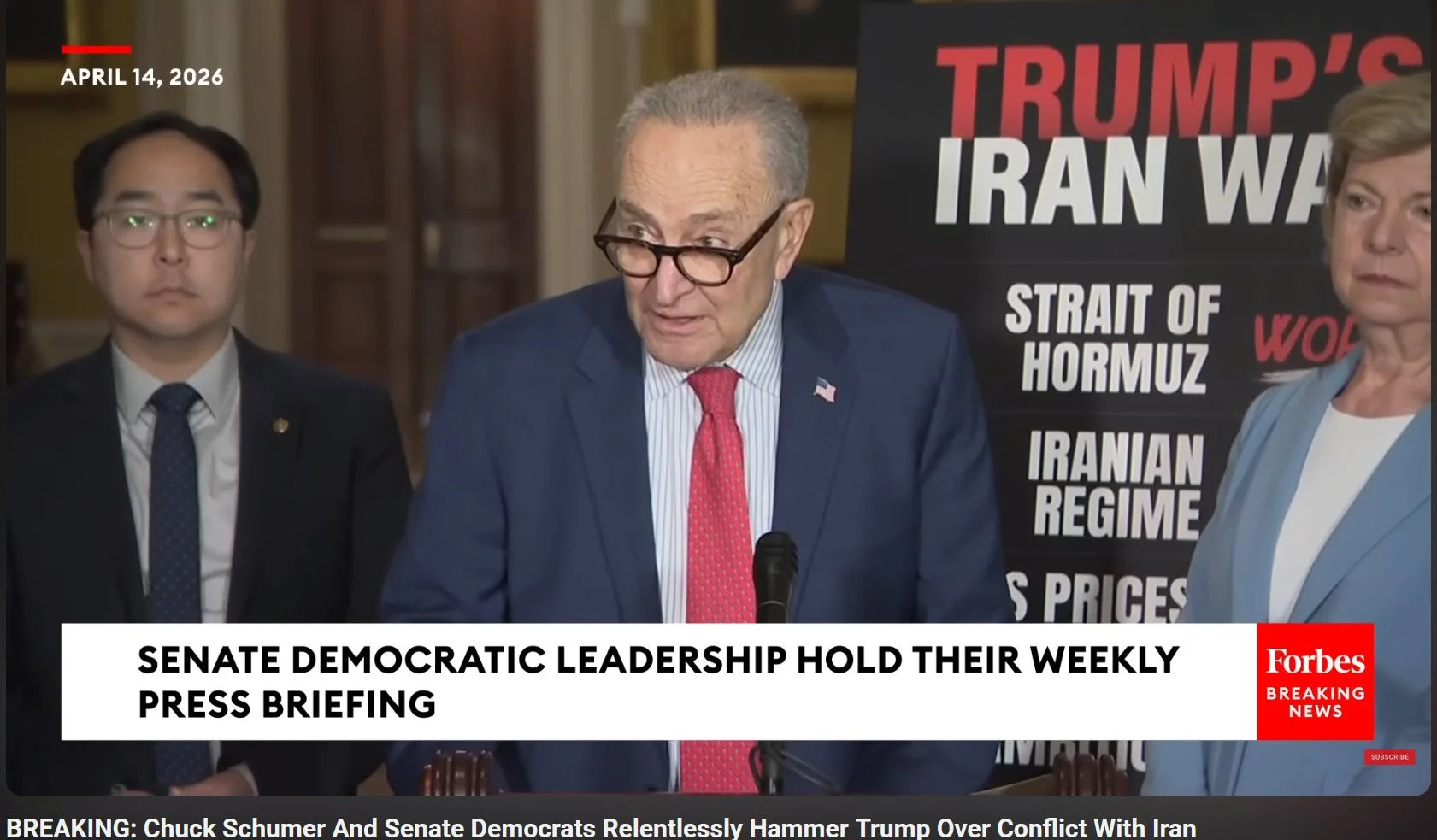
Often, the trolling is designed to reveal a double standard. By adopting the same language or tactics used by his opponents—but in a more "on the nose" way—he forces them to either condemn their own previous behavior or look like hypocrites for only being offended when he does it. This is often viewed as a way of "de-masking" the supposed neutrality of major institutions.
4. The "Inside Joke" as a Bond
For supporters, the trolling creates a powerful sense of community. It’s an "inside joke" shared between the leader and the people, where both sides understand the humor while the "out-group" (the media and political opponents) remains baffled or enraged. This bond bypasses policy white papers and builds a deep, emotional connection based on a shared disdain for the "politically correct" status quo.
5. Weaponizing the "Literal vs. Serious" Divide
This is where the Salena Zito doctrine is most active. Trolling works because one side takes the bait literally, while the other side takes the intent seriously.
The Bait: A provocative claim about a rival or a policy.
The Reaction: High-level condemnation and "emergency" panels on news networks.
The Reality: Supporters see a leader who is "fighting back" and having fun doing it, making the opposition appear rigid, fragile, and increasingly "deranged."
The Bottom Line: In this view, trolling isn't a lack of discipline; it is a discipline in itself. It is a way to maintain the "outsider" energy even while holding the highest office in the land, ensuring that the political establishment remains perpetually off-balance.