The FBI Before and After
Segment #689
Christopher Wray led the FBI as a traditional, risk-averse law-enforcement and intelligence bureau head, emphasizing institutional continuity and political neutrality, whereas Kash Patel’s tenure is defined by an explicit mandate to “clean house,” aggressive politicized rhetoric, and internal turmoil over loyalty, fear, and competence. In short, Wray was a conventional career lawyer-bureaucrat trying to defend the Bureau’s independence; Patel is a political loyalist using the FBI as a vehicle for broader populist and “anti–deep state” goals, with substantial internal and external backlash.pbs+5
Who they are
Christopher Wray
Former federal prosecutor and Assistant Attorney General heading DOJ’s Criminal Division, confirmed FBI director in 2017 with broad bipartisan Senate support, and resigned effective at the end of the Biden administration in 2025.justice+3
Career profile is classic establishment: elite education, DOJ leadership, BigLaw partnership, then ten‑year term–style directorship focused on counterterrorism, cyber, and traditional criminal work.law.yale+3
Kash Patel
Former public defender turned Hill and Trump-world operative: staff to Rep. Devin Nunes during the Russia/FISA fights, senior roles in the Trump administration including at the NSC and as chief of staff to acting Defense Secretary Christopher Miller.cnn+2youtube
Rose not through law-enforcement management but through political loyalty, media presence, and public attacks on the “deep state,” later becoming a prominent right‑wing commentator and author before being put in charge of the FBI.youtubenpr+2
DC Bomber Case
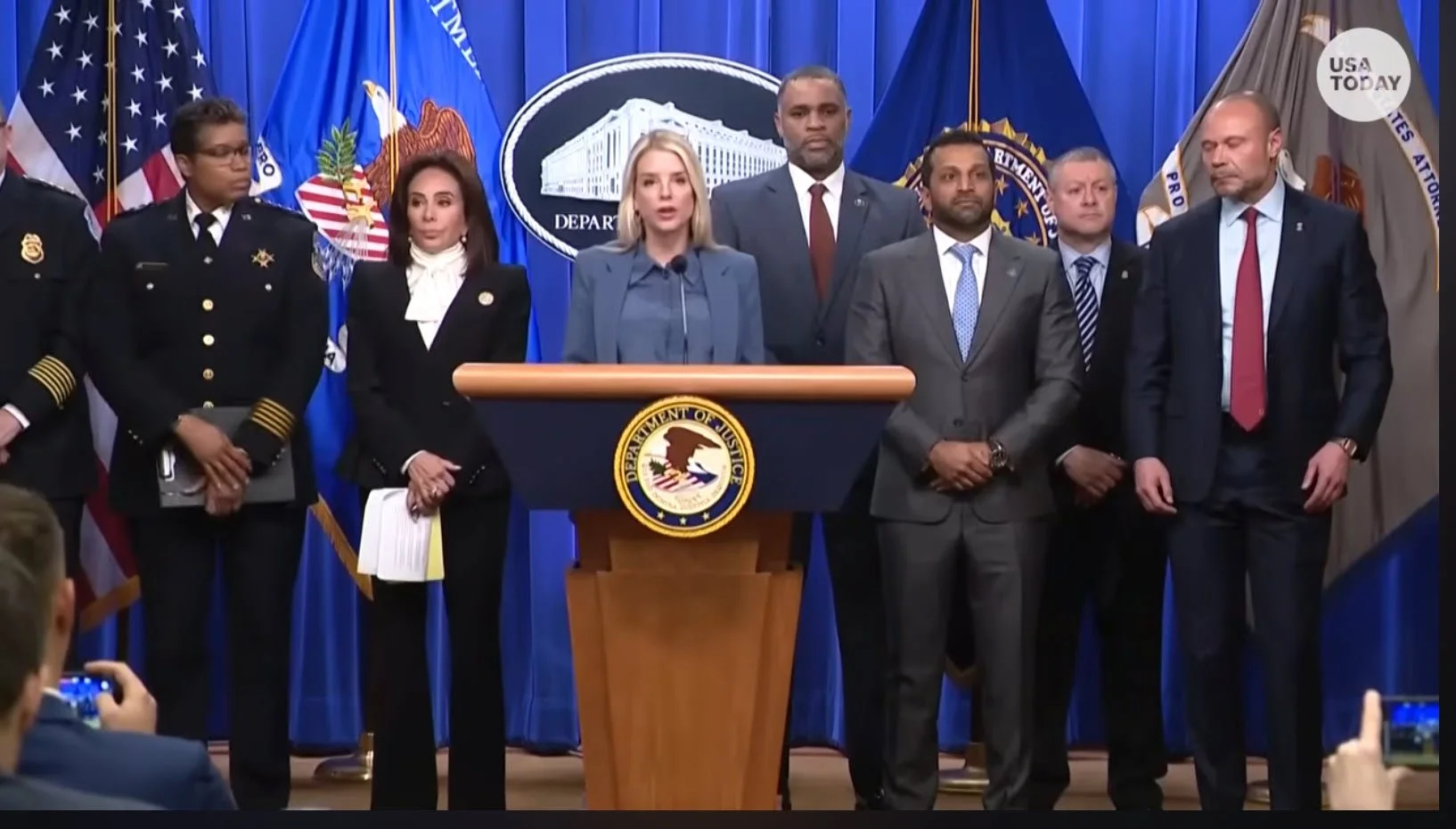
The DC pipe bomber case is being used by Kash Patel and his allies as a showcase of how Wray’s FBI allegedly sat on usable data and leads for years, versus Patel’s Bureau re-mining the same information and finally producing an arrest. The facts do show a long period of little visible progress under Wray and a relatively rapid “cold case” breakthrough under Patel, but they also show a mix of institutional failure, political narrative‑building, and open questions about what was truly “new” in Patel’s approach.justice+5youtube
What happened in the DC bomber case
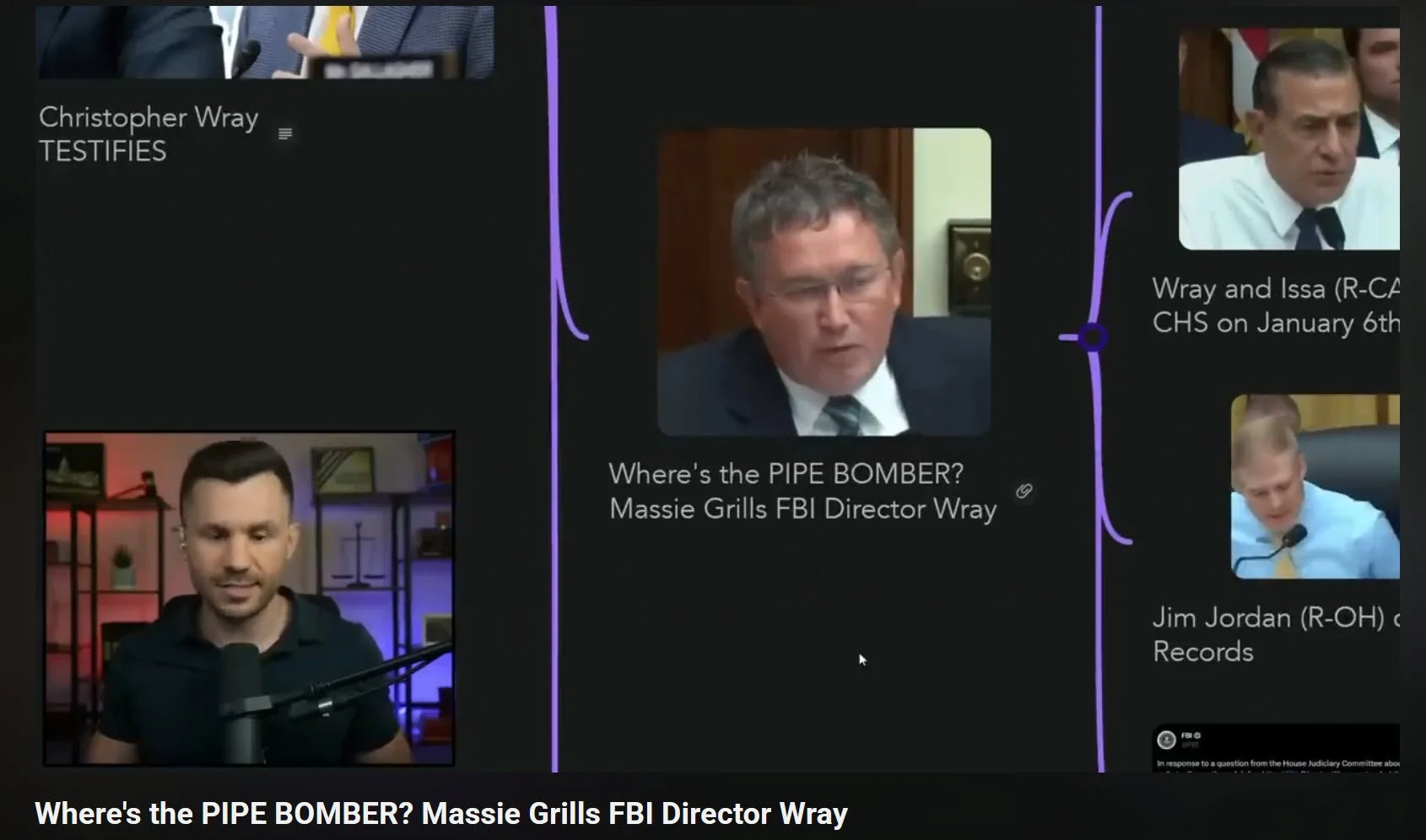
On January 5, 2021, two pipe bombs were placed near the RNC and DNC headquarters in Washington, D.C., drawing law enforcement away from the Capitol area on the eve of January 6. The devices were later safely disrupted, and the FBI took custody, launching a major investigation that included reviewing tens of thousands of videos and hundreds of tips, but no suspect was identified for nearly five years.npr+4
In early December 2025, the FBI arrested Brian J. Cole Jr. of Woodbridge, Virginia, charging him with transporting and placing the devices based largely on geolocation, video, and other forensic and digital evidence that had existed in some form since 2021. Former agents and outside observers immediately questioned why such “basic” leads had not produced an arrest earlier, given that a large reward and extensive investigative resources had been deployed.pbs+6
Wray’s FBI: effort without exploitation
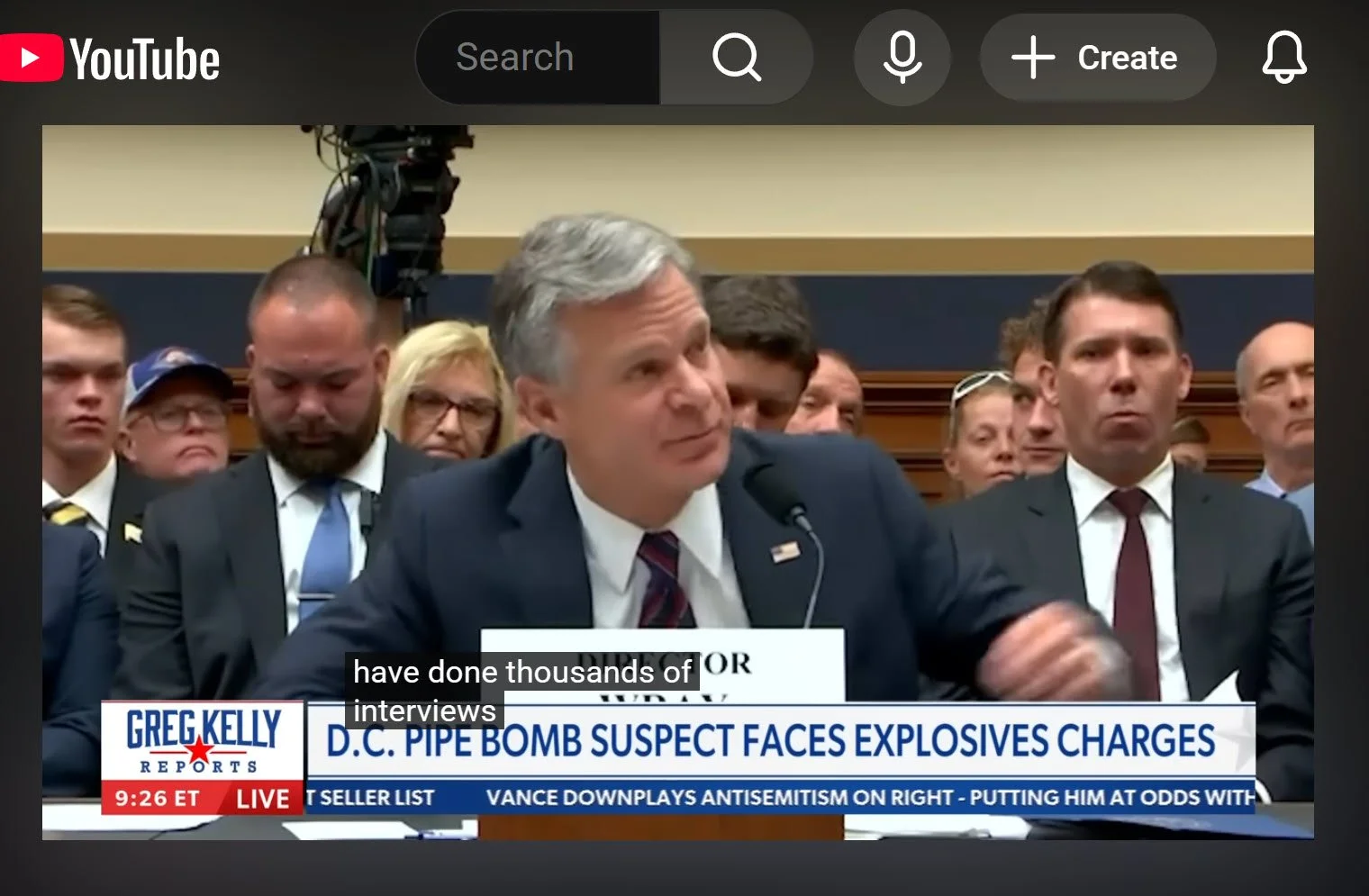
Under Christopher Wray, the Bureau repeatedly emphasized the scale of the effort—tens of thousands of video files reviewed, hundreds of interviews, extensive lab work, and offers of up to 500,000 dollars in reward money—yet publicly admitted no significant progress or suspect identification. Congressional oversight letters and whistleblower material also raised concerns that key data sources, including phone-location records near the bomb sites, were mishandled or “corrupted,” and that the Bureau was slow or evasive in briefing Congress on what it actually knew.cha.house+5
This fits a broader critique of Wray’s tenure: enormous data intake but weak analytic and leadership follow‑through, plus a strong institutional instinct to protect the Bureau’s image and methods even when transparency and aggressive re‑exploitation of data might have been warranted. In that frame, the unsolved bomber became a symbol of a risk‑averse, process‑heavy FBI that was better at stating its effort than at converting data into decisive results.congress+3
Patel’s FBI: re‑mining the same data
When Kash Patel took over, he publicly cast the DC bomber case as a test of whether a “re‑missioned” FBI could use existing evidence properly rather than just stockpiling it. Patel and Attorney General Pam Bondi have said that his team re‑examined roughly three million “lines” of data—location traces, video, financial and travel records—run through updated analytic tools and new investigative strategies, generating leads that ultimately pointed to Cole.youtube+2nypost
Patel’s own description is explicit: he claims prior leadership “refused and failed” to fully exploit the data, whereas under his direction agents were told to go back to the beginning, correlate datasets more aggressively, and pursue legal process (such as search warrants) that had not been fully used before. He and Bondi have framed the arrest as proof that when the Bureau is directed to focus on “actual wrongdoers” instead of politically sensitive cases or public‑relations concerns, it can crack even cold, complex investigations.youtube+1nypost+1
Why this is a stark contrast
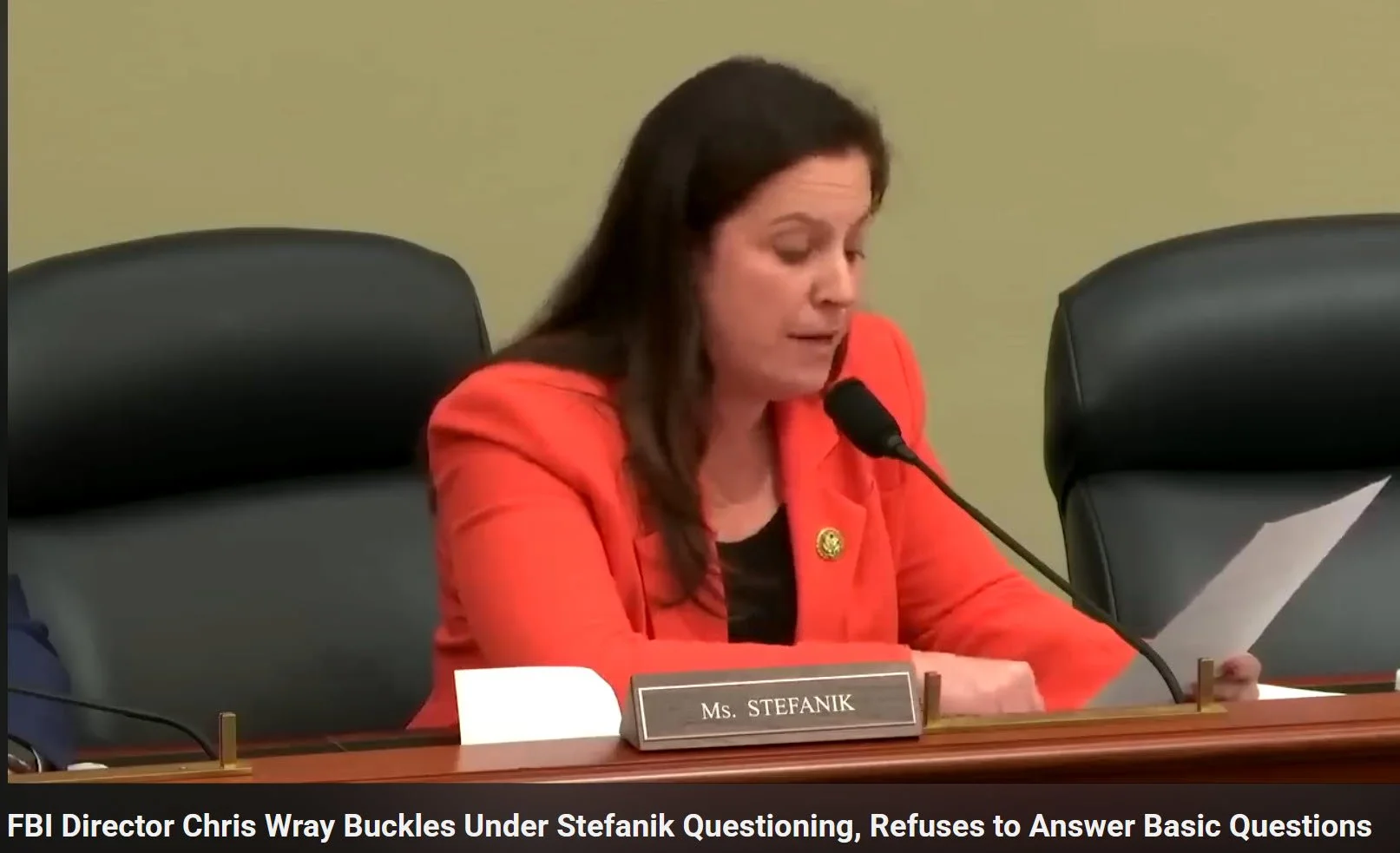
The DC bomber case highlights at least three practical contrasts between Wray’s and Patel’s FBI:
Use of existing data vs. “new” information
Under Wray, the Bureau had massive data but appears to have struggled with quality, integration, and prioritization, including reports of corrupted phone data and incomplete cross‑matching of key leads. Under Patel, the narrative is that little or no new data arrived, but a more aggressive analytic and investigative posture—rebuilding the case from the raw information—finally produced a suspect.denvergazette+2youtube+1Leadership focus and accountability
Wray defended the investigation in hearings, expressed “total confidence” in his team, and stressed that some cases simply take time, but did not visibly reorganize or publicly reset the effort in response to congressional criticism. Patel made the case a top political and operational priority, publicly criticizing his predecessors, reshuffling responsibilities, and then claiming personal and presidential credit once the arrest was made.foxnews+4youtube+1Transparency and narrative control
Wray’s FBI communicated sparingly and defensively about the bomber investigation, fueling speculation and conspiracy theories about why such an important case remained unsolved. Patel’s FBI has saturated media space with its account of “relentless” police work and leadership change, which has given the Bureau a success story but also turned an operational case into a partisan example of “Biden‑era incompetence versus Trump‑era resolve.”nypost+5youtube
How to think about “failure” versus “fix”
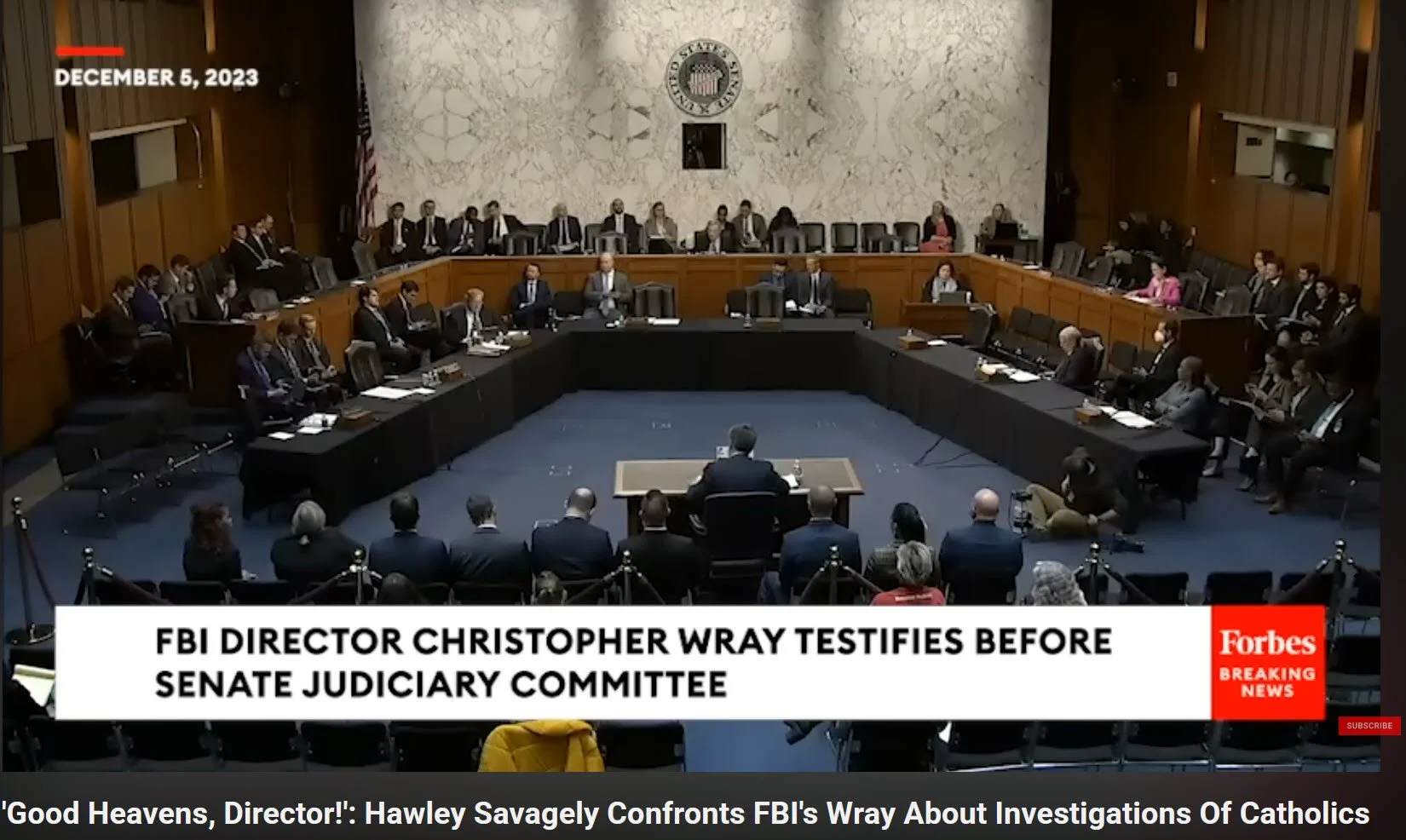
From an analytic standpoint, the DC bomber case does support the claim that Wray’s FBI failed to fully exploit available data and evidence, at least in the sense that a later, differently directed team found a viable suspect without any dramatic new tip or confession. At the same time, the difference is not only technical; it reflects leadership priorities, risk tolerance, and willingness to reorder internal incentives around one politically freighted case.news3lv+5youtube
So the case is a powerful contrast, but it is also a caution: a Bureau can move from under‑using evidence out of caution and bureaucracy to over‑politicizing evidence in pursuit of a narrative. The challenge—if the DC bomber episode is used as a lesson—is to demand an FBI that actually exploits its data with modern tools and accountable leadership without turning every high‑profile case into a test of loyalty to whichever political faction currently controls the director’s office.kval+4
References:
https://www.npr.org/2025/12/04/nx-s1-5632646/fbi-pipe-bombs-arrest
https://www.congress.gov/event/118th-congress/house-event/116959/text
https://courthousenews.com/jan-6-pipe-bomb-suspect-charged-after-cold-case-arrest/
https://media.washtimes.com/media/misc/2022/03/21/Letter_3.21.22.pdf
https://www.ajc.com/politics/who-is-fbi-director-christopher-wray/6W7DR2TJF5DNHHBQ4B7XGYA2UI/
https://www.theguardian.com/us-news/2025/dec/01/fbi-kash-patel-leaked-report
https://nymag.com/intelligencer/article/fbi-director-kash-patel-malignant-incompetence.html
https://static.itsyourgov.org/Wray-Referral-6-26-25%20final.pdf
What’s the Future for Wray and His FBI
Patel and Bongino are backing multiple inquiries into Wray’s tenure, but as of now there is no public finding that Wray criminally lied to Congress or clearly acted beyond the FBI’s lawful authority; instead, there are serious political accusations, a contempt fight, and at least one active DOJ probe into how his leadership handled documents and January 6–related information. The situation is best understood as a mix of real oversight and politicized payback, with legal outcomes still uncertain.propublica+6youtube
What Patel and Bongino are “investigating”
Kash Patel, as director, and Dan Bongino, as deputy director, have publicly portrayed themselves as cleaning up and exposing past “weaponization” at the FBI, including under Wray. Their priorities include:foxnews+2
Reviewing January 6 operations, especially the presence and role of agents and informants in D.C. that day, and whether Wray misled Congress about them.cnn+1youtube
Supporting or facilitating Justice Department investigations into alleged document destruction or mishandling tied to the Durham probe and other politically sensitive cases between 2020 and 2024.cnn+1
Re‑examining high-profile matters like the DC pipe bomber, Hunter Biden, and Biden‑linked corruption claims as examples of supposed selective enforcement.foxnews+2
At the same time, independent reporting describes Patel/Bongino’s own leadership as highly political and chaotic, with purges of career officials and internal accusations of misuse of authority under the banner of reform.abc3340+2
Did Wray lie to Congress?
The main perjury allegation centers on what Wray told Congress about FBI agents and sources on January 6:
In earlier testimony, Wray resisted detailed answers about informants and undercover personnel in the crowd, generally saying he was not aware of FBI agents “instigating” violence and that he could not discuss confidential sources.npr+2
In 2024, the DOJ inspector general reported that no undercover agents were in the Capitol itself, but there were 26 paid informants in D.C. that day, mostly run by field offices for general extremist monitoring rather than directed to foment crimes.oig.justice+1
Trump and Patel now claim that later disclosures about plainclothes agents or CHSs contradict Wray’s earlier statements and show he “lied” about FBI presence and roles on January 6. However:youtubepolitico+1
Those claims remain allegations; there has been no court ruling or independent investigative report concluding that Wray knowingly made materially false statements under oath.abcnews.go+3
A separate flashpoint was Wray’s partial resistance to a House Oversight subpoena over a Biden‑related confidential informant report, which led to a contempt‑of‑Congress resolution threat—but that was resolved via limited viewing arrangements rather than a prosecuted contempt case.oversight.house+1
So, at present, it is accurate to say Wray is accused by Trump, Patel, and some Republicans of lying to Congress; it is not accurate to say it has been established that he did.politico+3
Did Wray exceed the FBI’s authority?
Critics from both left and right argue that under Wray the FBI pushed its powers to or past the line in several areas, but again, this is more about contested interpretations of authority than clear-cut illegal overreach:
Civil-liberties groups have long criticized Wray for defending broad surveillance and Patriot Act–style authorities, including NSLs and expansive interpretations of “national security,” which audits later showed were abused across multiple administrations.aclu+2
Republicans have focused on alleged overreach in social‑media contacts (perceived “censorship”), the Hunter Biden laptop and Biden bribery informant file, and the scale and framing of January 6 as “domestic terrorism,” arguing these reflected politicized targeting of conservatives.protectdemocracy+3
However:
Those actions—coordination with platforms, aggressive domestic-terrorism investigations, handling CHSs—fall within the broad statutory and regulatory framework that has governed the FBI for years; the debate is whether they were misused, not whether Wray invented new powers.congress+3
The only clearly criminal‑framed inquiry currently reported is the DOJ national‑security investigation into possible document destruction or mishandling tied to the Durham investigation during Wray’s tenure, which is ongoing and has not produced public charges.cnn+1
In other words, Wray’s FBI may well have stretched discretion in controversial ways, but there is not yet public evidence that he personally ordered actions plainly outside the statutory authority of the Bureau.
Where things stand now
Wray faces:
Ongoing political accusations of perjury about January 6, now echoed and amplified by Patel and Bongino.cnn+2youtube
An active DOJ probe concerning document handling, plus a history of intense congressional friction over transparency and subpoenas.oversight.house+2
Patel and Bongino, in turn, are under scrutiny for their own use of authority, including purges, waiving of vetting rules, and politicized management inside the FBI.politico+3
So the accurate, narrow answer is: Wray is under investigation and accused of lying to Congress and misusing his powers, but no neutral body has yet concluded that he committed perjury or clearly operated outside the FBI’s legal authority.bbc+3
References:
https://www.propublica.org/article/fbi-kash-patel-dan-bongino-waived-polygraph
https://www.newyorker.com/magazine/2025/11/24/kash-patels-acts-of-service
https://www.cnn.com/2025/09/27/politics/trump-accuses-wray-lying
https://www.cnn.com/2025/09/29/politics/trumps-doj-probes-former-fbi-leadership
https://www.politico.com/news/2025/06/11/fbi-patel-bongino-epstein-files-00400434
https://www.politico.com/news/2025/09/27/trump-january-6-fbi-00583383
https://www.foxnews.com/politics/5-biggest-fbi-scandals-during-christopher-wrays-tenure-director
https://www.nationalreview.com/news/fbi-arrests-suspect-in-january-6-pipe-bomb-investigation/
https://www.npr.org/2023/07/12/1186993033/fbi-director-house-hearing-christopher-wray
https://protectdemocracy.org/work/chris-wray-testifying-congress/
https://www.aclu.org/news/national-security/christopher-wray-has-troubling-record-civil-liberties
https://thehill.com/homenews/house/4094089-fbi-wray-takes-aim-gop-claims-politicization/
https://www.brennancenter.org/our-work/research-reports/focusing-fbi
https://www.facebook.com/story.php?story_fbid=1292301372927458&id=100064428234085