Student Loans - A Disaster that Has Happened
Segment #690
Think about a home loan without the equity, without any possibility of appreciation, and that’s not dischargeable in bankruptcy. Now you have a pretty solid reason why today’s American youth may see socialism as the only way out. When Obama shifted this loan obligation to the government an argument could be made that failure was both as predictable and intended as Obama Care as a first step to Government Healthcare. Obamacare only survives with subsidies hanging over a significant portion of the U.S. like a guillotine waiting to drop.
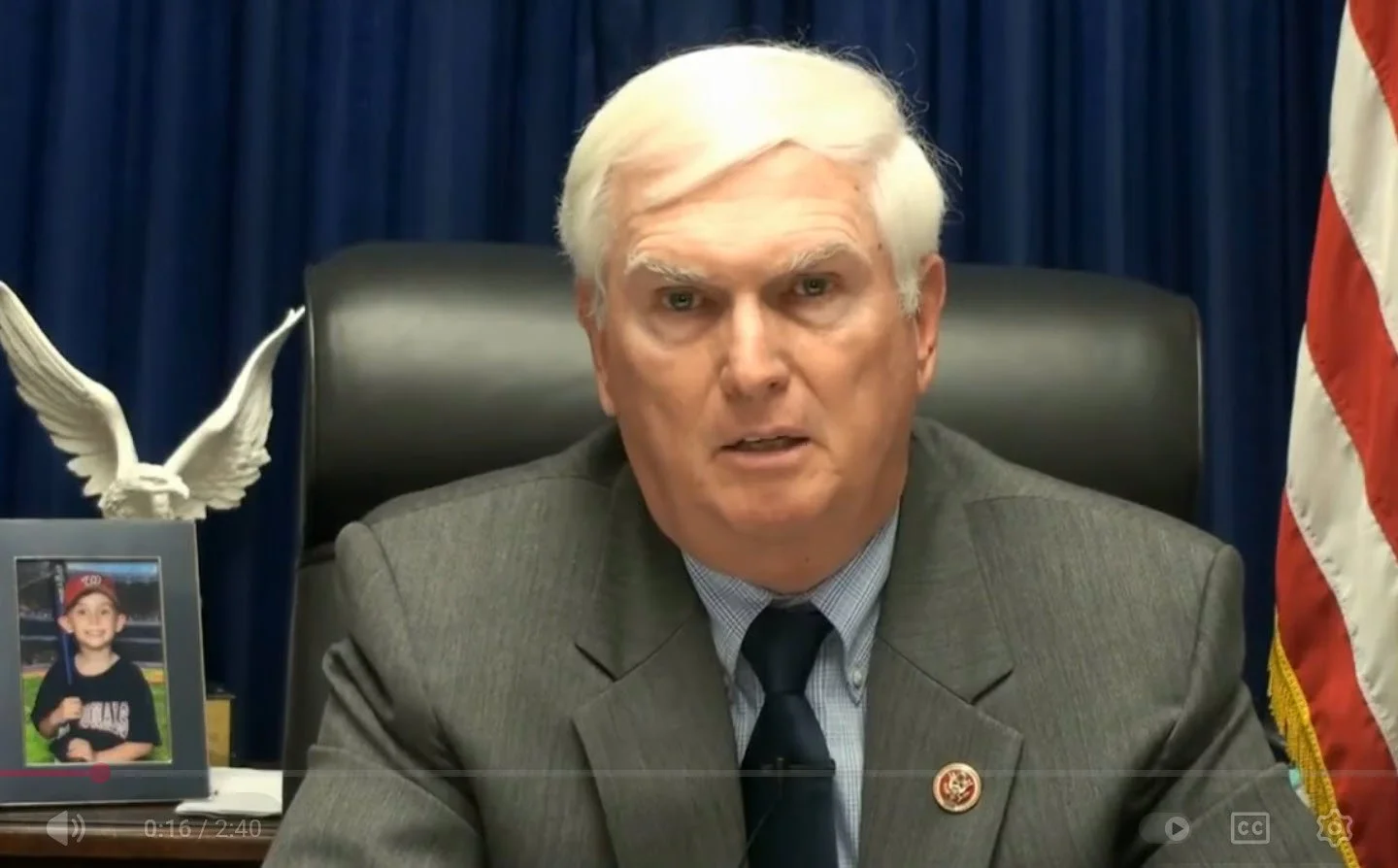
This is Congressman John J. Duncan Jr. in 2013 - The government came to help and costs exploded...
Student loans and the Affordable Care Act (ACA/“Obamacare”) share a common pattern: both are federal attempts to expand access (to college and to health care) using complex subsidies, regulations, and partnerships with private actors—producing big social gains but also serious affordability and cost-control problems. Any solution now has to tackle both sides of that pattern: rein in prices and risk, while preserving or redesigning access rather than just adding more debt, subsidies, or narrow forgiveness.wikipedia+4
Brief history of student loans
Modern federal student loans began with the National Defense Education Act of 1958, which offered loans mainly to students in technical and teaching fields in response to Sputnik. The Higher Education Act of 1965 then created broad-based federal aid and the Federal Family Education Loan (FFEL) program, where private lenders made loans that the government subsidized and guaranteed against default.pgpf+2
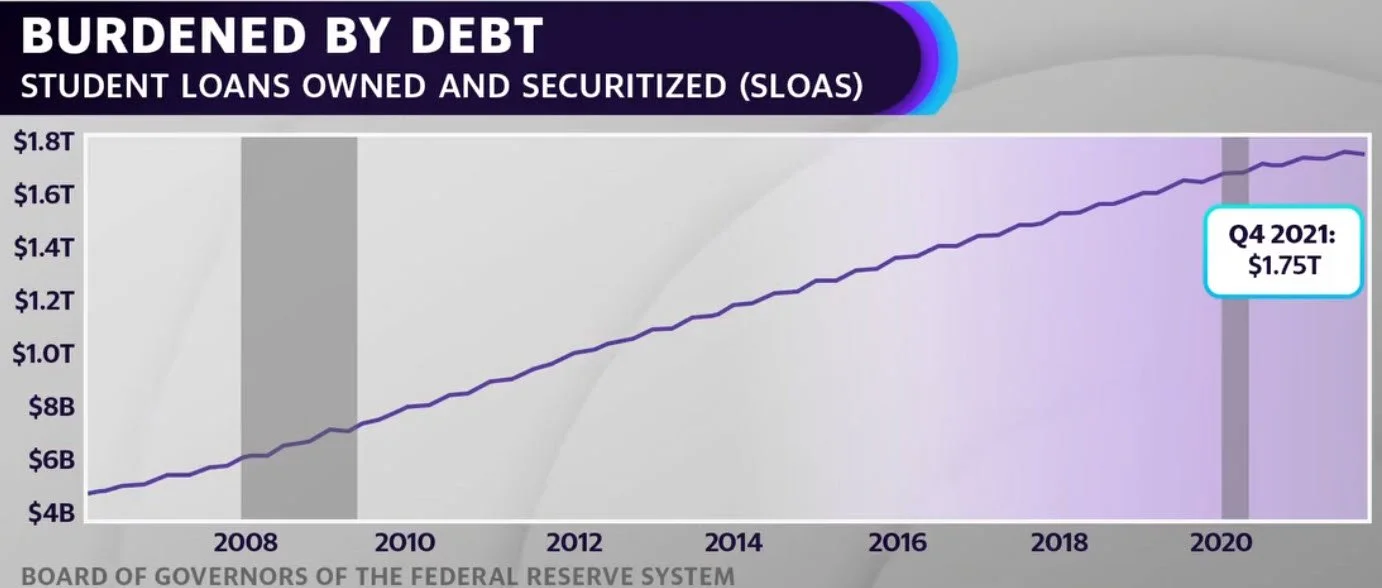
Over the 1970s–1990s, Congress layered on more aid and complexity: Sallie Mae was created in 1972 to buy, service, and securitize loans; the FAFSA, Direct Lending, and unsubsidized loans appeared in 1992, shifting more interest costs onto students and normalizing debt as the primary pathway to college. In 2010, FFEL was ended for new loans and the system moved fully to Direct Loans, which the Congressional Budget Office estimated would save tens of billions by cutting out the lender “middleman,” but did not stop tuition and total debt from soaring above 45 million borrowers and roughly 1.7 trillion dollars in outstanding debt.acu+2
What went wrong with student loans
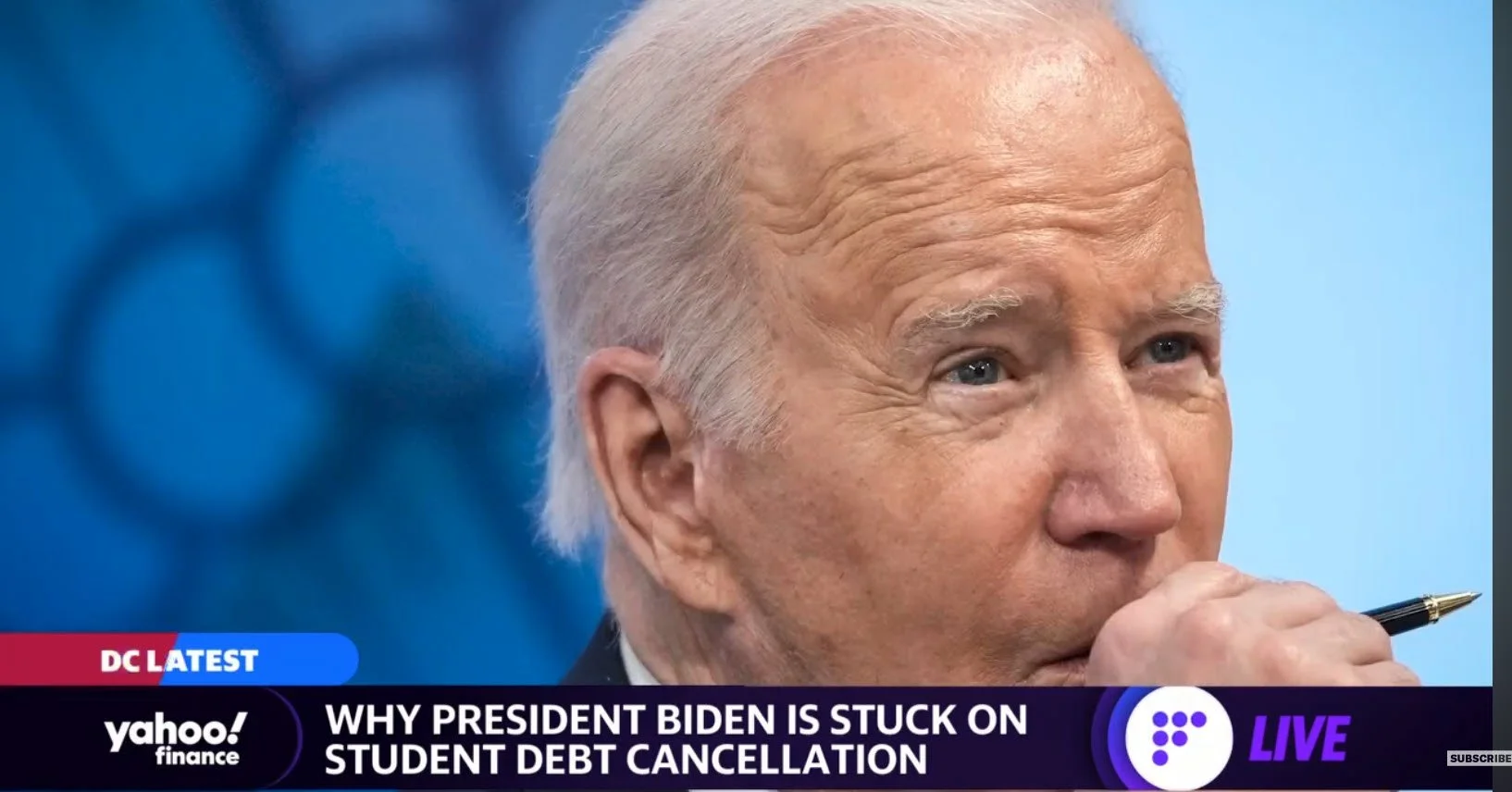
The core problem is that easy, federally backed credit let colleges raise prices faster than inflation while shifting risk to students and taxpayers. Because colleges got paid up front and loans were rarely dischargeable in bankruptcy, institutions bore limited downside even when programs produced poor earnings, while many borrowers—especially non-completers and those at low-value programs—ended up over-indebted relative to their income.bfi.uchicago
Policy responses like income-driven repayment (IDR) and targeted forgiveness helped some borrowers but added complexity and long-term cost while not directly restraining tuition, marketing, or low-quality programs. The result is a system where access expanded, but risk and confusion were socialized, and the underlying price and quality problems remain largely unsolved.bipartisanpolicy+3
Parallels with Obamacare
The ACA was likewise designed to expand access—this time to health insurance—without blowing up the existing mixed public–private system. Rather than replacing private insurance, it overhauled the individual market by banning pre-existing-condition exclusions, limiting how much insurers can vary premiums, defining essential benefits, and offering income-based subsidies through marketplaces while mandating (or strongly nudging) individuals to buy coverage.wikipedia+2
Just as student loans guaranteed lenders and colleges a large, subsidized customer base, ACA rules and subsidies guaranteed insurers a regulated market with millions of new customers, while trying to control adverse selection via mandates and risk adjustment. In both cases, the federal government expanded access by bolting new subsidies and protections onto existing private systems, which improved inclusion but struggled with cost growth, complexity, and public frustration over affordability.obamawhitehouse.archives+3
The structural parallel
Three big parallels stand out:
Access first, cost later
Both systems prioritized expanding coverage—college seats and insurance cards—while underestimating how providers (colleges, hospitals, insurers) would respond to new federal money and rules by adjusting prices, program design, or networks.kff+3Risk shifted away from institutions
In student loans, the government absorbed default risk and made loans nearly inescapable; in the ACA, insurers gained new customers with protections like risk adjustment and subsidies, while patients and taxpayers faced ongoing premium, out-of-pocket, and fiscal pressures.pgpf+2Layered complexity instead of reset
Both areas accumulated overlapping programs, exceptions, and special rules (multiple loan types and IDR plans; Medicaid expansions, marketplace tiers, subsidies, and waivers), which makes the systems hard for ordinary people to navigate and politically difficult to reform.pmc.ncbi.nlm.nih+3
This is why both debates end up sounding similar: one camp pushes more subsidies or relief to fix affordability; another argues that without structural price and accountability reform, more money only feeds the underlying cost problem.ticas+2
What can be done now
Solving the student loan problem now means working on several fronts at once—tuition, program quality, borrower relief, and system simplicity—very much like the best reforms proposed for health care costs, not just coverage.bipartisanpolicy+3
Key directions that economists and bipartisan policy groups emphasize include:
Tie federal money to value
Require colleges with consistently poor repayment and earnings outcomes to lose access to federal loans and grants (“program-level accountability”), including for certain graduate and professional programs that generate high debt and modest earnings.bfi.uchicago+1
Use “gainful employment”–style metrics across more sectors, so that federal aid follows programs that reliably improve students’ earnings net of debt.bfi.uchicago
Constrain how much can be borrowed for low-value programs
Set tighter loan caps for programs where typical graduates cannot reasonably repay under standard terms, particularly some graduate and professional tracks where federal limits are currently high.ed+1
Combine loan caps with transparency so students see realistic debt-to-income projections before enrollment.bipartisanpolicy+1
Simplify and harden income-based repayment as the default
Replace today’s patchwork of IDR plans with a single, simple formula that caps payments at a fixed share of income above a basic threshold, automatically adjusts via the tax system, and ends in clear, time-limited forgiveness.ticas+1
Ensure that plans ask more of high-income, high-debt borrowers (for example, some graduate borrowers) while still protecting low-income and vulnerable groups, reducing both default and administrative chaos.bipartisanpolicy+1
Target relief rather than broad amnesties
Focus forgiveness on borrowers who were misled by institutions, attended programs that have been sanctioned or shut down, or have carried debt for long periods despite low incomes, instead of repeated broad one-time cancellations that do not alter institutional incentives.ticas+1
Make discharge more realistic in bankruptcy for truly hopeless cases, while guarding against abuse, aligning debt treatment more closely with other forms of unsecured credit.bfi.uchicago
Go upstream to college pricing and alternatives
Encourage or require states and public systems to restrain tuition in exchange for federal aid, akin to how some ACA waivers and payment reforms attempt to curb healthcare price growth.kff+1
Invest more in lower-cost pathways (community colleges, apprenticeships, short-term programs with proven outcomes) so that “college” is not synonymous with “four-year high-debt degree,” and redirect aid toward options with solid earnings and completion data.bfi.uchicago
References:
https://en.wikipedia.org/wiki/Student_loans_in_the_United_States
https://www.pgpf.org/article/why-did-the-federal-government-get-involved-in-student-loans/
https://www.kff.org/affordable-care-act/health-policy-101-the-affordable-care-act/
https://bfi.uchicago.edu/insights/what-went-wrong-with-federal-student-loans/
https://acu.edu/2022/03/07/student-loans-a-helpful-history-and-look-forward/
https://ticas.org/affordability-2/reconciliation-2025-student-loans/
https://obamawhitehouse.archives.gov/healthreform/healthcare-overview
https://www.bu.edu/fairstudentloans/a-brief-history-of-student-loans/
https://www.luminafoundation.org/history-of-federal-student-aid/chapter-one/
https://www.edvisors.com/student-loans/federal-student-loans/history-of-student-loans/
https://www.nea.org/nea-today/all-news-articles/project-2025-and-higher-education
https://www.ihep.org/initiative/looking-back-to-move-forward-a-history-of-federal-student-aid/
https://library.nclc.org/book/student-loan-law/13-brief-history-federal-student-loans
https://www.luminafoundation.org/history-of-federal-student-aid/