
The Far Left Is Complicated - Who Are They?
Segment #731
In recent years, America has seen a wave of far-Left violence, from the murder of Charlie Kirk, to the shooting at an ICE facility in Texas; from attempts on Donald Trump’s life, to the killing of a healthcare CEO. Across the country, radical activists claim they’re fighting “fascism.” But their war is increasingly against ordinary citizens. In this film for GB News, Steven Edginton explores far-Left extremism. He speaks with an ex-member of Antifa, protestors outside of an ICE facility in Portland, and journalists documenting the dangerous rise in Left-wing extremism.
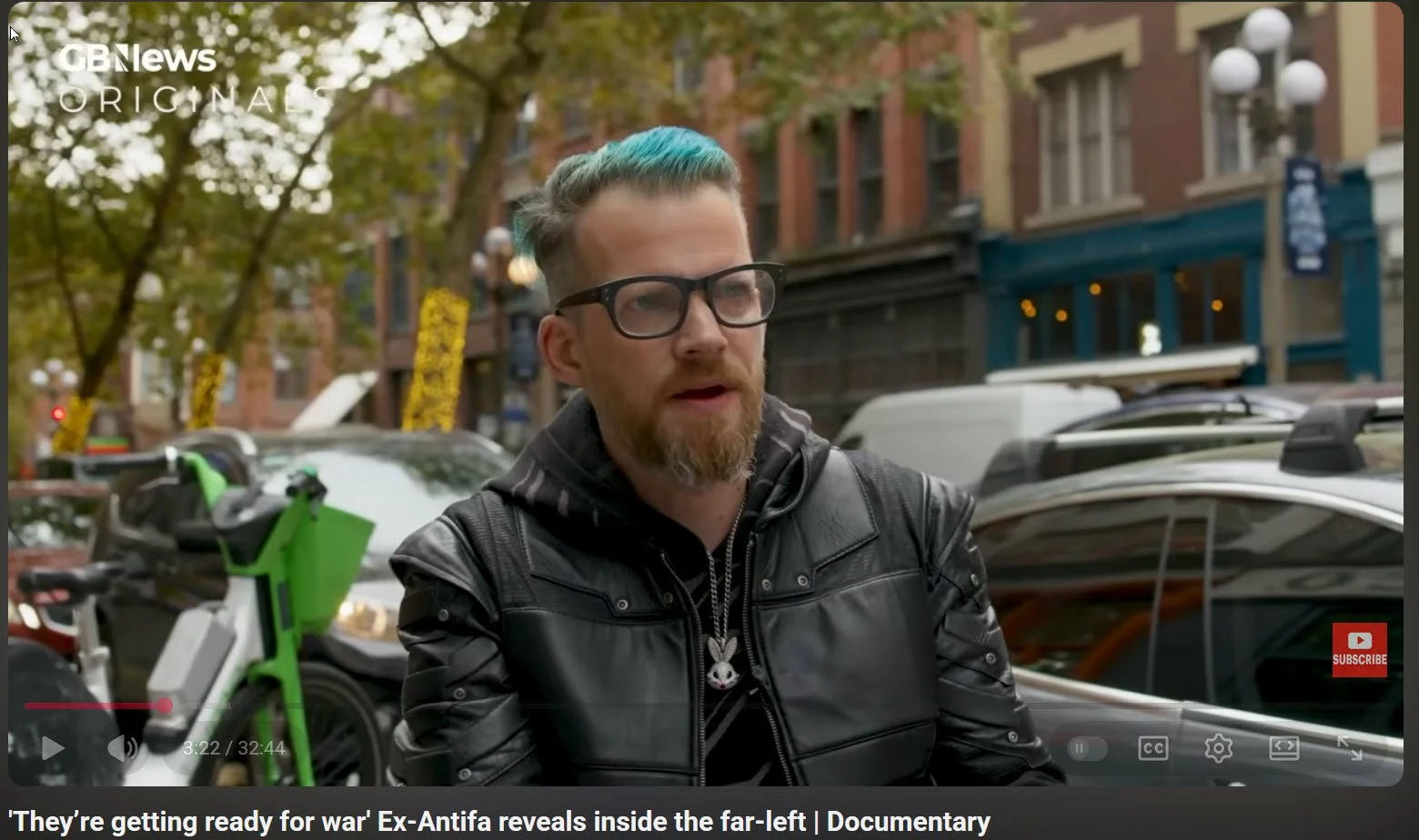
The far left refers to political ideologies and groups positioned at the extreme end of the left-wing spectrum, beyond mainstream liberalism or social democracy. These typically include communism, anarchism, revolutionary socialism, and other anti-capitalist movements that seek radical restructuring of society—often aiming for a classless, egalitarian system through revolutionary (rather than reformist) means.Key characteristics, based on established definitions:
Strong opposition to capitalism, viewing it as inherently exploitative and linked to inequality, imperialism, and oppression.
Advocacy for collective ownership of production, direct democracy, or abolition of hierarchy/state authority (in anarchism).
Historical associations with figures like Karl Marx and movements like the Bolsheviks, though modern far-left groups vary widely (e.g., Trotskyists, Maoists, eco-anarchists).
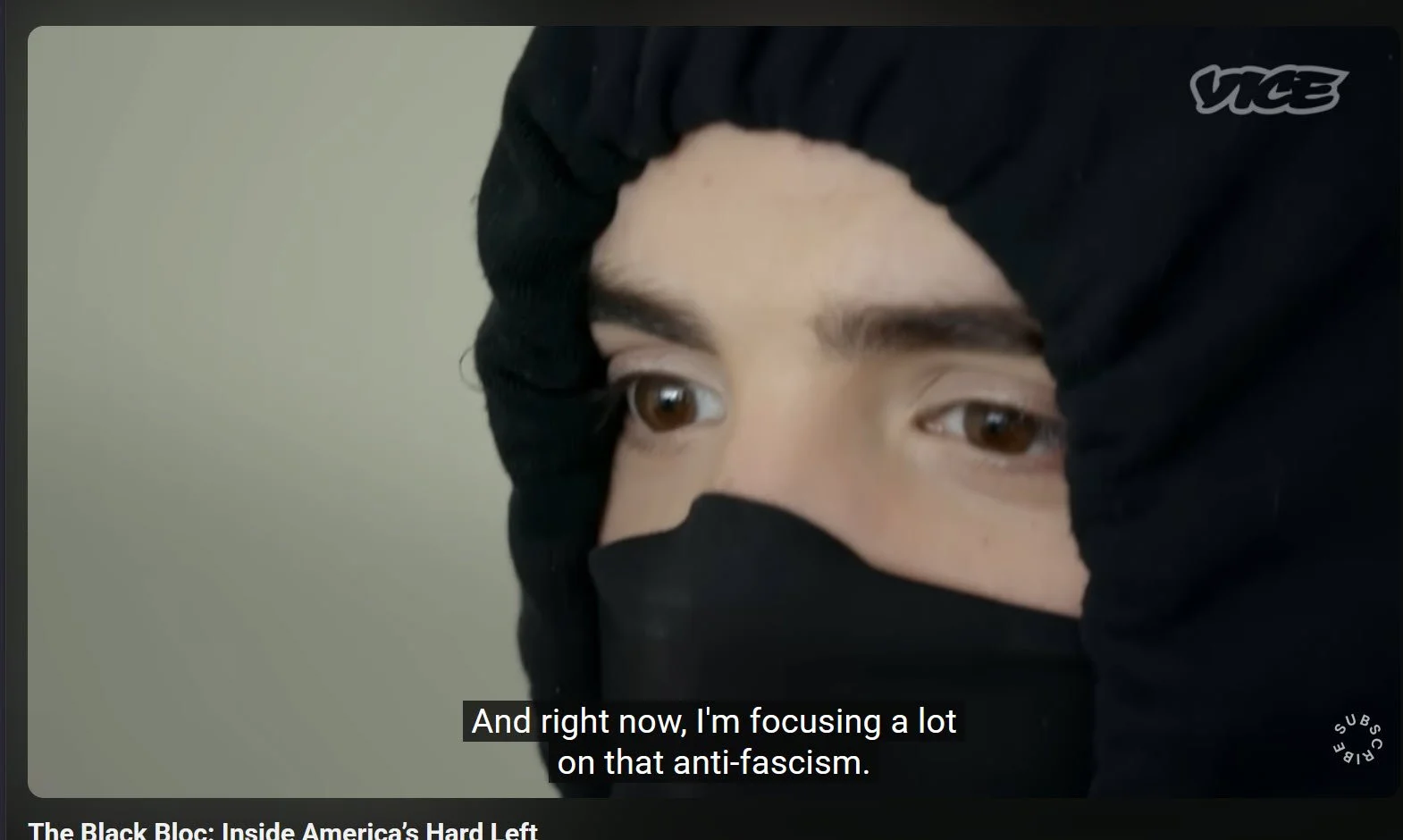
The left-leaning anti-fascist movement—or Antifa—has been around for decades, popping up in North America and Europe in response to rising white nationalist or fascist sentiments. Now, Antifa has made a resurgence in the US, where members clad in masks and nondescript black clothing physically confront groups of white supremacists and neo-Nazis who've started organizing in cities around the country. Since the 2016 presidential election, Antifa has become a staple at alt-right and Trump-related rallies that often result in violence. VICE met up with a few Antifa activists in Philadelphia who engage in “Black Bloc” actions to find out more about their ideology, tactics, and individual reasons for participating in a high-risk form of activism.
The claim that young idealists are frequently manipulated by far-left anarchists seeking violence to destabilize democratic governments and societies has some basis in historical and contemporary patterns, but it is overstated and requires nuance.Militant Anarchism and ViolenceA subset of far-left anarchists—often called militant or insurrectionary anarchists—explicitly promotes violence as a tool for societal change. This includes "propaganda by the deed" (historical acts like bombings and assassinations in the late 19th/early 20th centuries) and modern tactics like Black Bloc (groups in uniform black clothing engaging in property destruction, clashes with police, and vandalism during protests). Examples include:
The 1999 Seattle WTO protests, where Black Bloc participants smashed windows of multinational corporations.
Involvement in 2020 U.S. racial justice protests, where some anarchist networks coordinated violence online or escalated peaceful demonstrations.
Reports from sources like CSIS and Europol note militant anarchists targeting state symbols (police, financial institutions) to provoke chaos and expose systemic flaws.
These groups sometimes view violence as defensive against state oppression or necessary to accelerate revolution, aiming to undermine capitalist democracies.Recruitment of Young People Protests and online spaces often attract young, idealistic participants frustrated with inequality, police brutality, or climate issues. Militant anarchists can radicalize or draw in youth through:
Affinity groups.
Direct action networks.
Sites like CrimethInc.
Critics (including some law enforcement and researchers) argue this exploits youthful passion, turning genuine grievances into confrontational actions that risk arrests or injury. For instance, during 2020-2021 protests, anarchist networks reportedly mobilized young activists for nighttime escalations, and historical patterns show youth drawn into high-risk tactics.
While militant far-left anarchists exist and can influence young idealists toward confrontation, portraying this as widespread manipulation by "far-left archists" (likely meaning anarchists) seeking deliberate societal collapse oversimplifies a diverse ideology.
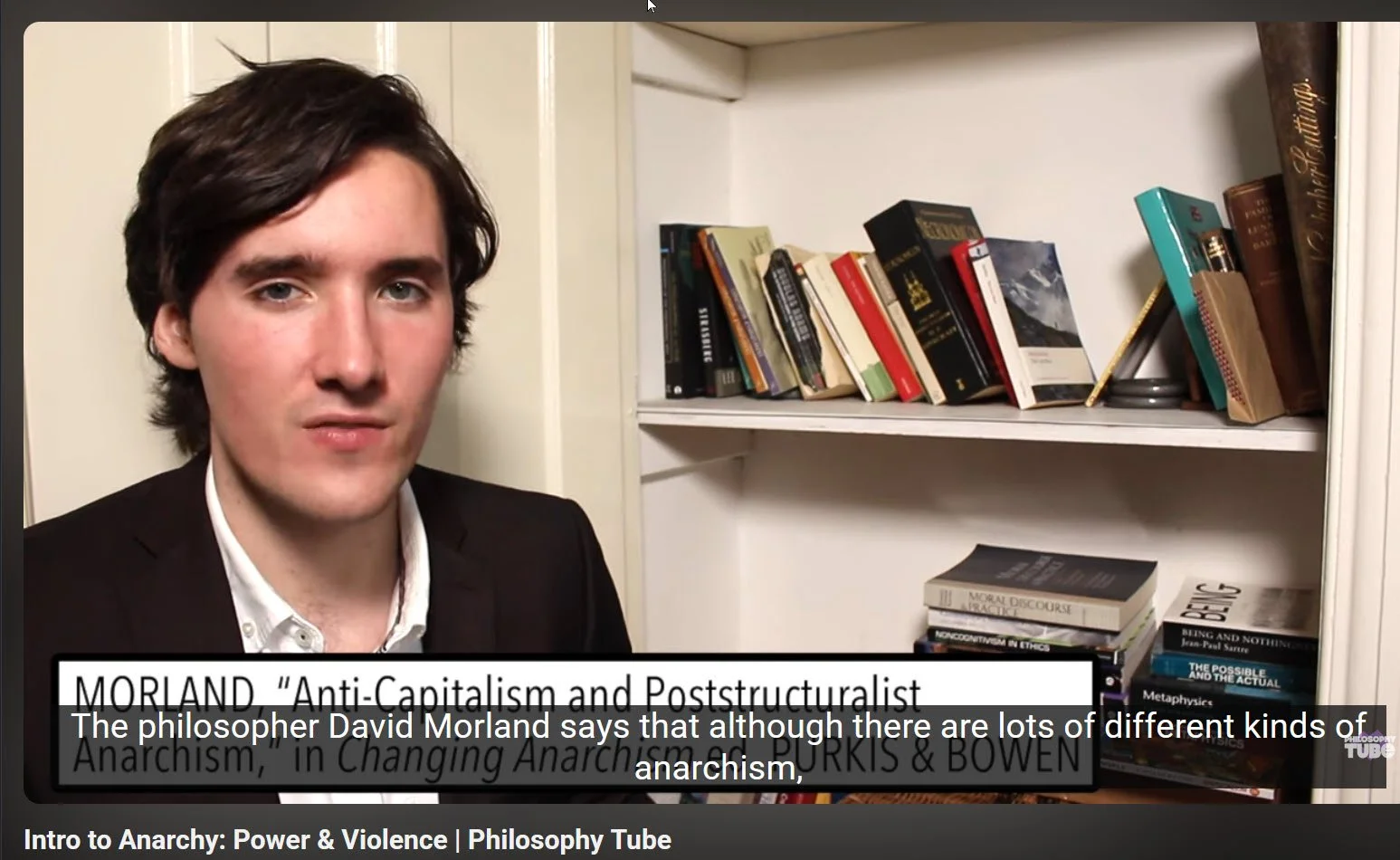
Anarchy is a fascinating philosophy: it’s not just anti-government; it touches on economics, art, sexuality – any field where power is found. Let’s learn about the relationship between power and violence, and why anarchists want to resist power!
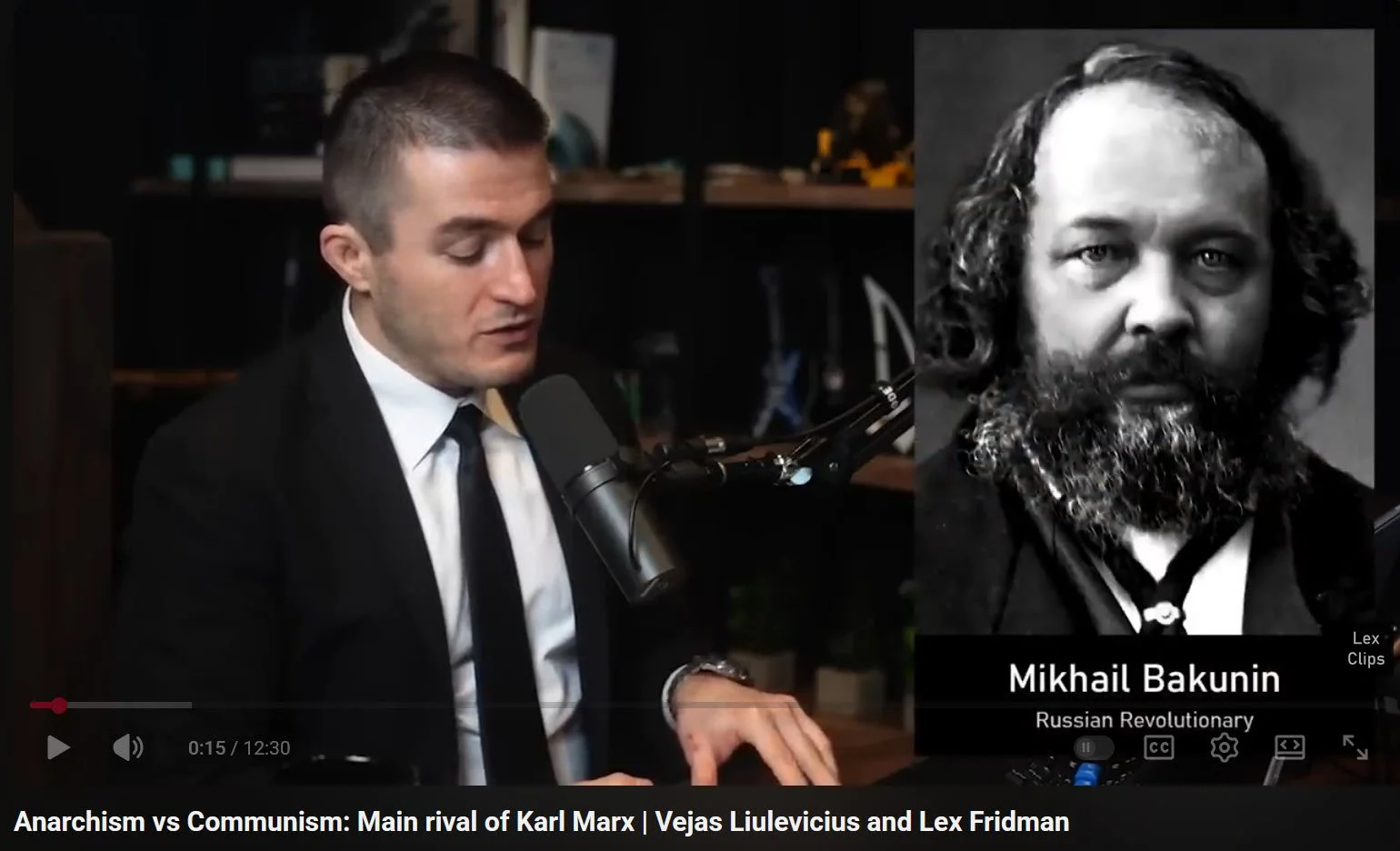
Lex Fridman Podcast full episode: • Vejas Liulevicius: Communism, Marxism, Naz... Vejas Liulevicius is a historian specializing in Germany and Eastern Europe, who has lectured extensively on Marxism and the rise, the reign, and the fall of Communism.