
Segment #978
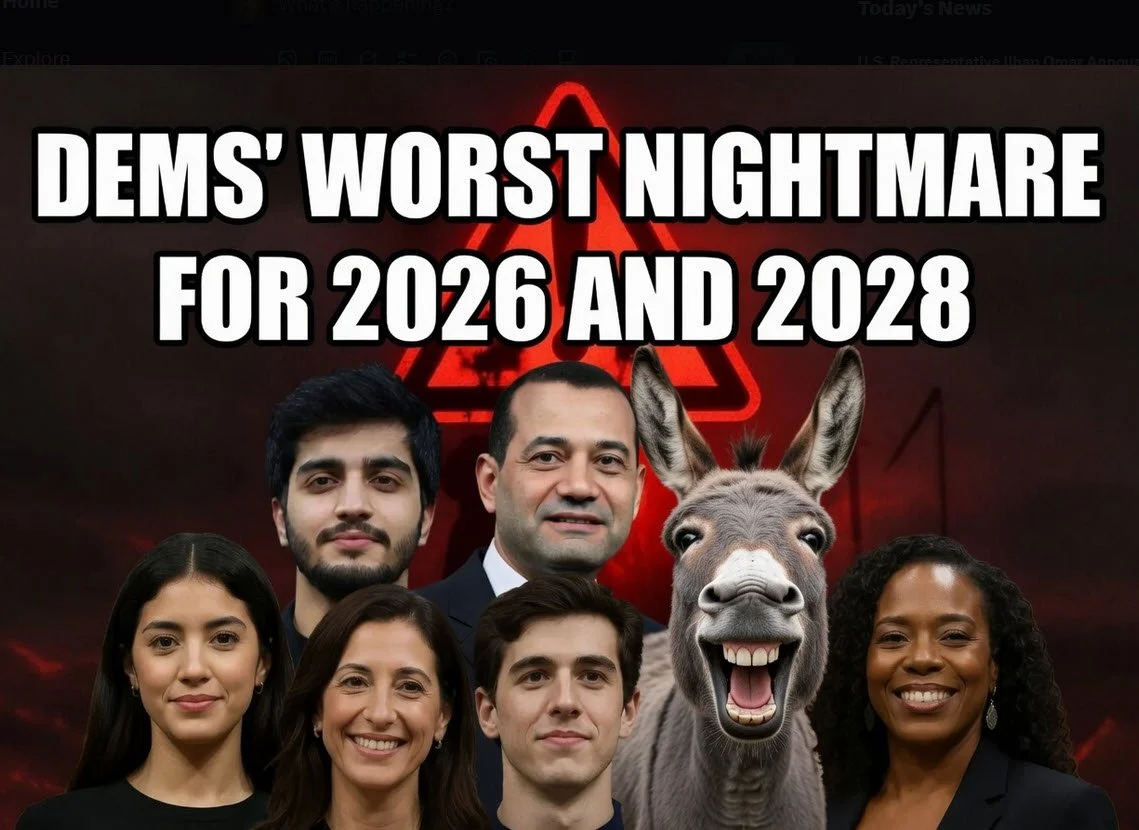
Hasan Piker (HasanAbi) biography and rise to prominence
Hasan Doğan Piker was born on July 25, 1991, in New Brunswick, New Jersey, to Turkish parents. He grew up primarily in Istanbul and was raised Muslim. His father, Mehmet Behçet Piker, is a political scientist and economist who worked for decades at the major Turkish conglomerate Sabancı Holding (reaching board and vice president levels) and was a founding member of Turkey’s conservative Future Party. His mother, Ülker Sedef Piker (née Uygur), is an art and architectural historian who teaches at the New Jersey Institute of Technology. His uncle is Cenk Uygur, co-founder of the progressive media outlet The Young Turks (TYT).
Piker returned to the U.S. for college, briefly attended the University of Miami, then transferred to Rutgers University. He graduated cum laude in 2013 with a double major in political science and communication studies and joined the Theta Delta Chi fraternity.
He began his media career in 2013 as an intern at TYT (leveraging his uncle’s connection; he has openly called himself a “nepo baby”). He moved into ad sales/business roles, occasionally hosted, and produced/hosted The Breakdown, a TYT series aimed at younger Bernie Sanders supporters. He also wrote for HuffPost (2016–2018).

In March 2018, while still at TYT, he started streaming on Twitch as HasanAbi. He left TYT in January 2020 to focus full-time on independent streaming. His streams combine political commentary (from a self-described socialist/Marxist perspective), gaming, reactions to media/memes, lifestyle content, and viewer interaction. This accessible, high-energy mix—often 7–8 hours daily—helped him build a large young audience on Twitch (currently 3.1 million followers, frequently topping the Politics & Commentary category) and YouTube (1.87 million subscribers).
How he rose: TYT provided an initial platform and audience, but his independent Twitch career allowed broader reach and less institutional constraints. He gained traction criticizing Trump-era policies, supporting Bernie Sanders-style economic populism, and offering anti-imperialist/foreign policy takes. High viewership during the 2020 election cycle (including a viral Among Us stream with Reps. Alexandria Ocasio-Cortez and Ilhan Omar for get-out-the-vote efforts) boosted him. He has since become one of the most prominent left-wing online voices, often described as influential among younger progressive/Democratic voters and a “kingmaker” in some left circles by 2025–2026. He campaigns for and appears with progressive and Democratic Socialists of America (DSA)-backed candidates.
Progressive Radical Socialists Committed to Destroying America

Abdul El-Sayed (Michigan U.S. Senate Democratic primary, August 4, 2026)
Former Wayne County health director and 2018 gubernatorial candidate. Leading or tied in polls against Rep. Haley Stevens after Mallory McMorrow withdrew. Endorsed by Sen. Bernie Sanders and Rep. Alexandria Ocasio-Cortez.
Key positions: Medicare for All, reducing corporate money in politics, criticizing U.S. military aid to Israel and calling actions in Gaza "genocide," pro-Palestinian self-determination. Has appeared at events with streamer Hasan Piker. Seen as the progressive choice in a key Senate race.
Authenticity: Critics argue El-Sayed’s campaign heavily centers his identity as a “physician” and “doctor” for credibility on healthcare policy, yet he has minimal hands-on clinical experience. His LinkedIn and some public statements (including a 2015 New York conference bio) have referred to him as a “physician” or “public health physician.” New York law prohibits unlicensed individuals from using the title “physician.” Michigan law bars inducing belief that one is licensed to practice medicine. He has “little history treating patients.” One strategist noted the perception in Michigan is that he was a practicing physician, which “blows up a big part of his campaign.” His 2018 gubernatorial run faced similar scrutiny. Opponents say emphasizing “Dr.” creates a misleading impression of clinical expertise. An older CV (around his Columbia hiring) listed “citizenships: USA, Egypt.” His campaign called it “a mistake,” stating he was told as a child that his grandfather had pursued Egyptian citizenship for him (eligible via parents’ birth in Egypt), but verification failed and no documentation exists. He is a U.S.-born citizen. The CV was later removed from the site after media inquiry. CNN KFile reported he deleted thousands of old tweets/posts (2020–2021 era), including support for the “defund the police”/“refund” movement (redirecting police funds to social services). His 2018 campaign site had a detailed criminal justice reform document with related elements. Current materials downplay or omit policing/criminal justice focus. 2018 eligibility questions: During his gubernatorial bid, reports questioned whether he met Michigan’s voter registration requirement (four years as a registered elector) due to time living in New York for his Columbia role. His campaign called it a political attack; he has long owned property in Ann Arbor.
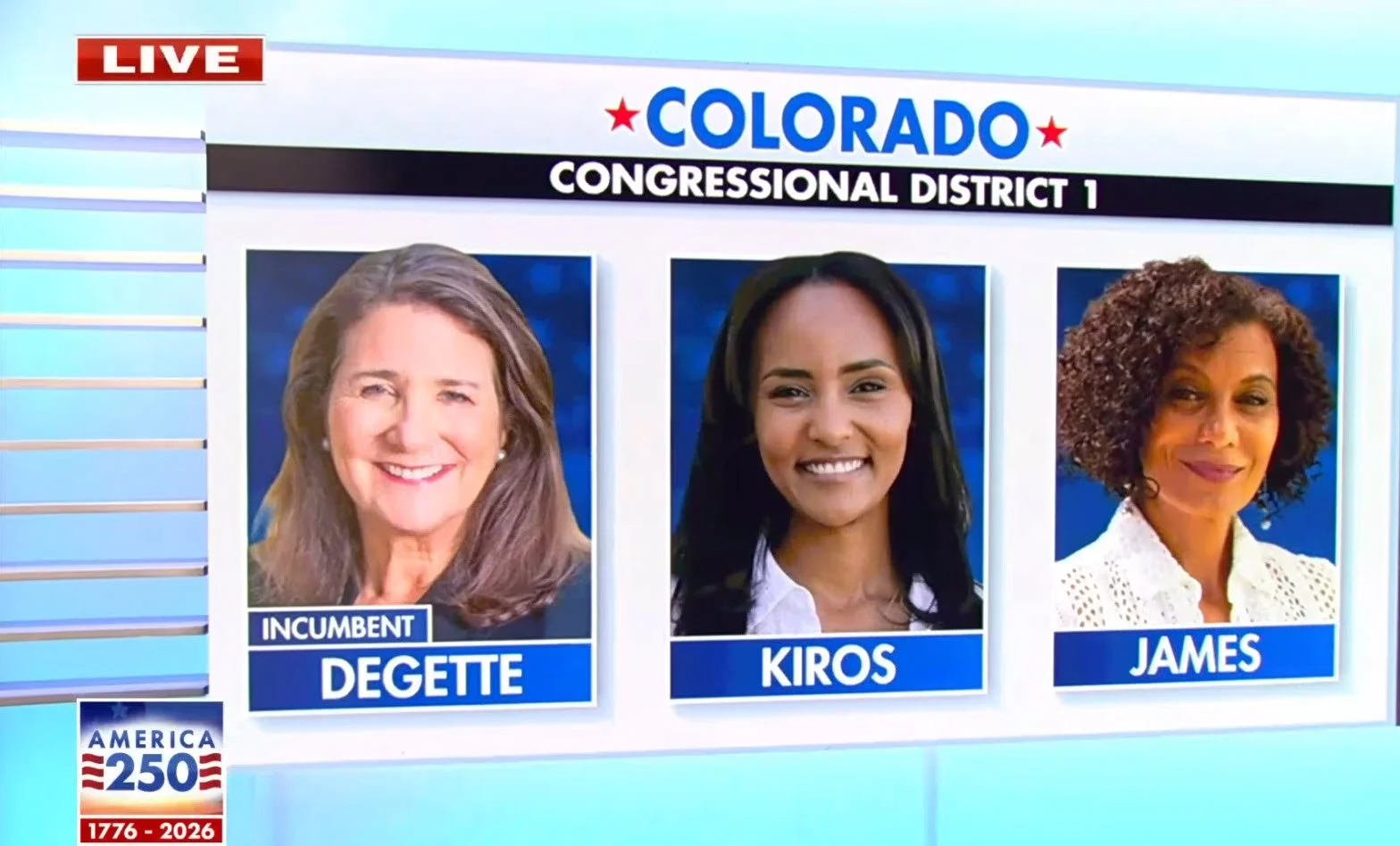
Melat Kiros (Colorado U.S. House District 1 – won Democratic primary June 30, 2026)
Self-described democratic socialist, DSA-endorsed (Denver chapter and national). Defeated long-serving incumbent Rep. Diana DeGette in an upset.
Key positions: Medicare for All, universal childcare/eldercare, abolish ICE, Green New Deal, arms embargo on Israel, end U.S. complicity in what she calls "genocide in Palestine." Backed by Sunrise Movement elements. Strong focus on affordability and foreign policy shifts. Boulder firebombing (2025): Kiros repeatedly declined to label the firebomb attack on Jewish protesters marching for Israeli hostages (one death, multiple injuries) as antisemitic. In a 9News interview, she said she didn’t “know what was in his heart” or the perpetrator’s “intentions,” despite the attacker’s reported statements and context.
Critics (including some progressive Democrats like state Sen. Julie Gonzales and AG Phil Weiser) called this evasion wrong and a failure of leadership. Jewish groups argue it shows indifference to rising antisemitism in Colorado. Broader pattern: Critics (JCRC open letter, Forward, Lawfare Project, Denver Post op-eds) say she consistently redefines or downplays antisemitism when it conflicts with anti-Israel views, e.g., by blaming Israeli actions for attacks on Jews elsewhere or arguing that opposition to Israel is the “best way to end antisemitism.” Called the Oct. 7, 2023, Hamas attacks on Israel “the inevitable consequence of apartheid/of occupation/decades of occupation” (and referenced as “resistance” in some contexts) during a May appearance on Hasan Piker’s stream.
She extended similar “inevitable” framing to the 9/11 attacks as a result of U.S. destabilization of the Middle East. Critics (National Review, Fox News, Jewish Telegraphic Agency/JTA, Free Beacon) view this as excusing or rationalizing terrorism and equating defensive/offensive actions. Published a Medium post criticizing law firms (including her own) for equating calls for “elimination of the Israeli state” with antisemitism. She argued this conflates legitimate geopolitical criticism (e.g., one-state solutions) with bigotry and accused firms of “weaponizing antisemitism.” She refused to remove it and was fired. Critics say the letter defends or normalizes eliminationist rhetoric against Israel and shows poor judgment. Supporters frame it as principled free speech and anti-conflation stance.
Authenticity: Much stems from post-Oct. 7 sensitivities around antisemitism, Jewish community fears in Colorado, and Kiros’ central campaign focus on Israel/Palestine. Jewish leaders (JCRC, rabbis) have issued open letters urging empathy and nuance. Some progressive Democrats distanced themselves on specific issues like the Boulder response. Supporters counter that her views are rooted in opposition to occupation/genocide, personal/family experience with genocide (Tigray/Ethiopia), and principled anti-imperialism—not antisemitism—and that criticism conflates policy critique with bigotry.These arguments reflect a divide: Critics see a pattern of radicalism that harms Jewish safety and Democratic cohesion; supporters see courageous challenge to establishment foreign policy and corporate influence.
Kiros has denied antisemitism and framed her positions around ending violence and systemic issues. For primary sources, see her interviews (9News/Kyle Clark, Piker stream), the 2023 Medium letter, JCRC statements, and reporting from JTA, Denver Post, Forward, and conservative outlets. Appeared with and elevated controversial streamer Hasan Piker (who has made statements like “America deserved 9/11” and downplayed Oct. 7 atrocities). Planned rallies with him drew venue cancellations over security/community concerns; critics (DeGette campaign ads, Jewish leaders) tie this to extremism. Strong anti-Israel stance: Supports a complete arms embargo on Israel (defensive and offensive weapons); calls Israel an “apartheid state” committing “genocide” and “ethnic cleansing”; questions its right to exist as a Jewish state/ethnostate. Critics argue this goes far beyond policy critique into delegitimization of the Jewish state, especially in a district with a significant Jewish population. Some call it “virulently anti-Israel” or antisemitic-adjacent.
Critics’ main arguments against Melat Kiros (DSA-endorsed democratic socialist who won the Democratic primary for Colorado’s 1st Congressional District on June 30, 2026, defeating longtime Rep. Diana DeGette) focus heavily on her foreign policy views (especially regarding Israel), perceived minimization of antisemitism, associations, and ideological extremism. These come from Jewish community leaders/organizations (e.g., Colorado Jewish Community Relations Council/JCRC, Rabbi Rachel Kobrin in Denver Post), conservative outlets (National Review, Fox News, Washington Free Beacon), some progressive Democrats, and media reporting on her statements and background. Kiros, a ~29-year-old former attorney (fired from Sidley Austin in 2023), PhD student, and barista with Ethiopian immigrant family roots, ran on Medicare for All, abolishing ICE, a Green New Deal, and ending U.S. military aid to Israel while calling actions in Gaza “genocide.” Critics argue her record shows a pattern of radical positions that go beyond mainstream progressive criticism into territory that endangers Jewish safety, excuses terrorism, or undermines electability.

Darializa Avila Chevalier (New York U.S. House District 13 – won Democratic primary June 2026)
DSA member and community organizer/PhD student. Defeated incumbent Rep. Adriano Espaillat. Projected to win the general in a heavily Democratic district.
Key positions: Among the furthest-left noted — "all deportations are wrong" (even for some convicted of crimes), prison abolition leanings, strong anti-Israel stance (co-founded Columbia University Apartheid Divest group). Explicit socialist framing on housing, labor, and ending U.S. support for Israel. Critics (especially conservatives and some moderates) argue these positions represent extreme, unrealistic, or dangerous “democratic socialism” that prioritizes ideology over practicality, particularly post-Oct. 7 on foreign policy: Positions: Medicare for All, abolish ICE (and related amnesty/pathways), universal childcare/eldercare, public/mixed-income housing, complete arms embargo on Israel, end “genocide in Palestine,” repurpose military spending, get big money/AIPAC out of politics. DSA endorsement and self-identification as democratic socialist. Labeled “far-left insurgent,” “radical,” or part of DSA “extremism” (National Review, Fox News, NY Post). Positions on Israel (calling Oct. 7 “inevitable consequence of apartheid,” complete embargo even on defensive weapons, questioning Jewish state legitimacy) are called out as beyond mainstream progressive criticism—excusing terrorism or delegitimizing Israel. Economic socialism seen as “fantasyland” or “cuckoo bananas” (Reason, Complete Colorado): Expanding welfare state without addressing trade-offs; DSA’s broader anti-capitalist bent (rejecting private profit models) viewed as anti-American or unrealistic. Some note she doesn’t endorse every DSA plank (e.g., leaving NATO) but still aligns on core radical elements. Association with Piker and “socialist wave” (alongside NYC DSA wins) criticized as shifting the Democratic Party too far left, harming cohesion and electability. Conservative voices tie it to broader DSA tactics valuing “ideological stridency over electability.”
Authenticity:Critics argue that personal stories and backgrounds are selectively framed or inconsistent with actions/records: Background: Ethiopian-born (Tigray origin, immigrated as infant via father’s Diversity Visa Lottery); grew up in Aurora, CO; BA from Washington College; JD from Notre Dame Law (2022); briefly associate at Sidley Austin (fired 2023 after Medium open letter criticizing law firms’ stance on Israel-related protests); now PhD student in public policy (focusing on reparations/UBI/equity) and works as a barista. Campaign narrative: “Recovering lawyer, barista, immigrant, Democratic socialist” who was fired for speaking out on Palestine; ties family experience with genocide in Tigray to Gaza. Critics’ comments: Some (e.g., NY Post, Western Journal) mock the “socialist barista” framing as inauthentic populist appeal for a congressional candidate with elite legal education (Notre Dame). Others note she “only joined DSA during this campaign” after seeking endorsement (Vox reporting), suggesting opportunistic alignment rather than longstanding ideology. The 2023 firing letter (defending criticism of Israel and questioning conflation with antisemitism) is seen by detractors as evidence of radical priors masked as principled free speech. Her association with Hasan Piker (platforming him despite his controversial statements) is called out as inconsistent with mainstream Democratic authenticity. Critics: These are framed as inauthentic self-presentation—elite academic/public health career repackaged as everyday “doctor fighting for working families.” Associations with controversial figures (e.g., Piker) and past statements are seen as scrubbed or softened for political appeal. Common thread in critics’ views: Narratives of humble immigrant/struggle roots or principled sacrifice clash with elite educations, selective omissions (e.g., deleted content, unverified claims), or mid-campaign ideological shifts, suggesting calculation over genuine consistency.

Claire Valdez (New York U.S. House District 7 – won Democratic primary June 2026)
DSA member, former New York State Assemblymember and UAW labor organizer. Defeated establishment-backed candidate. Projected general election win.
Key positions: Tax the rich, tenant protections, expand unions/housing, Medicare for All, end U.S. complicity in "genocide and apartheid" (re: Israel/Palestine). Labor-focused socialist platform. Critics portray her explicit DSA affiliation and platform as extreme “democratic socialism” that is anti-capitalist, anti-American, and dangerously radical—especially on foreign policy—pushing the Democratic Party too far left: DSA ideology and economic views: As a proud DSA member and Socialist Majority Caucus participant, she supports expanding the welfare state (Medicare for All, universal childcare/housing, taxing the rich). Conservatives (Reason, National Review echoes, NY Post) label this “economic fantasyland,” unrealistic socialism that ignores trade-offs and rejects core capitalism. DSA’s broader rejection of private profit models is critiqued as anti-American. Fetterman grouped her with the “dirtbag left” for positions like “abolish ICE,” “abolish the police,” “abolish the border.” Foreign policy and Israel: Strong critic of Israel (“genocide,” “apartheid”); supports ending U.S. aid and complicity. Interview with controversial streamer Michael Beyer (“Mike from PA,” suspended for calling Jews a “demonic ethnicity”) drew scrutiny. Critics (Jewish Insider, JNS, Times of Israel, Spectator) tie this to DSA’s “antagonism toward Israel,” anti-Zionism that questions the Jewish state’s legitimacy, and potential antisemitic-adjacent rhetoric. Her campaign is seen as part of a “far-left anti-Israel” sweep with Mamdani backing. Broader radical agenda: Pledges like “free Palestine,” abolish/reform ICE, redirect resources from policing, and anti-empire views (“U.S. empire defends freedom… as a lie”) are called extreme or “dirtbag left.” RNC highlighted her DSA event comments on these issues as a “radical agenda.” Some see DSA tactics (ideological stridency, outflanking from the left in safe districts) as prioritizing purity over broad appeal. Overall wave context: Her win (with Mamdani/Sanders/DSA support) is framed as part of a socialist surge that could double DSA House representation, shifting the party leftward in ways that alarm moderates and conservatives.
Authenticity: Critics argue her “working-class union organizer” narrative is selective, performative, or contradicted by actions, education, or funding:
Background and narrative framing: Her art school education and service jobs are dismissed by some conservatives as typical “trust fund socialism” or elitist-left posturing rather than authentic working-class experience. One X critique called her politics “prototypical contemporary Leftism-Marxist yet have no understanding of actual physical labor… Studied painting & art history. Just utterly vapid.” Opponents highlight the gap between DSA’s self-proclaimed “working class” image and her voter base (stronger in educated/white precincts). Hypocrisy on money and PACs: Accused of benefiting from super PAC spending (including one tied to a MAGA Republican megadonor) and donations from a tech billionaire, a contractor with a wage-theft guilty plea, and a hotel executive with labor disputes—despite railing against corporate money, real estate interests, AIPAC, and “dark money.” Opponents (Reynoso and Julie Won) called it “staggering hypocrisy” and a broken promise to reject super PACs. Her campaign counters with small-dollar donor volume and consistent opposition to certain funders. Past statements resurfacing: Backlash over older comments supporting elimination of TSA PreCheck and nationalization of the airline industry. Critics see this as evidence of radical, unrealistic views inconsistent with pragmatic governance. July 4 messaging: Her 2026 Independence Day post criticizing the U.S. as “rigged” by “billionaires, bosses, and war profiteers,” focusing on Palestine, Puerto Rico, and a Green New Deal without praising America or its founding, was called “tone deaf,” a “whiny rant,” “anti-America claptrap,” and “trust fund socialism—vanity morals of the elite.” Some viewed it as prioritizing foreign causes over national celebration.
James Talarico ( Democratic Candidate for US Senate Texas
Key Positions: Opponents, spearheaded by organizations like the National Republican Senatorial Committee (NRSC) and the Republican National Committee (RNC), argue that Talarico’s historical record exposes a deeply progressive agenda that is out of step with mainstream Texas voters. To make this "crisis argument," critics frequently point to three specific sets of past comments: Theology and Gender: During a legislative debate opposing sports restrictions for transgender youth, Talarico cited the Book of Genesis and stated, "God is both masculine and feminine, and everything in between," leading to the GOP attack line that he claims "God is nonbinary." Comments on Race and Radicalization: In 2021, Talarico posted on social media that "radicalized white men are the greatest domestic terrorist threat in our country," while advocating for legislation to explicitly teach Diversity, Equity, and Inclusion (DEI) in public schools. The "Virus of Racism" Metaphor: During the 2020 racial justice protests, he posted a thread stating that "white skin gives me and every white American immunity from the virus [of racism]... But we spread it wherever we go." Critics leverage these statements to argue that his policy goals—ranging from mandated school DEI officers to progressive stances on immigration and LGBTQ+ rights—constitute a radical platform.
Authenticity:Opponents argue that Talarico attempts to present himself as a moderate, faith-driven consensus builder to appeal to a broader electorate, while his actual ideological roots are firmly planted in the progressive left. In this view, using artificial intelligence tools and digital ad campaigns to read his past posts aloud is framed as "unmasking" his true beliefs, suggesting his softer rhetoric today is a calculated political maneuver. The Counterargument (Faith-Based Authenticity) Conversely, Talarico and his supporters argue that his approach is entirely authentic to his identity as a former public school teacher and a person of Christian faith. Rather than shying away from religious rhetoric, Talarico frequently uses Scripture to justify progressive policies on wealth inequality, immigration, and human rights. Defenders suggest that this fusion of faith and progressive politics is precisely what threatens his opponents, as it disrupts traditional political alignments. Addressing the controversy directly, Talarico has acknowledged the shift in his rhetoric over time, noting that while he stands firmly by the underlying principles of equity and dignity, he would "probably have said them differently" today—framing the evolution as maturity rather than a lack of authenticity.
Cori Bush (Missouri U.S. House District 1 – Democratic primary August 4, 2026)
Former U.S. Representative ("Squad" member) seeking comeback after 2024 loss. DSA-aligned.
Key positions: Consistent with progressive/"Squad" record — strong on healthcare access, criminal justice reform, and critical foreign policy views (including on Israel/Gaza). Focus on reclaiming seat with left-wing mobilization.
Rep. Alexandria Ocasio-Cortez (New York U.S. House District 14): DSA member, won 2026 primary overwhelmingly. Chairs Congressional Progressive Caucus; frequently discussed as a potential 2028 figure. Iconic for Medicare for All, Green New Deal, and anti-establishment positions.
Rep. Rashida Tlaib (Michigan U.S. House District 12): DSA member running for re-election. Only Palestinian-American in Congress; known for strong pro-Palestinian advocacy and socialist-leaning economic views.
Francesca Hong (Wisconsin Governor race, primary ~August 11, 2026): - DSA-backed state lawmaker in a crowded field to succeed retiring Gov. Tony Evers. Progressive platform on workers' rights and affordability.
Chris Rabb (Pennsylvania U.S. House District 3 – won primary earlier): DSA-endorsed; on track for general in safe Democratic seat.
Zorhan Mamdani (mayor of New York City) (born October 18, 1991) -
Bio - is the 112th Mayor of New York City, serving since January 1, 2026. He is the city’s first Muslim mayor, first South Asian/Indian-American mayor, first mayor from Queens, and the youngest mayor in over a century. A Democratic member of the Democratic Socialists of America (DSA), he previously served as a New York State Assemblymember for the 36th District (Astoria and surrounding Queens neighborhoods) from 2021 to 2025. No need to dress it up: His pre-political work was limited and mostly in left-leaning organizing/advocacy, and he benefited from his parents’ academic position early on. That’s the record the criticism rests on.
Authenticity: The "Calculated Clout" & "Politainment" Charge: Critics from both the right and the political establishment have accused Mamdani of using populist aesthetics—such as filming highly produced, viral TikToks of himself eating street food with his hands—as a calculated performance to gain cultural clout among working-class and Gen Z voters. Critics argue that this heavy reliance on "algorithmic populism" and internet-culture irony risks turning serious governance into mere entertainment ("politainment"), masking standard political ambition behind a highly curated digital aesthetic. The Repurposed Lexicon Argument: Think tanks like the Hudson Institute argue that Mamdani’s entire political worldview lacks authentic grounding in the material realities of working-class New Yorkers. Instead, they claim he superimposes a specialized academic framework—specifically mid-20th-century anti-imperialist "Third Worldism" derived from the Algerian Revolution—onto completely different local issues. Critics charge that this framework reductionistically recasts local landlords as "colonizers," tenants as "the colonized," and the NYPD as an "occupying force," creating a rigid, unauthentic moral binary on American soil. The Secular vs. Religious Disconnect: Some critics point out a dissonance between his selective alignment with the city's diverse immigrant communities and his actual policy platform. For instance, commentators have noted that while his campaign heavily courts Muslim constituencies, his progressive focus on turning New York into an "LGBTQIA+ sanctuary city" stands in stark contrast to the socially conservative tenets of the traditional communities he claims to organically represent.