
The Criminals Among You
Segment #704
American citizens are forced to decide whether they believe Biden statistics or Trump statistics. Realistically Biden has pretty much sdestroyed his redibility on this area by insisting the border was secure while over 10 million illegals either streamed over the borders or were actually flown into the interior US in the middle of the night. Forget the politics and just look at what ICE is confronting in these blue cities. I choose to believe Trump.
Illegal Migrant Criminal Threats

Apprehended Convicted Criminal Noncitizens Under the Trump Administration (2025)U.S. Immigration and Customs Enforcement (ICE), under the direction of the Trump administration and DHS, has prioritized the arrest and removal of noncitizens with criminal records (referred to as "criminal aliens" or "criminal noncitizens"). There is no single comprehensive public list of every individually identified and apprehended convicted criminal, as ICE arrests number in the hundreds of thousands annually, with tens to hundreds of thousands involving criminal convictions or charges.
Total ICE arrests in 2025: Reports range from ~300,000 to over 595,000 interior arrests by late 2025, with surges in enforcement operations.
Specific serious criminals apprehended:
Hundreds of murderers (e.g., ~752 convicted of murder arrested by May 2025).
Thousands of sexual assault offenders (e.g., ~1,693 by May 2025).
Thousands of gang members (e.g., >2,000 from gangs like MS-13 and Tren de Aragua in early operations; 1,155 in first 50 days).
High-profile examples highlighted in DHS/ICE press releases include individuals convicted of child sexual abuse, rape, drug trafficking, and multiple violent felonies (e.g., cases like Murad Sanih Awad with 40 convictions, including sexual battery).
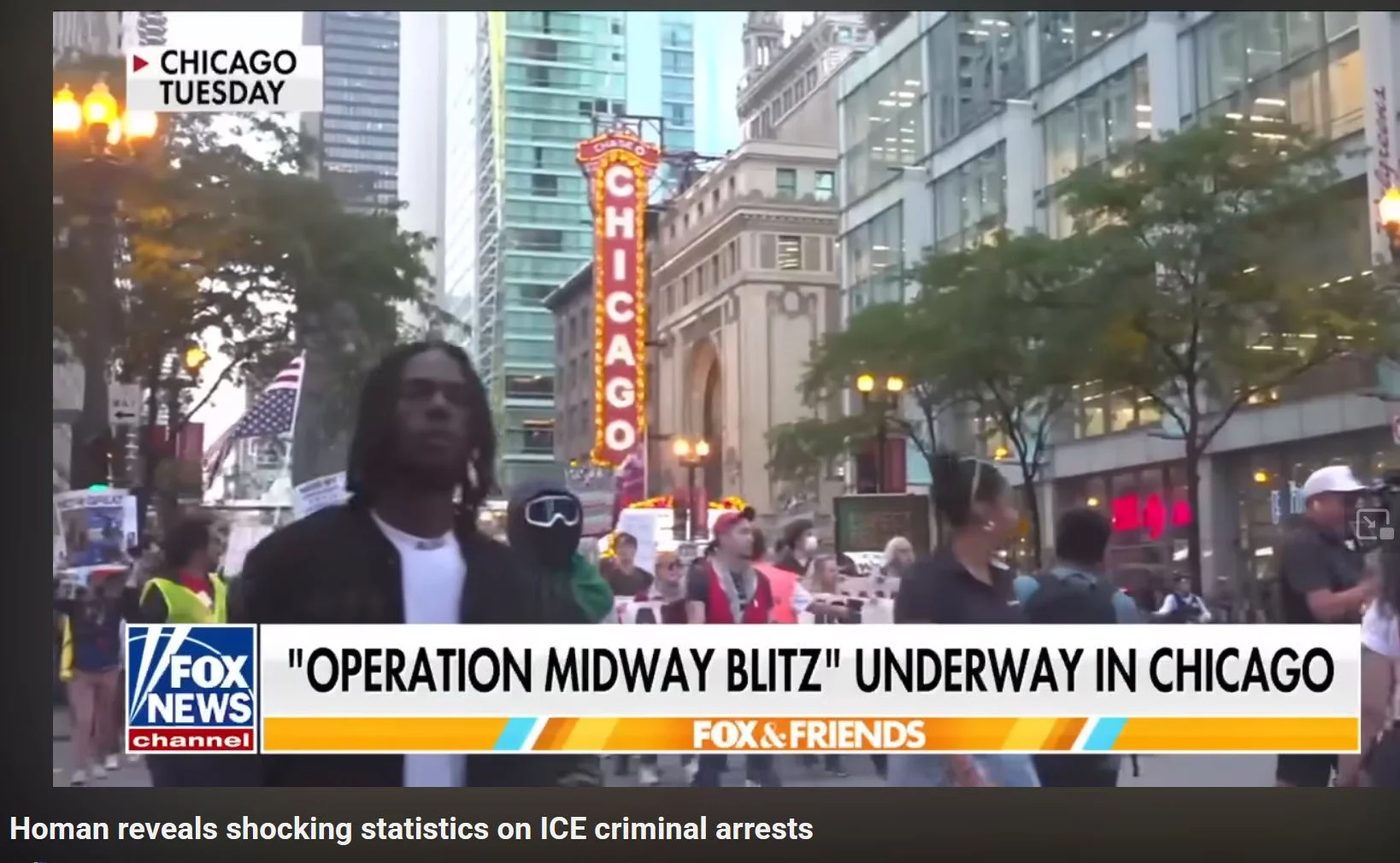
ICE and DHS frequently publicize individual or operational arrests of "worst of the worst" via press releases, but no exhaustive named list exists publicly due to the scale.Estimated Illegal Criminal Noncitizens Still at LargeThe primary estimate cited by the Trump administration and Border Czar Tom Homan comes from ICE's non-detained docket (immigrants with final removal orders or pending cases not in custody):
~435,000–662,000 noncitizens with criminal convictions or pending charges identified as removable but not in ICE custody (data from 2024–mid-2025 congressional reports and DHS statements).
This includes ~13,000 convicted of homicide and ~16,000 of sexual assault (per 2024 figures referenced in 2025 enforcement updates).
These figures are cumulative over years (many from pre-2025 entries), include both undocumented and some legal immigrants, and account for those charged (not just convicted) or incarcerated elsewhere.
Homan and DHS have referenced "over 600,000 criminal aliens with records walking the streets" as a key target for ongoing operations.
This docket represents the administration's prioritized "at large" pool for apprehension. Progress includes arresting thousands of serious offenders, but the total remains in the hundreds of thousands due to resource limits and ongoing enforcement.For the most current details, check official sources like ice.gov or dhs.gov news releases, as operations are ongoing as of December 2025.
Foreign Terrorist Threats

Views from Trump Administration Intelligence and Security Officials on Domestic Terrorist Threats (2025)Trump administration officials, including intelligence leaders and homeland security experts, have described the terrorist threat within the U.S. as persistently high and elevated, particularly due to individuals who entered during the prior administration's border policies. They do not explicitly call a major attack "inevitable," but emphasize it as a serious, ongoing risk requiring aggressive action.
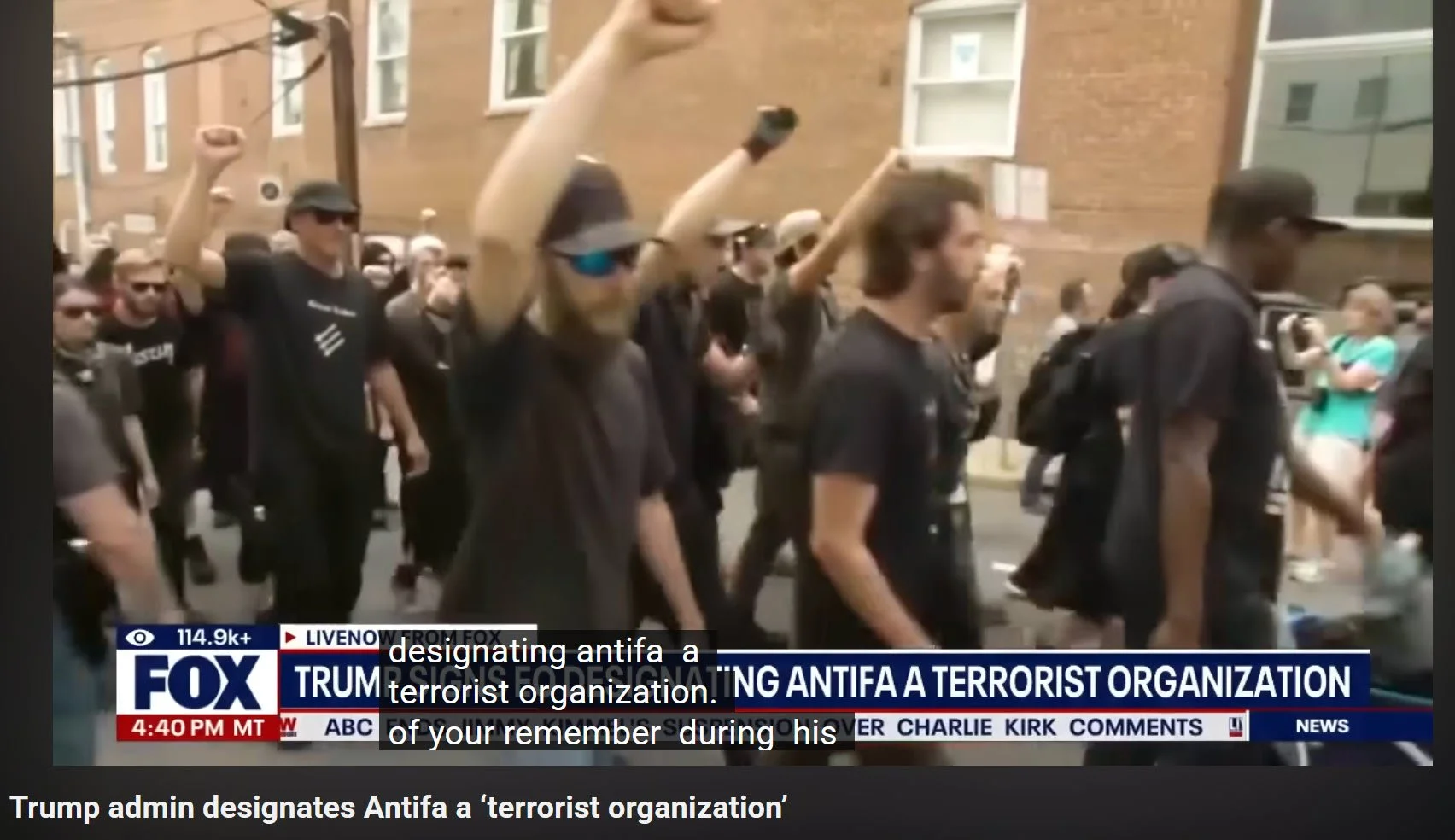
NCTC Director Joe Kent (National Counterterrorism Center, testifying December 11, 2025, at the House Homeland Security Committee's "Worldwide Threats to the Homeland" hearing): Stated that "despite the progress that we've made so far in the Trump Administration, the threat posed by terrorists of all brands remains very high." He highlighted a shift from organized "cellular attacks" to "inspirational methodology" (online radicalization leading to lone actors), but stressed the "#1 threat" is "individuals that were allowed into this country by the previous administration" via "open borders," noting "we don't know who came into our country in the last four years."
Other officials (e.g., DHS Secretary Kristi Noem, Border Czar Tom Homan, FBI leaders) have echoed concerns about border-related vulnerabilities, including terrorists on watchlists or with ties infiltrating via migration. The administration has prioritized deportations and designations of groups (e.g., certain Muslim Brotherhood chapters, cartels like Tren de Aragua as Foreign Terrorist Organizations) to mitigate these risks.
The focus is often on foreign-inspired or migrant-linked threats, alongside redefinitions of domestic terrorism to include political violence (e.g., riots, doxing).Estimates of Terrorist Cells or Individuals in the U.S.No public estimate exists for a specific number of active "terrorist cells" (organized groups) within the U.S. from Trump administration sources. Officials note a trend away from traditional cells toward lone offenders radicalized online, making infiltration harder but plots more unpredictable.However, related figures on potential threats tied to migration (a key administration concern):
Approximately 18,000 individuals with ties to terrorist organizations entered under the prior administration, per NCTC Director Kent's testimony (including ~2,000 Afghans from the 2021 withdrawal with ties, plus ~16,000 others). These are being "run down" in coordination with DHS and FBI.
Broader context: Hundreds on the terrorist watchlist encountered at borders in recent years (pre-2025 peaks), with ongoing arrests of suspected foreign terrorists or affiliates.
Traditional foreign terrorist organizations (e.g., ISIS, al-Qaeda) maintain intent to inspire attacks, but the administration credits its actions (strikes abroad, deportations) with disrupting overseas groups while addressing domestic risks from entrants.In summary, threats are framed as "very high" and persistent—especially from unknown entrants—but mitigated by current policies, rather than inevitable. Lone actors pose the primary domestic risk over structured cells.
Trend for Defunding the Police and No Cash Bail
Trends in "Defund the Police" in Democratic-Led ("Blue") Cities (2020–2025)The "defund the police" movement peaked in 2020 amid nationwide protests following George Floyd's death, with calls to reallocate police budgets to social services, mental health, housing, and community programs. This was prominent in blue cities like Minneapolis, Seattle, Portland, Los Angeles, New York, San Francisco, and Austin.
Initial Actions (2020–2021): About 14–20 major cities pledged or made modest cuts (e.g., $840 million in direct reductions across several departments). Examples include Los Angeles ($150 million cut), New York (shifts and reductions), Minneapolis (initial pledges to dismantle/reform), and Austin (significant temporary cuts). However, widespread "defunding" was limited—most cities maintained or slightly adjusted budgets, often due to COVID revenue drops rather than ideology.
Reversals and Increases (2021–2025): Amid rising crime concerns (2020–2022 spikes), public backlash, officer shortages/exodus, and political pressure, nearly all cities reversed cuts. Police budgets rose significantly:
Overall, 83% of 100+ major cities/counties spent ≥2% more on police in 2022 vs. 2019; 49% increased >10%.
By 2024–2025, budgets in cities like Chicago (+$80 million for 2025), New York (~$5.8–10.8 billion annually), Los Angeles, and others hit record highs or rebounded sharply.
Staffing incentives surged (e.g., large signing bonuses, 20–30% salary hikes in cities like Seattle, Kansas City, Austin).
Studies (e.g., 2024–2025 analyses) found no broad defunding occurred long-term; Republican-leaning areas sometimes increased budgets more.
The movement largely fizzled by 2022–2025, viewed as a political liability (e.g., blamed for Democratic losses). Persistent issues like officer shortages remain, but funding trends shifted to "refund" or expand policing.Trends in No-Cash Bail Reforms in Blue States/Cities (2019–2025)No-cash bail (or bail reform) aimed to eliminate/reduce money bail for non-violent/low-risk offenses, replacing it with risk assessments or supervised release to address wealth-based detention disparities. Prominent in Democratic-led states.
Adoptions (2017–2023): New Jersey (2017, near-elimination), New York (2020), Illinois (2023, full statewide elimination via Pretrial Fairness Act—first U.S. state), California (attempted), plus D.C. (longstanding limits since 1992).
Reversals and Challenges (2020–2025):
New York: Rolled back multiple times (2020–2023 amendments) due to crime concerns; judges regained more discretion for dangerous cases.
California: 2018–2020 efforts failed/reversed via referendum and court rulings.
Illinois: Remains in place (no cash bail statewide since 2023), with early data showing muted/no crime increase.
D.C.: Targeted by federal actions (2025 executive orders/legislation to reinstate cash bail amid Trump administration push).
Broader: 2024–2025 saw backlash, including Trump-era orders threatening federal funds for "cashless" jurisdictions and bills overriding local reforms. Studies (e.g., Brennan Center 2024) found no significant crime link to reforms.
Overall, initial progressive pushes in blue areas faced rollbacks amid public safety debates, with mixed persistence (stronger in Illinois/NJ, weakened elsewhere).In summary, both trends started strong in blue cities/states post-2020 but largely reversed by 2024–2025 due to crime perceptions, politics, and practical challenges—shifting toward increased police funding and more cautious pretrial policies. Evidence on crime causation remains debated, with nonpartisan analyses often finding limited direct impacts.
New York City and Mayor Mamdani
So far Mamdani has made some conflicting statements and appointed some very progressive people to key positions.
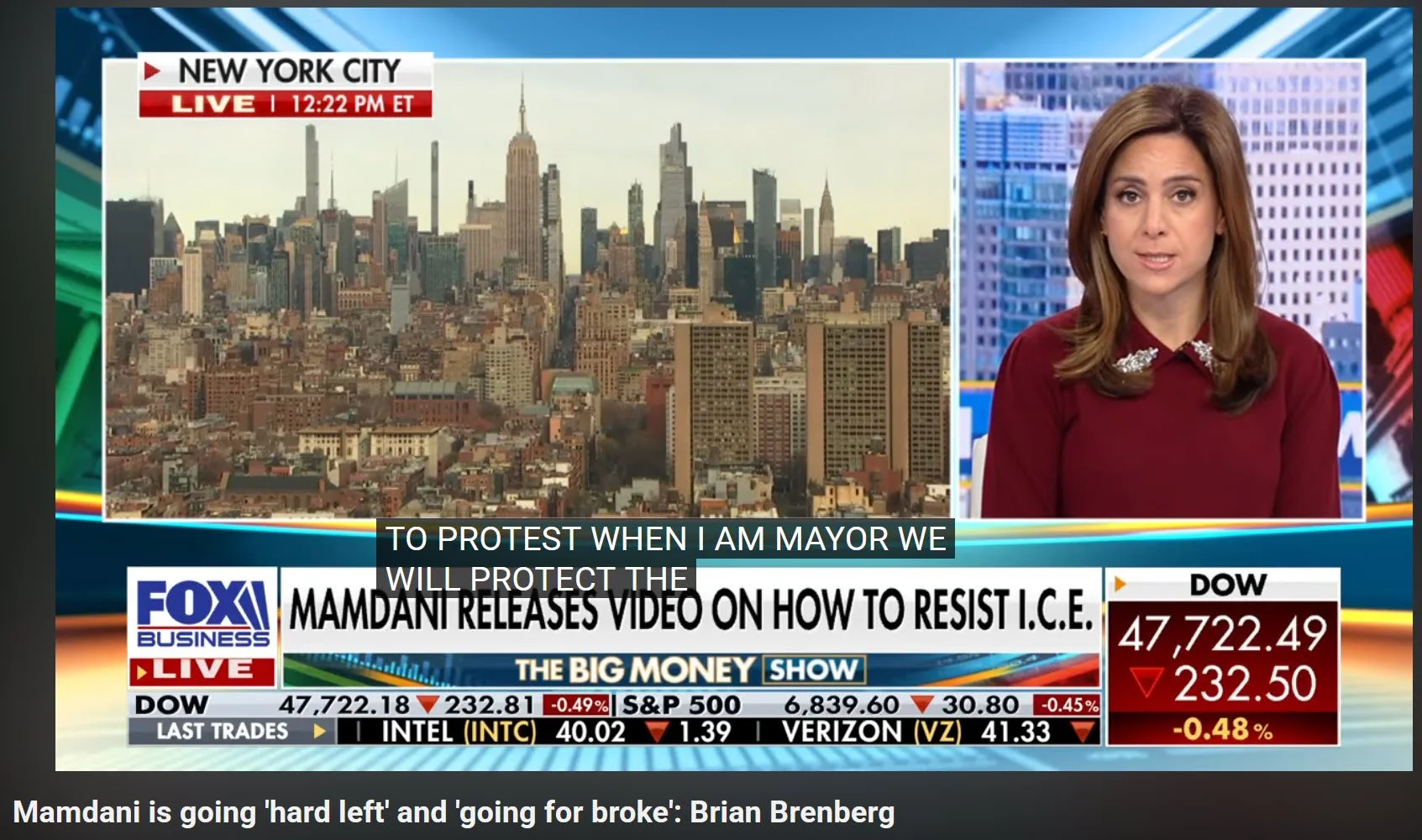
Zohran Mamdani's Promises on Policing in New York City (as of December 2025)
Zohran Mamdani, the Democratic socialist mayor-elect of New York City (set to take office January 1, 2026, after winning the 2025 election), has outlined a public safety approach that emphasizes reform while distancing himself from earlier calls to "defund the police."Key Promises and Positions
No Defunding or Reducing NYPD Staffing — Mamdani has explicitly stated he will not cut the NYPD budget or reduce officer headcount. He has promised to maintain current staffing levels and apologized for past criticisms (e.g., 2020 posts calling the NYPD "racist," "wicked & corrupt," or a threat to public safety, made amid George Floyd protests). He now frames police as essential, saying officers should be respected for their risks and focused on serious crimes.
Creation of a Department of Community Safety (DCS) — The centerpiece of his plan is a new civilian-led agency with a proposed $1–1.1 billion budget. This would shift non-violent calls (e.g., mental health crises, homelessness, emotionally disturbed persons—about 180,000 NYPD calls annually) to teams of social workers, mental health professionals, and outreach workers. The goal: Allow NYPD to improve response times for violent/serious crimes while adopting a "public health approach" to prevention (e.g., expanding violence interrupters, hate crime/gun violence programs).
Retaining Current NYPD Commissioner — In a major signal of continuity, Mamdani announced that Jessica Tisch (the current commissioner under outgoing Mayor Eric Adams) will stay on. This has been praised as reassuring business leaders and moderates but criticized by some left-leaning supporters as contradicting reform promises.
Other Reforms — Earlier proposals included eliminating NYPD overtime bloat, disbanding the Strategic Response Group (protest-focused unit), and tougher discipline/accountability. Recent statements prioritize collaboration with police, recognizing their role while relieving them of social service duties.
Context and Reception
Mamdani's evolution reflects campaign pressures: Initial progressive ideas (post-2020) faced backlash amid crime concerns, leading to moderation. Police unions and officers remain skeptical due to his history, but some express hope in his outreach (e.g., private meetings, public apologies). Critics on the right see risks in shifting calls from police; those on the left worry about insufficient overhaul.Overall, his platform seeks balance—supporting NYPD core functions while investing in alternative responses—rather than broad defunding or expansion. Implementation will depend on City Council approval and collaboration with the NYPD.
Mamdani Progressive Promises
Zohran Mamdani's Key Progressive Campaign Promises (as NYC Mayor-Elect, 2025)Zohran Mamdani, the democratic socialist mayor-elect of New York City (inauguration January 1, 2026), ran on an ambitious platform centered on addressing the cost-of-living crisis through bold, progressive policies. His agenda focuses on affordability for working-class families, funded primarily by raising taxes on corporations and high earners (e.g., increasing corporate tax rate to match New Jersey's and adding a 2% tax on incomes over $1 million, projected to generate billions annually).Here are his major progressive promises, drawn from his campaign platform and post-election statements:
Housing and Rent Relief:
Immediate rent freeze on all rent-stabilized apartments (affecting ~1 million units and over 2 million tenants).
Build 200,000 new affordable, union-built, rent-stabilized housing units over 10 years.
Fast-track approvals for affordable developments and strengthen tenant protections (e.g., better 311 services and inspections).
Childcare:
Universal free childcare for all children ages 6 weeks to 5 years, expanding on existing pre-K and 3-K programs.
Public Transportation:
Make all city buses fare-free (building on successful pilots he helped launch).
Improve bus speeds and reliability for faster service.
Food and Grocery Access:
Launch city-owned grocery stores (starting with a pilot of five, one per borough) in food deserts to lower prices and combat food insecurity.
Wages and Worker Protections:
Raise the city minimum wage to $30 by 2030.
Regulate delivery apps (e.g., standardize pay for workers, allow upfront tipping).
Ban hidden fees, non-compete clauses, and fight predatory practices.
Public Safety Reforms (Progressive Approach):
Create a new Department of Community Safety (~$1 billion budget) to handle non-violent calls (e.g., mental health crises) with social workers and professionals, freeing NYPD for serious crimes.
Maintain current NYPD staffing levels (no cuts), while emphasizing accountability and community-based prevention.
Other Economic Measures:
Tackle corporate exploitation (e.g., limit tax breaks under NDAs, challenge utility price hikes).
Broader investments in social programs to reduce inequality.
Mamdani has moderated some earlier positions (e.g., distancing from past "defund the police" rhetoric and retaining the current NYPD commissioner), framing his agenda as pragmatic and outcome-focused. Implementation will require state approval for taxes/revenue and navigating challenges like federal funding threats under President Trump. His transition team emphasizes delivering on these promises to build trust in government. Critics call them unrealistic or costly; supporters see them as building on prior progressive policies (e.g., de Blasio-era rent freezes).