Segment #703
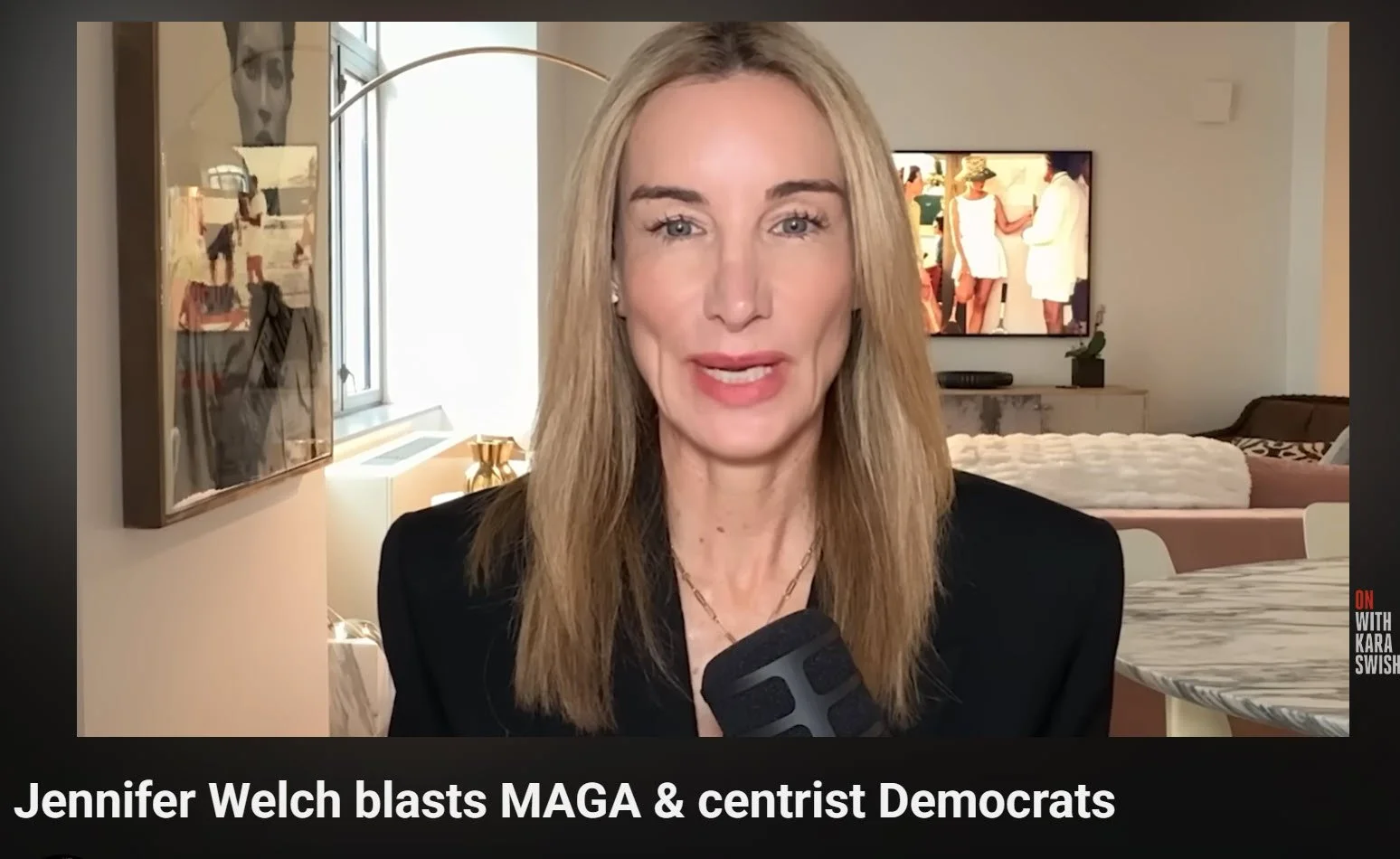
As the Dems flail for a leader, it appears that they are becoming more polarized. National candidates are afraid to take moderate positions that will lock them out of the primaries but still don’t want to create cannon fodder for Republican ads in the general. Air time is going to AOC, Crockett, and podcasters like Jennifer Welch. It is not helping and as loud as Bill Maher and Stephen A. Smith are yelling their message is being stifled. As whacky as Welch is, it appears as Congressional investigations crank up in 2026 before the midterms, she will follow form and get whackier.
Ben Domenech starts off today’s episode with a deep dive into political discourse in the United States, highlighting the Left's continued tendency to blame Conservative rhetoric while overlooking vitriol within their own party.

To win a national Democratic primary, candidates must swing left to appeal to motivated progressive voters.
Progressive positions often fail in national general elections, creating a Democratic dilemma.
Claim 1: Necessity of Leftward Shift in Democratic PrimariesDemocratic primaries feature lower turnout than generals, with participants skewing more ideological. Primary voters are often more engaged activists, and progressives (very liberal Democrats) show high engagement—e.g., Pew data indicates the "Progressive Left" had the highest 2020 turnout among Democratic groups and strongly backed left-leaning candidates.
Evidence of progressive influence: Progressives have pushed the party leftward since 2016, with candidates adopting positions on Medicare for All, Green New Deal, and racial justice. In open contests (e.g., 2020), Bernie Sanders won early states with young, progressive, and independent voters. Progressives upset incumbents in safe districts (e.g., AOC in 2018, Bowman/Bush initially).
Motivation and turnout: Progressives are often more ideologically driven, energizing base turnout in low-participation primaries. Studies show primary electorates skew left of the median Democrat, incentivizing candidates to appeal there.
Counter-evidence: Moderates frequently win nominations. In 2020, Joe Biden (centrist) defeated Sanders after moderates consolidated post-South Carolina, prioritizing electability. Biden won with strong Black and older voter support, not pure progressives. In 2024, no real contest existed, but Biden/Harris faced "uncommitted" protests from progressives over Gaza—yet no viable left challenger emerged. Establishment often clears fields or endorses moderates.
Tacking left examples: Candidates like Kamala Harris (2019-2020 primary) adopted progressive stances (e.g., Medicare for All) before moderating in the general. Many adopt left positions in primaries (e.g., on immigration, climate) to secure activists/donors, then pivot.
Overall: Partially true—progressives are disproportionately motivated and influential in primaries, forcing candidates to court them (especially in contested races). But not absolute; electability concerns and moderate coalitions often prevail nationally.Claim 2: Progressive Positions Hurt in General ElectionsThe U.S. electorate is center-right overall (more conservatives than liberals per Gallup). Democrats need swing voters (moderates, independents) in battlegrounds.
Evidence of general election weakness: Far-left positions (e.g., defund police, open borders perceptions, extreme climate policies) alienated moderates in 2020-2024. Post-2024 analyses blame overreach on cultural issues (e.g., trans rights, crime leniency) for losses among working-class and minority voters. Moderates argue progressives cost winnable seats (e.g., some 2022 House losses).
Electability priority: 2020 polls showed Democratic voters valued beating Trump over ideological purity. Biden's moderate image helped in suburbs/swing states.
Counter-evidence: Many progressive policies poll well (e.g., paid leave, drug pricing, abortion rights post-Dobbs). Economic populism (Sanders-style) appeals cross-party. Some progressives win generals in purple areas if framed pragmatically.
The pivot strategy: Winners often tack left in primaries, then center in generals—classic since the modern system.
Overall: Supported by evidence—extreme progressive stances risk alienating the median voter needed for national wins. Democrats' coalition requires broader appeal beyond the motivated base.ConclusionThe statement captures a real tension in Democratic politics: Primaries reward ideological energy (often progressive), but generals demand broad coalitions. This "dilemma" explains pivots and internal fights. Not every primary requires a full left swing (moderates win via consolidation/electability), but ignoring progressives risks low base turnout. Post-2024, debates rage over balancing these forces for future success.
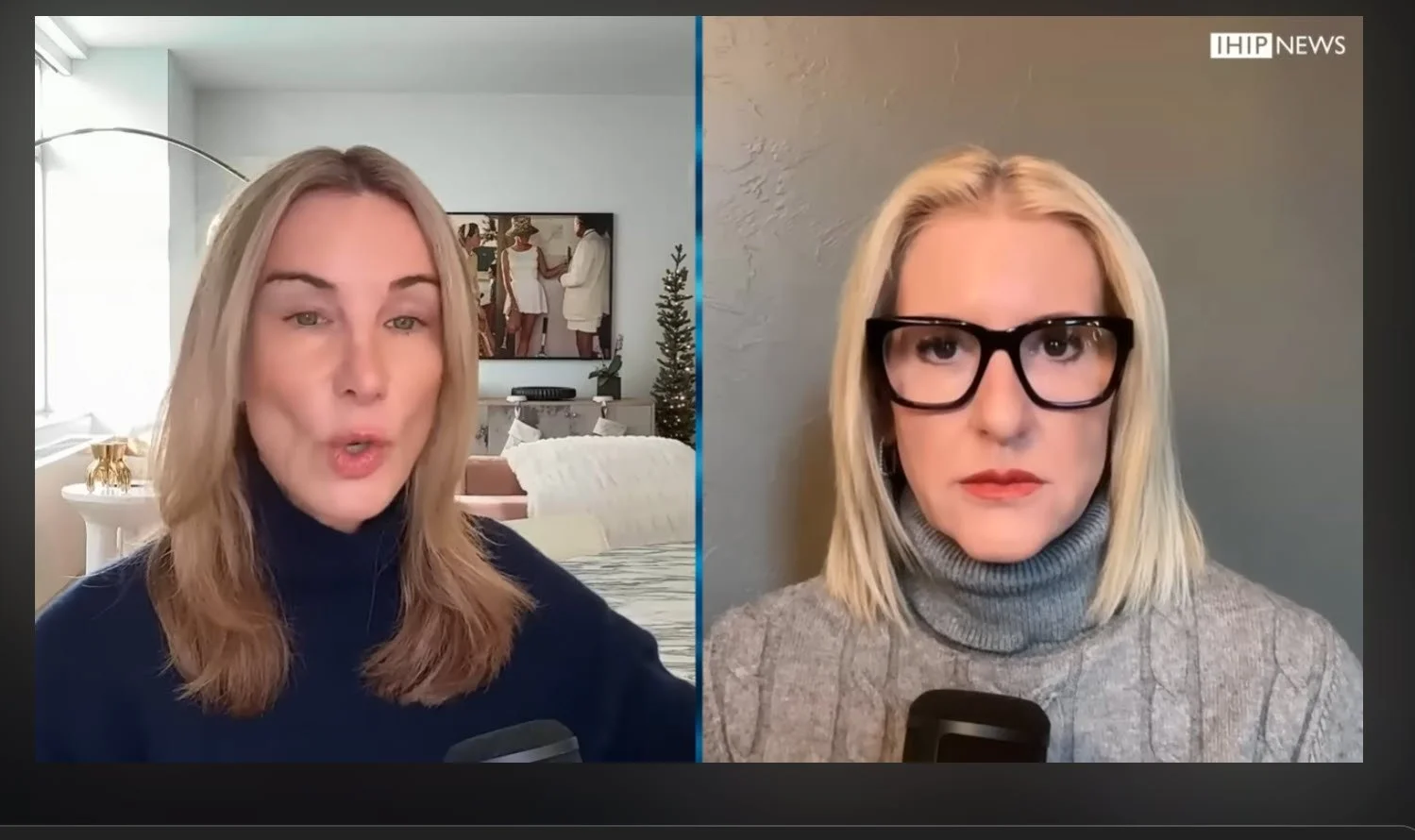
Jennifer Welch (often called "Jen Welch" or "Mizz Welch") is a prominent left-wing political podcaster, interior designer, and former reality TV star from Oklahoma City.
Background and Career
She first gained fame co-hosting the Bravo reality series Sweet Home Oklahoma (2016–2019) with her best friend Angie "Pumps" Sullivan.In 2022, they launched the podcast I've Had It, which started as a humorous show venting about petty grievances and "toxic positivity" but evolved into a sharply progressive political commentary platform. By 2025, it became one of the top-rated podcasts (often in Apple's top 100), with a spinoff daily news show called IHIP News. The show is known for profane, unfiltered rants, viral clips, and high-profile interviews with figures like Barack Obama, Kamala Harris, Alexandria Ocasio-Cortez, Elizabeth Warren, Bernie Sanders, Hakeem Jeffries, Jen Psaki, and far-left influencers like Hasan Piker (who called it "the most radical progressive podcast in North America").
Political Stance
Welch is a longtime Democrat and atheist who aggressively pushes the party further left. She frequently criticizes moderate or establishment Democrats (e.g., calling out Chuck Schumer, Hakeem Jeffries, Cory Booker, and Rahm Emanuel for being too cautious on issues like trans rights, Israel/AIPAC funding, or fighting Republicans hard enough). She's urged primaries against centrists, praised democratic socialists like Zohran Mamdani (NYC mayor-elect in this timeline), and argued Democrats need more confrontational tactics to energize the base.Her style is often described as "wine mom" energy—relatable to college-educated women—but with extreme rhetoric that draws backlash from the right (e.g., accusations of endorsing political violence or demonizing conservatives). Left-leaning outlets like NPR and Rolling Stone highlight her as a voice for disaffected progressives, while some compare her influence to a "left-wing Joe Rogan" for mobilizing the base.
Relevance to Democratic Politics
In the context of discussions about Democratic primaries and progressive appeal, Welch embodies the motivated far-left activist wing: highly engaged, demanding ideological purity, and influential among online/left media circles. Critics argue her approach exemplifies why progressive positions struggle in broader elections—alienating moderates while firing up the base.The podcast has millions of followers across platforms and frequent viral moments, making her a rising figure in Democratic media ecosystems as of late 2025.