Segment #806
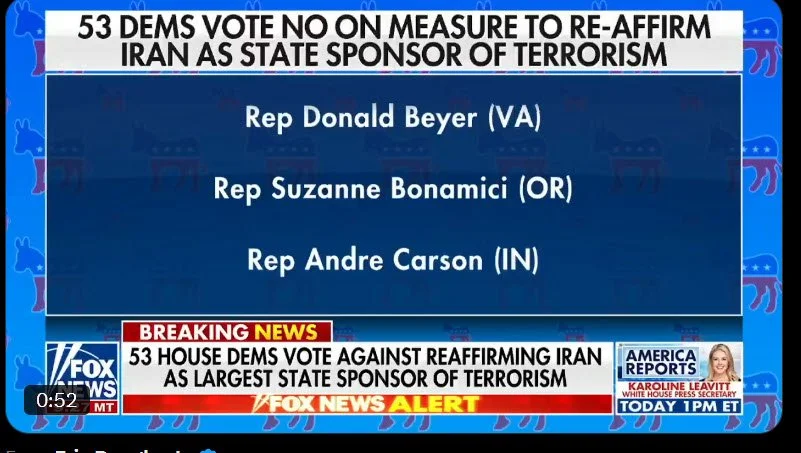
As a veteran, I find it deeply disturbing to watch media figures and politicians propagate falsehoods regarding active military operations where American lives are on the line. It is difficult to interpret this behavior as anything other than a desire to see our government falter, seemingly prioritizing political agendas over the lives of our service members.
While the First Amendment protects speech even when it borders on what many would consider traitorous or seditious conduct, this protection presents a painful paradox. It allows rhetoric that can potentially embolden our enemies, yet it is the foundation of our republic. Because our system cannot—and should not—criminalize political speech, the only defense we have is total transparency. These individuals must be brought into the light so their fellow citizens can judge their words and motives accordingly.
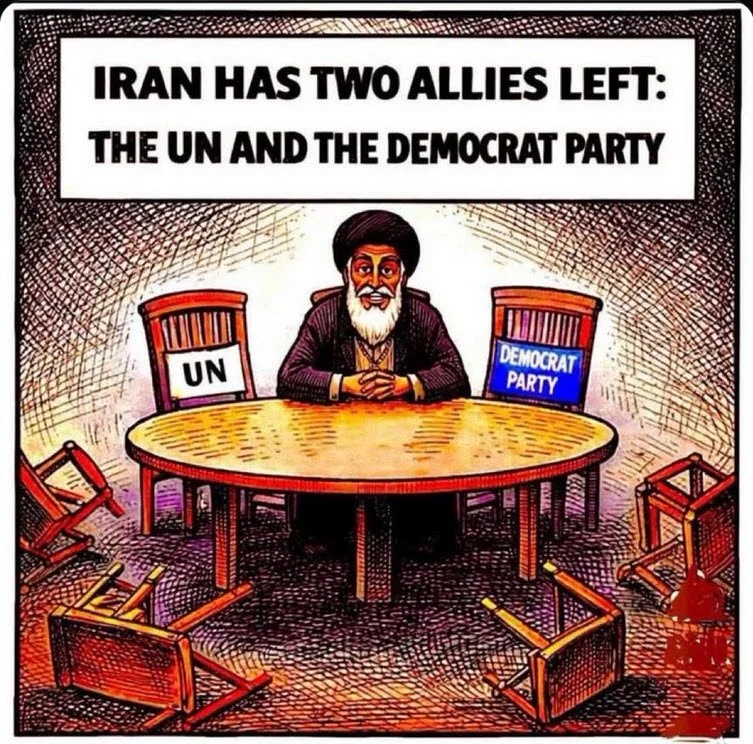
Ultimately, this is the heavy price of living in a free society. The rise of independent media and the internet has made it impossible for any single narrative to dominate, giving us the tools to scrutinize those who would undermine our national interests. We must remain vigilant in holding these voices accountable, especially when their words put our citizens in harm’s way.
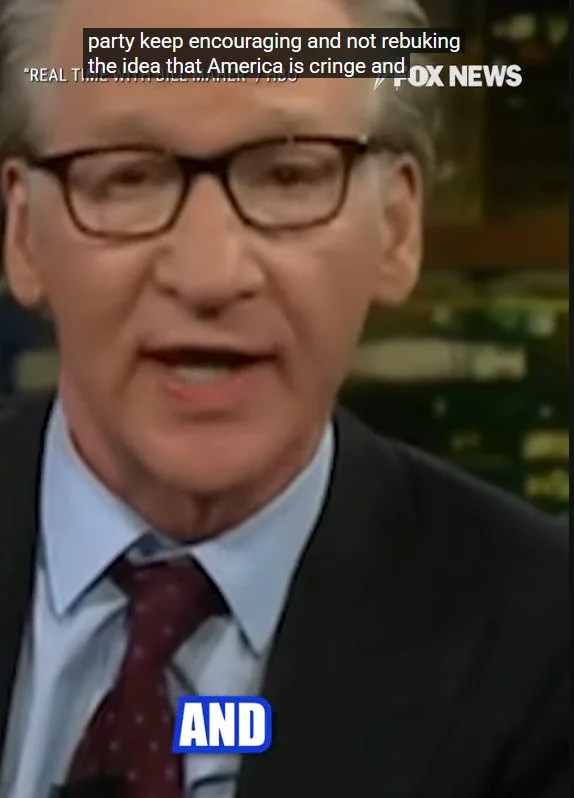
https://www.youtube.com/shorts/ot4DITWmaVU?feature=share
'DEMS ARE DOOMED': Bill Maher rips liberals over anti-Israel agenda
Under U.S. federal law, the threshold for a charge of sedition or seditious conspiracy is extremely high, and it is distinct from political disagreement or lying about military matters.
Legal Definitions
Seditious Conspiracy (18 U.S.C. § 2384): This federal statute generally requires proof that two or more people conspired to use force to overthrow the government, prevent the execution of federal law, or seize government property. Legal experts emphasize that this requires an intent to use force or violence. It does not criminalize political speech, criticism of the government, or lying about government actions
First Amendment Protections: Political speech, even if it is perceived as false, inflammatory, or critical of a military engagement, is robustly protected by the First Amendment. Under the standard set by the Supreme Court in Brandenburg v. Ohio (1969), speech can only be criminalized if it is directed to inciting "imminent lawless action" and is "likely to incite or produce such action." Mere political rhetoric—even if highly controversial—rarely meets this criteria.
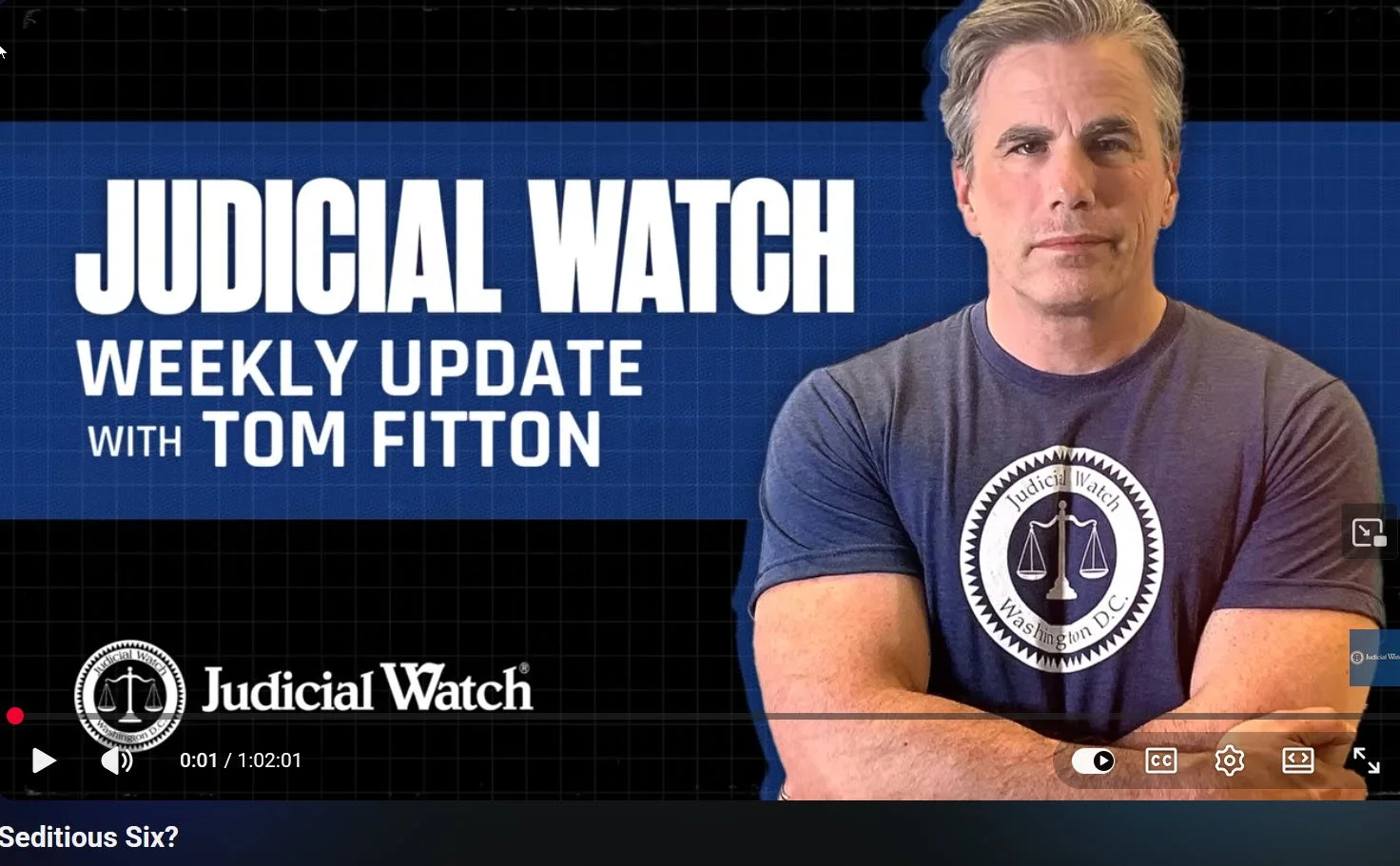
Judicial Watch Analyzes the “Seditious Six Video’
Challenges in Prosecution
Legal analysis regarding potential charges for public figures often highlights these barriers:
Requirement of Force: Prosecutors must demonstrate an actual plan or conspiracy to use force or violence against the government. Political persuasion, trickery, or dishonesty in public discourse does not fit this legal definition.
High Intent Threshold: Statutes related to activities affecting the armed forces—such as 18 U.S.C. § 2387, which prohibits attempting to cause insubordination or refusal of duty—require proving a specific intent to impair the loyalty, morale, or discipline of service members. This is notoriously difficult to prove in a court of law, especially when the speech in question is political in nature.
Constitutional Scrutiny: Any attempt to prosecute politicians for their speech would face rigorous constitutional scrutiny, and legal experts widely agree that political speech criticizing the government or its military policies is generally immune from sedition charges.
In short, while there is ongoing political debate about the rhetoric used by various politicians regarding military operations, current legal definitions and Supreme Court precedent make it highly unlikely that statements—even if proven false—would constitute sedition.