
Shellenberger on the Iran War
Segment #864

Shellenberger makes some interesting points. Clearly the Middle East oil producing countries can not solely depend on vulnerable export strategies for their oil. That said to cede countrol of choke point waterways anywhere on the globe is to guarantee further disruptions and conflict. Whether that be Hormuz or Bab al-Mandab at the southern end of the Red Sea this precedent can not become acceptable
The Hormuz Strait was a disaster waiting to happen. The only solution is to diversify energy production and for Gulf nations to build pipelines to export their oil and gas via the Red Sea and Mediterranean. More war will result in more harm and higher energy prices for longer.Michael Shellenberger
The Trump administration underestimated Iran’s willingness to close the Strait of Hormuz, note many in the media. CNN reported that while the Departments of Energy and the Treasury participated in pre-war planning meetings, “the agency analysis and forecasts that would be integral elements of the decision-making process in past administrations were secondary considerations.”
But the Strait of Hormuz was a catastrophe waiting to happen. A few years from now, people will look back on this moment and find it incredible that the world allowed the global economy to be dependent on moving so much oil and natural gas through such a dangerous bottleneck.
Part of the solution is for the world to reduce its dependence on Persian Gulf oil and gas. That will require expanding production outside the Persian Gulf. Another part is to help Persian Gulf nations move more of their oil and gas through new or expanded pipelines to the Red Sea and perhaps even the Mediterranean. The faster the world builds those alternatives, the less leverage Iran retains.
Many believe that the United States must not allow Iran to control the Strait under any circumstances, and the instinct to fight for Hormuz is understandable. It has been a central artery of global energy for over half a century. But instead of fighting to reopen the Strait, the world should build around it. The infrastructure to do so already exists in embryonic form. Saudi Arabia’s East-West pipeline, built during the Iran-Iraq war in the 1980s, carries crude 750 miles across the kingdom from the Gulf coast to the Red Sea port of Yanbu, with a design capacity of 7 million barrels per day. The UAE’s Abu Dhabi Crude Oil Pipeline runs to Fujairah on the Gulf of Oman, bypassing the Strait entirely. And Iraq’s Kirkuk-Ceyhan pipeline connects to the Mediterranean coast of Turkey.
Gulf states are already exploring a broader network of pipelines, railways, and roads, including the U.S.-backed India-Middle East-Europe Economic Corridor (IMEC), that would create multiple export routes to the Red Sea and the Mediterranean. Kuwait, Bahrain, and Qatar, which have no bypass pipelines at all, should build routes through Saudi Arabia or Iraq, argued The National, a UAE newspaper. And Japan, South Korea, and India should, the paper argued, invest alongside Gulf sovereign wealth funds.
Iran will almost certainly impose tolls on vessels transiting the Strait, as its parliament has already passed a bill to formalize fee collection. A toll of $2 to $5 per barrel, the range analysts expect Iran to charge, would add roughly $40 to $100 billion per year to global energy costs. But more war will cause far more harm than simply building alternatives because every escalation destroys infrastructure that the world needs to produce and export energy. While “all roads” may lead to “structurally higher oil prices,” as one analysis of future scenarios concluded, one of those roads leads to far less damage to people and energy infrastructure. Iran’s strikes on Ras Laffan, Qatar’s LNG hub, will take three to five years to repair. The strikes on South Pars threaten the world’s largest natural gas reserve. Iran’s attacks on Gulf neighbors have damaged refineries, desalination plants, and port facilities across Saudi Arabia, the UAE, Bahrain, and Kuwait.
And consider how much more damage is possible. After the US struck Kharg Island, Iran’s main oil export hub, and Israel hit Iran’s largest petrochemical complex at South Pars, the world’s largest natural gas reserve, Iran’s military threatened to “deprive the U.S. and its allies of the region’s oil and gas for years.” As such, the $40 to $100 billion is a fraction of the $2 trillion or more that Goldman Sachs has estimated the war has already cost the global economy in lost output, destroyed infrastructure, and elevated energy prices. And continued war could lead Iran to cut off the flows of existing Saudi oil flows through its East-West pipeline. Iranian adviser Aliakbar Velayati warned that Iran views the Bab al-Mandab Strait off Yemen “with the same intensity as Hormuz” and that “the flow of energy and global trade can be disrupted with a single signal.”
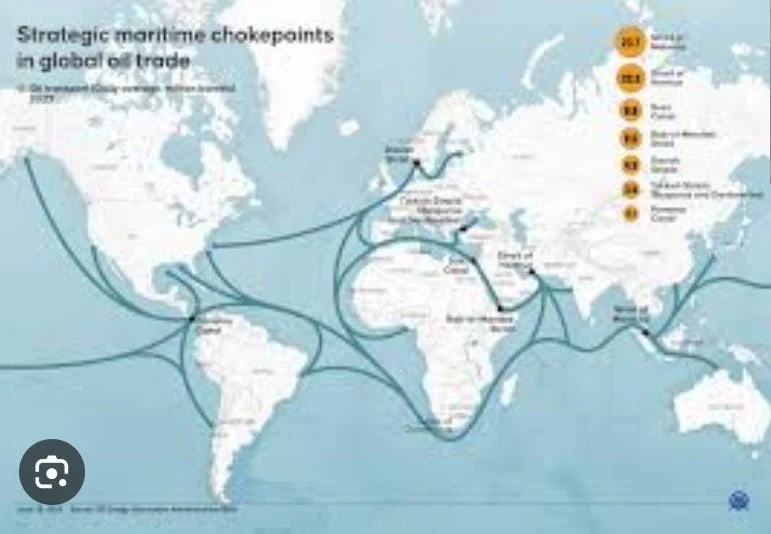
World Maritime Choke Points
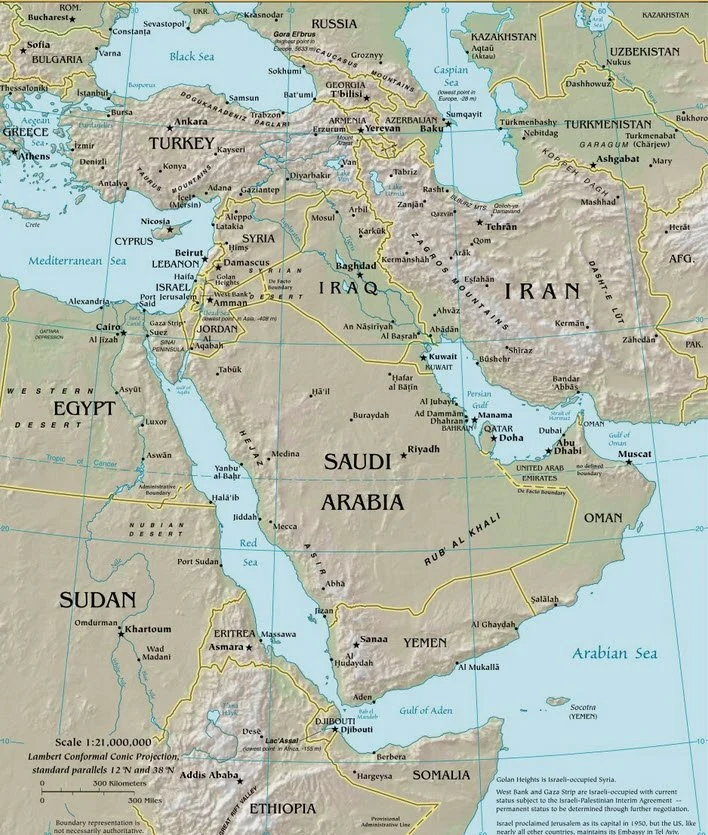
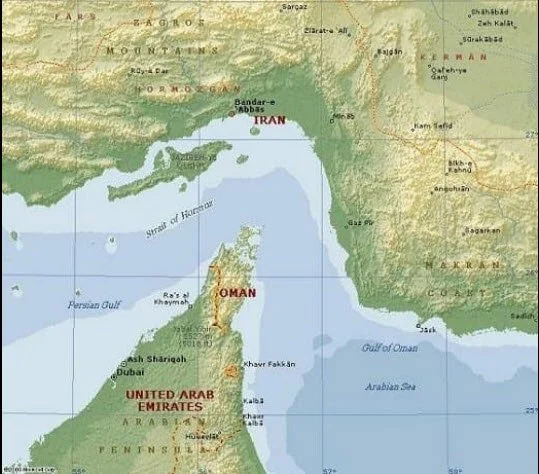
Strait of Hormuz
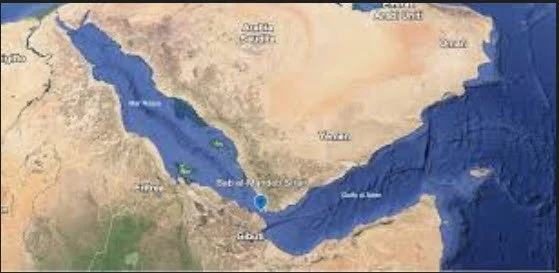
Bab Al-Mandab Strait
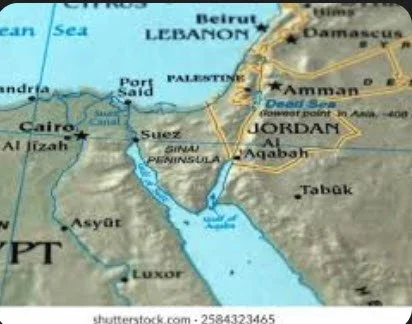
Suez Cabal
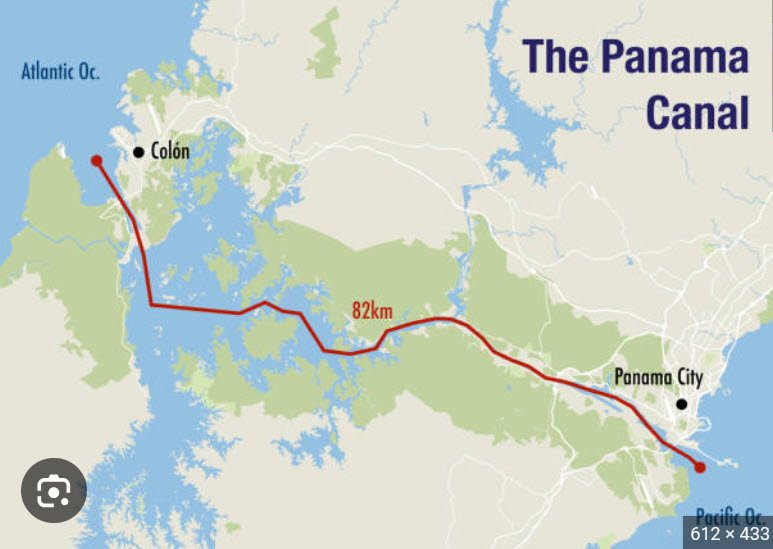
Panama Canal
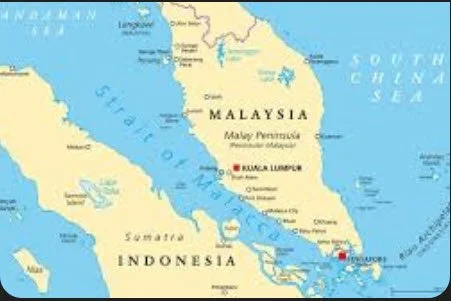
Strait of Malacca
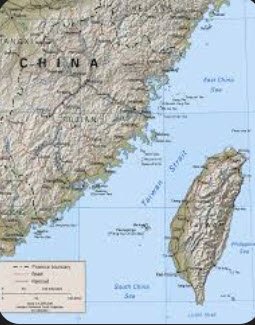
Taiwan Strait
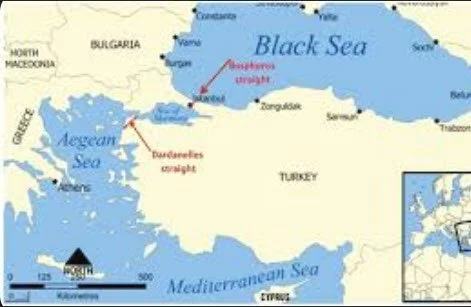
Turkish Strait