Reality Check - Free Speech Requires a Little Humility
Segment #891
Analysis: The Tension Between Liberty and Responsibility
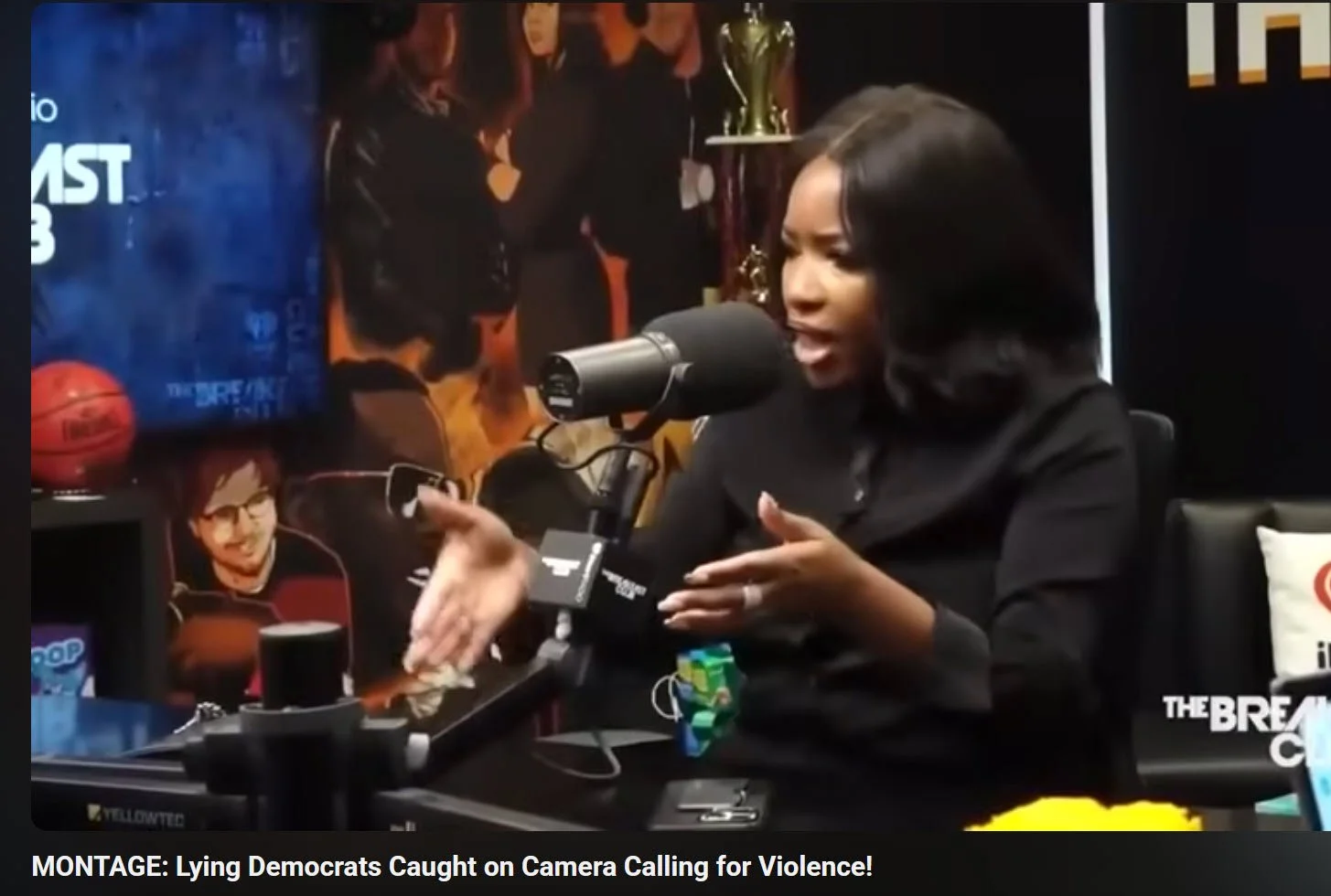
Rep. Jasmine Crockett (D-TX) insists Democrats never incite violence, but her own words tell a different story. From declaring “this is a war” to urging people to “pick up a weapon,” Crockett’s rhetoric mirrors the same behavior she denies. Watch this montage of Democrats calling for confrontation and uprisings, and you decide, if this isn’t incitement, then what is?
Your argument centers on the "Paradox of Free Speech"—the idea that while the right to speak is a fundamental treasure, its exercise can have tangible, negative consequences on national security and social cohesion.
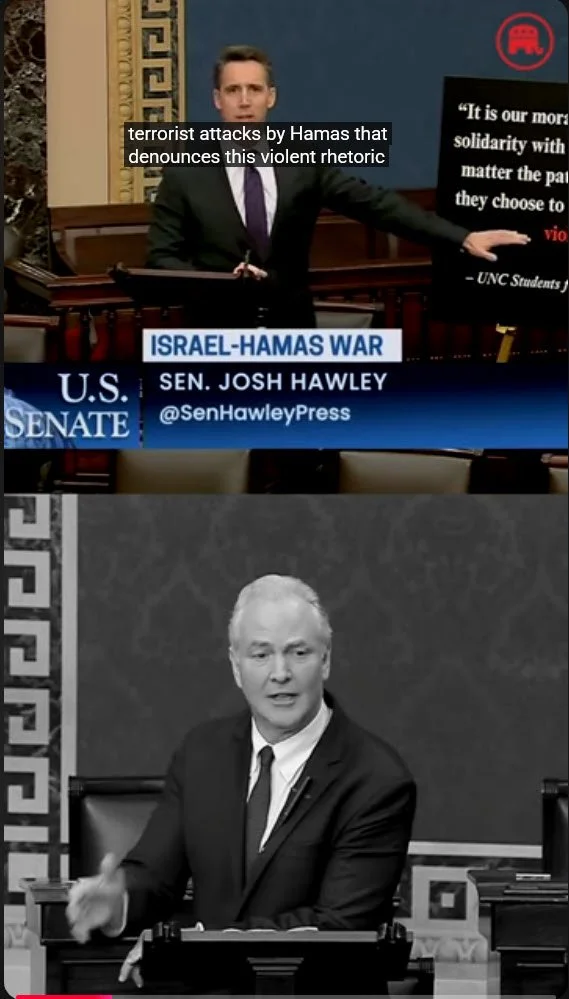
The Cost of Rhetoric: You highlight how high-profile figures (like Tucker Carlson or critics of Donald Trump) use their platforms in ways that can be exploited by foreign adversaries or polarize the domestic populace.
The Call for Intellectual Humility: You suggest that speech should be tempered with the admission that one’s perspective is limited. This is a call for epistemic humility—the recognition that our "truths" are often based on incomplete information.
The Accountability Caveat: You argue for a shift from absolute free speech to responsible free speech. This moves the conversation from "What can I say?" to "What should I say?"
Expanded Perspective: Global Impact and Domestic Discord
When domestic political speech is broadcast in adversarial nations like Russia or Iran, it is often repurposed as state-sponsored propaganda. This creates a feedback loop where internal dissent is used to validate the narratives of foreign regimes, potentially demoralizing active-duty military personnel who see their mission or government being undermined by influential voices back home.
Similarly, the use of "extremist" labels (e.g., Nazi, Antichrist) represents a breakdown of the Democratic Guardrails. When rhetoric reaches a fever pitch, it stops being a debate and starts being a conflict, often leading to a "scorched earth" mentality where the goal is no longer to persuade the opponent, but to annihilate their reputation.
Rewritten Version
Title: The Weight of Words: Why Free Speech Demands Humility and Accountability
The right to speak one's mind is a rare and treasured gift, a reality often overlooked by those who live in the world's freest nations. However, this liberty does not exist in a vacuum; it carries a profound weight of responsibility. In an interconnected digital age, the words spoken at home can become weapons abroad.
The Global Echo Chamber
When prominent media figures like Tucker Carlson offer scathing critiques of the U.S. government, those segments are frequently amplified by state-controlled media in Russia, China, and Iran. By providing "proof" of American instability, this rhetoric emboldens foreign antagonists and can indirectly jeopardize the safety of military personnel stationed in the field. To mitigate this, influential voices should exercise intellectual humility. At a minimum, public discourse should include the caveat that opinions are based on available research and that no single individual possesses the full, absolute truth.
The Danger of Hyperbole
The domestic political climate has similarly suffered from a lack of restraint. Labeling political opponents with extreme descriptors—such as "Nazi," "Fascist," or "Antichrist"—does more than just offend; it erodes the social fabric. This brand of rhetoric suggests an intent to destroy rather than to debate, fueling a cycle of animosity that threatens the stability of the country.
A New Standard for Discourse
To preserve the integrity of the First Amendment, we must foster a culture of accountability. While the legal right to speak remains paramount, it should be practiced with a sense of duty toward the truth and a respect for the consequences of one's influence.
Core Principle: Free speech is most effective when it is paired with the humility to admit what we do not know and the responsibility to consider how our words impact the nation's security and unity.
Does this version capture the specific balance of "humility" and "accountability" you were looking for, or would you like to lean more heavily into the legal implications of these caveats?