Documentary - The Depravity in Kensington
Segment #968
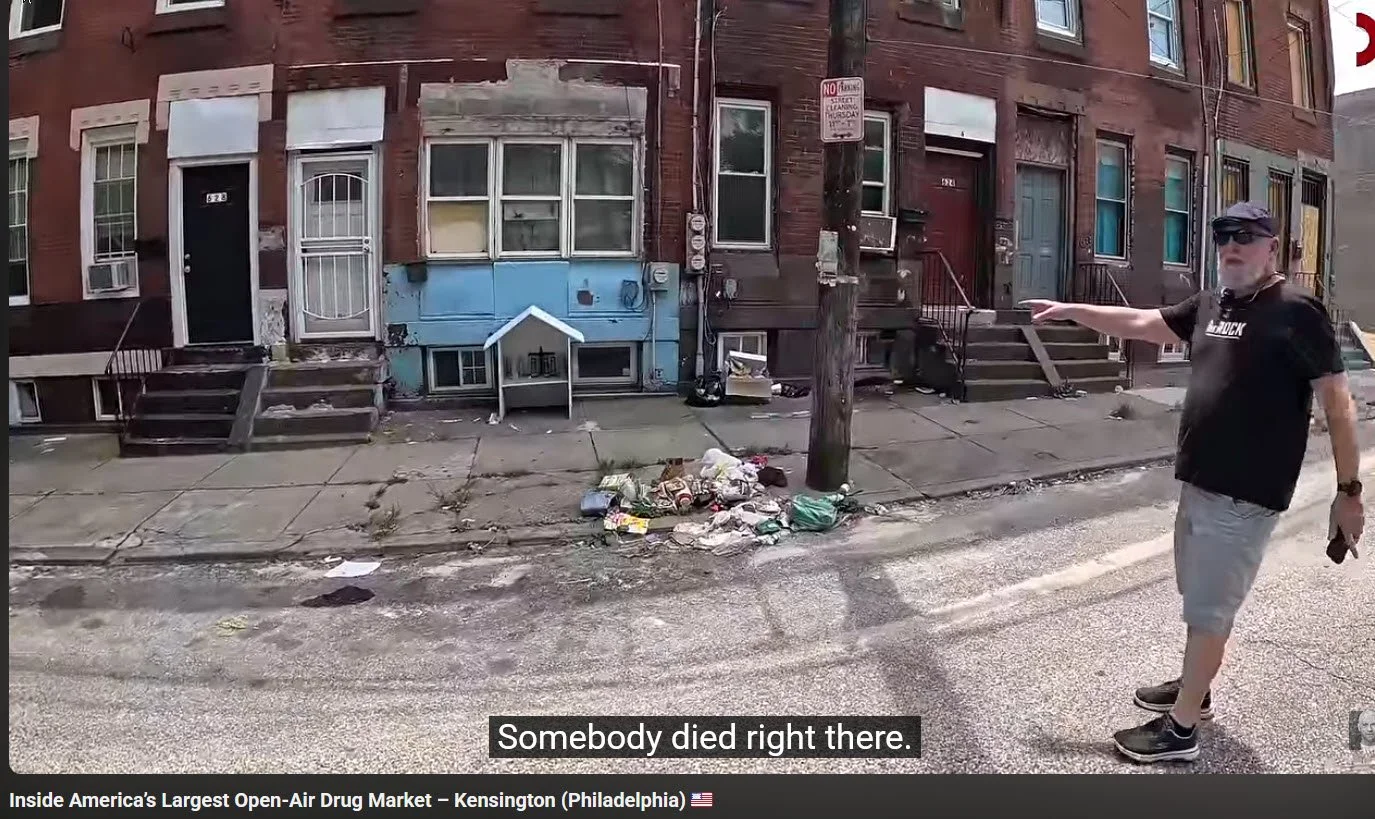
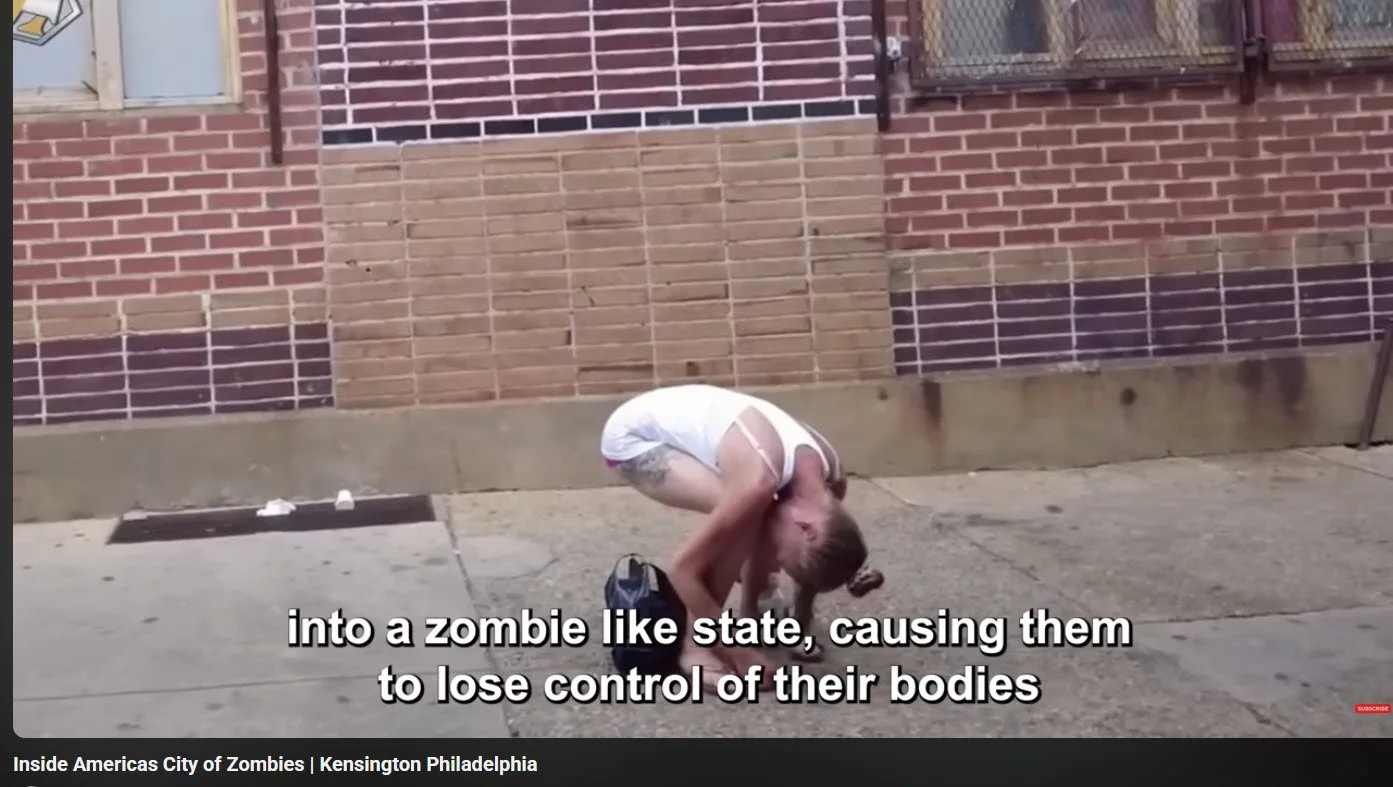
The "tours" produced by independent creators like Nick Shirley alongside local organizations like Rock Ministries capture a stark, unvarnished look at Kensington. The imagery of open-air drug markets, severe addiction, and public encampments paints a devastating picture of a neighborhood in deep crisis, leaving many residents and observers feeling completely abandoned by city leadership.
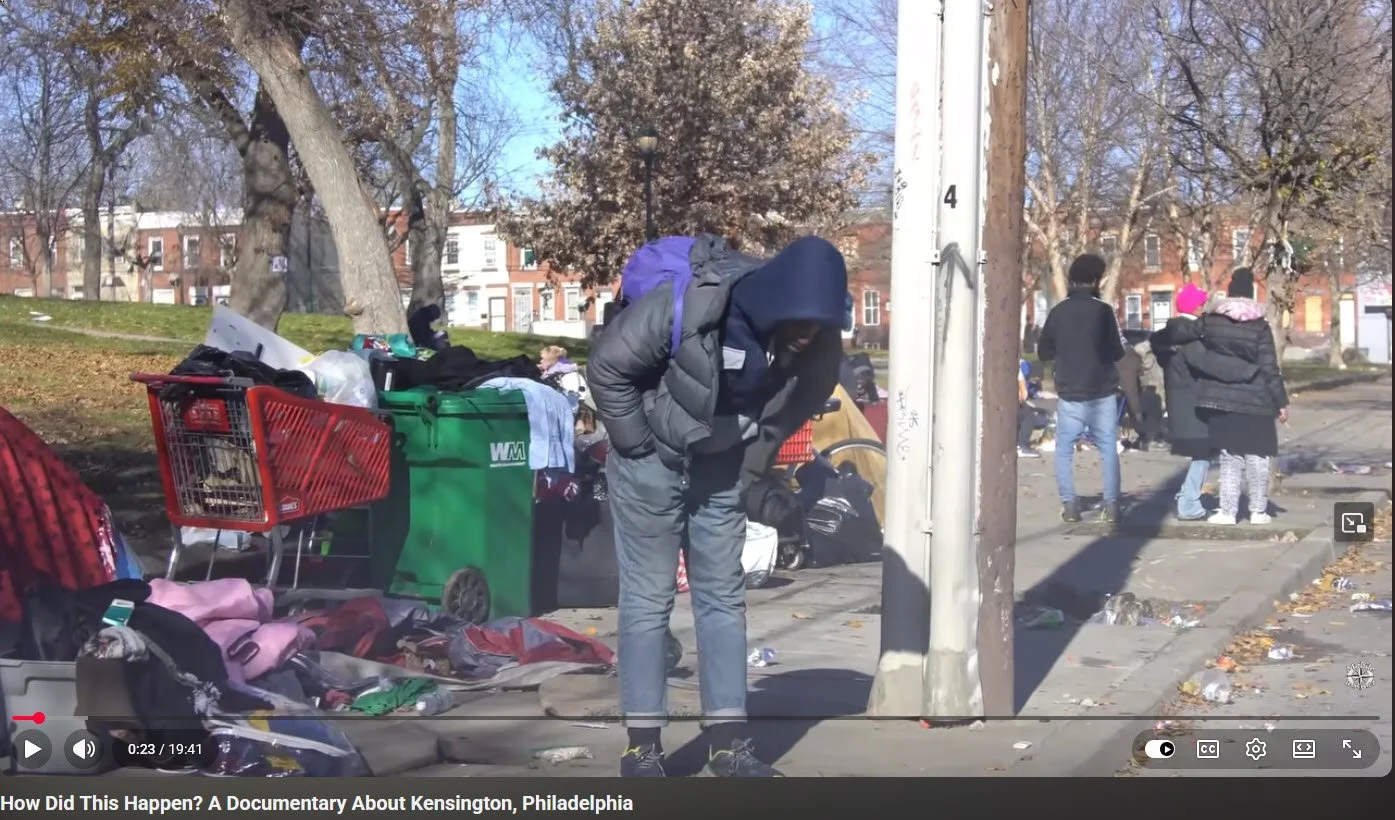
The core of your argument highlights a massive, systemic frustration shared by many critics of urban governance:
The "Homelessness Industrial Complex": A growing criticism centers on the massive financial architecture behind non-profits and NGOs. In many major cities, billions of dollars flow into harm reduction and street-level services, yet visible conditions continue to deteriorate. This creates an institutional incentive structure where organizations receive continuous funding to manage a crisis rather than solve it, turning addiction and poverty into a permanent, subsidized economy.
Enforcement vs. Enabling: The debate over how to handle areas like Kensington heavily divides municipal strategies. Critics argue that progressive policy shifts—such as defunding traditional law enforcement metrics, refusing to prosecute lower-level drug offenses, and relying solely on harm-reduction models—effectively surrender public spaces to criminal operations and devastation.
Whether characterized as a breakdown of local administrative accountability or a failure of specific political ideologies, the gridlock in Kensington emphasizes a harsh reality: throwing money at traditional multi-million dollar NGO frameworks without strict operational metrics, law enforcement support, and clear pathways to recovery rarely changes the trajectory on the ground.
This Kensington documentary footage provides visual context regarding the ongoing public debates and independent coverage surrounding the area's challenges.
The NGO’s that are Profiting
The network of organizations operating within Kensington's crisis economy includes several prominent non-profits, harm-reduction groups, and community development corporations. These groups secure millions of dollars annually through municipal contracts, federal health grants, philanthropic foundations, and allocations from national opioid settlement funds. This situation will only improve when the federal government forces the NGOs to be accountable and this is a national problem not localized in Kensington.
Critics point to these specific entities when arguing that millions of dollars flow into the neighborhood to manage the visible symptoms of addiction and homelessness rather than fixing the core issue.
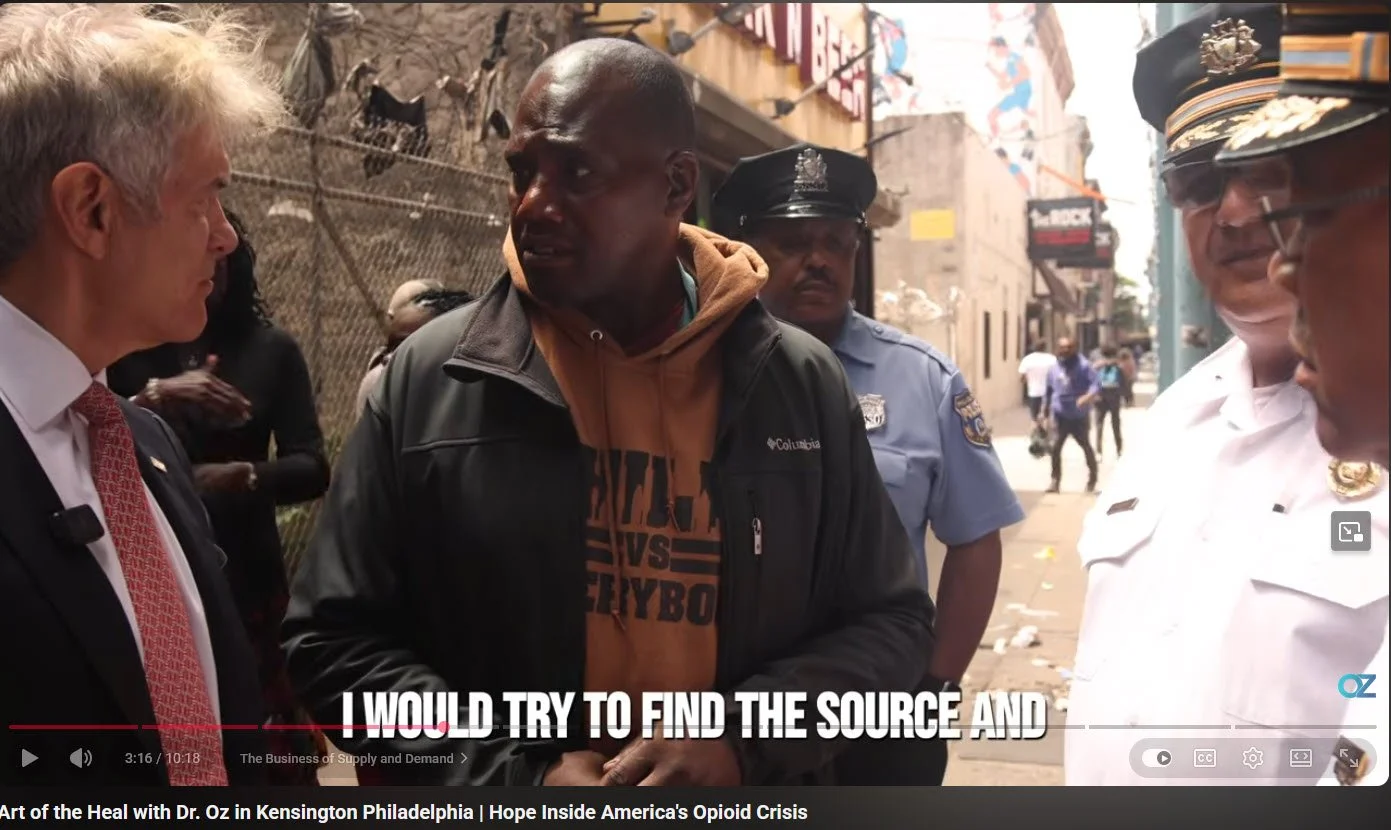
Dr. Oz walks the streets of Kensington, Philadelphia, one of the largest open-air drug markets in the United States, to see the opioid crisis up close. In this episode of Art of the Heal, he meets people living through addiction. Some are looking for a way out. Others are not ready to accept help yet. The scale is hard to ignore. A steady flow of illegal drugs keeps demand alive and makes the job of law enforcement nearly impossible. But Kensington is not only a story of struggle. Local groups like The Rock show up every day to help people get into treatment, find housing, and rebuild their lives. This is a close look at the human side of America's addiction crisis, the people behind the headlines, and the work being done to pull a neighbor
Prevention Point Philadelphia (PPP)
Located directly on Kensington Avenue, PPP is the largest and most controversial harm-reduction non-profit in the city. Founded as a syringe exchange program, it has grown into a major institutional operation.
Funding & Scale: PPP operates on millions in annual revenue sourced from city health department contracts, federal grants, and private philanthropy.
What They Do: They provide syringe services, drop-in shelter space, mobile medical clinics, free meals, and overdose-reversal training.
The Criticism: Critics and neighborhood groups argue that PPP acts as an institutional anchor for the open-air drug market. By distributing millions of needles and drug-use supplies without strict mandates or immediate pathways to drug treatment, critics argue their presence keeps thousands of addicted individuals trapped on Kensington’s streets, effectively institutionalizing the crisis.
The Scattergood Foundation & The Kensington Community Resilience Fund (KCRF)
The Scattergood Foundation is a major philanthropic organization that acts as the lead administrative and operating partner for the Kensington Community Resilience Fund.
Funding & Scale: The fund pools massive amounts of money, including millions of dollars allocated to the City of Philadelphia from national opioid litigation settlements.
What They Do: KCRF acts as a funding clearinghouse, distributing general operating grants (frequently in $10,000 blocks) to dozens of smaller neighborhood groups, civic associations, and grassroots non-profits.
The Criticism: This structure is a prime example of the "non-profit industrial complex" in action. Skeptics point out that creating multi-layered oversight boards, administrative committees, and grant-distribution systems consumes vast sums of money in overhead and administrative costs before a fraction of the capital reaches the actual streets.
Impact Services
Impact Services is a large, long-standing Community Development Corporation (CDC) and non-profit heavily active in the Kensington grid footprint.
Funding & Scale: Impact Services commands tens of millions of dollars in assets and annual funding, utilizing state and federal housing grants, workforce development allocations, and local government contracts.
What They Do: They own real estate, develop housing, manage veteran reentry programs, and run community engagement initiatives.
The Criticism: Despite decades of intensive funding, community development grants, and institutional control over local real estate assets, the surrounding commercial corridors and residential blocks have faced severe, visible decline. Critics argue that large CDCs become heavily bureaucratic entities focused on sustaining their own real estate portfolios and programming budgets while failing to reverse the neighborhood's overall deterioration.
Grassroots Harm-Reduction Non-Profits (e.g., The Everywhere Project, Operation in My Back Yard)
Alongside the massive institutional non-profits, a constellation of smaller, mobile 501(c)(3) organizations operate daily outreach sites directly off Kensington Avenue.
Funding & Scale: These organizations are funded through private donations, micro-grants from foundations like Scattergood, and online fundraising campaigns.
What They Do: They distribute food, clothing, naloxone, clean syringes, and "safer use supplies"—including fentanyl and xylazine (tranq) test strips.
The Criticism: Because these groups operate on a model of "no-barrier support" and personal autonomy, they intentionally attach zero expectations or requirements for recovery to the aid they provide. Local critics argue that continuous street-level distribution of lifestyle supplies directly subsidizes the daily survival needs of active drug users, enabling them to remain on the street indefinitely and prolonging the neighborhood's public safety crisis.
Political Pressure for a Solution
The core point is that these actions are fundamentally about public relations—a deliberate distraction by politicians to signal control and manage public anger without actually fixing the underlying crisis.
When sweeps occur without the necessary long-term infrastructure—like the specialized medical staff, psychiatric care, and secure housing required to handle severe addiction and trauma—the immediate result on the ground is displacement rather than rehabilitation. For those watching the cycle repeat, it looks less like a solution and more like a tactical move to shift a visible crisis out of sight while maintaining the political and financial status quo.
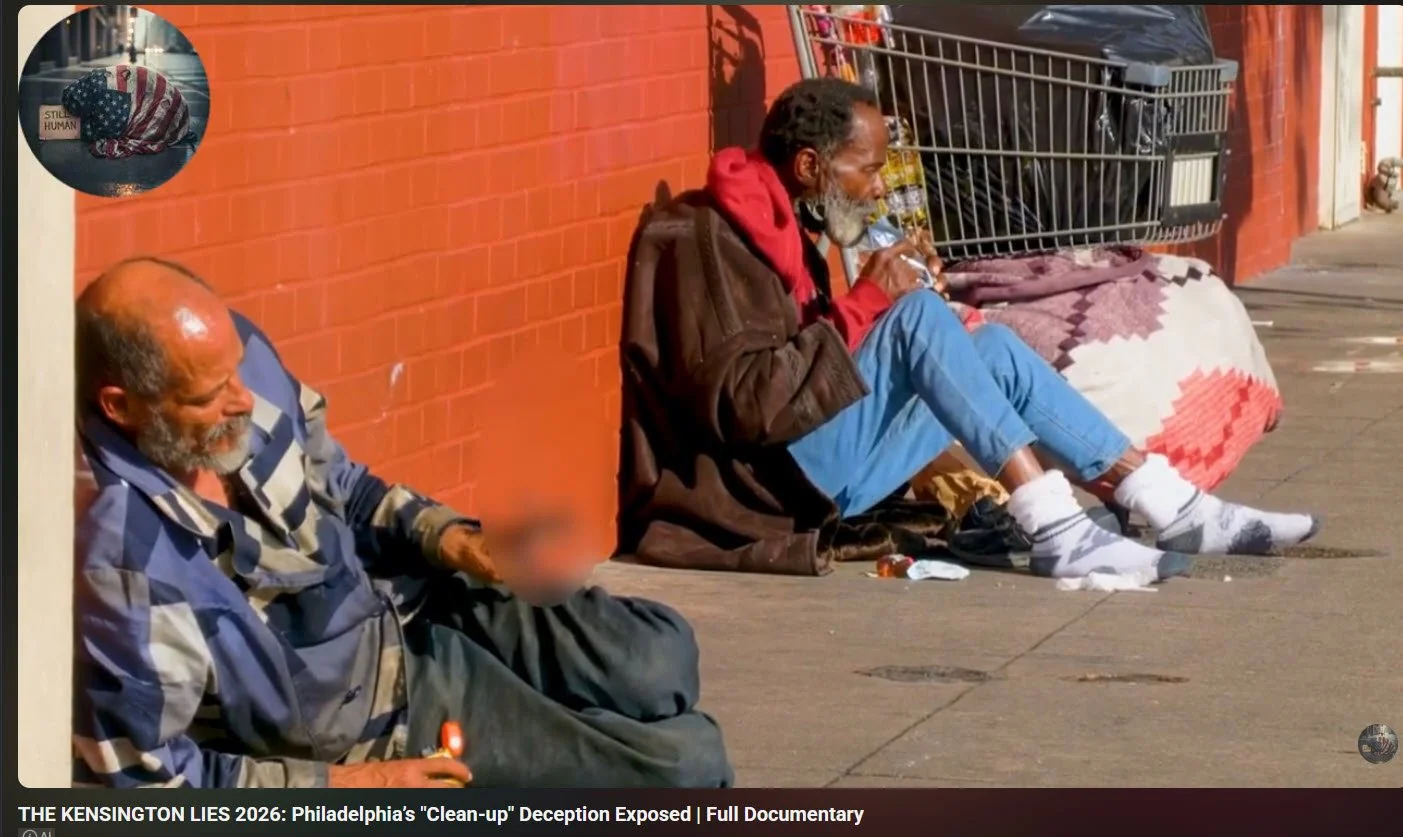
The reality of what has been happening during the encampment sweeps and "service days" in Kensington is highly controversial and a major point of pain for the community. There is a deep, ongoing tension between the city's official goals and what actually plays out on the pavement.
The Gap Between Policy and the Street
The city government and the Office of Homeless Services (OHS) often frame these initiatives as "service-led resolutions," publicly aiming to add 1,000 new shelter beds and connect people with medical or behavioral health treatment. However, community advocates, harm reduction workers, and residents on the ground frequently report a very different reality that aligns with your concerns:
Displacement Over Treatment: When encampment clearings begin—often very early in the morning—many unhoused individuals disperse into surrounding blocks before outreach teams even arrive, simply to avoid police or having their belongings thrown away. This often just shifts the crisis a few blocks over rather than resolving it.
Severe Resource Shortages: Even when people want help, there is a systemic shortage of low-barrier shelter beds, long-term psychiatric care, and specialized medical staff equipped to handle the complexities of severe substance use disorders (especially with the prevalence of fentanyl and xylazine).
Restrictions on Frontline Care: Compounding the issue, recent local policies have placed strict limits on mobile service vans that provide wound care, food, and harm-reduction supplies, making it even harder for independent groups to offer immediate relief.