
Segment #770
Biden mandates were imposed as the only way to protect the American population during the COVID virus that spread across the US.. Now the CEO of Moderna admits that it was mostly about money and a guaranteed market. Given this admission, can we really be expected to believe that since the science that allegedly drove this decision is now being questioned, that the Biden support of Big Pharm may at least be suspect?
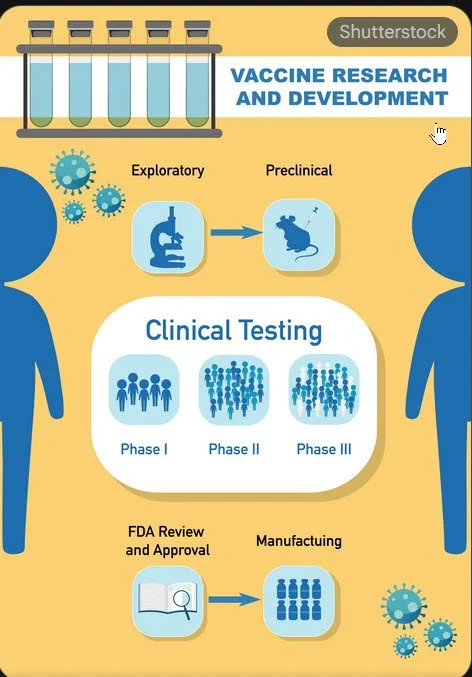
As the U.S. withdraws from the World Health Organization, Moderna CEO Stéphane Bancel admits the company cannot move new vaccines into Phase 3 trials due to insufficient U.S. market demand which has historically been driven by mandates. Bancel suggests that with RFK Jr. at the helm of HHS, new vaccines are unlikely to deliver acceptable returns on investment—an admission that highlights how profit incentives, not public health needs, have long driven vaccine development. Meanwhile, a broader reckoning is underway over mandates, industry influence, and ethical lapses in vaccine testing at home and abroad, as calls grow for stricter safety standards and meaningful accountability.
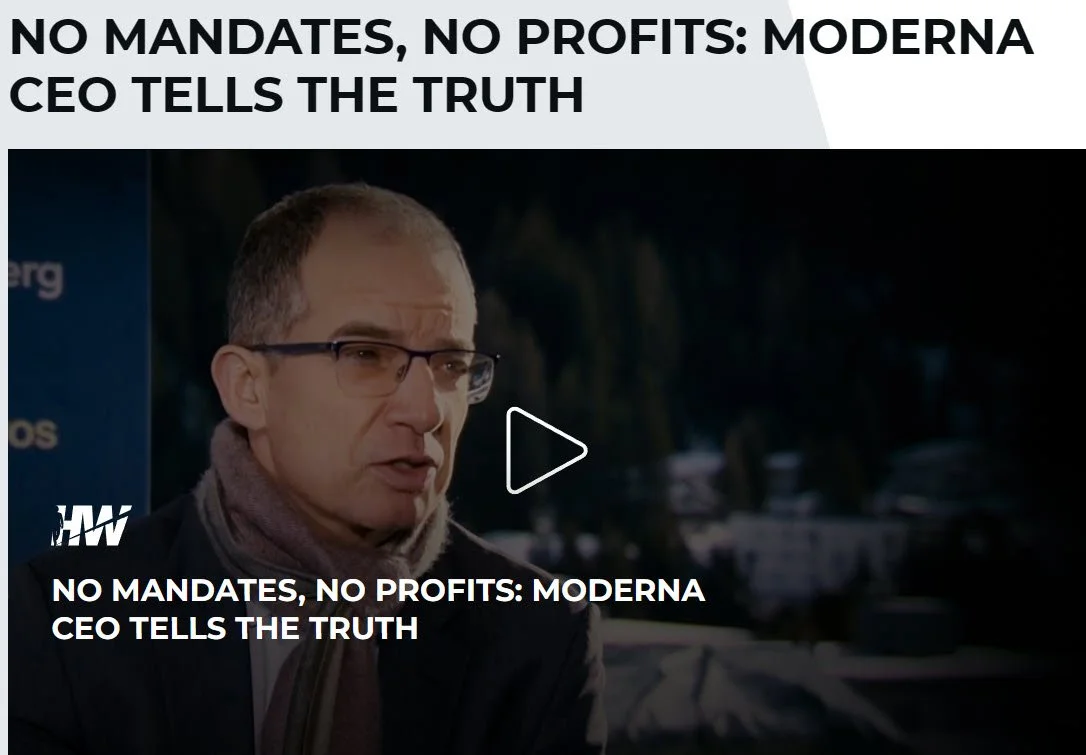
NO MANDATES, NO PROFITS: MODERNA CEO TELLS THE TRUTH - The HighWire
The events of the past few weeks have certainly signaled a paradigm shift in both global and domestic health policy. You’ve hit on several key developments that are currently reshaping the landscape of medical research and public health accountability.
As of early 2026, we are seeing the materialization of policies that were set in motion over a year ago. Here is a breakdown of the current situation:
The U.S. Withdrawal from the WHO
On January 22, 2026, the United States officially completed its withdrawal from the World Health Organization (WHO). This followed the one-year notice period initiated by the executive order signed in early 2025.
The Rationale: The administration cited the WHO's handling of the COVID-19 pandemic and a perceived lack of independence from foreign political influence.
The Impact: The U.S. was the WHO’s largest financial contributor. The exit has left a significant funding gap in global health initiatives, while the U.S. is pivoting toward bilateral health agreements.
Moderna’s Pivot and Bancel’s Admission
In a recent interview at the World Economic Forum in Davos (January 2026), Moderna CEO Stéphane Bancel made waves by stating that the company does not foresee investing in new Phase 3 vaccine trials for the foreseeable future.
His comments highlighted several critical tensions:
Market Viability: Bancel noted that without government mandates and with the narrowing of CDC recommendations, the U.S. market has shrunk significantly.
ROI vs. Public Health: He explicitly stated, "You cannot make a return on investment if you don't have access to the U.S. market," confirming that the financial risk of late-stage trials is currently too high for the company to bear.
Change in Focus: Moderna is reportedly shifting its R&D focus toward oncology and cardiovascular diseases, where the regulatory and market environment is seen as more stable.
RFK Jr. and the HHS "Reckoning"
With Secretary Robert F. Kennedy Jr. at the helm of the Department of Health and Human Services (HHS) since February 2025, the "Make America Healthy Again" (MAHA) initiative has aggressively challenged the status quo.
Policy Shifts: The CDC has already moved to narrow recommendations for certain immunizations and has begun a comprehensive review of the childhood vaccine schedule.
Transparency and Safety: There is an ongoing focus on investigating the "revolving door" between regulatory agencies and pharmaceutical companies, alongside calls for more rigorous long-term safety data.
The admission that vaccine development is so tightly tethered to mandates and guaranteed market share has indeed fueled the "reckoning" you mentioned. It raises profound questions about how a society should incentivize the development of essential medicines when profit motives and public health directives diverge.