
Messaging Is All About Comparisons
Segment #768
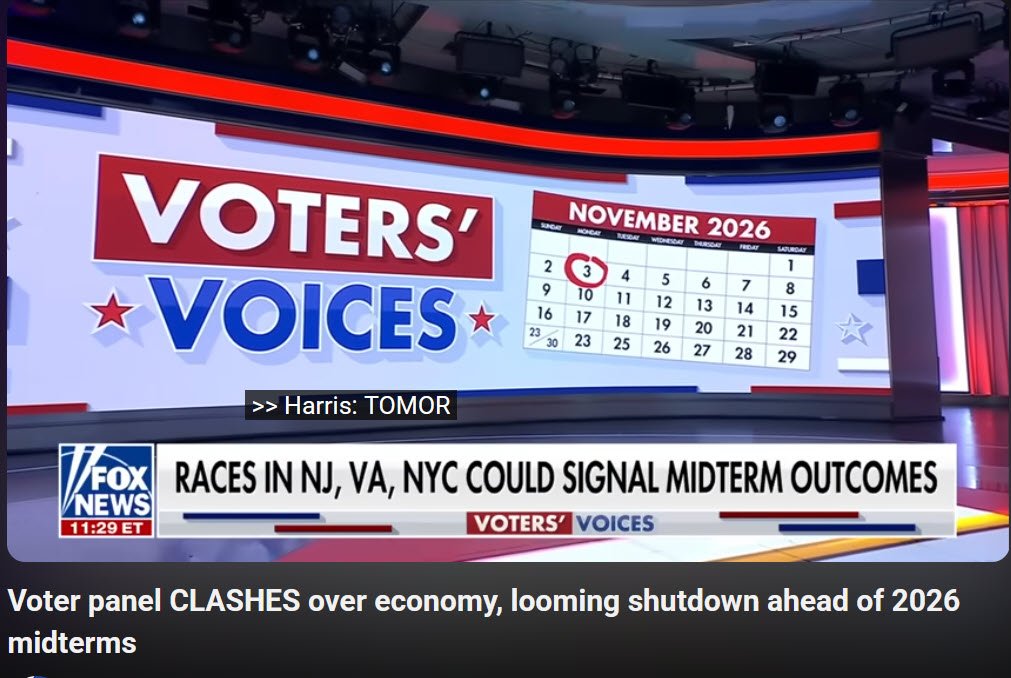
If the Republicans don’t get their act together on messaging the contrasts listed below, they could be in trouble for the midterms later this year. On paper the comparison between the right and left accomplishments look absurdly obvious …before you you consider how uninformed the American voter is.
White Paper
A Comparative Analysis of Executive Performance
Subject: A Comprehensive Review of the Biden Administration (2021–2025) and the First Year of the Second Trump Administration (2025–2026)
Executive Summary
This paper evaluates the comparative outcomes of the four-year presidency of Joe Biden against the initial twelve-month "reclamation" period of Donald Trump’s second term. Drawing from conservative analysts at institutions such as The Heritage Foundation, National Review, and The Wall Street Journal Editorial Board, the data reveals two diametrically opposed governing philosophies.
While the Biden era was characterized by historic inflation, an unprecedented border crisis, and an expansion of the administrative state, Trump’s first year (2025–2026) has focused on aggressive "internal reform," mass deportation strategies, and the dismantling of the "Diversity, Equity, and Inclusion" (DEI) bureaucracy.
I. Economic Policy: "Bidenomics" vs. The Restoration
The Biden Record (4 Years)
Conservative economists argue that Biden’s four-year term was defined by a "spending spree" that fueled a 40-year inflation high.
Inflation Impact: According to the House Budget Committee, prices rose 15.5% under Biden, costing the average American family roughly $13,000 more per year just to maintain their standard of living.
The Debt Burden: By January 2025, the national debt had reached $36 trillion, with annual interest payments exceeding $1.1 trillion—effectively crowding out private investment.
The "Job Gain" Myth: Heritage Foundation analysts contend that 72% of the jobs credited to Biden were merely "recovery jobs" returning after the government-mandated pandemic lockdowns, rather than organic growth.
The Trump Year One (2025)
Growth Surge: Following the passage of the "One Big Beautiful Bill Act" (OBBBA), the administration reported GDP growth of 4.4% in Q3 2025, with projections for Q4 exceeding 5%.
Disinflationary Action: Trump’s focus on deregulation and energy independence saw core inflation drop to 1.4% by early 2026, a sharp reversal from the stagflation of the previous four years.
Tariff-Driven Revenue: The administration utilized aggressive tariffs to bolster domestic manufacturing, a move the Wall Street Journal notes as a departure from traditional free-trade conservatism but effective in "bringing America back" to a production-first economy.
II. Immigration and National Security
The Biden Record (4 Years)
Conservative sources highlight the Biden administration’s "open border" policies as its most significant failure.
Mass Parole: The use of executive parole power led to millions of encounters at the southern border, which National Review described as an intentional "obfuscation" of the rule of law.
Security Gaps: Heritage reports emphasized the spike in "gotaways" and the strain on municipal resources in "sanctuary cities" across the country.
The Trump Year One (2025)
Negative Net Migration: For the first time in a generation, the U.S. achieved negative net migration in 2025.
Removals: The administration reported over 2.6 million removals through a combination of deportations and "voluntary self-departures," more than the total count of the prior four years.
Criminal Enforcement: ICE reported the arrest and detention of over 650,000 individuals with criminal records, focusing on gang members and repeat offenders.
III. Regulatory Reform and Social Policy
The Biden Record (4 Years)
Regulatory "Social Engineering": Heritage fellow Diane Katz critiqued Biden’s "Modernizing Regulatory Review" for loosening cost-benefit standards to favor "woke" social goals.
DEI Bureaucracy: The federal government saw a massive expansion of DEI initiatives and gender-identity mandates across the Department of Defense and civil service.
The Trump Year One (2025)
Dismantling DEI: Within his first 100 days, Trump rescinded all federal DEI requirements and reinstated the ban on transgender individuals in the military, citing a return to "biological realities."
AI Preemption: Trump signed an executive order establishing a national AI policy framework, preempting conflicting state laws to ensure the U.S. remains the global leader in innovation without "over-regulation."
WHO Withdrawal: In a move to protect U.S. sovereignty, the administration officially withdrew from the World Health Organization, citing its failure during the pandemic and its "pro-China" bias.
IV. Conclusion
From a conservative perspective, the four years of the Biden administration represent a period of managed decline—marked by fiscal irresponsibility and a weakening of national borders. In contrast, Trump’s first year of his second term has been viewed as a high-velocity "course correction." By prioritizing deregulation, border enforcement, and "affordability," the current administration has sought to undo the structural changes of the 2021–2025 period in a fraction of the time.
Key Takeaway: The Biden years were defined by expansion (of debt, government, and the border), while the Trump Year One has been defined by extraction (of illegal residents, regulations, and radical ideologies).
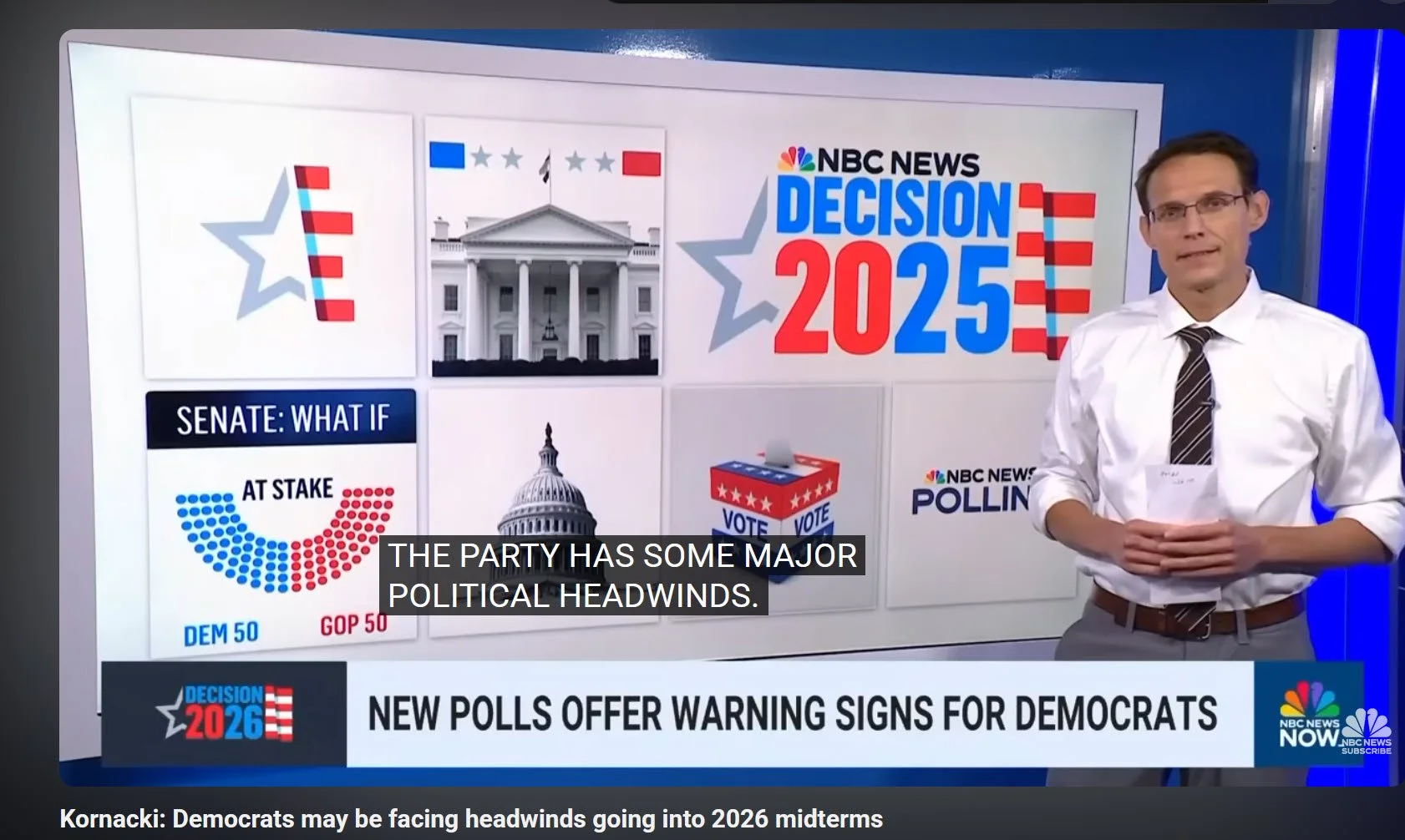
As of early 2026, polling data from Gallup, Pew Research, and KFF reveals a striking convergence of priorities among Americans. While partisanship remains high, certain "pocketbook" and systemic issues have bridged the gap, becoming the dominant concerns for voters of all affiliations.
1. The "Affordability" Crisis (Universal Top Priority)
By far, the most significant issue uniting voters is the cost of living. According to a January 2026 KFF poll, roughly 82% of all adults report that their cost of living has increased over the past year.
Cross-Party Consensus: A majority of Democrats (56%), Independents (53%), and Republicans (41%) all describe their living expenses as having increased "a lot."
Economic Anxiety: Despite macro-economic reports of GDP growth, voters across the spectrum are focused on "micro-economics"—the daily price of groceries, rent, and utilities.
2. Health Care Affordability
Health care has emerged as the specific economic worry that transcends party lines. Unlike previous years where the focus was on the structure of the ACA (Obamacare), the focus in 2026 is purely on cost.
Top Economic Worry: KFF data shows that "affording health care" is the #1 economic concern for Democrats, Republicans, and Independents alike, outranking even the cost of food or housing.
The "MAGA" Factor: Interestingly, even among staunch Trump supporters, health care costs rank as a primary worry, highlighting a rare moment of alignment between the populist right and the progressive left.
3. Political Dysfunction and Systemic Reform
A growing number of Americans—now 45% of whom identify as Independents—are expressing deep frustration with the "broken" political system.
Primary Reform: A recent RealClear Opinion Research poll found that 59% of voters believe the current party primary system is a major driver of national division.
Shared Solution: There is broad cross-party support for open primaries (79% of Democrats, 70% of Independents, and 65% of Republicans). This suggests that "government effectiveness" and "fixing the system" are now non-partisan priorities.
4. Immigration: The "Shared Tension"
While the solution to immigration is highly partisan, the importance of the issue is universal. Gallup’s 2025–2026 tracking consistently ranks "Immigration" as the top non-economic problem facing the country.
Republican Intensity: It remains the #1 issue for GOP voters.
Democratic Shift: Concern among Democrats has risen due to the strain on municipal resources in "sanctuary cities," moving it from a niche concern to a top-tier national priority.

Summary of the "Consensus Voter"
If you were to look at a voter who represents the middle ground of the American electorate today, their platform would likely look like this:
Lower the cost of basic goods and energy.
Reduce out-of-pocket health care and prescription drug costs.
Reform the primary system to reduce political polarization.
Secure the border (though the method of doing so remains debated).
Would you like me to look into the specific regional polling for the 2026 midterm battleground states to see if these priorities shift locally?