Lying on Affordability
Segment #819
Tax Increase for Los Angeles, Chicago, and New York City
It is worth noting that while local governments are raising taxes to cover local deficits, there have been federal-level shifts as well. The federal tax landscape in 2026 has been marked by the "One Big Beautiful Bill," which extended several key provisions from 2017 to prevent automatic tax hikes that were scheduled to occur this year. This has created a bifurcated reality for many taxpayers: they may see a reduction in their federal tax liability, while simultaneously facing increased costs or taxes at the municipal level.
Translated that means Trump kept his word about lowering federal taxes while Dems lied about raising local taxes.
It’s understandable to feel frustrated when fiscal realities—like local tax hikes—clash with political messaging. In major cities, the tension between balancing budgets, funding services, and maintaining a competitive tax environment often creates a significant gap between campaign promises and municipal policy.
Here is a breakdown of how the tax situations in Los Angeles, New York City, and Chicago are unfolding as of March 2026.
New York City
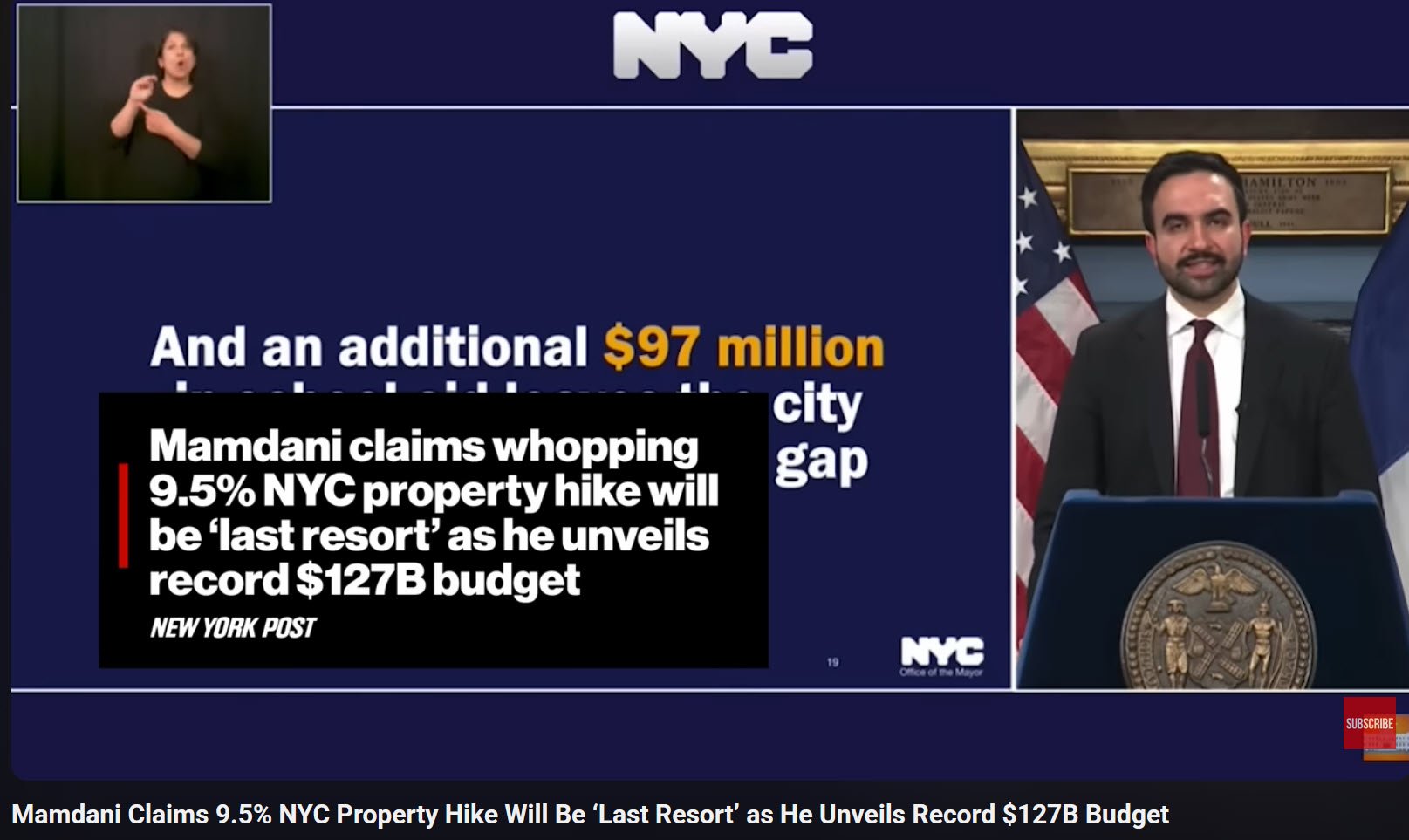
Mayor Zohran Mamdani has declared that property taxes will require a 9.5% hike across NYC to make up for Gov. Kathy Hochul's refusal to hike taxes on NY's wealthy. He will also drain the city's rainy day fund by $1 billion. He repeatedly stressed Tuesday that this hike will be a "last resort" that will only materialize in the event Hochul doesn't follow through on tax hikes. Read more at https://nypost.com/2026/02/17/us-news...
New York this is just the beginning.. you are in for a bumpy ride…
The "Tax the Rich" Proposals
Mayor Mamdani’s primary revenue-generation strategy, which he campaigned on and is now pursuing in Albany, involves two main components
Personal Income Tax Hike: A proposal to increase the city income tax rate specifically for residents earning more than $1 million annually. This is estimated to affect only about 1% of city tax filers.
Corporate Tax Increase: A proposal to raise corporate tax rates for large, highly profitable businesses in the city.
9.5% property tax figure is a specific, high-stakes political tool currently being used by Mayor Zohran Mamdani in the ongoing New York City budget negotiations. It is not a law, nor is it a settled policy proposal.
Tax Ideas in the works
In recent weeks, the Mayor’s office has circulated a memo to state lawmakers in Albany containing nearly a dozen potential revenue-raising ideas. These are distinct from his campaign-era "wealth tax" proposals and are more targeted in nature:
Estate Tax Changes: Perhaps the most controversial recent addition is a proposal to drastically change the state’s estate tax. He has suggested lowering the exemption threshold from over $7 million to $750,000 and raising the top estate tax rate from 16% to 50%. Critics have labeled this a "death tax" and warn it could significantly increase the tax burden on estates.
Targeted Corporate & Business Taxes: The Mayor is now pitching a more specific corporate tax increase aimed at companies doing business in NYC, along with an increase in the Unincorporated Business Tax (UBT) for business incomes over $5 million.
Real Estate Fees: He has proposed new taxes on expensive homes, including a 1% surcharge on Class 1 and Class 2 homes with a market value of $5 million or more, and an increase to the "mansion tax" for properties valued above $5 million.
And what about the free buses and state operated grocery stores
Free Buses: While the Mayor continues to advocate for this policy, it remains unfunded and is not currently being implemented as a citywide, universal program. The proposal requires significant buy-in from the Metropolitan Transportation Authority (MTA) and state funding, both of which have been skeptical. There has been some chatter in policy circles about potentially running limited pilots or associating transit initiatives with large events (like this summer's World Cup), but a universal "free bus" program does not appear to be on the immediate horizon for 2026.
City-Run Grocery Stores: This proposal remains a central part of his vision for addressing food deserts, but it is currently viewed more as a long-term goal rather than an immediate project. The plan—which envisioned a pilot of five stores (one in each borough) at a cost of roughly $60 million—faces opposition from those who question the economic sustainability of such a model, especially given the city's need to find major savings elsewhere in the budget.
Chicago
Chicago entered 2026 having already enacted several tax increases to resolve a significant budget shortfall.
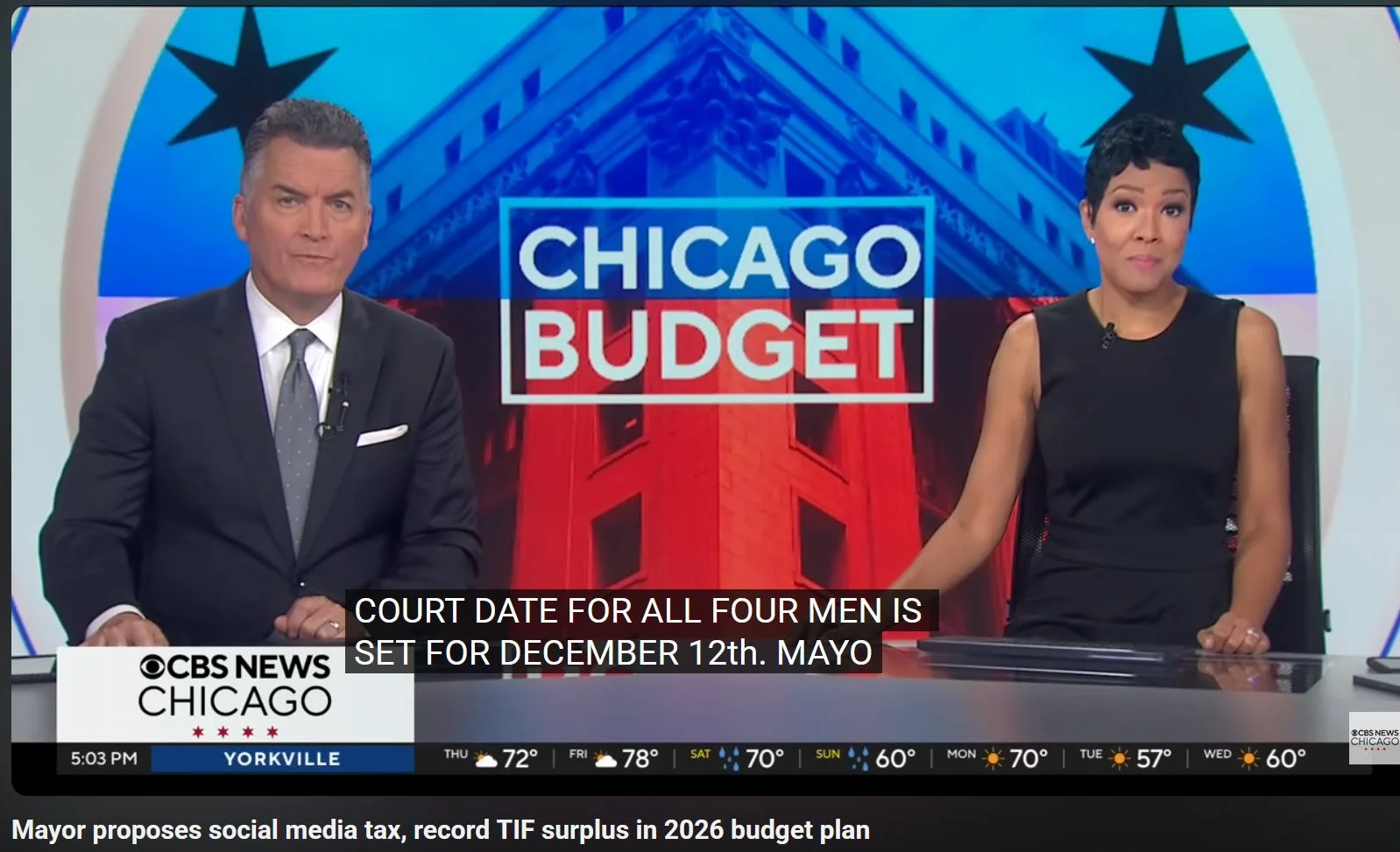
Mayor Brandon Johnson announced a $16.6 billion budget plan for 2026 on Thursday, relying on a number of new or increased taxes on corporations to close a $1.2 billion shortfall while protecting the city from funding cuts by the Trump administration
Chicago's tax landscape for 2026 was largely shaped by the budget package passed by the City Council in late December 2025. Facing a significant budget gap, the city opted to increase several existing taxes and fees rather than implement new "broad-based" taxes like the business "head tax" that had been proposed earlier in the budget process.
Taxes and Fees Implemented in 2026
Effective January 1, 2026, the following tax and fee changes went into effect:
Personal Property Lease Transaction Tax (PPLT): This is one of the most significant changes, with the rate increasing from 11% to 15%. This tax applies to the lease, rental, or use of computer software, including Software-as-a-Service (SaaS) and cloud infrastructure.
Retail Checkout Bag Tax: The fee for checkout bags increased from 10 cents to 15 cents.
Social Media Amusement & Responsibility Tax (SMART): A new tax imposed on social media businesses that collect consumer data on more than 100,000 Chicago residents in a calendar year. The rate is 50 cents per user exceeding that 100,000 threshold, calculated monthly.
Sports Wagering Amusement Tax: A new tax of 10.25% on adjusted gross sports wagering receipts for bets placed within the city, including those made via mobile applications.
Other Adjustments:
Boat Mooring Tax ("Yacht Tax"): Increased to 23.25% of the mooring or docking fee.
Motor Vehicle Lessor Tax: The rate for the privilege of leasing motor vehicles was adjusted to $0.50 per rental period.
Liquor Tax: Beginning March 1, 2026, a 1.5% tax was added to all liquor purchases meant for off-site consumption.
Congestion Zone Surcharge: As of January 6, 2026, an additional $1.50 (for single rides) or $0.60 (for shared rides) is charged for ground transportation service rides that include a pickup or drop-off within the city’s defined "Congestion Zone."
Property Taxes
While the city budget avoided a direct property tax increase, Chicago homeowners are still seeing an impact:
School Board Levy: The Chicago Board of Education voted to increase its property tax levy for fiscal year 2026, which is expected to result in a modest increase in annual tax bills for homeowners (e.g., an estimated $8–$9 increase for a home valued at $250,000).
General Assessment Trends: Separate from city-level policy, many Chicago residents have seen significant increases in their property tax bills due to rising home assessments across the county.
Proposals That Were Rejected
During the 2026 budget negotiations, several high-profile proposals were considered but ultimately rejected by the City Council:
Business "Head Tax": The Mayor’s original proposal for a "Community Safety Surcharge"—a monthly fee of $21–$33 per employee for businesses with over 100–500 employees—was abandoned after facing strong opposition from the City Council.
Los Angeles
Los Angeles is navigating a structural deficit that is fueling a push for new ballot measures.
In Los Angeles, the tax landscape as of March 2026 is defined by a series of high-stakes ballot proposals for the June 2026 election, as the city and county scramble to address structural budget deficits and funding shortfalls.
Proposals Headed to the June 2026 Ballot
Several significant tax increases have been advanced for voter consideration on June 3, 2026. These are not yet in effect and will only be implemented if they are approved by voters.
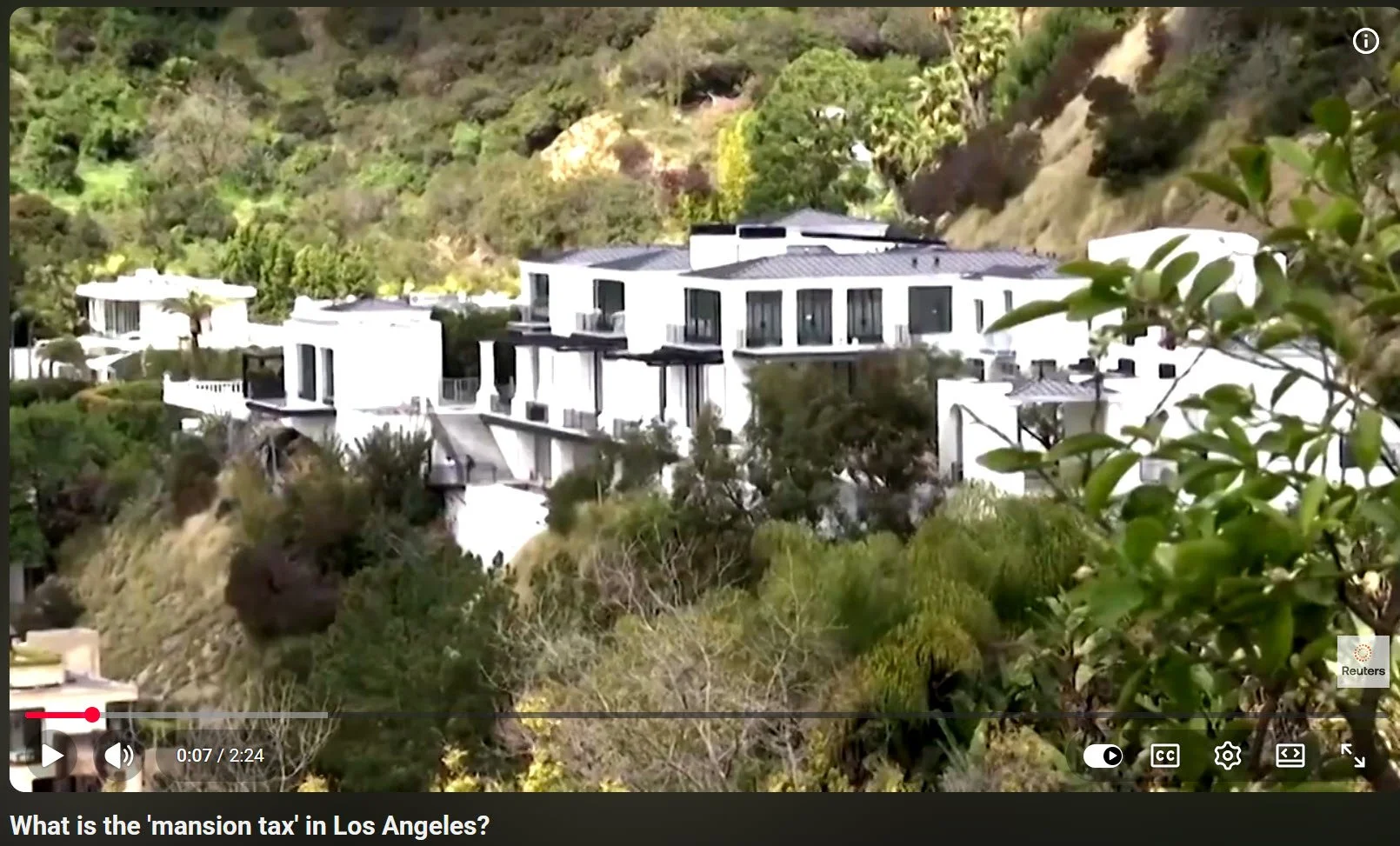
Los Angeles' super rich have been pulling out all the stops to offload their multimillion-dollar properties to avoid a new tax that comes into effect on April 1. Here's what you need to know about the city's ‘mansion tax.’
California's exodus has been well documented. In the past two years, more than 500,000 people have left the state for places with less crime, cheaper housing and different opportunities. After generations of growth, the state's population peaked at 40 million in 2019 but has been dropping ever since. A new study from the Public Policy Institute of California shows that the wealthy are fleeing the golden state, taking their tax contributions with them. The group says the trend could drastically reshape the makeup of the state as the top 1% of earners contribute 50 percent of the state's tax revenue with the top 10 percent of earners contributing 80% of taxes collected in the state.
Countywide Sales Tax Increase: The Los Angeles County Board of Supervisors has placed a measure on the ballot to increase the sales tax by a half-cent. If passed, this would raise the total sales tax rate in L.A. County to 10.25%. This temporary tax (lasting five years) is intended to fund the county’s health care system in response to recent federal funding cuts.
City Hotel Tax Hike: The Los Angeles City Council has moved to place a measure before voters to increase the Transient Occupancy Tax (hotel tax) from the current 14% to 16%. This proposal also aims to codify the taxation of online travel companies' service markups.
City Parking Tax Hike: The City Council has advanced a proposal to increase the parking occupancy tax from 10% to 15%. This tax applies to most paid parking facilities (excluding residential and public meters) and is being positioned both as a revenue generator and an incentive to reduce private car usage in favor of public transit.
Cannabis "Parity" Tax: The city has proposed a measure to ensure unlicensed cannabis businesses face the same tax liabilities as licensed operators. This is framed as a regulatory enforcement tool to close a loophole, projected to raise tens of millions of dollars initially.
Brace yourself, Californians — major tax hikes are coming! In this video, we reveal the 10 California cities where taxes will skyrocket in 2026, and the numbers will leave you speechless. From Los Angeles to San Francisco, rising property taxes, income taxes, and the rumored wealth tax expansion could hit residents harder than ever before. Whether you own a home, run a small business, or are planning to retire, these California tax changes could dramatically impact your financial future. We’ll break down the California tax increases city by city, showing you which areas are facing the steepest cost of living spikes and why thousands are already preparing to move out of California. You’ll also discover how these upcoming 2026 tax policies could reshape housing markets, job opportunities, and even long-term retirement planning.
Context and Rejections
Rejection of Sales Tax Proposal: Notably, the Los Angeles City Council’s Budget and Finance Committee explicitly rejected a separate proposal for a city-specific half-cent sales tax increase, fearing it would be too much for voters to handle given the simultaneous countywide sales tax measure and other statewide initiatives.
Statewide Wealth Tax: Los Angeles residents will also be weighing in on a high-profile, and highly controversial, statewide ballot initiative that proposes a one-time 5% tax on the net worth of individuals with over $1 billion in assets. This proposal has created significant debate among California lawmakers, with some arguing it is necessary to fill budget gaps and others warning it will drive high-net-worth individuals out of the state.
Summary of Status
0.5% Sales TaxL.A. CountyOn June 2026 ballot
Hotel Tax (14% to 16%)City of L.A.On June 2026 ballot
Parking Tax (10% to 15%)City of L.A.On June 2026 ballot
Cannabis "Parity" TaxCity of L.A.On June 2026 ballot
5% Wealth TaxStatewideOn November 2026 ballot
Important Note: Because these measures are currently ballot proposals, none of them are law. They are being presented as solutions to bridge budget deficits, but they face active opposition from various industry groups (such as real estate, hospitality, and parking operators) and some fiscal conservatives who argue that the cumulative effect of these taxes will make Los Angeles less economically competitive.
Would you like me to find the specific ballot language or arguments currently being prepared for the "Yes" and "No" campaigns on any of these measures?