
Leadership is More Than Money
Segment #735
I will admit to being a Dallas Cowboy fan over the past five decades. And it has been feast or famine over that time period. So what’s the big deal? I hate a lack of accountability and what appears to some as a lack of authenticity. At he beginning of the season as the Cowboys strutted around (even after losing Parsons) I called then a .500 teams which is pretty much what they are. Our top players were all more interested in their deals before what the team could do as a group. That failed miserably because it turned out that a footballteam is a lot more than their top guys. So Prescott, Lamb, Parsons, Diggs failed and embarrassed themselves and their supporters.
Tom Brady is an example of leadership and the ability to take his teams to ten super bowls winning seven of them. I would hope that some of the prima donas would learn some humility in the off season, but I doubt seriously if that could happen.
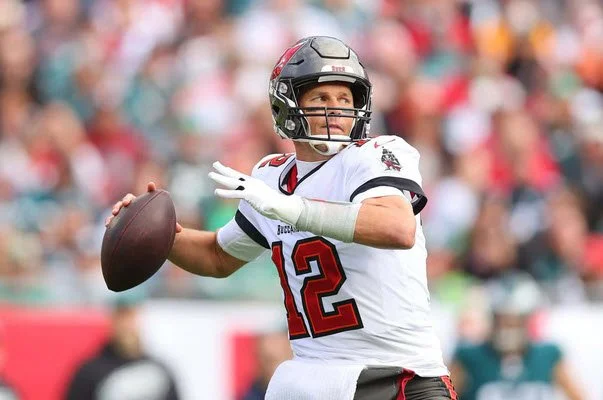
Tom Brady is the classic example—he repeatedly signed team-friendly contracts (estimated to have left $60-100 million on the table over his Patriots career) to give New England more salary cap flexibility, helping build rosters that won six Super Bowls.Plenty of other athletes have done the same, prioritizing winning and team success over maximizing every dollar. This kind of sacrifice often reflects true leadership, putting collective goals ahead of personal gain. Here are some notable examples, mostly from basketball where salary caps make these moves more impactful:
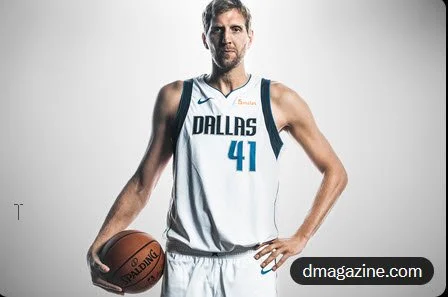
Dirk Nowitzki (Dallas Mavericks)
He took massive pay cuts multiple times, including a 2014 deal for $25 million over three years when he could have earned far more elsewhere (reports of $92 million offers from teams like the Rockets and Lakers). Over his career, estimates suggest he left nearly $200 million on the table. This helped Dallas build around him, culminating in the 2011 championship.
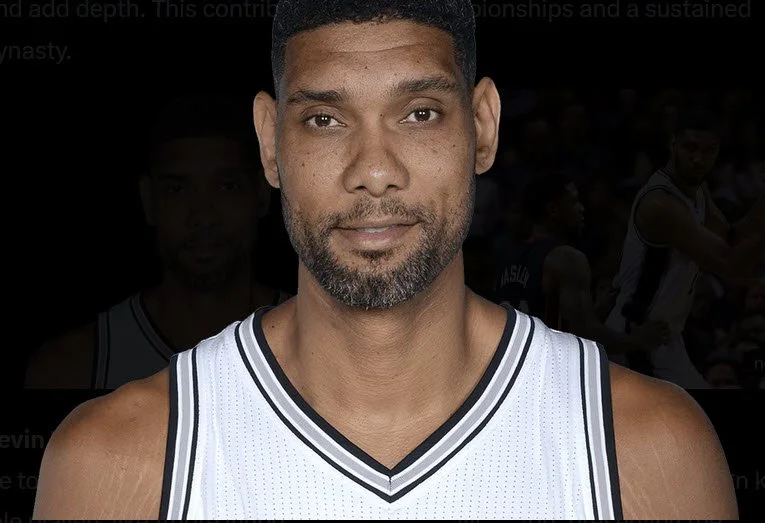
Tim Duncan (San Antonio Spurs)
Along with Manu Ginobili and Tony Parker, he repeatedly accepted below-market deals (e.g., a $10+ million cut in 2012) to keep the Spurs' core intact and add depth. This contributed to five championships and a sustained dynasty.
Kevin Durant (Golden State Warriors)
He took significant pay cuts (around $10 million in 2017) to help re-sign key role players like Andre Iguodala and Shaun Livingston, preserving the superteam that won back-to-back titles (and Finals MVPs for him).
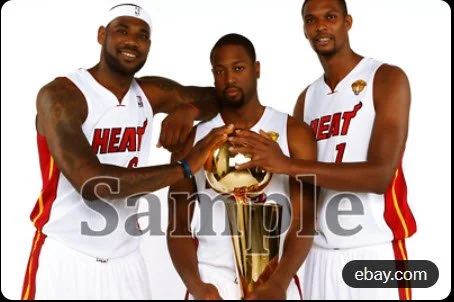
The Miami Heat Big Three (LeBron James, Dwyane Wade, Chris Bosh)
In 2010, all three took less than max deals to team up in Miami, enabling the Heat to add supporting pieces. This led to four straight Finals appearances and two championships.
Other mentions include Shaquille O'Neal (took a $10 million cut with the Heat for their 2006 title) and veterans like Udonis Haslem (multiple discounts to stay in Miami). These moves show that great leaders in sports (and beyond) often value legacy, teamwork, and winning more than maxing out the paycheck. It's a powerful reminder that success is rarely solo.