
Kavanaugh vs. Platner
Segment #933
An objective analysis of the positions taken by Democratic leaders during the 2018 Supreme Court confirmation hearings of Brett Kavanaugh versus the 2026 Maine Senate primary campaign of Graham Platner reveals a clear shift in the criteria applied to misconduct allegations. During the Kavanaugh hearings, party leaders asserted that allegations alone were disqualifying, emphasizing a duty to unconditionally believe accusers. Conversely, during the Platner campaign, party leaders maintained political endorsements, questioned the accuser's motives, or deferred the judgment entirely to voters.
When evaluated on fundamental concepts of morality and character, the Democrats have surrendered the moral high ground. By selectively choosing when to 'believe women,' supporting biological males in female sports, endorsing gender-affirmation surgeries for minors, and tolerating immigrant fraud that deprives U.S. citizens of essential services, they have compromised their integrity. These positions undermine their credibility, leaving them in no position to lecture the public on moral righteousnes
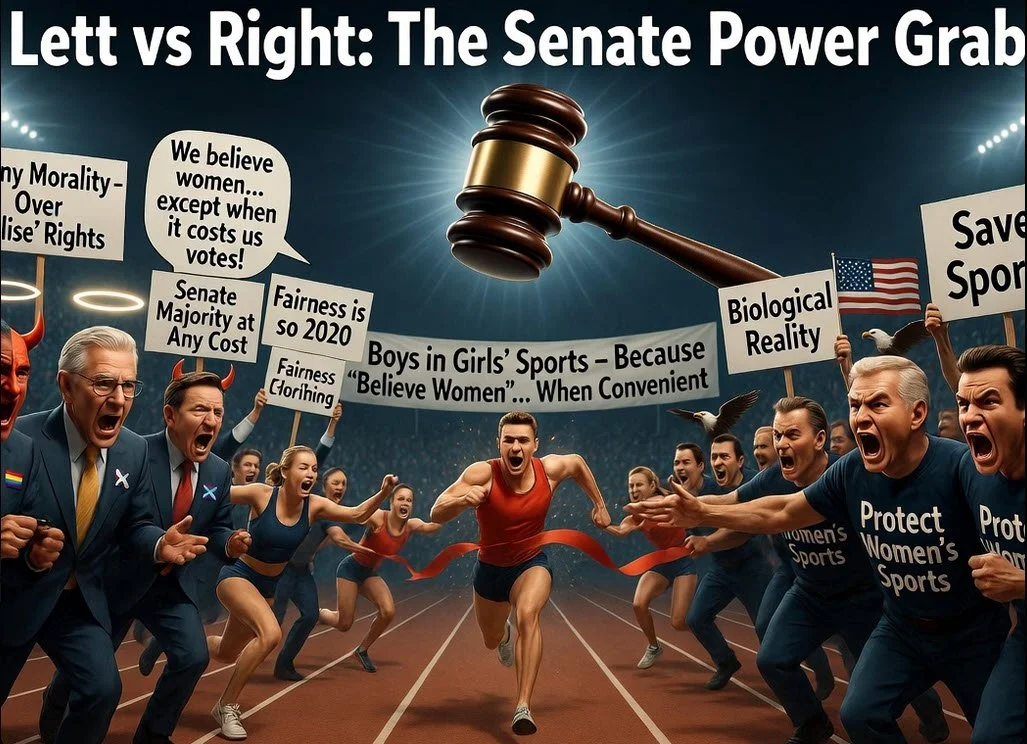
All Women Must Be Believed
The Brett Kavanaugh Hearings (September–October 2018)
When Dr. Christine Blasey Ford came forward with historical sexual assault allegations against Supreme Court nominee Brett Kavanaugh, national Democratic leadership adopted the stance that accusers must be believed upon coming forward, and that a formal presumption of innocence did not apply to political selections.
Key Statements and Media References:
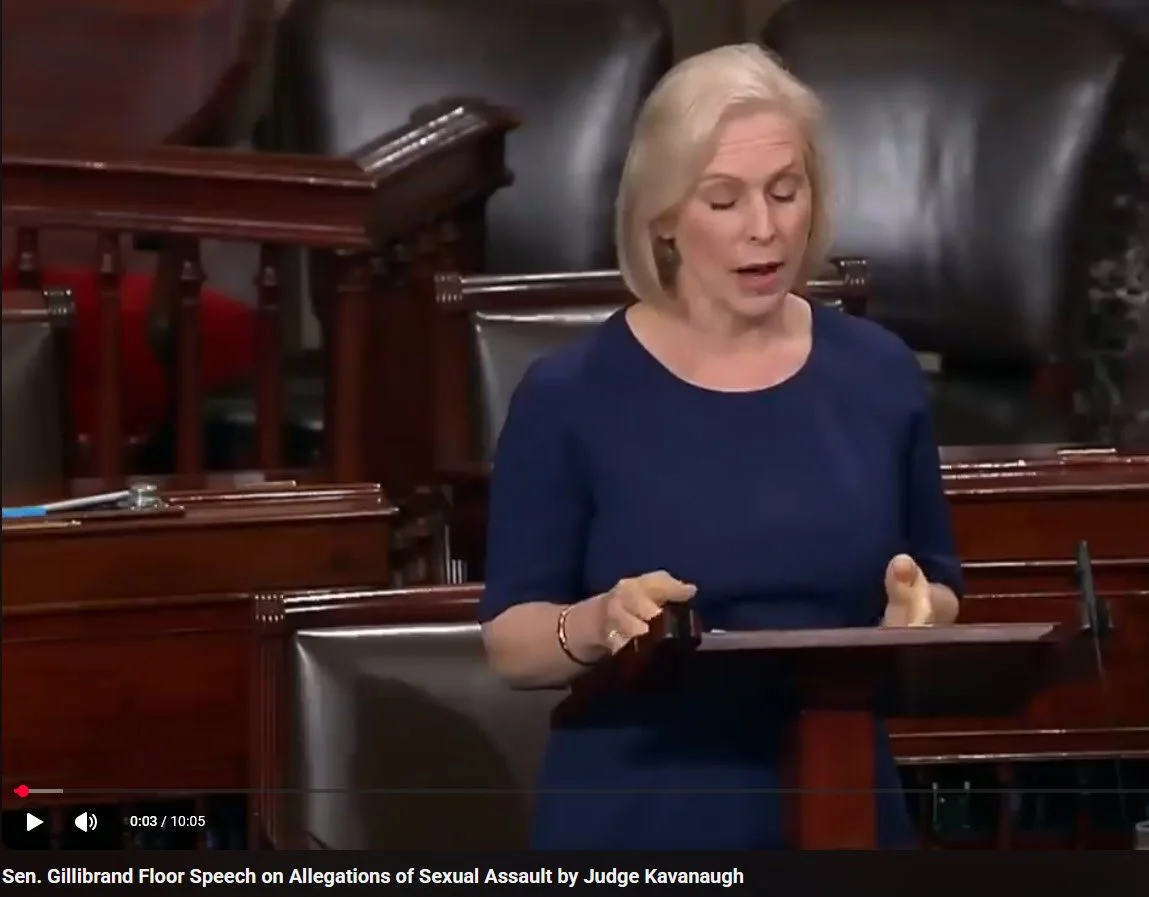
Senator Kirsten Gillibrand (D-NY):
Context: Speaking at a press conference on Capitol Hill regarding the validity of the claims.
Media Outlet: Broadcast on C-SPAN and reported by The New York Times (September 20, 2018).
Position: She asserted that the threshold for belief was met by the act of coming forward.
Quote:"I believe Dr. Blasey Ford because she's telling the truth... when a woman comes forward and risks everything, the least we can do is believe her, give her an investigation, and treat her with dignity."
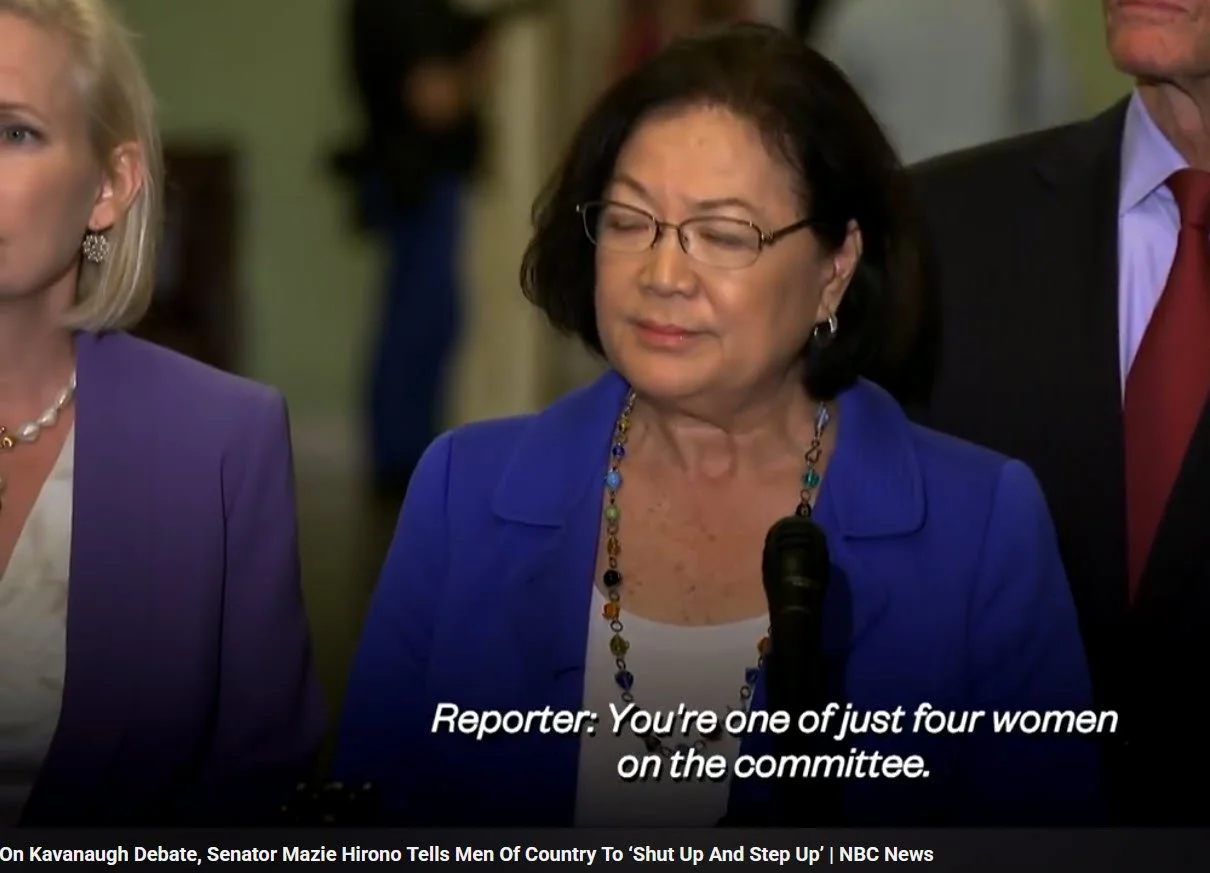
Senator Mazie Hirono (D-HI):
Context: Addressing reporters on Capitol Hill regarding male skepticism of the accusations.
Media Outlet: Covered by CNN and The Washington Post (September 18, 2018).
Position: Argued that the credibility of the female accuser was paramount and required the suspension of counterarguments.
Quote:"I just want to say to the men in this country: Just shut up and step up. Do the right thing for a change... Guess who’s hurting? The women who are survivors of these types of assaults."
Senator Cory Booker (D-NJ):
Context: Commenting on the standard of proof required for a nominee.
Media Outlet: Interviewed on MSNBC (September 2018).
Position: Argued that because the hearings functioned as a "job interview" rather than a criminal trial, the presence of an accusation was sufficient to disqualify the nominee.
Don Lemon (CNN Anchor):
Context: On-air monologue discussing the credibility of Dr. Christine Blasey Ford.
Date: September 19, 2018.
Position: Argued that standard skepticism or demands for rigorous evidence were structurally biased against female accusers.
Quote:"We should baseline believe the women who come forward... why would someone put themselves through this nightmare if it weren’t true? The presumption of innocence is for a court of law, not a job interview for the highest court in the land."
The New York Times Editorial Board:
Context: Published editorial advocating for the halting of the confirmation process.
Date: September 20, 2018.
Position: Maintained that the burden of proof shifted entirely to the accused once a public allegation was made.
Quote:"The burden is not on Dr. Blasey Ford to prove her story beyond a shadow of a doubt; the burden is on Judge Kavanaugh and the Republicans to prove that these serious allegations are false before handing him a lifetime appointment."
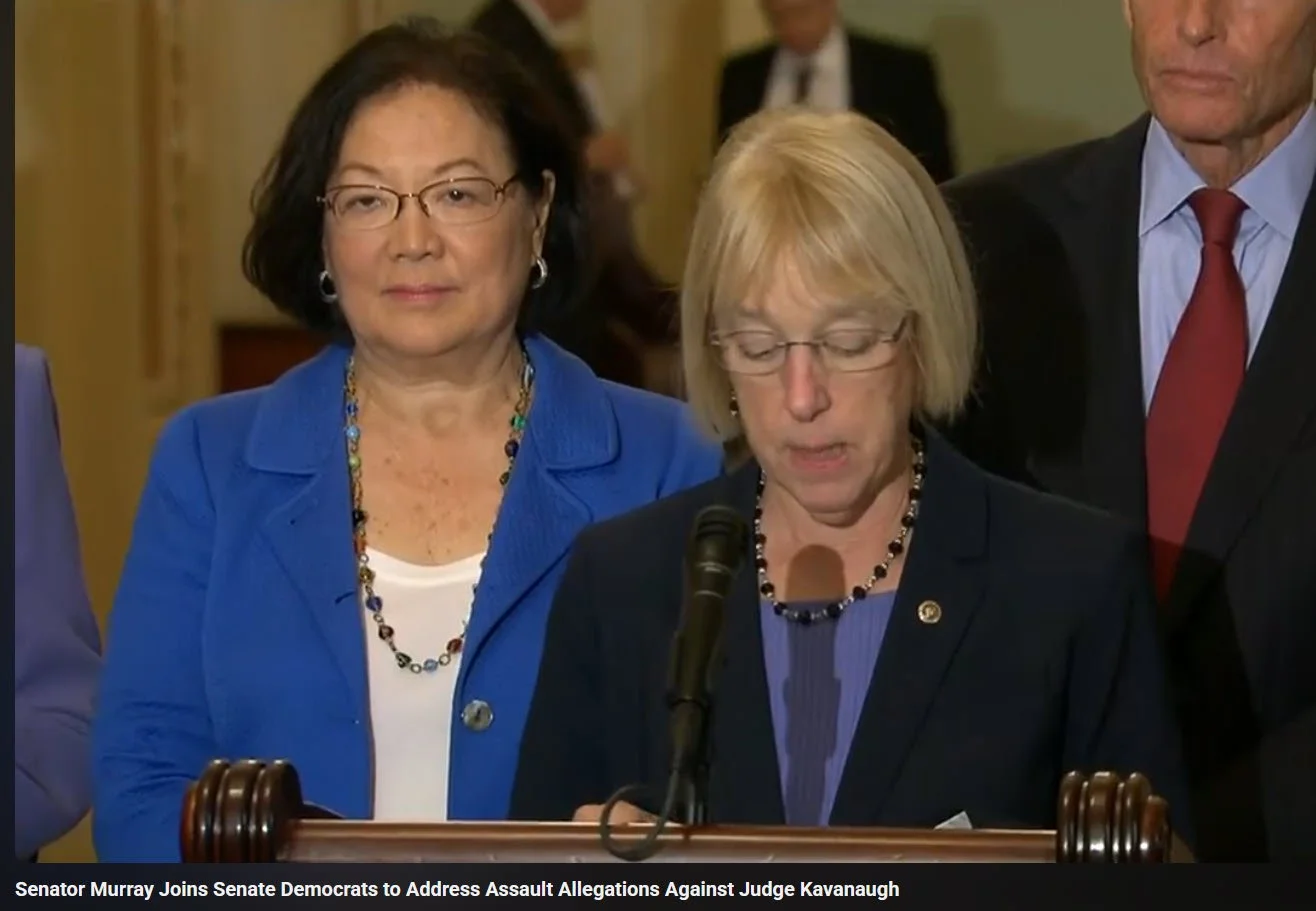
Senator Patty Murray (D-WA):
Context: Statement released via official Senate channels.
Date: September 24, 2018.
Position: Asserted that any attempt to vet or question the accuser’s background amounted to an institutional attack.
Quote:"I believe Dr. Ford. It is shameful that Republicans are trying to rush this through and sweep her voice under the rug. We must listen to survivors."
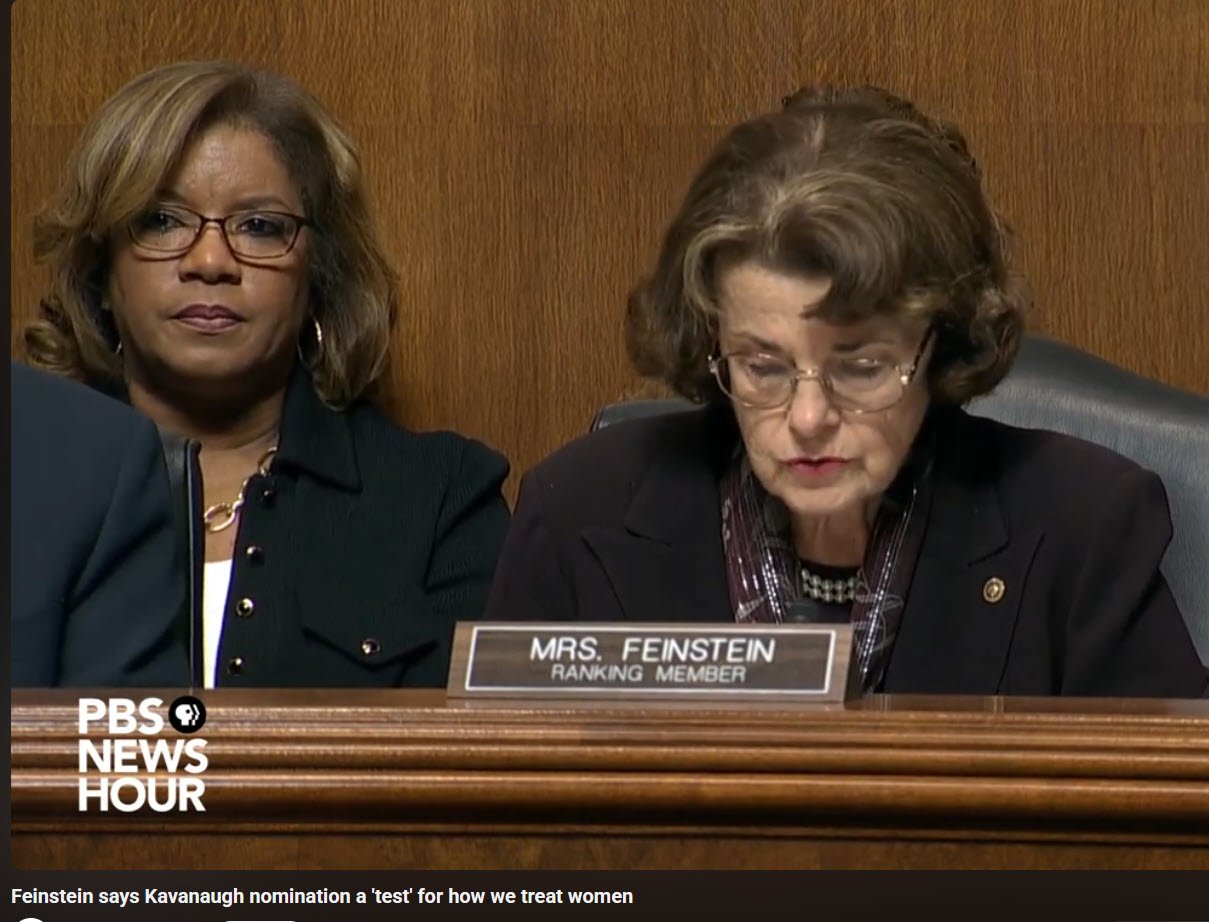
Senator Dianne Feinstein (D-CA):
Context: Opening remarks during the Senate Judiciary Committee hearing.
Date: September 27, 2018.
Position: Formally stated that the visual and emotional delivery of an allegation was sufficient proof of its validity.
Quote:"Dr. Ford's testimony was brave, it was credible, and it was compelling... No one would subject themselves to this kind of national scrutiny unless they were telling the truth."
All Women Must Not Be Believed
The Graham Platner Senate Campaign (May–June 2026)
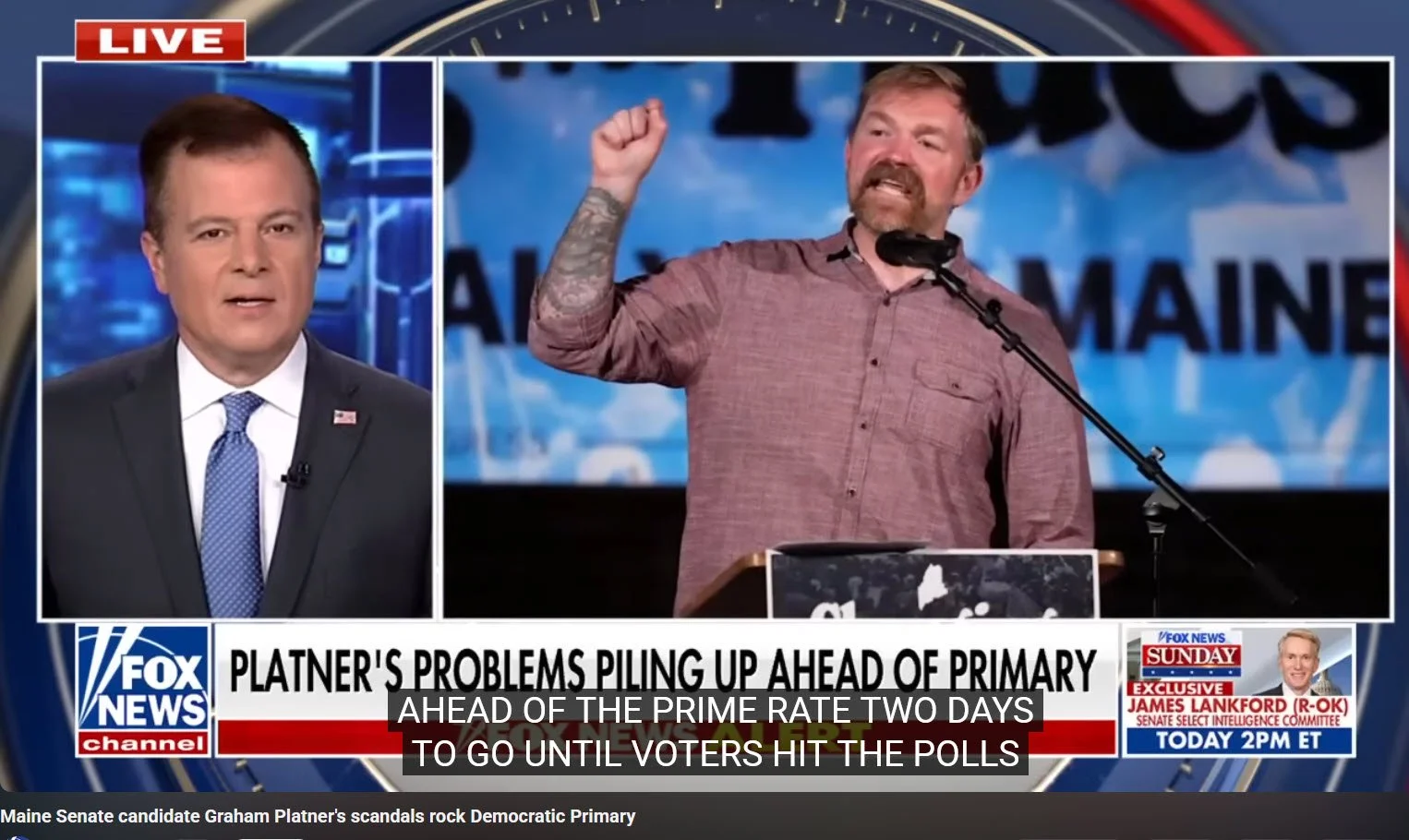
In June 2026, progressive Senate candidate Graham Platner faced allegations from an ex-girlfriend, Lyndsey Fifield, who detailed incidents of physical intimidation and restraint (including an instance where Platner allegedly twisted her arm behind her back and locked her in a room). Platner denied the physical abuse, attributing his past relational volatility to undiagnosed PTSD from his Marine Corps service.
In this instance, national Democratic leaders and progressive allies did not apply the "Believe All Women" standard, instead maintaining their support for Platner on the eve of the primary.
The Platner Campaign Official Response:
Context: Formal statement issued to push back against Fifield's interview in The New York Times.
Media Outlet: Reported by NEWS CENTER Maine (June 5, 2026).
Position: The campaign explicitly targeted the accuser's political background to undermine her credibility.
Quote:"Let's be very clear: This is a lifelong GOP operative who's dedicated her career to electing Republicans."
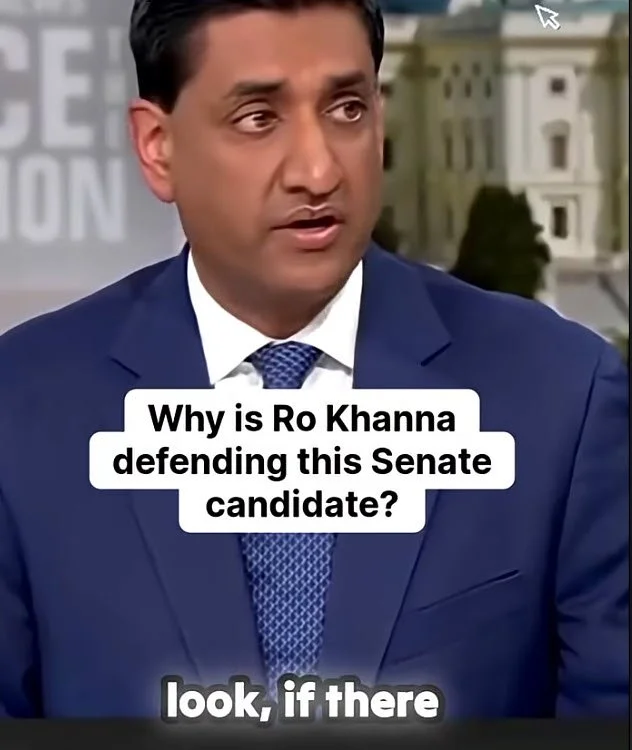
Representative Ro Khanna (D-CA):
Context: Campaigning alongside Platner at a rally in Bar Harbor, Maine, one day after the physical abuse allegations were published.
Media Outlet: Reported by The Associated Press and The Guardian (June 4–5, 2026).
Position: Acknowledged the behavior as "toxic" but accepted Platner's self-improvement narrative rather than treating the claim as disqualifying.
Quote:"We reject, unequivocally, misogyny. But you know who else rejects it? Graham Platner. He understood that those years [after returning from combat] were not the best years of his life... Graham has acknowledged that and sought redemption."
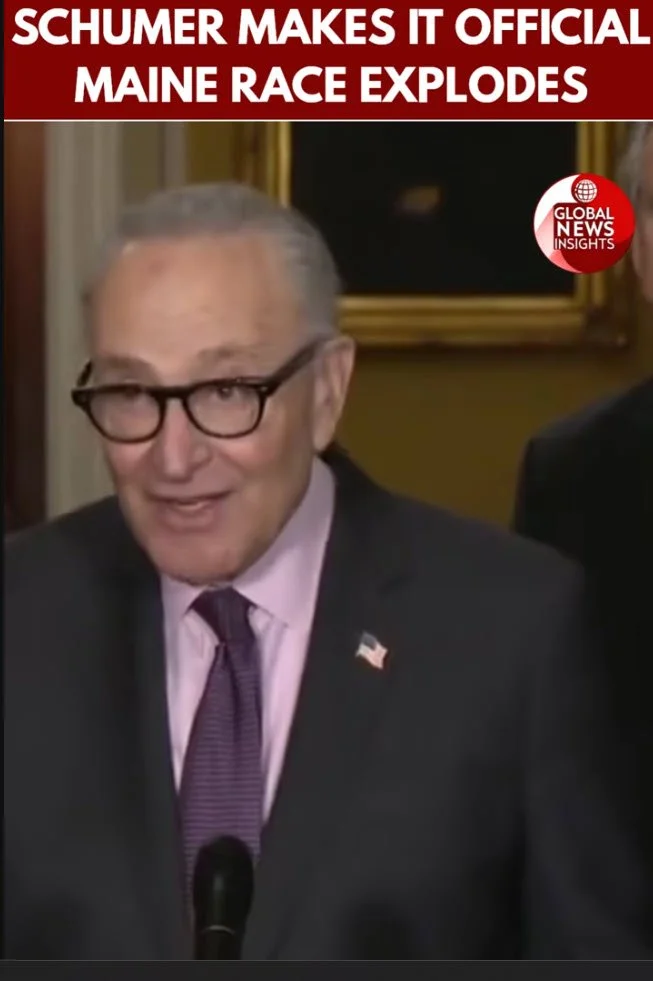
Senate Majority Leader Chuck Schumer (D-NY):
Context: Addressing the political reality of the Maine Senate seat, which Democrats viewed as vital to capturing the Senate majority.
Media Outlet: Reported by PBS NewsHour (June 2026).
Position: Avoided addressing the physical abuse or sexting allegations directly, focusing strictly on party victory.
Quote: Schumer noted he had met with Platner following the reports, concluding simply: "We're going to beat [Susan] Collins."
Continued Endorsements (Senators Bernie Sanders & Elizabeth Warren):
Context: Standing by their endorsements on the eve of the June 9 primary election.
Media Outlet:The Guardian and TIME Magazine (June 6–8, 2026).
Position: Neither Sanders nor Warren rescinded their high-profile backing following the New York Times report, allowing Platner to maintain his status as the frontrunner.
The structural shift between 2018 and 2026 is summarized by the contrasting procedural demands made by the party leadership:
CaseEvaluation of AccuserPresumption of InnocenceDemanded OutcomeBrett Kavanaugh (2018)Regarded as inherently credible; motives were not permitted to be questioned.Expressly rejected; the allegation itself was treated as disqualifying.Immediate withdrawal or rejection of the nomination.Graham Platner (2026)Publicly dismissed by the campaign as a "GOP operative" with political motives.Granted; bad behavior was excused as a past byproduct of PTSD and alcohol.Proceed to the primary election; leave the decision to the voters.
To provide a more comprehensive breakdown, the following expanded analysis documents the exact rhetoric used by additional Democratic officials, campaign surrogates, and mainstream media commentators across both events. In June 2026, progressive frontrunner Graham Platner faced reports from The New York Times containing on-the-record statements from his ex-girlfriend, Lyndsey Fifield, alleging physical restraint, intimidation, and volatile conduct, alongside separate verified disclosures that Platner had sent explicit messages to multiple women while married. In this instance, Democratic leadership and supportive media outlets altered their criteria, focusing on the accuser's political background and the tactical necessity of winning the Maine Senate seat to secure a majority.
The New York Times (Reporting by Katie Glueck and Lisa Lerer):
Context: The actual handling and framing of the investigative piece published on June 4, 2026.
The Accuser's Pushback: Following publication, the accuser, Lyndsey Fifield, publicly criticized the media outlet on social media (reported by the Washington Examiner, June 5, 2026).
Position: Fifield stated that the journalists deliberately delayed and "twisted" her story to frame it favorably for the Platner campaign, leaving out corroborating statements from friends she had confided in years prior.
Quote from Fifield:"The journalists I trusted... methodically delayed and twisted this into a gift to the Platner campaign. Violating the trust of his victims."
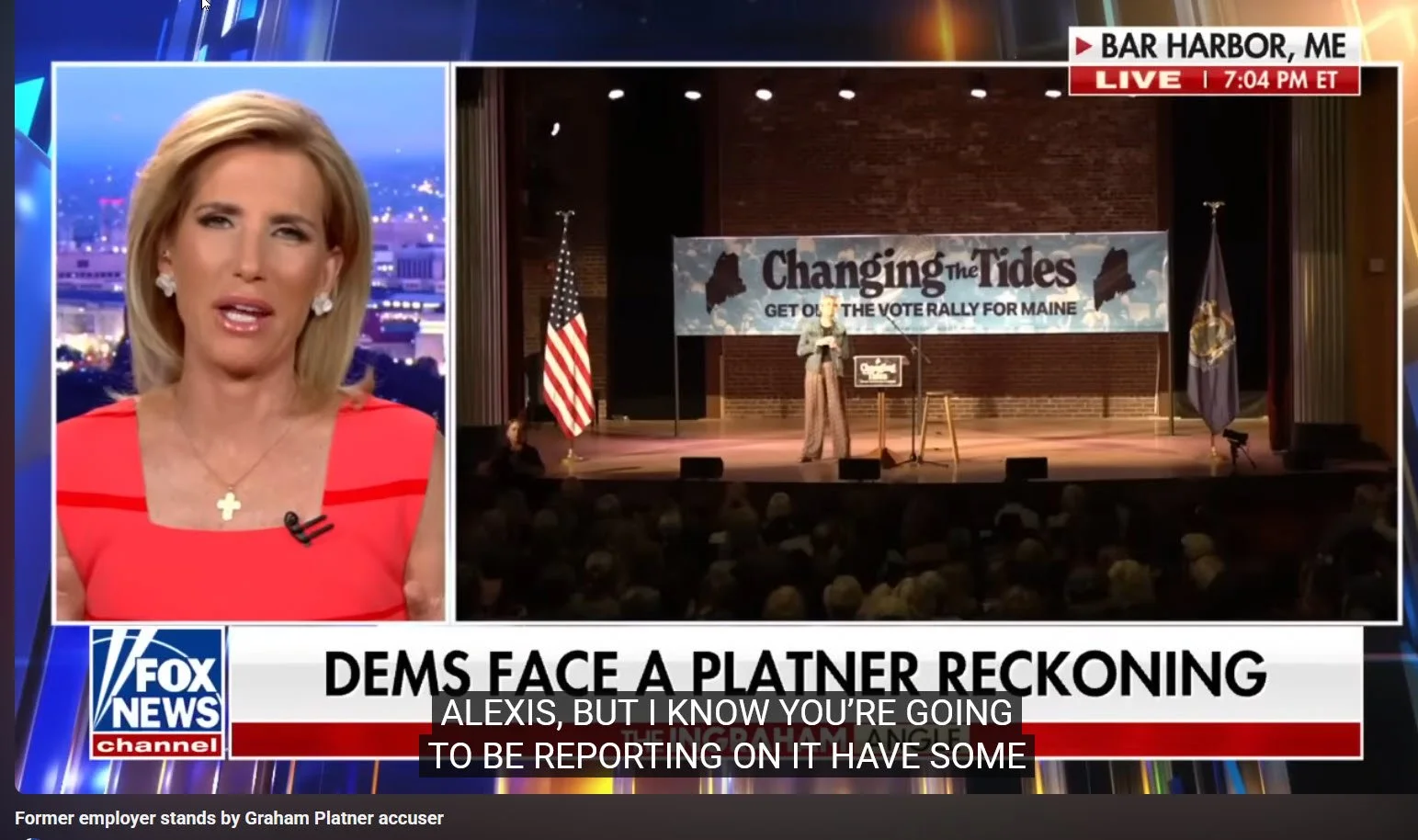
Local and State Democratic Party Operatives:
Context: Defending the candidate to national media outlets on the eve of the June 9 primary.
Media Outlet: Reported by The Associated Press (June 5, 2026).
Position: Reframed the allegations of marital misconduct and physical altercations as private counseling matters or "gossip."
Quote (Joanne Mason, Maine Democratic Leader):"It’s none of my business as far as I’m concerned. And I would hope that people wouldn’t judge any one person on their own private marriage."
Senator Ruben Gallego (D-AZ):
Context: Formal campaign endorsement and subsequent reaffirmation of support.
Media Outlet: Ballotpedia / Associated Press tracking (June 2026).