
Segment #988
Analyzing the Alternative mRNA Vaccine Narratives
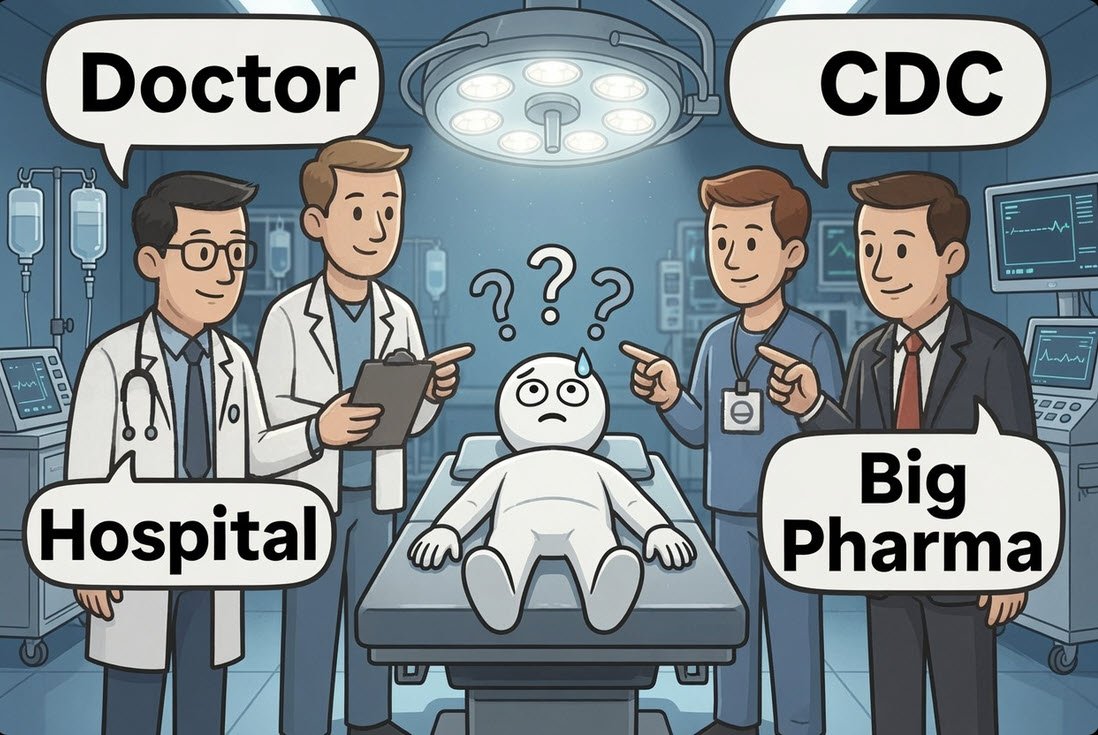
For years, we acted like doctors, hospitals, and researchers were incapable of making mistakes, always giving them the benefit of the doubt. But what happens to trust when pharmaceutical companies, hospital systems, and clinicians have agendas that bias the science and drive up errors?
We know this happens—and it changes everything. When medical decisions can injure or kill, simply nodding along and abdicating your choices without doing your own homework isn't just passive; it's dangerous.
When examining works such as The Vaccine Story You Were Never Told featuring Dr. Peter McCullough, alongside discussions by figures like Dr. Tom Cowan and Leslie Manookian, it becomes clear that these sources present a fundamental challenge to mainstream medical and regulatory frameworks. Analyzing these materials for a blog post requires breaking down their core arguments, examining the underlying mechanisms they propose, and contextualizing how these perspectives differ from established public health consensus.
The U.S. Senate Permanent Subcommittee on Investigations held a high-profile hearing titled 'The Corruption of Science and Federal Health Agencies,' examining allegations that federal health officials downplayed or failed to fully disclose myocarditis and other adverse events associated with COVID-19 vaccines. During the hearing, testimony was delivered by prominent medical and legal figures, including Dr. Peter McCullough, Dr. Jordan Vaughn, Dr. James Thorp, Dr. Joel Wallskog, attorney Aaron Siri, and Hawaii Governor Josh Green.
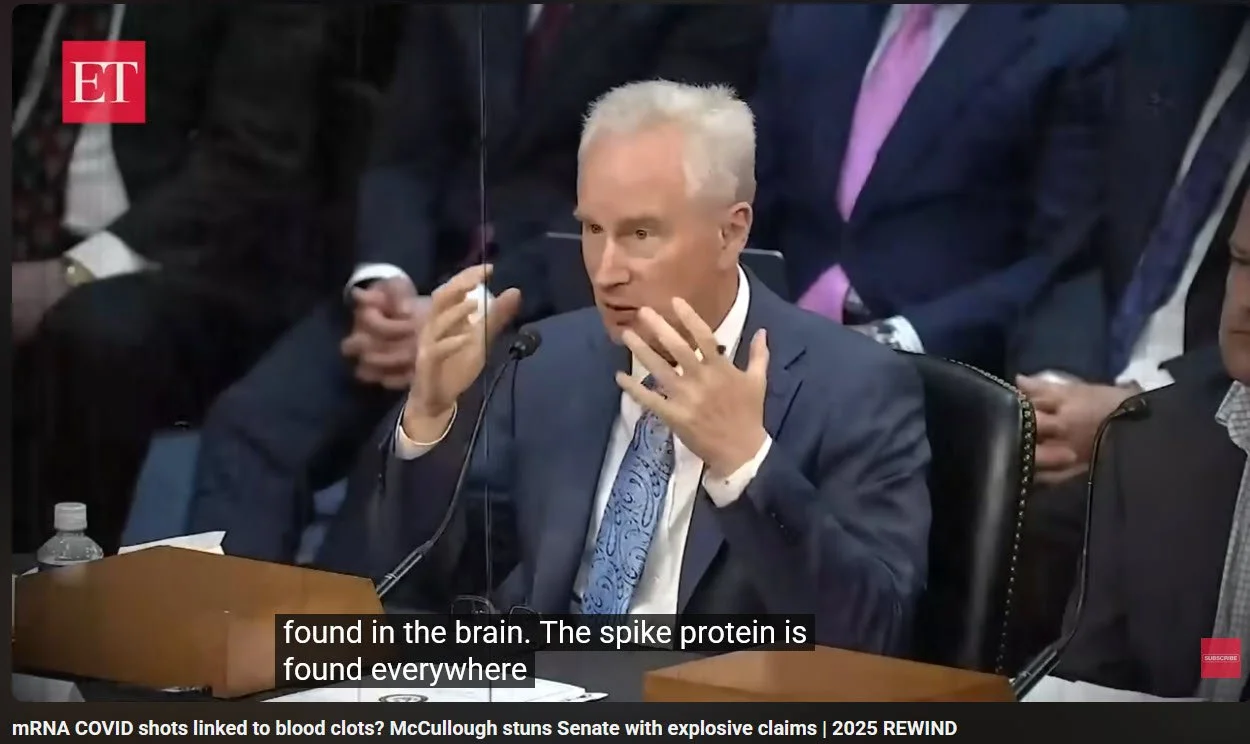
Dr. Peter McCullough: mRNA Persistence and Cardiovascular Concerns
Dr. Peter McCullough, a cardiologist, focuses primarily on the biological mechanisms of mRNA COVID-19 vaccines and post-vaccination safety monitoring.
Spike Protein Biodistribution McCullough argues that unlike traditional vaccine antigens—which typically clear the body quickly—the synthetic mRNA and the spike protein it produces persist in organs (including cardiac tissue and blood vessels) far longer than initially predicted.
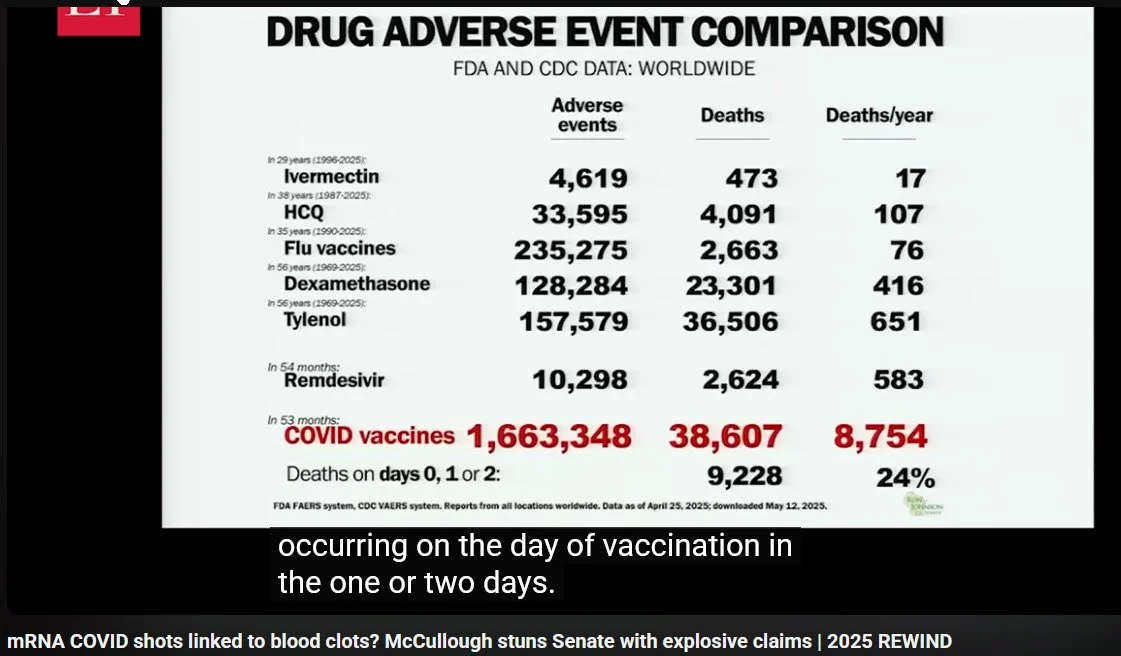
Cardiovascular & Inflammatory Outcomes: Focusing heavily on his specialty, McCullough points to post-vaccination myocarditis, pericarditis, micro-clotting, and arrhythmias as under-recognized signals of injury. He frequently cites data from the Vaccine Adverse Event Reporting System (VAERS) and observational cohorts to argue these risks are higher than health authorities acknowledge.
Suppression of Early Treatment: A primary pillar of his position is that early outpatient protocols utilizing repurposed pharmaceuticals were dismissed to accelerate emergency authorizations for novel vaccines.
Dr. Tom Cowan: Fundamental Paradigm Challenges
Dr. Tom Cowan takes a broader, radical stance that challenges traditional virology and germ theory altogether.
Rejection of Viral Isolation: Cowan contends that standard laboratory procedures do not truly "isolate" viruses according to classical scientific definitions. He argues that modern virology relies on computer-assembled genomic models rather than physically purified viral particles isolated directly from sick hosts.
Alternative Etiology: In Cowan’s framework, diseases commonly attributed to external viruses are instead cellular responses to environmental stressors—such as toxic chemical exposures, metabolic imbalances, or electromagnetic fields.
Redefining Vaccines: Because he rejects the premise that specific viruses cause specific contagious illnesses, Cowan views the entire rationale for viral vaccines as fundamentally flawed, deeming them unnecessary interventions that introduce toxins into the body.
Leslie Manookian: Institutional Overreach and Legal/Ethical Claims
Leslie Manookian, founder of the Health Freedom Defense Fund, shifts the debate from medical mechanisms to rights, governance, and institutional accountability. Her work focuses on how public health policy intersects with civil liberties.
Bodily Autonomy & Informed Consent: Manookian argues that vaccine mandates, travel restrictions, and employment requirements violated fundamental human rights principles, such as the Nuremberg Code and the principle of voluntary informed consent.
Regulatory Capture & Financial Conflicts: She asserts that regulatory bodies (e.g., FDA, CDC) suffer from "regulatory capture," where financial ties to pharmaceutical manufacturers compromise their ability to function as impartial safety monitors.
Institutional Overreach: Manookian’s litigation efforts challenge the legal boundaries of public health mandates, advocating for legislation that prohibits discrimination based on medical status.
Re-evaluating the Risk-Benefit Calculus
A central theme connecting these perspectives—and a primary source of debate with public health agencies—is the question of risk-benefit stratification. Mainstream health guidance often promoted a broad, "one-size-fits-all" approach to vaccination to achieve community-level suppression. In contrast, alternative analysts argue that public health policy failed to adequately differentiate between demographic groups:
Demographic / Variable - Elderly & High-Risk; Young Males & Athletes; Naturally Immune
Public Health Consensus View - High net benefit; vaccination drastically reduces hospitalization and mortality; Net benefit remains positive; myocarditis risk from COVID-19 infection exceeds post-vaccine risk. Vaccination adds hybrid immunity; natural immunity wanes over time.
Alternative / Skeptical Critique -Acknowledges potential short-term reduction in severe outcomes, but argues long-term safety data remains incomplete..Argues post-vaccine myocarditis risk in young males outweighs their near-zero risk of severe COVID-19 illness.Asserts infection-acquired immunity is robust and long-lasting, rendering subsequent vaccination redundant.
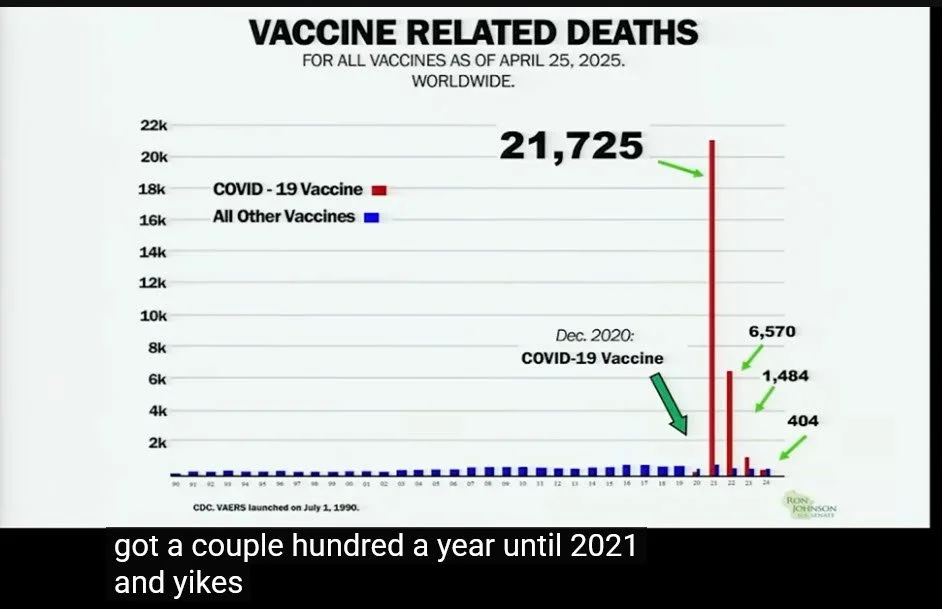
Why Do We Care This Hearing Took Place in December 2025
The 2016 BMJ / Johns Hopkins Study: Researchers (Makary & Daniel) published a widely cited analysis estimating that ~251,000 deaths per year in the U.S. stem from medical errors.
The Ranking: If added to the CDC’s official cause-of-death ranking, ~251,000 annual deaths would place medical errors directly at #3 or #4, ahead of chronic lower respiratory disease, stroke, and Alzheimer's.
What They Counted: The study defined medical errors broadly—including unintended diagnostic errors, medication dosage mistakes, surgical complications, care coordination failures, and communication breakdowns.