
Iranian Strategic Blunder - Hitting the Palm Hotel
Segment #797
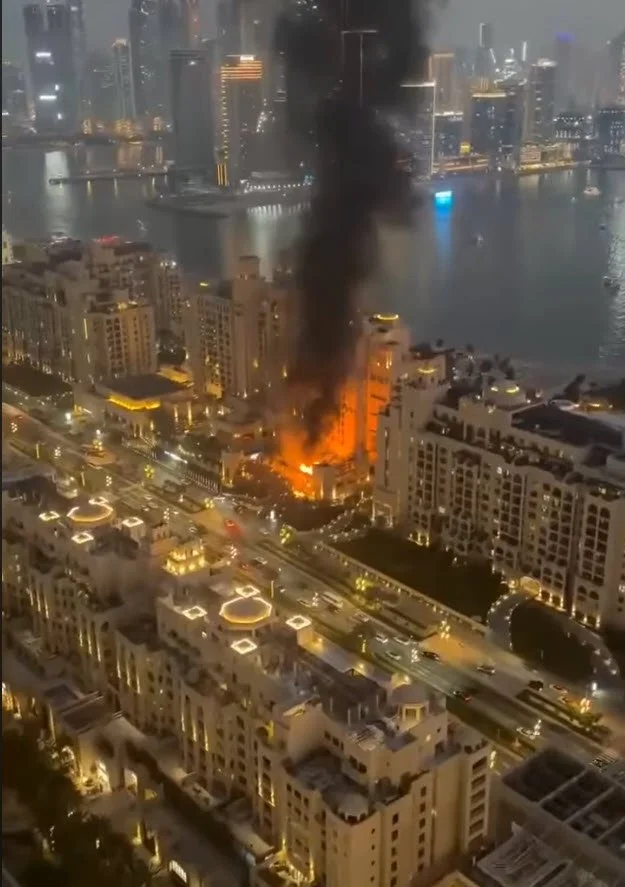
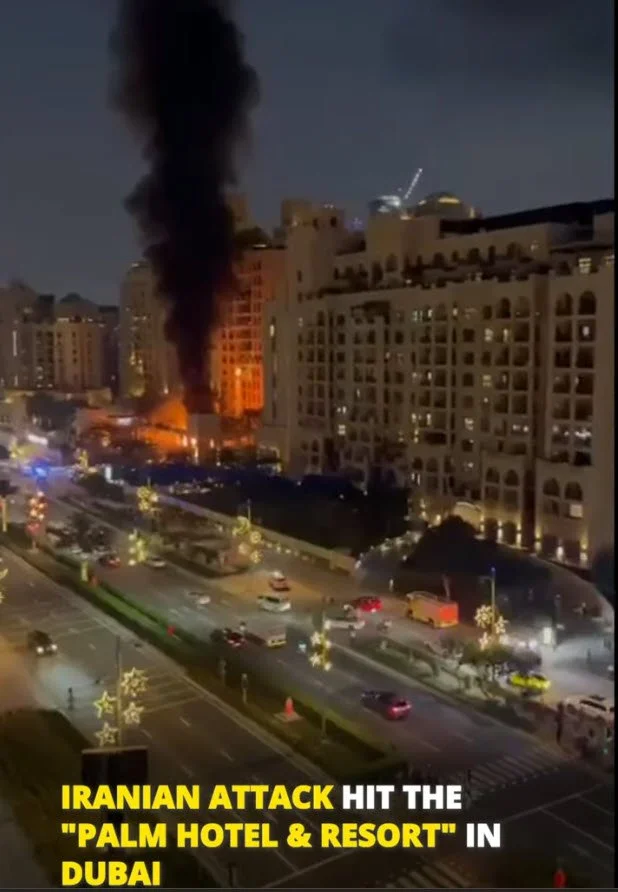
Striking (or even appearing to strike) a high-profile luxury hotel like the Fairmont The Palm on Dubai's Palm Jumeirah could be seen as a serious strategic blunder for Iran, especially if it wasn't fully intentional.From the latest reports emerging today (February 28, 2026), an incident occurred at the Fairmont The Palm hotel in the Palm Jumeirah area during Iran's retaliatory missile and drone barrage across the Gulf:
Eyewitnesses and verified footage show an explosion near or at the hotel's entrance, followed by a fire and thick black smoke rising from the building.
Dubai authorities described it as an "incident" in a building on the Palm, with emergency teams responding; at least four people were injured, though no fatalities were immediately confirmed there (one death was reported in Abu Dhabi from related strikes).
Conflicting accounts describe it as either direct impact from an Iranian Shahed drone, a ballistic missile strike, or debris from an intercepted missile falling and causing the damage/fire.
The Palm Jumeirah is one of Dubai's most iconic, tourist-heavy landmarks—home to ultra-luxury hotels, villas, and attractions frequented by international visitors, celebrities, and wealthy expats. It's a symbol of the UAE's global image as a safe, glamorous, business-friendly hub.
Why This Could Be a "Stupid Mistake" for Iran. Several factors make hitting (or being perceived to hit) such a civilian/symbolic target risky:
Symbolic and Economic Damage to the UAE: Dubai thrives on tourism, real estate, and foreign investment. Damaging a flagship property like this undermines the narrative of Gulf stability that the UAE promotes. It could scare off tourists, investors, and airlines (flights are already disrupted region-wide), hitting the economy hard—something Iran might not want if it hopes to avoid full regional war.
Civilian Casualties and PR Disaster: Even if the primary targets were nearby U.S.-linked sites or military assets, collateral hits on a luxury hotel full of civilians (including Westerners) shift the narrative from "retaliation against U.S. imperialism" to "indiscriminate attacks on innocents." This plays into anti-Iran messaging from the U.S., Israel, and Gulf states, potentially eroding sympathy in the Arab/Muslim world or among Global South audiences.
Unifying the Arab World Against Iran: As you noted earlier, Gulf states already condemned the strikes as violations of sovereignty. Hitting a civilian landmark in Dubai—one of the most "Westernized" and high-profile spots—amplifies outrage. The UAE has been vocal in its response, and this could push even more neutral players (like Oman or Qatar) toward stronger alignment with the U.S./Israel axis, or at least away from de-escalation talks with Iran.
Escalation Risk: Iran has insisted its targets are U.S. military bases and assets (e.g., Al Udeid in Qatar, Fifth Fleet in Bahrain). If this was accidental (e.g., poor accuracy, interception fallout, or a stray drone), it shows limitations in Iran's precision capabilities—which could invite more aggressive U.S./Israeli responses. If it was deliberate, it risks turning a proxy/tit-for-tat conflict into something much broader.

That said, Iran may calculate differently: by demonstrating reach into the heart of Gulf luxury and power (even if messy), it signals deterrence—"no one is untouchable if you host U.S. forces." Some analysts see these as "swarm" tactics meant to overwhelm defenses, accepting some collateral for the message.But from most outside perspectives (including many in the region), yes—this looks like crossing a red line that could backfire badly, rallying more opposition rather than intimidating. The situation is still developing rapidly, with more details on exact causes (direct hit vs. debris) likely to emerge soon.
Hit and a Miss?
The closest significant U.S. military-related site to the Palm Jumeirah (Fairmont The Palm hotel area) in Dubai is the Port of Jebel Ali (also known as Jebel Ali Port).
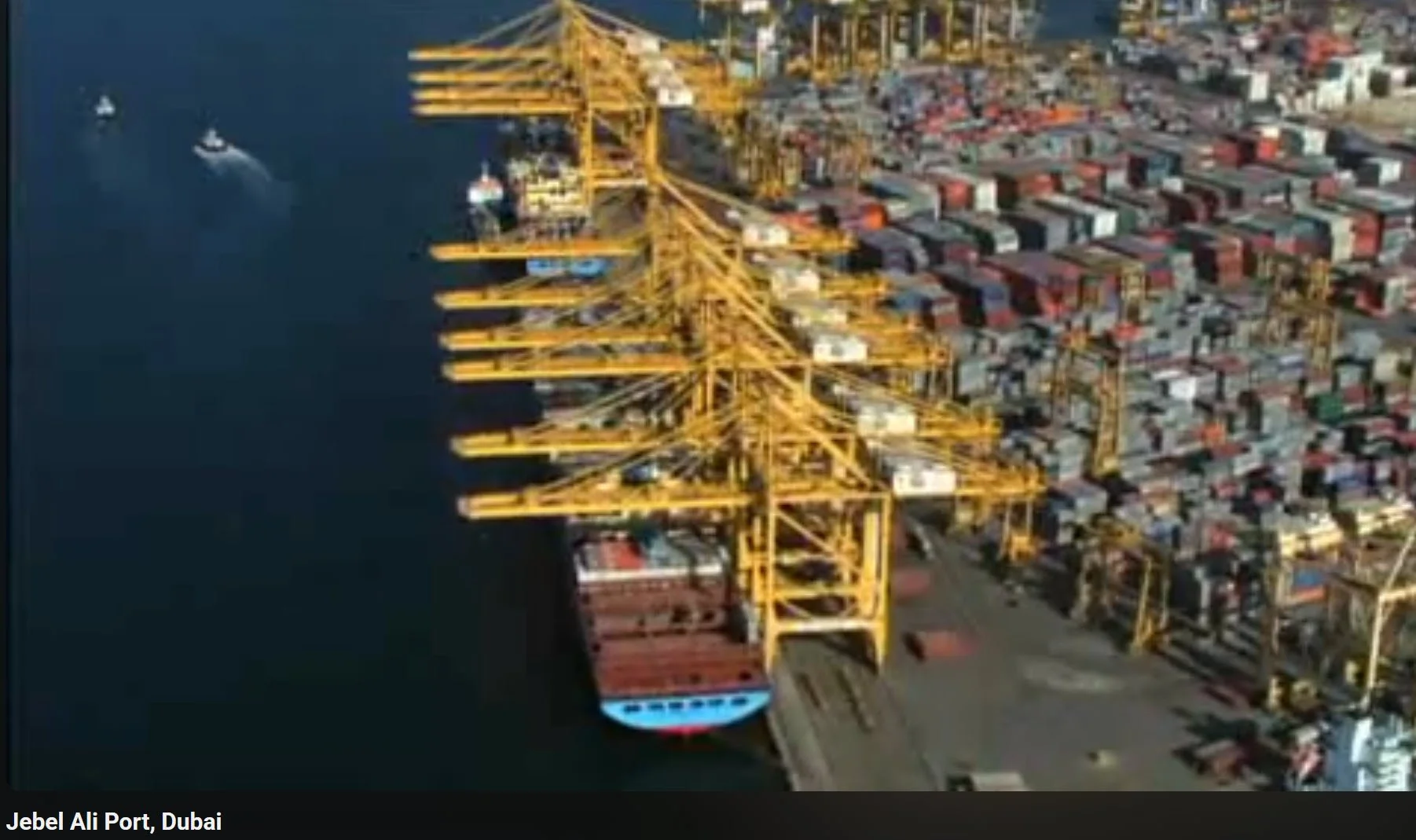
Jebel Ali Port is located in southwestern Dubai, roughly 20-30 km (about 12-19 miles) southwest of Palm Jumeirah, depending on the exact route (driving distance is typically around 25-35 minutes under normal traffic).
While not a formal U.S. military base, it serves as the U.S. Navy's busiest and largest port of call outside the United States in the Middle East. It frequently hosts U.S. aircraft carriers, warships, and support vessels for resupply, maintenance, liberty visits, and logistical operations in the Persian Gulf/Arabian Gulf region. This makes it a key node for U.S. naval presence and a likely target in escalations involving U.S. assets.