
I Didn’t Say Women are Stupid
Segment #1058
FEMINISM IN CONFLICT WITH ITSELF
When Ideology Undermines Women's Rights
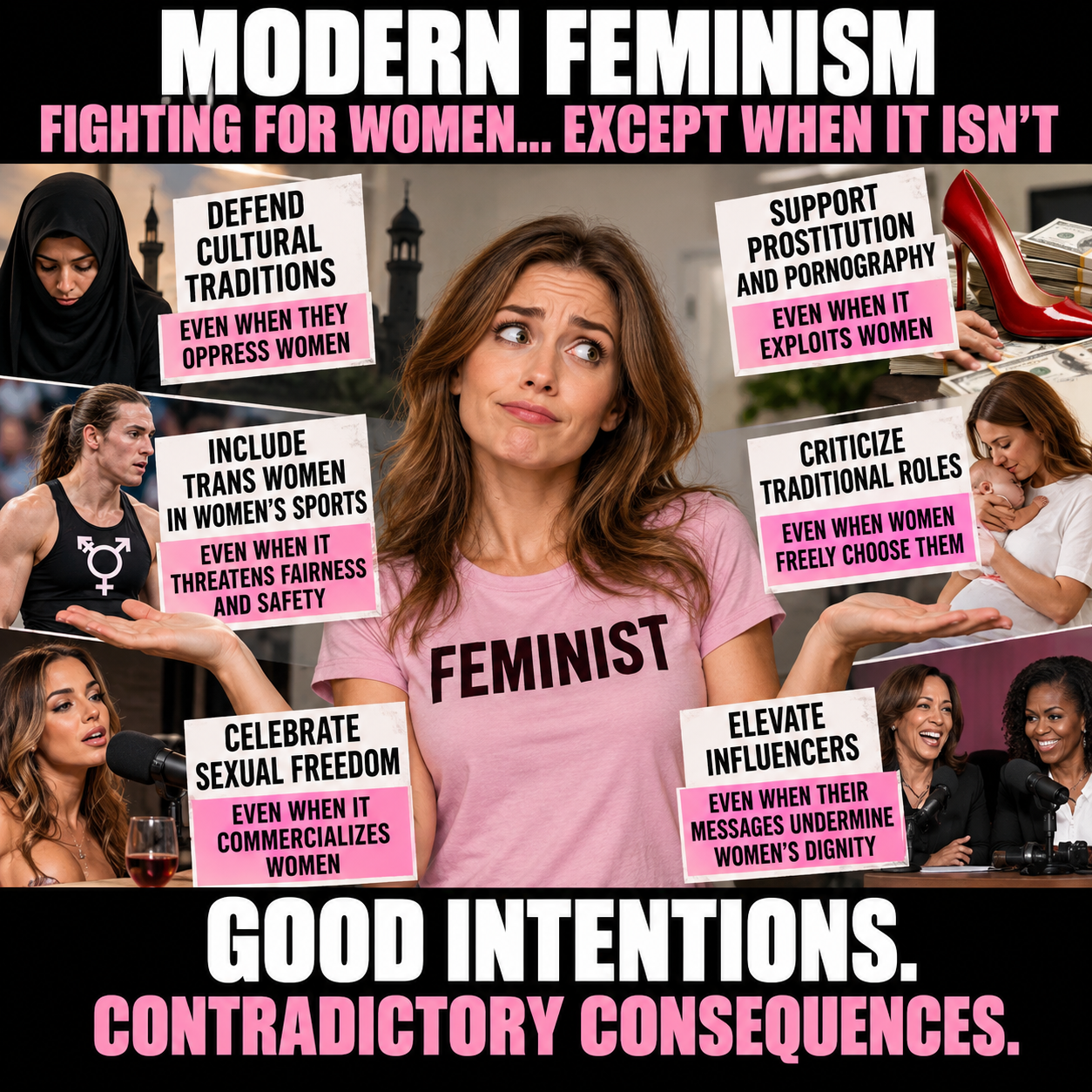
Modern feminism presents a troubling paradox. A movement founded to protect women's equality, dignity, and independence now encompasses positions that can conflict with those very objectives. In some cases, ideological loyalty appears to take precedence over the practical consequences for women.
Religious Tolerance Versus Women's Equality
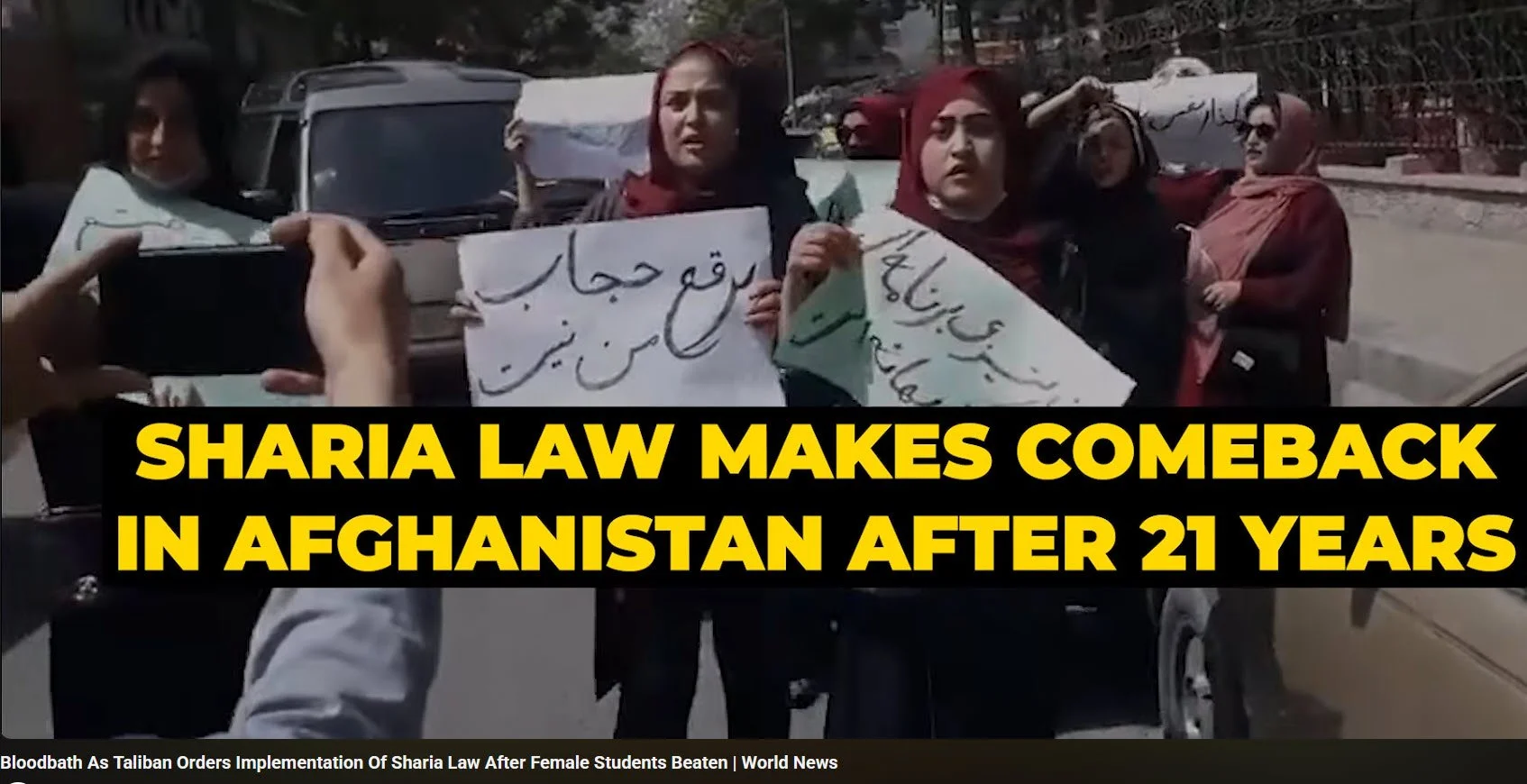
Some feminists champion religious and cultural accommodation while failing to confront interpretations of Sharia law that subordinate women in marriage, divorce, inheritance, and personal freedom. Supporting religious liberty is entirely compatible with feminism. Defending laws that deny women equal rights is not. Cultural sensitivity cannot justify discrimination.
Transgender Inclusion Versus Women's Sports
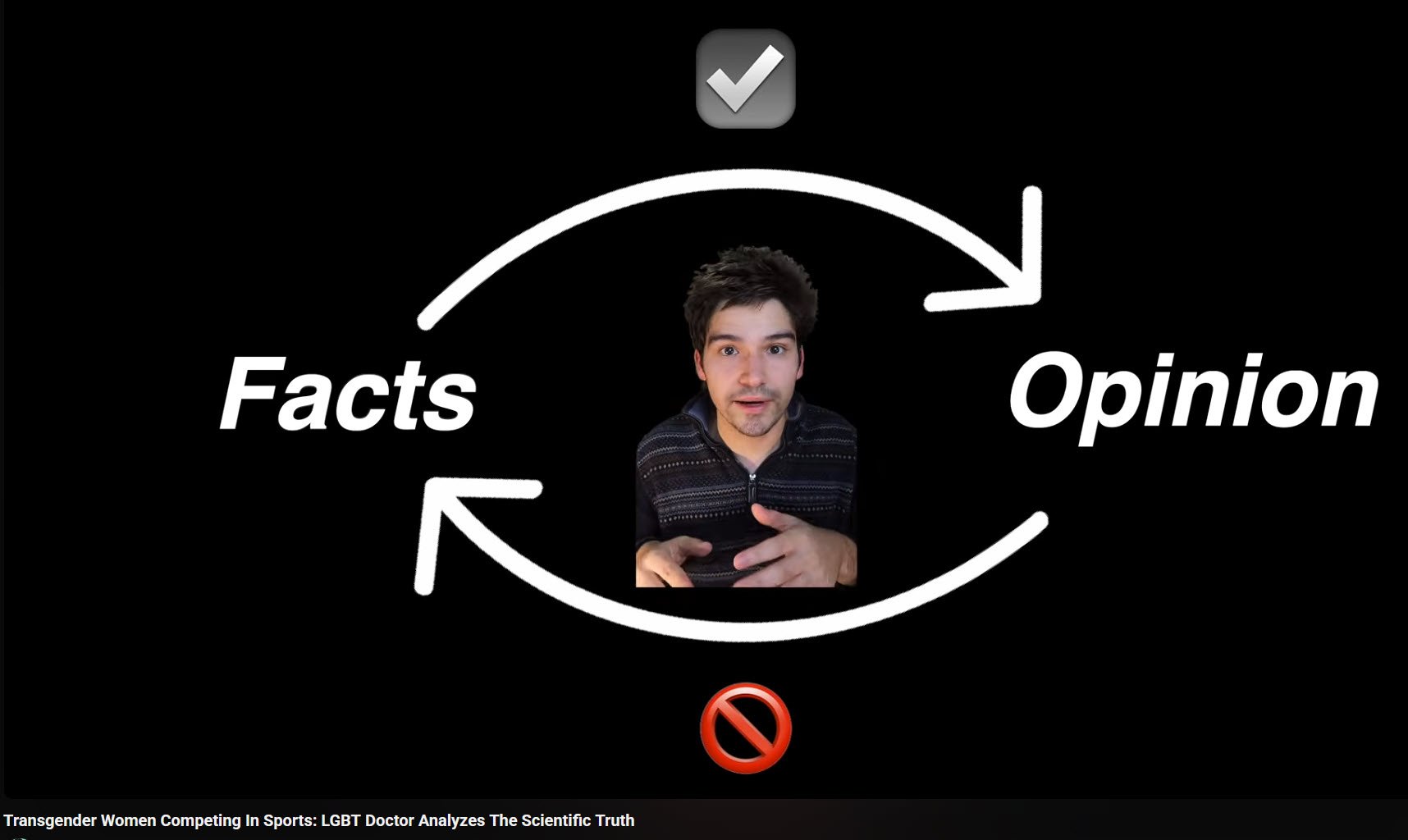
Women's athletic categories exist because biological differences matter. In sports such as boxing, wrestling, and volleyball, advantages associated with male puberty raise legitimate concerns about competitive fairness, physical safety, and women's opportunities. Feminists who dismiss these concerns in the name of inclusion face an obvious conflict between competing priorities. Inclusion alone does not settle questions of fairness or safety.
Sexual Liberation Versus Women's Dignity

Alex Cooper's Call Her Daddy illustrates another tension. Sexual freedom is not synonymous with responsible advice. Celebrating casual sex, threesomes, and sexual experimentation without adequate discussion of potential emotional, physical, and relationship consequences risks presenting entertainment as empowerment. The prominent appearances of Kamala Harris and Michelle Obama on Cooper's podcast also raise questions about the cultural credibility political leaders confer on influential personalities. An endorsement of a platform, however, is not necessarily an endorsement of every message it delivers.
Pornography and Prostitution: Freedom or Exploitation?
Feminism remains divided over whether commercial sex represents women's autonomy or their commodification. Freedom of choice matters, but economic coercion, exploitation, and commercial incentives cannot be ignored. Calling something empowering does not automatically make its consequences beneficial.
Individual Choice Versus Ideological Conformity
This whole video is text but it is worth enduring as it presents the payoffs for our action but does not judge right or wrong. It is what it is.
Feminism advocates women's freedom to determine their own lives, yet traditional marriage, motherhood, and domestic roles are sometimes criticized as evidence of patriarchal conditioning. If women are genuinely free, their choices should not require ideological approval.
The Consequences for Women's Rights
These contradictions can produce serious consequences:
Weakened protections: Legitimate concerns about discrimination, exploitation, safety, and competitive fairness may be subordinated to other ideological priorities.
Lost credibility: A movement that dismisses criticism from women whose interests are affected risks alienating those it claims to represent.
Political conformity: Loyalty to a coalition can discourage honest examination of policies and their consequences.
Confused priorities: Symbolic declarations of empowerment can overshadow measurable improvements in women's lives.
These tensions do not characterize every feminist, nor do they erase the movement's historical achievements. But they expose unresolved conflicts within contemporary feminism that deserve serious examination.
Conclusion: Empowerment Is Not a Slogan
The fundamental question is whether modern feminism consistently places women's actual interests above ideological commitments.
Religious tolerance cannot excuse legal discrimination. Inclusion cannot automatically override legitimate concerns about female athletic competition. Sexual liberation does not eliminate the consequences of sexual behavior. And personal freedom means little if women are condemned for making politically unfashionable choices.
The central criticism is simple: Feminism cannot measure its success by how progressive its positions sound. It must examine what those positions actually accomplish for women.
Women's rights are advanced through demonstrable improvements in equality, opportunity, dignity, and safety—not merely by labeling a policy empowering.
A movement unwilling to confront contradictions between its principles and their consequences risks undermining its own credibility.
Make the criticism tougher and sharperSeparate principled feminism from partisan activism