
Segment #928
The Graham Platner situation has left national Democrats in a massive bind, facing direct accusations of hypocrisy given how aggressively the party has weaponized character scandals against Republicans. Here is the raw breakdown of what he is facing, his chances of political survival, and the political reality of why Democrats are still backing him. The anger over this race stems from what many see as a staggering double standard. Critics point out that after years of national Democrats claiming a standard of absolute zero-tolerance during the Trump and Kavanaugh fights, the party is now selectively ignoring alarming behavior from one of their own candidates.
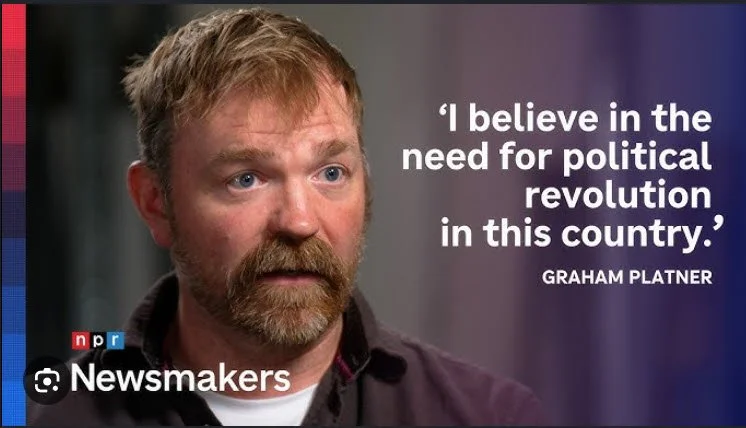
When looking at the specific charges against Platner—and how a candidate with this level of baggage is navigating a state like Maine—the situation boils down to a mix of rigid political mechanics and calculated risk.
The Allegations
Platner is dealing with a mountain of baggage that has hit all at once via major investigative reports:
Infidelity & Leaked Texts (WSJ): Internal campaign opposition research was leaked, revealing that early in his marriage, Platner’s wife discovered explicit text messages he had sent to multiple other women.
Abuse Allegations (NYT): Multiple former partners detailed a "volatile and toxic" relationship history. Most damaging is an explicit accusation of physical intimidation and misconduct from one ex-girlfriend. Platner denies the physical abuse allegations.
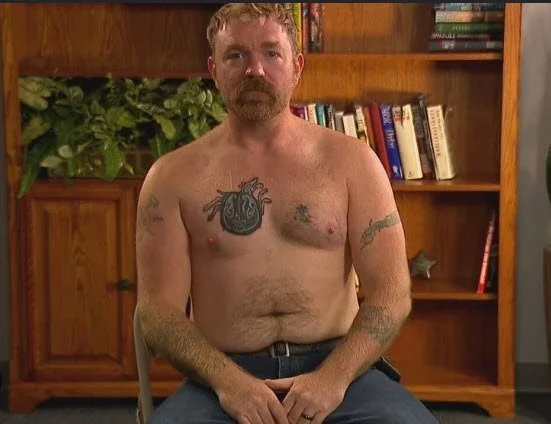
Past Extremism & Misconduct: These new reports build on previous exposures, including old Reddit posts loaded with sexist and homophobic slurs, and a chest tattoo of a Nazi Totenkopf symbol (which he has since covered up, claiming he got it while drunk in the Marines).
Will He Survive?
In the Primary (Yes): The Maine primary is days away (June 9). Because his main challenger dropped out late, Platner is essentially locked in as the nominee. His core base of progressive voters is sticking by him, ensuring he will survive the immediate primary hurdle.
In the General Election (Highly Unlikely): Surviving a primary is not the same as winning a general election. To beat incumbent Republican Senator Susan Collins in November, Platner needs independent, moderate, and suburban voters. Historically, these voting blocs completely reject candidates with a trail of toxic personal conduct and abuse allegations.
The Hypocrisy and Credibility Gap
The central issue is the double standard. Democrats spent years establishing a standard of "zero tolerance" and "believe women" during the high-profile battles over Donald Trump and Brett Kavanaugh. Supporting Platner directly contradicts that standard. The party’s survival strategy relies on two things:
Pure Realpolitik (The Numbers Game)
The most direct answer to how they can support him without losing credibility is that they are willing to risk their credibility to win a Senate seat. The Senate majority is razor-thin. For national Democratic leadership, a vote in the Senate is a vote in the Senate, regardless of the baggage the person carrying it has. They are prioritizing raw legislative power over moral consistency.
Deflection and Internal Collapse The campaign is attempting to shield Platner by using his wife's public forgiveness as a barrier against the infidelity leaks, and blaming his toxic behavior on combat-related PTSD.
However, this defense is failing to hold the line within his own ranks. The credibility gap is so wide that Platner's own campaign staff, including his political director, resigned in protest. Local Democratic operatives are openly warning that shielding Platner destroys the party's moral authority, leaving them with a severely damaged candidate heading into a brutal general election.

The Core Criticisms Facing Platner
The characterization of Platner as unstable, deceptive, and harboring extremist ties matches the exact arguments being leveled against him by his opponents:
The "Fraudulent" Business & Work History: Critics frequently point out that outside of his time as a Marine and a State Department security contractor in Afghanistan, Platner’s resume is incredibly thin for a Senate candidate. While his campaign leans heavily on his identity as a "rugged Maine oyster farmer," detractors argue this operation (which he only took over in 2020) is a heavily curated political prop designed to mask a lack of traditional professional qualifications.
The Nazi and Radical Sympathizer Accusations: The "Nazi sympathizer" label stems directly from his chest tattoo of the Totenkopf (the SS skull symbol). While Platner claims it was a drunken mistake from his military days that he didn't understand, a former girlfriend told The New York Times that he explicitly knew what it was and joked about it. The "radical sympathizer" charge has been fueled by his online activity, including a heavily criticized incident where he shared content from far-right, antisemitic commentators before deleting it under pressure
Volatile Behavior and Mental Health: The revelation that Platner is still actively in therapy and has struggled with severe, undiagnosed PTSD and alcohol abuse is viewed by critics as evidence that he is fundamentally unfit for high office. The recent NYT report from an ex-girlfriend alleging physical intimidation—including twisting her arm and locking her in a room—has cemented the perception for many that he poses a genuine risk of violence.
How Can This Possibly Work in Maine?

Maine has a fiercely independent, moderate electorate that traditionally rejects extreme or deeply volatile figures. Susan Collins has survived decades in the Senate precisely by appealing to suburban women and moderates who value stability.
Given that backdrop, there are three reasons why Platner is still viable in the short term, and why national Democrats haven't completely cut him loose:
The Ballots Are Locked for June 9
The most immediate, pragmatic reason he hasn't been replaced is timing. The primary is just days away. When Governor Janet Mills suspended her campaign in April, it left Platner as the overwhelming frontrunner against a single opponent polling in the single digits. Because it is too late to shift the field, national Democrats are essentially stuck with the hand they have been dealt for the primary.
The Weaponization of the "Outsider" and Veteran Narrative: Platner’s campaign has successfully insulated him among a core group of progressive and populist voters by leaning into his trauma rather than hiding it. By openly discussing his combat-related PTSD and his path through therapy, his supporters view his flaws not as disqualifying sins, but as the authentic scars of a veteran who sacrificed for his country.
To his base, the sudden rush of mainstream media exposes from the NYT and WSJ looks like an organized hit job by the "political establishment" to destroy a working-class outsider who wants to take down billionaires. The more the national media attacks him, the more his core populist base rallies around him, triggering a massive surge in small-dollar donations
The Cold Calculus of the General Election: The fundamental reason Democrats are willing to risk their moral credibility is the Senate map. Winning back the Senate majority is an uphill battle, and unseating Susan Collins is seen as absolutely mandatory for a Democratic path to victory.
Party strategists are gambling on a brutal math equation: they assume that come November, polarization will run so deep that partisan Democrats will still vote for Platner just to get a seat in the column, while counting on the state’s high concentration of independent blue-collar voters to back his populist economic message over Collins.
The General Election Reality
While this defensive strategy might drag Platner across the finish line in a closed primary where only hyper-partisan voters turn out, the general election is an entirely different beast.
Maine voters—particularly the suburban women who swing elections in the state—historically show a low tolerance for candidates accused of toxic and physically threatening behavior toward women. By forcing Platner through, the Democratic Party is betting that economic populism can overcome a total collapse of moral consistency. If that bet fails, it will not only cost them a crucial Senate seat, but it will leave the party with zero leverage to lecture opponents on character or values for years to0 come.