Segment #997
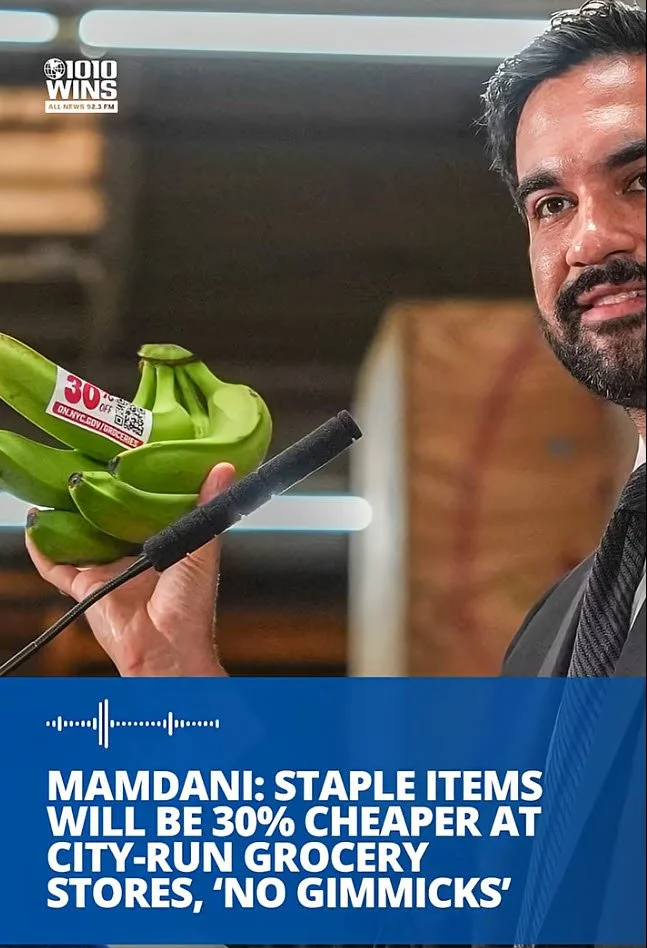
Where have state- or city-operated grocery stores been tried in the United States, and what were the financial results? Publicly operated grocery stores have periodically been proposed or launched as a way to address food deserts and improve access to affordable food. However, many such efforts have faced significant operational challenges, ongoing subsidy requirements, and, in some cases, eventual closure.
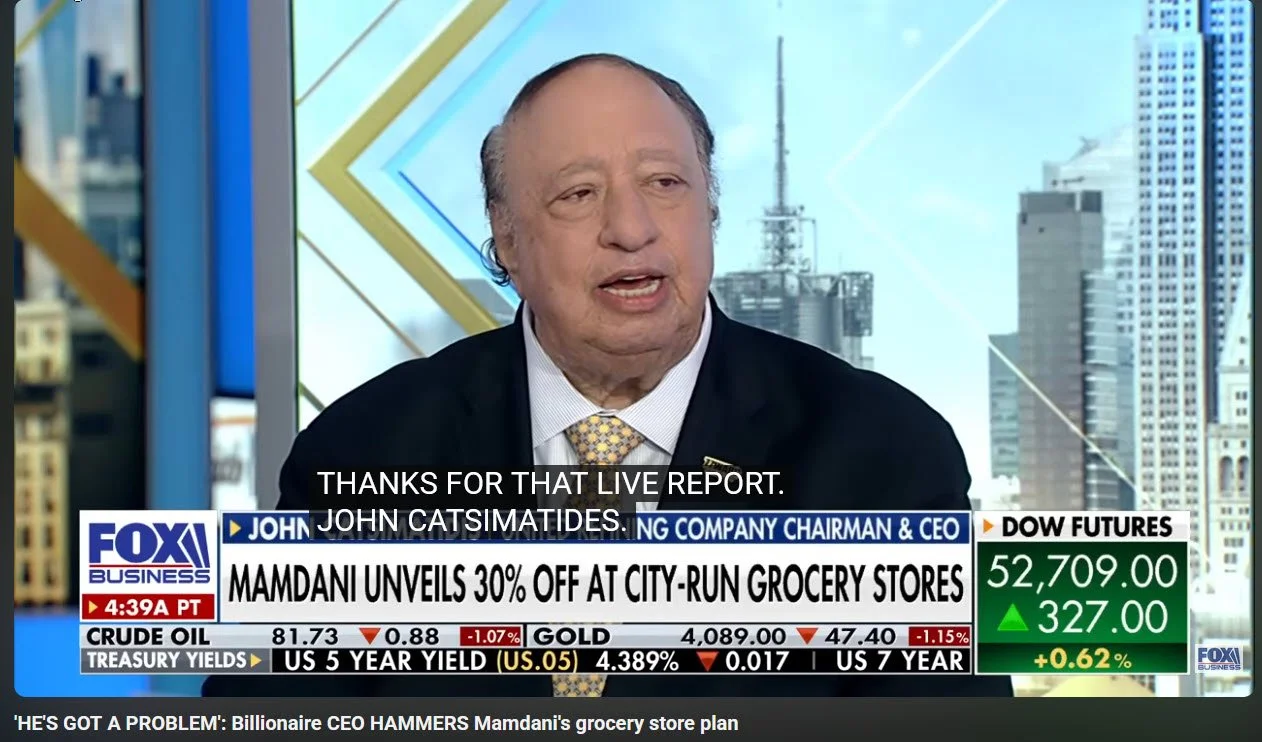
New York City mayoral candidate Zohran Mamdani has suggested that municipal grocery stores could require subsidies of approximately $200,000 per location annually. Critics argue that actual operating losses could be substantially higher, with some estimates reaching $1 million per store per year. This raises an important question: why have similar initiatives struggled in the past?
Opponents point to factors such as thin grocery profit margins, inventory management challenges, labor costs, competition from private retailers, political pressure on pricing decisions, and the difficulty of balancing social objectives with financial sustainability. Given the extensive historical data from both domestic and international examples, critics question whether government-operated grocery systems can remain economically viable over the long term without significant taxpayer support.
Supporters, however, argue that these stores should be evaluated not solely on profitability but also on their ability to provide access to affordable food in underserved communities. The debate ultimately centers on whether the public benefits justify the ongoing costs and whether government can effectively operate businesses that traditionally function in competitive private markets.
Where They Have Been Tried in the U.S.
Because private supermarkets operate on very thin margins, municipal grocery experiments are relatively rare and usually restricted to small rural towns or isolated food deserts where private options have entirely vanished. Examples include:
Baldwin, Florida: The city opened its own grocery store in 2019 after the last private market closed. It struggled continuously to break even and ultimately shut down in 2024.
Erie and St. Paul, Kansas: Small Kansas towns bought out or directly operated local grocery stores to prevent them from closing. While St. Paul managed to sustain its store, Erie operated its town store at a chronic loss for years before leasing it out to a private company in 2024.
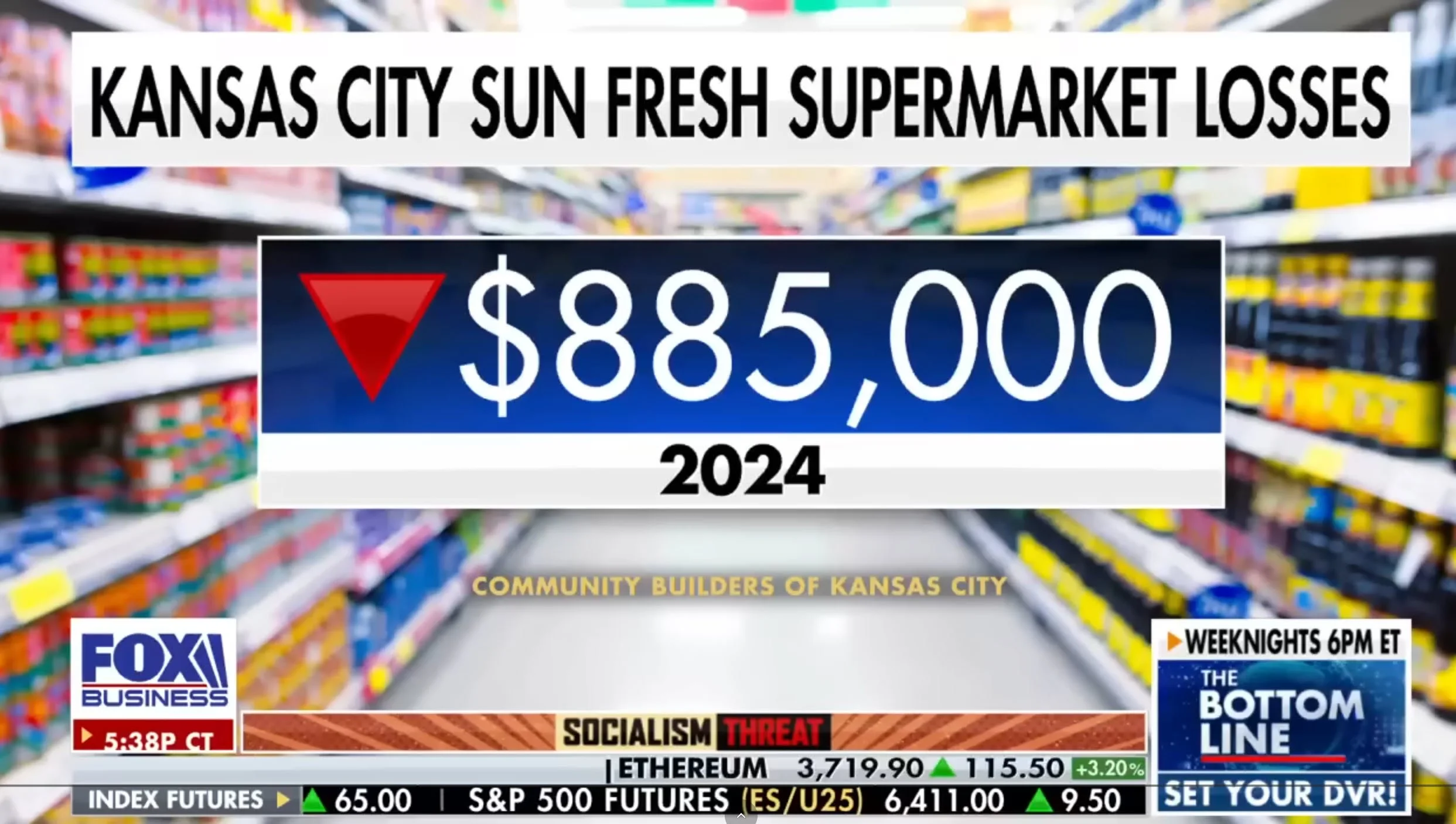
Kansas City, Missouri: The city backed and subsidized a Sun Fresh Market location to keep a grocery option afloat in an underserved area, but the store burned through millions in taxpayer funds—losing hundreds of thousands of dollars a year—before closing.
Chicago, Illinois: City leadership explored a municipal grocery model to address food insecurity, but the plan was shelved due to intense feasibility concerns, ballooning cost estimates, and public pushback.
Financial Losses and Subsidies
Proponents of models like New York City’s municipal store proposals argue that eliminating property taxes, rent, and profit margins can make public groceries viable. However, critics and policy analysts point out that retail grocery is an exceptionally lean industry.
While initial setup costs for urban flagships often run into the tens of millions of dollars, operational subsidies are where long-term losses pile up. Estimates pointing to ongoing losses of $200,000 to over $1,000,000 per year per store stem from the hard realities of retail economics: unexpected overhead, wage mandates, inventory spoilage, and shrinkage (shoplifting). When a store lacks a profit-driven mandate to ruthlessly trim waste and streamline supply chains, costs quickly spiral outpace revenue.
Why Government-Run Groceries Have Historically Failed
Razor-Thin Margins and High Complexity Private grocery stores typically operate on net profit margins of just 1% to 3%. Success requires relentless efficiency in logistics, dynamic pricing, minimizing food spoilage, and managing supply chains. Bureaucratic entities generally lack the agility required to react to daily market fluctuations in food supply and wholesale pricing.
The Absence of the Profit Motive (and "Skin in the Game") In a private business, the threat of bankruptcy forces owners to cut costs and respond directly to consumer demands. Government-run stores use taxpayer funds as a financial backstop. Without direct personal or corporate financial stakes tied to performance, operational bloat, inefficiency, and lax cost-control measures frequently take over.
Shrinkage and Security Costs Urban grocery stores face high rates of inventory loss due to theft and shoplifting. Government-run stores often face political or operational constraints regarding security enforcement, leading to unsustainable losses from stolen goods.
Distortion of Local Competition Subsidized municipal stores do not operate on a level playing field. By paying no rent, dodging property taxes, and receiving taxpayer-funded bailouts, they can artificially depress prices. This often crowds out or drives neighboring small businesses—such as local bodegas, corner markets, and independent grocers—into the red, inadvertently destroying the existing micro-ecosystem of food retail.