
Dems You are Lying on Affordability - State Gas Taxes
Segment #698
Energy is a major driver of the economy and basic affordability day to day for American citizens. While policy can drive down the price of oil, state taxes remain constant as a per gallon surcharge.
Yes. There is a federal excise tax on gasoline in addition to whatever your state charges.complyiq+1
Current federal gas and diesel tax
The federal excise tax on gasoline is about 18.4 cents per gallon.dor.wa+1
Gas Taxes in Blue vs. Red States: A Comparison
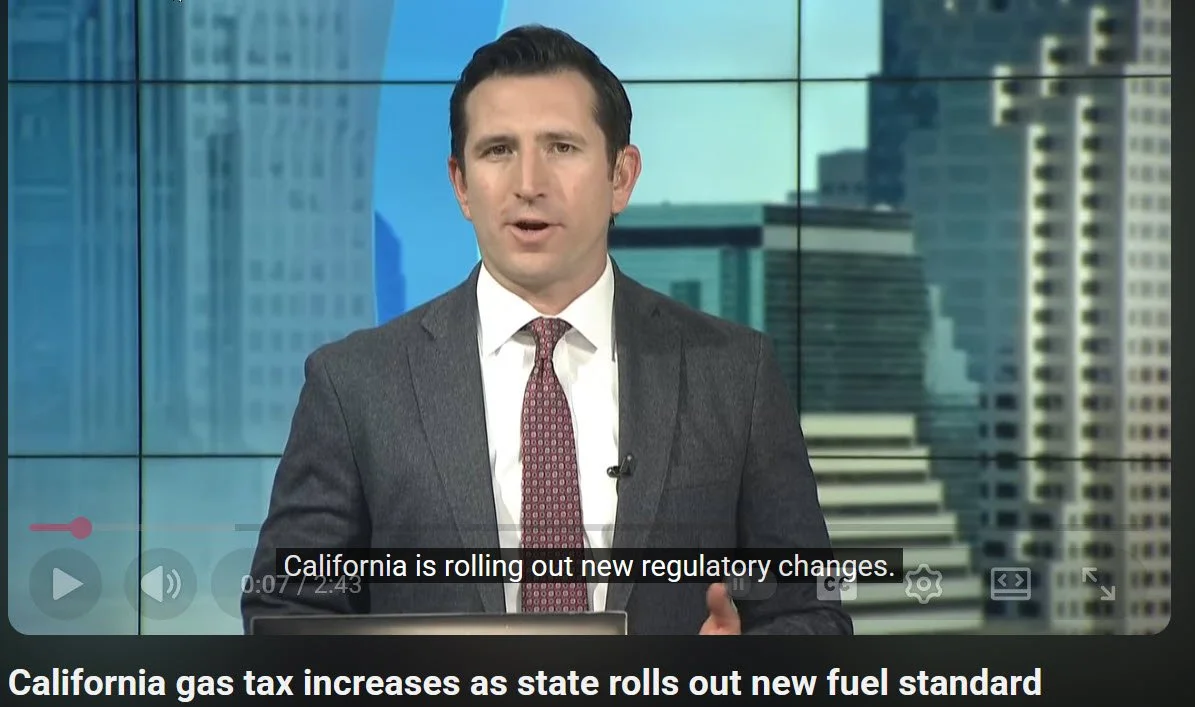
State gas taxes (primarily excise taxes on gasoline, plus fees) vary widely across the U.S., from a low of 8.95 cents per gallon in Alaska to a high of 70.9 cents in California, according to the latest 2025 data from the Tax Foundation and U.S. Energy Information Administration (EIA). These taxes fund road maintenance and infrastructure but are often higher in states with Democratic-leaning governance (commonly called "blue states") due to additional environmental programs, cap-and-trade systems, and sales taxes on fuel. Red states (Republican-leaning) tend to keep rates lower to reduce consumer costs and support fossil fuel industries.
The national average state gas tax is about 33 cents per gallon, excluding the federal rate of 18.4 cents per gallon. Blue states average around 39 cents per gallon, while red states average about 27 cents— a roughly 44% difference. This pattern holds even when excluding outliers like Hawaii (blue, but isolated geography drives up costs). Overall, 8 of the 10 states with the highest gas taxes are blue, and 7 of the 10 with the lowest are red.
Top 10 Highest Gas Taxes (2025 Rates)
These states impose the heaviest burdens, often tied to progressive policies for emissions reduction.
1 - California 70.9 Blue
2 - Illinois 66.4 Blue
3 Washington 59.0 Blue
4 - Pennsylvania 58.7 Blue (recent shift)
5 - Indiana 54.5 Red
6 - Michigan 48.2 Blue
7 - Maryland 46.2 Blue
8 - New Jersey 45.0 Blue
9 - Virginia 41.6 Blue
10 - New York 40.0 (approx.) Blue
Top 10 Lowest Gas Taxes (2025 Rates)
These states prioritize affordability, often with pro-energy policies.
1 - Alaska 8.95 Red
2 - Mississippi 18.4 Red
3 - Hawaii 18.5 Blue
4 - New Mexico 18.9 Blue
5 - Missouri 17.5 (adjusted) Red
6 - Oklahoma 19.0 Red
7 - Texas 20.0 Red
8 - Kentucky 27.8 Red
9 - Wyoming 24.0 Red
10 - North Carolina 29.0 Red
Key Insights and Reasons for the Divide
Higher in Blue States: Policies like California's cap-and-trade (adding 20-30 cents/gallon via hidden fees) and Washington's Climate Commitment Act (50 cents/gallon extra) aim to cut emissions but raise pump prices. Blue states often have denser populations and stricter environmental regs, justifying higher "user fees" for roads and transit.
Lower in Red States: Emphasis on energy independence (e.g., Texas oil production) and lower overall taxation keeps costs down. Red states like Mississippi and Oklahoma avoid sales taxes on fuel and rarely add eco-fees.
Not Just Taxes: Geography plays a role—West Coast blue states face higher transport costs from refineries. However, even pre-tax prices are ~15-30 cents higher in blue states.
Impact on Prices: This contributes to blue states having ~35 cents/gallon higher retail gas prices on average ($5.14 vs. $4.79 in red states, per 2022-2025 AAA data). As of December 2025, national average is ~$3.00/gallon.
Blue states aren't monolithic (e.g., New Mexico's low rate due to Permian Basin oil), and some red states like Pennsylvania buck the trend with high taxes for infrastructure. For the most current rates, check the EIA's motor fuel tax table.
Note:
New Jersey (Jan 1, 2026): State Treasury has announced another 4.2‑cent per gallon gas tax increase for 2026, driven by a statutory formula to meet Transportation Trust Fund revenue targets. This will bring the total state gas tax to about 49.1 cents per gallon and diesel to about 56.1 cents per gallon in 2026.
Mississippi (starting July 1, year not specified in snippet): A new law (HB1) phases in a total 9‑cent‑per‑gallon increase in gas and diesel taxes, implemented in 3‑cent steps each July through 2027, taking the rate to 27 cents per gallon. Some proposals also contemplate further increases and automatic annual 2% adjustments tied to inflation starting in 2026.
References:
The federal excise tax on diesel is about 24.4 cents per gallon.complyiq+1
How it fits with state taxes
What you see at the pump is a combination of the federal tax plus your state’s own motor fuel tax (and, in some places, local sales or excise taxes).eia+2
Federal motor fuel tax revenue mainly goes into the Highway Trust Fund to help pay for highways and transit projects.eia+1
https://cdtfa.ca.gov/taxes-and-fees/sales-tax-rates-for-fuels.htm
https://dor.wa.gov/taxes-rates/tax-incentives/deductions/motor-vehicle-fuel-tax-rates
https://taxadmin.org/wp-content/uploads/resources/tax_rates/state_motor_fuel_tax_rates.pdf
https://www.kiplinger.com/taxes/state-tax/603259/states-with-the-highest-gas-taxes
https://www.eia.gov/petroleum/marketing/monthly/xls/fueltaxes.xls
https://en.wikipedia.org/wiki/Fuel_taxes_in_the_United_States
https://cdtfa.ca.gov/taxes-and-fees/special-taxes-and-fees-tax-rates/fuel-taxes.htm
https://www.ncsl.org/transportation/recent-legislative-actions-likely-to-change-gas-taxes