
DEI Programs Cost the U.S. Economy $94 Billion a Year
Segment #873
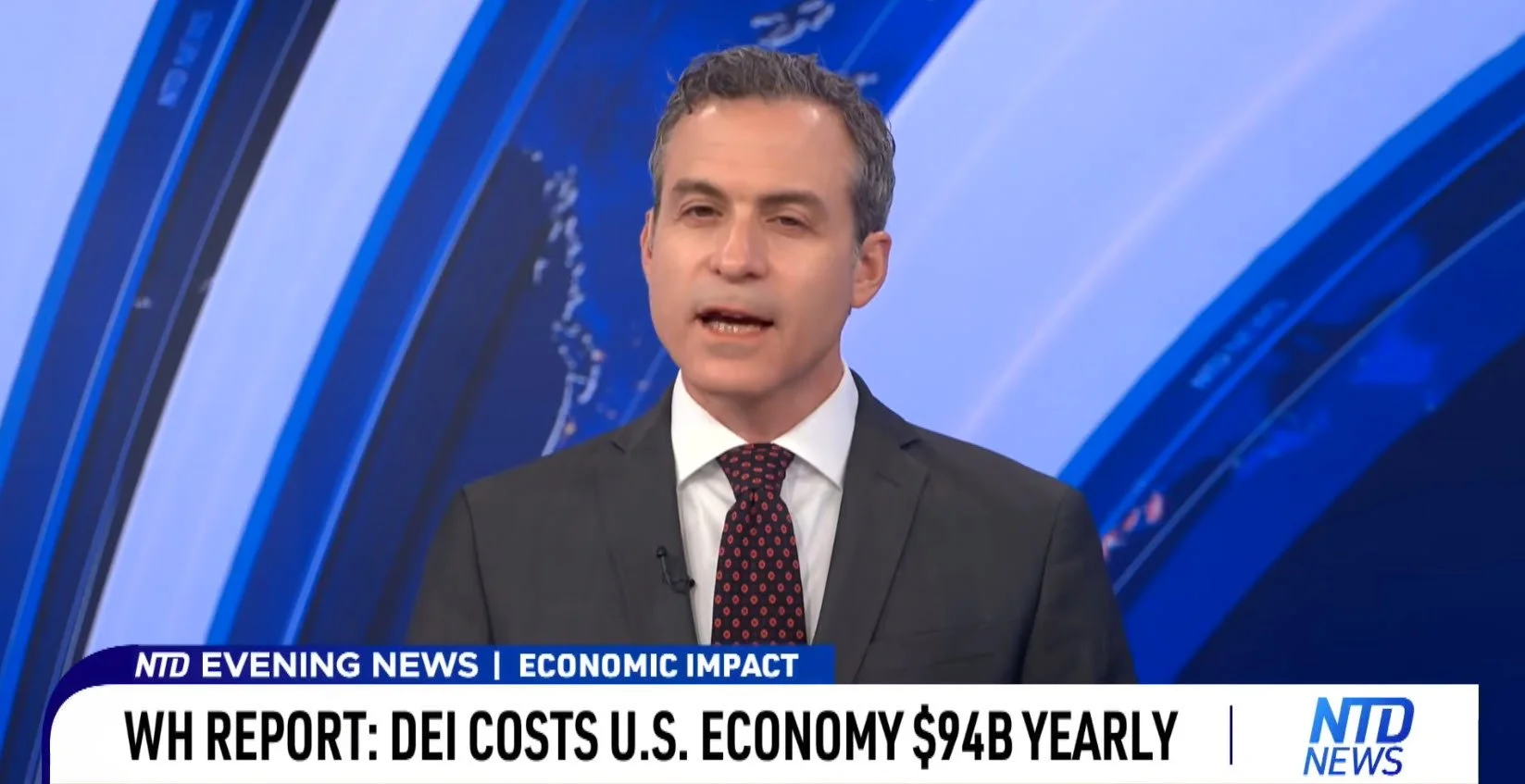
The claim that Diversity, Equity, and Inclusion (DEI) programs cost the U.S. economy $94 billion annually is a central finding of the 2026 Economic Report of the President, released on April 13, 2026. Prepared by the Council of Economic Advisers (CEA), the report argues that these programs have created significant economic "mismanagement" and productivity losses over the past decade.
Core Findings of the 2026 Report
The report's analysis, specifically detailed in Chapter 10: The Economic Consequences of DEI, identifies several ways these initiatives supposedly impact the macroeconomy:
Aggregate Economic Drag: The cost of mismanagement attributed to DEI practices was estimated at roughly $94 billion annually as of 2023, representing about 0.34% of U.S. GDP.
Productivity Decline: Industries that "pursued DEI heavily" were found to be approximately 2.7% less productive than those that did not.
Household Impact: The report translates these aggregate losses to an average cost of about $1,160 annually for a family with two working adults due to lower wage growth and higher consumer prices.
Hiring Inefficiencies: Research cited in the report (specifically Johnston and Wheaton, 2026) claims that prioritizing identity over merit leads to "inefficient management," causing firms to hire fewer people and pay workers less.
Shift in Economic Theory
The 2026 report marks a sharp departure from previous administrations' views on corporate diversity. It critiques earlier studies—specifically those from McKinsey & Company—as being "purely correlational" and failing to prove that DEI actually drives success. Instead, the CEA argues that while removing discriminatory barriers (as seen after the 1964 Civil Rights Act) historically boosted productivity, modern DEI mandates "effectively narrow talent pools" by deviating from meritocracy.
Context of the Rollback
This data follows a broader federal push to dismantle DEI frameworks. Shortly after returning to office, the Trump administration issued executive orders to roll back DEI-related policies across federal agencies and the military. By 2026, many private sector companies also began pulling back; for instance, submissions to the Corporate Equality Index from Fortune 500 companies reportedly dropped by 65% compared to 2025.
Note: While the 2026 White House report concludes DEI is an economic net-negative, other organizations, such as the Human Rights Campaign, maintain that inclusive workplaces lead to higher talent retention and that companies leading on equality continue to outperform peers in financial stability.