Cancer Rates with Farmers
Segment #970
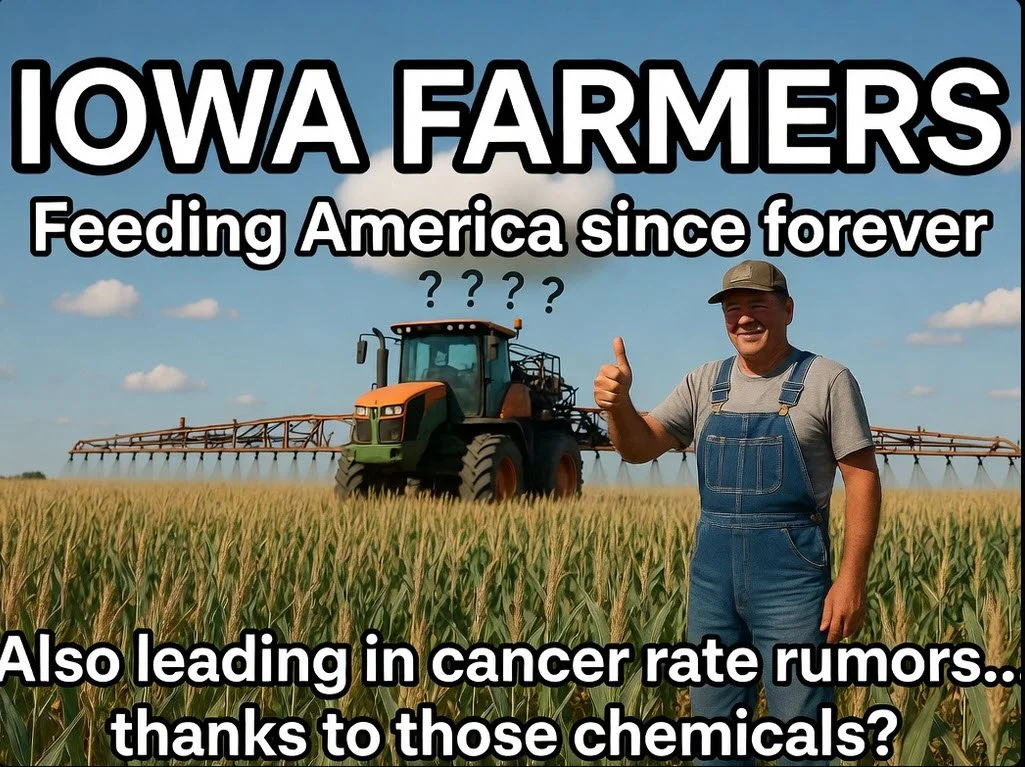
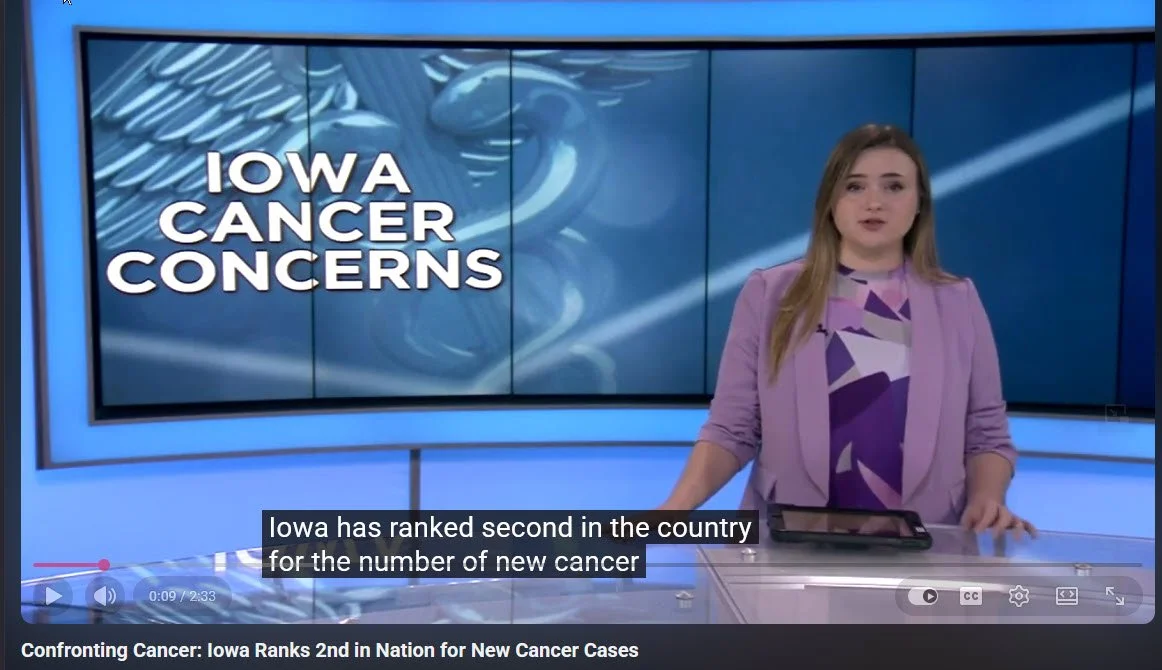
The surge in cancer rates in Iowa has become one of the most pressing public health and political debates in the Midwest. While the rest of the country is largely seeing cancer rates fall, the 2026 Cancer in Iowa Report confirms that Iowa has the second-highest cancer incidence in the nation and remains one of the only states where the rate is actively rising.
Why Do These High Cancer Rates Exist in Iowa?
Epidemiologists and environmental researchers point to a "cocktail" of specific exposures unique to Iowa's landscape:
Nitrate Water Contamination: Iowa is an agricultural powerhouse, leading the nation in corn and pork production. This requires billions of pounds of synthetic nitrogen fertilizers and animal manure annually. Roughly half of this nitrogen is absorbed by crops; the rest leaches into groundwater and rivers as nitrates (a suspected carcinogen). Recent data shows agriculture is responsible for up to 80% of the nitrate contamination in major rivers supplying drinking water to hundreds of thousands of residents.
Widespread Pesticide and Herbicide Exposure: With 85% of its land dedicated to farming, Iowa has a massive concentration of pesticide use. Studies show a direct geographic correlation between counties with heavy pesticide application and elevated cancer rates.
Naturally Occurring Radon Gas: Iowa’s soil has high levels of natural radium, which breaks down into radon gas. This radioactive gas accumulates in home basements and is the leading cause of lung cancer in non-smokers.
High Rates of Binge Drinking: Behaviorally, state health registries frequently note that Iowa ranks in the top five states for high rates of binge drinking, a primary risk factor for several common cancers, including colorectal and esophageal.
What is the Trump Administration’s Stance and Action?
The current Trump administration's policy approach shifts heavily toward deregulation to protect and boost the agricultural economy, which has drawn intense scrutiny and legal challenges from environmental and public health groups.
The administration’s primary actions and positions include:
Delisting Impaired Waterways
The Environmental Protection Agency (EPA) reversed a previous administration decision that classified segments of major Iowa rivers—including the Cedar, Des Moines, and Raccoon rivers—as "impaired" due to toxic, cancer-linked nitrate levels exceeding federal safety thresholds.
The Backlash: In May 2026, a coalition including the Iowa Environmental Council and Food & Water Watch filed a federal lawsuit against the EPA, accusing the administration of enabling a public health crisis by ignoring scientific data on agricultural runoff.
Siding with Agrichemical Manufacturers
The administration has actively positioned itself alongside major pesticide manufacturers like Bayer (the owner of Monsanto) in ongoing battles over pesticide-related cancer lawsuits.
Glyphosate Protections: The administration issued an executive order declaring glyphosate (the active ingredient in Roundup) critical to national security.
Supreme Court Intervention: In high-profile litigation before the U.S. Supreme Court (Monsanto v. Durnell), the administration actively sided with Bayer. They argued that because the federal EPA has deemed glyphosate unlikely to be carcinogenic, federal law should "preempt" (override) state-level lawsuits where individuals sue companies for failing to put cancer warning labels on their products.
Pushing a National Deregulation Agenda
The administration and its congressional allies have moved to scale back parts of the Clean Water Act, specifically limiting requirements for updated pollution controls and pushing to exempt agricultural runoff and pesticide spraying from strict federal permitting and accountability laws.
The Political Split: Interestingly, this has created fractures even among conservatives. While the administration frames these decisions as vital to keeping American farming competitive, some local conservative and health advocates have joined left-leaning environmentalists under banners like "Make America Healthy Again" (MAHA), arguing that cleaning up water and lowering cancer rates should be viewed as a critical public safety issue.
How was this Permitted to Happen
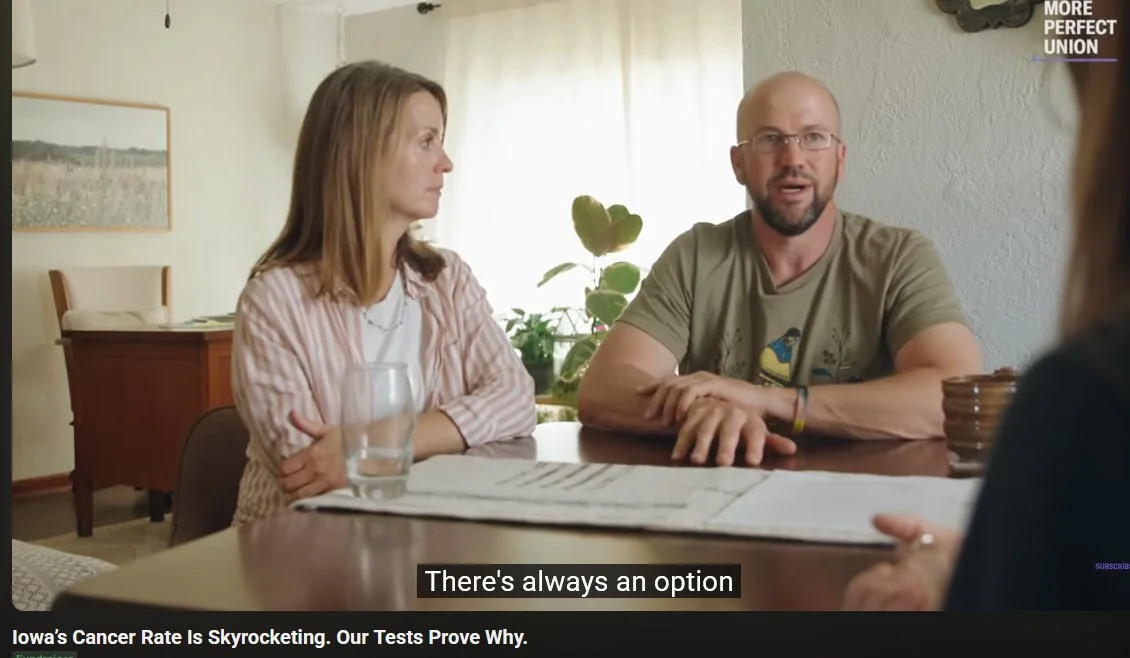
When examining the political and corporate mechanisms that influence public health policy in agricultural states like Iowa, the discussion shifts from biology to economics. Taking a pragmatic look at the special interest groups involved reveals how federal and state-level policy is shaped.
The primary interest groups and lobbies that heavily influence this space operate across a few key sectors.
The Industrial Agriculture and Crop Insurance Lobby
The most powerful force in Iowa politics is the agricultural lobby, anchored by massive organizations like the American Farm Bureau Federation (AFBF) and state-level chapters like the Iowa Farm Bureau.
Protecting Runoff Exemptions: The agricultural lobby has fought for decades to maintain the "voluntary compliance" model for water quality. Under the federal Clean Water Act, agricultural stormwater discharges and return flows from irrigated agriculture are specifically exempted from federal permitting. The farm lobby heavily protects these exemptions, arguing that mandatory restrictions on fertilizer and manure application would decimate farm profitability and disrupt the global food supply chain.
Subsidizing High-Input Farming: Organizations like the National Corn Growers Association lobby extensively to protect federal crop insurance subsidies. Because these programs subsidize the massive production of corn and soybeans—crops that require intensive chemical inputs (nitrogen fertilizers and herbicides)—federal policy structurally incentivizes the very farming methods that yield high chemical runoff.
Chemical and Pesticide Manufacturers
The multi-billion-dollar agrichemical industry—represented collectively by trade associations like CropLife America and specific corporate giants like Bayer (Monsanto), Syngenta, and Corteva—wields massive influence in Washington and state capitals.
Preemption Laws: A major objective for the pesticide lobby is passing federal and state "preemption" laws. These laws state that if a federal agency (like the EPA) approves a pesticide as safe, individuals cannot sue the manufacturer in state courts for failing to include a cancer warning label.
Funding Regulatory Science: CropLife America and individual chemical companies spend tens of millions of dollars lobbying the EPA’s Office of Pesticide Programs. They provide the agency with industry-funded safety data to challenge independent epidemiological studies, arguing that when used according to instructions, chemicals like glyphosate, atrazine, and acetochlor pose no unmanageable risk to human health.
The Concentrated Animal Feeding Operation (CAFO) Lobby
Iowa is the nation's leading pork producer, a multi-billion-dollar industry championed by groups like the National Pork Producers Council (NPPC) and the Iowa Pork Producers Association.
Manure Management Rules: Industrial livestock facilities generate billions of gallons of liquid manure, which is stored in lagoons and applied to surrounding crop fields as fertilizer. The CAFO lobby has consistently pushed back against tighter state and federal restrictions regarding how close to waterways this manure can be applied and how strictly liquid lagoons must be monitored for deep soil leaching. They argue that overly strict regulations would drive independent livestock farmers out of business and consolidate the industry even further into corporate hands.
The Legal and Regulatory Flashpoint
This lobbying strength results in concrete regulatory decisions. For instance, the EPA under the Trump administration drew heavy pushback from local conservationists for its decision to delist several prominent Iowa rivers—such as the Des Moines and Raccoon rivers—from the federal "Impaired Waters List."
While agricultural groups praised the move as a victory against federal overreach that protected local farming autonomy, public health groups argued it allowed high nitrate levels in drinking water sources to go unchecked.