Woke 1.0 to Woke 2.0 - Where Are We Going?
Segment #1010
Democrats’ “Woke 1” is getting crushed by a new socialist insurgency; the so called "woke 2." Meanwhile the media runs cover for an Democrat led Alaska election scheme and the fight over America’s AI and data center future heats up.
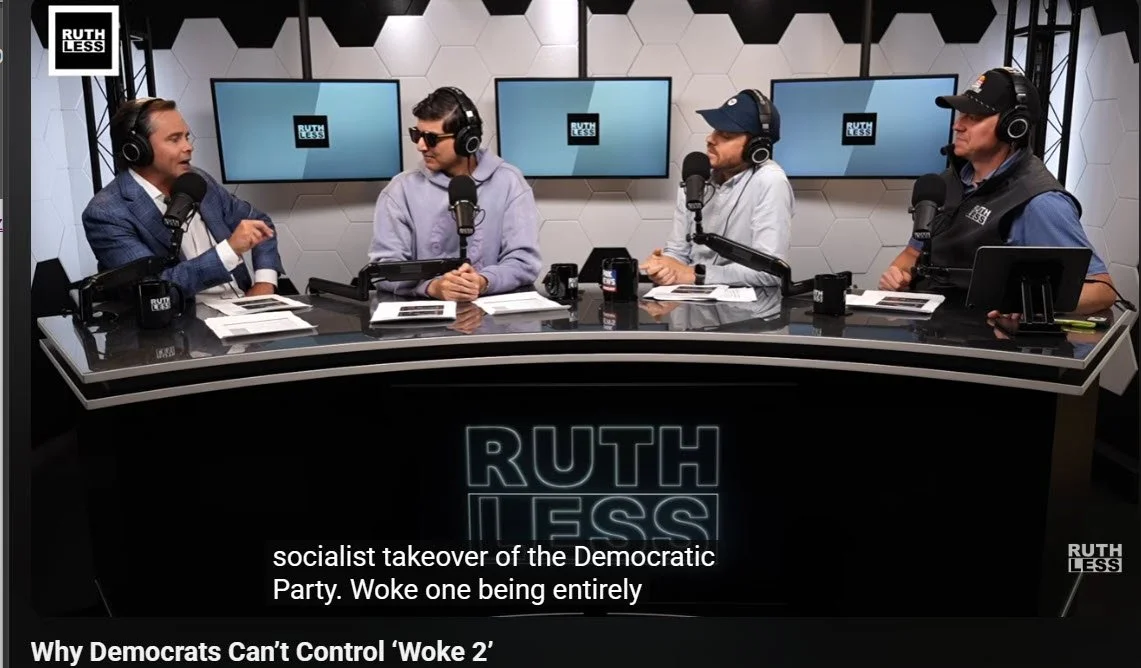
The Realization of Political Damage ("Woke 1 Was a Disaster")
When prominent progressives use phrases like "Woke 1 was crazy," conservatives view it as an acknowledgment that the aggressive cultural campaigns of the early 2020s—such as corporate diversity mandates, strict language policing, and symbolic gestures—severely alienated mainstream voters. From the conservative viewpoint, the left overplayed its hand, and terms like "Woke 1" are an attempt to sweep those unpopular extremes under the rug without actually abandoning core progressive goals.
A Shift in Tactics, Not Underlying Beliefs ("Woke 2" as Rebranding)
Conservatives generally argue that "Woke 2"—which attempts to pivot away from hyper-fixations on niche identity politics toward broad class consciousness and economic populism—is merely a cosmetic rebrand. The core criticism is that whether the left is focusing on cultural grievances (Woke 1) or systemic economic grievances (Woke 2), the underlying framework remains rooted in a worldview that divides society into permanent groups of "oppressors" and "oppressed."
Concerns Over Institutional Capture
While "Woke 2" attempts to distance itself from the awkward conversational policing of the pandemic era, conservatives point out that the ideological changes made during "Woke 1" have already become deeply entrenched in major American institutions, including:
Higher Education: Curricula and administrative departments that prioritize identity-based frameworks.
Corporate Boardrooms: Environmental, Social, and Governance (ESG) criteria and Diversity, Equity, and Inclusion (DEI) bureaucracies.
Federal and State Agencies: Institutional policies that conservative lawmakers continue to actively target for defunding or dismantling.
View "Woke 2" not as a change of heart, but as a politically calculated PR strategy designed to make progressive policies more palatable to average voters ahead of elections, while the fundamental institutional shifts of the past decade remain firmly in place.
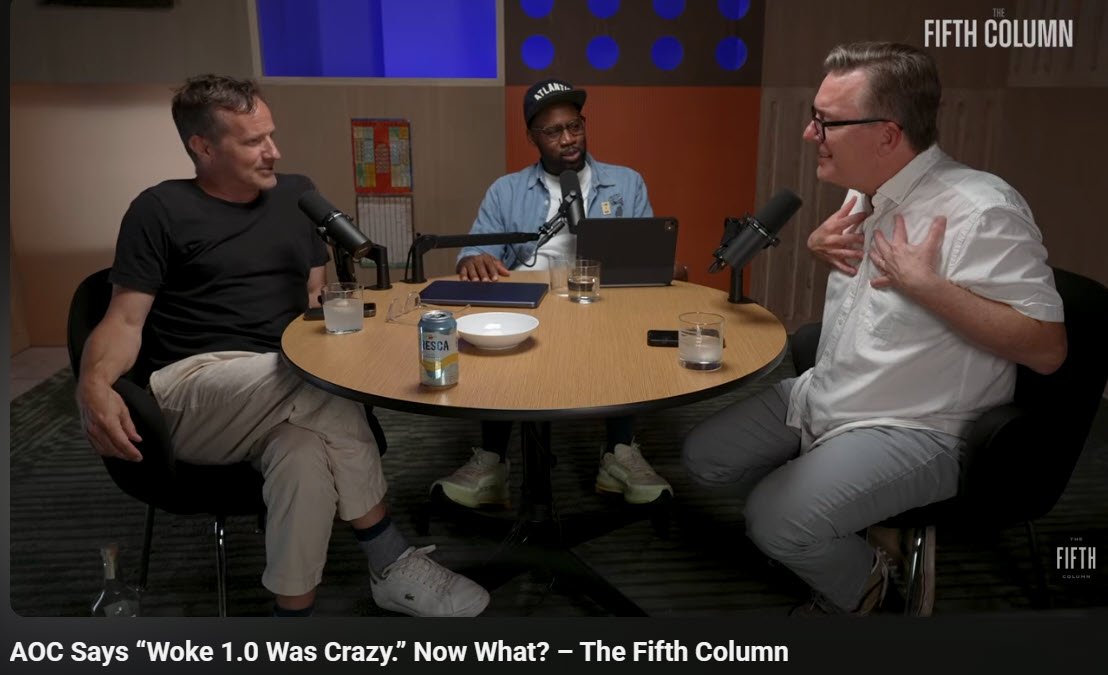
Kmele, Moynihan, and Welch take on AOC’s attempt to explain “Woke 1.0,” Hasan Piker and Mao, the DSA, Jason Arday, Francesca Hong, and the politics of suddenly distancing yourself from things you once supported. Plus Tucker and Hunter Biden, Shane Gillis, Mamdani, Thom Tillis, the 2028 Democratic field, and a round of Clip Roulette.
DSA Progressives Change the Reality Completely
From a radical left and anti-capitalist perspective, evaluating the transition from "Woke 1" to "Woke 2" reveals a deeply cynical dynamic. Rather than a step forward, critics within these spaces argue that "Woke 2" represents an even more insidious and politically destructive turn.
This comparison captures a major ideological fault line running straight through the modern Democratic Party
While "Woke 1" represented the peak of institutionalized identity politics and cultural signaling from roughly 2018 to 2021, "Woke 3"—often used by critics and political analysts to describe the newest, most assertive wave of progressive activism—pushes those frameworks even further into structural and systemic disruption.
The internal party battle between these two eras highlights several key tensions:
Representation vs. Material Transformation
Woke 1 (The Aesthetic Era): Focused heavily on representation, cultural visibility, and institutional inclusion. It prioritized symbolic changes, corporate diversity initiatives, inclusive language guidelines, and ensuring that marginalized groups held visible spaces in media and corporate leadership.
Woke 2 (The Systemic Overhaul): Rejects what it views as the superficial, corporate co-optation of Woke 1. Proponents of Woke 2 argue that corporate board diversity or token representation mean nothing without deep, structural redistribution of wealth, radical criminal justice reform, and dismantling foundational American systems.
Institutional Reform vs. Direct Confrontation
Woke 1: Worked largely within existing liberal institutions (universities, mainstream media, corporate HR departments, and established democratic structures) to change policy and culture from the inside out through compliance and sensitivity training.
Woke 2: Often displays a deep distrust of those very institutions, viewing traditional liberal incrementalism as complicit in systemic harms. It favors direct, disruptive mass movements and legislative demands that challenge the status quo, often creating friction with older, more moderate establishment Democrats who prefer safety and gradualism.
The Electoral Dilemma for the Party
This split creates a high-stakes strategic dilemma for the Democratic Party:
The Moderate Warning: Mainstream and moderate Democrats argue that both hyper-visible cultural crusades and aggressive structural rhetoric alienate working-class and swing voters, handing Republicans easy cultural ammunition.
The Progressive Push: The newer wave counters that watering down their message or abandoning core principles of social and economic justice dampens enthusiasm among young and diverse base voters, stripping the party of its moral clarity and urgency.