What the Somalis Might Have Done to MN
Segment 759
The allegation of 9 billion in welfare fraud in Minnesota is in itself stunning. But is this the real story? While citizens are protesting ICE in the streets, we are distracted from the very real suffering from American citizens that legitimately need these services. Why is this not being covered? Why are we not seeing outrage as Somalis were taking a million dollars in cash for decades through TSA at the Minneapolis St. Paul airport while nobody did a thing. Get real lefties the real criminals domestic and abroad are playing you as fools. Prove Me Wrong.
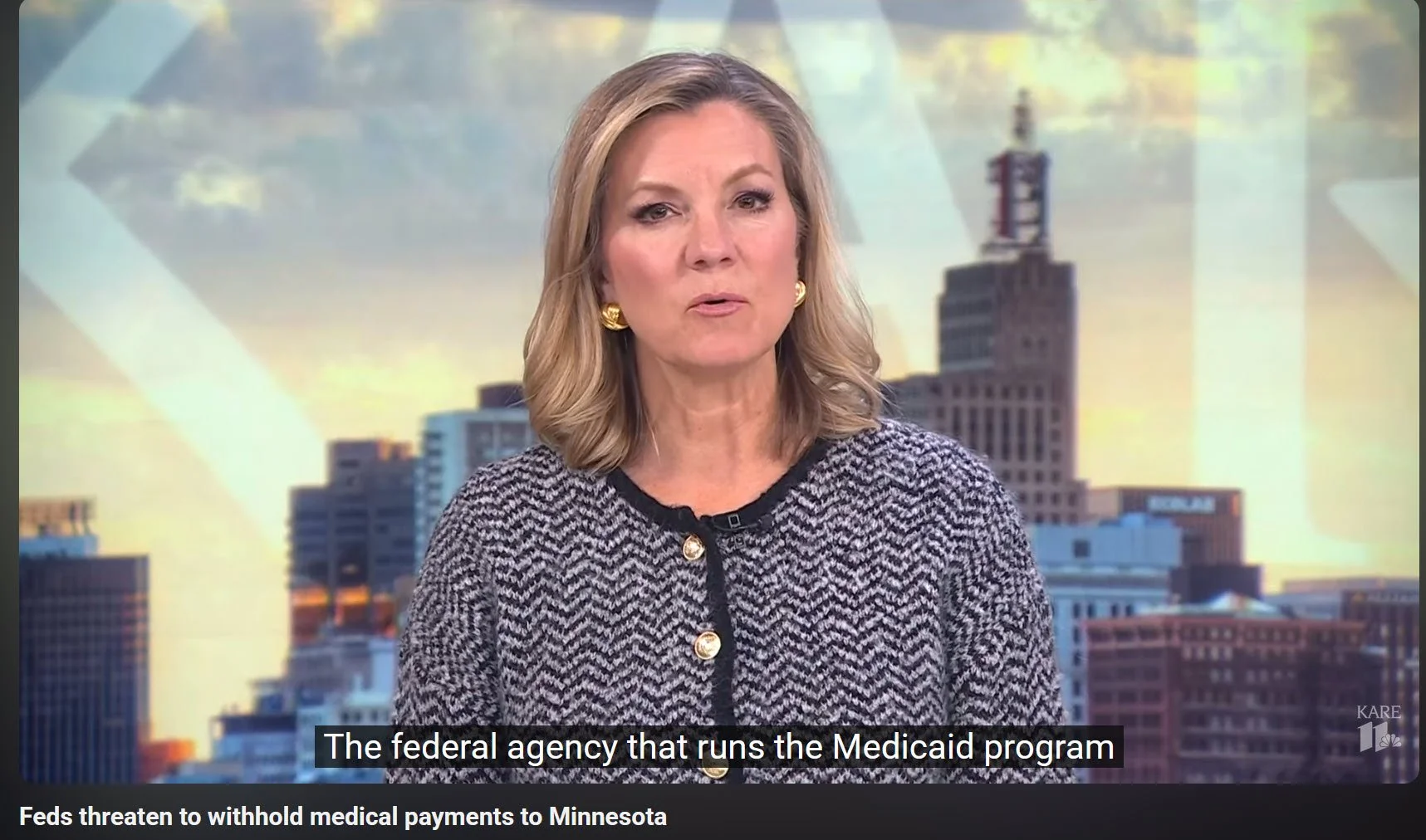
Centers for Medicare and Medicaid Services is threatening to withhold payments to Minnesota programs unless the state addresses alleged fraud.
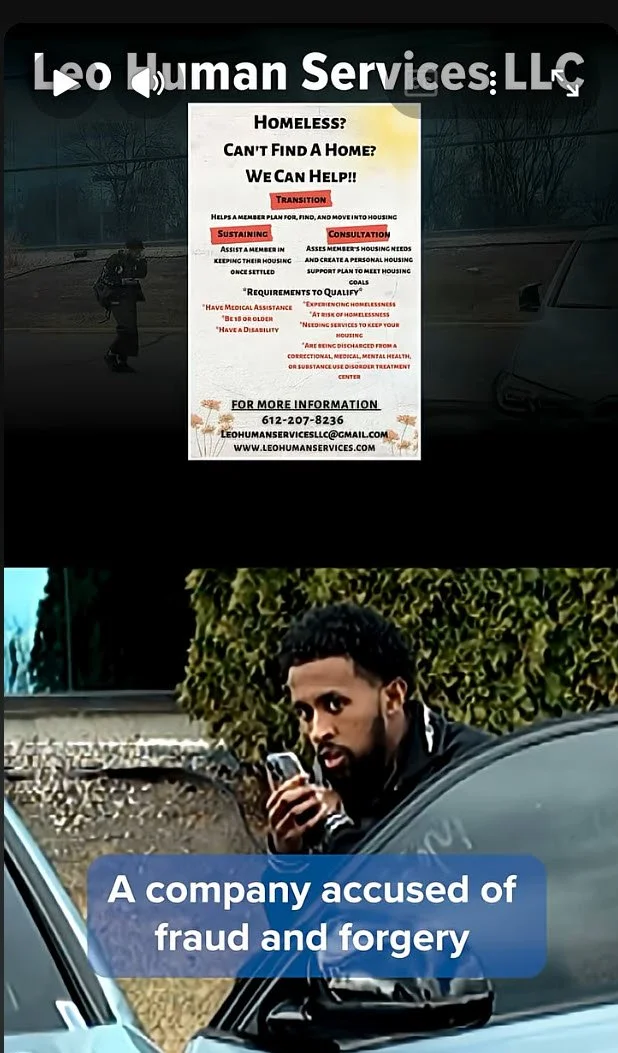
Got it! If we're speculating about the consequences of a disruption of welfare services in Minnesota, particularly if it's due to fraud or some other major systemic breakdown, there could be some severe impacts, especially on vulnerable populations. However, estimating specific deaths directly linked to such a disruption would be complex because it depends on a variety of factors.
Here are some potential consequences of such a disruption:
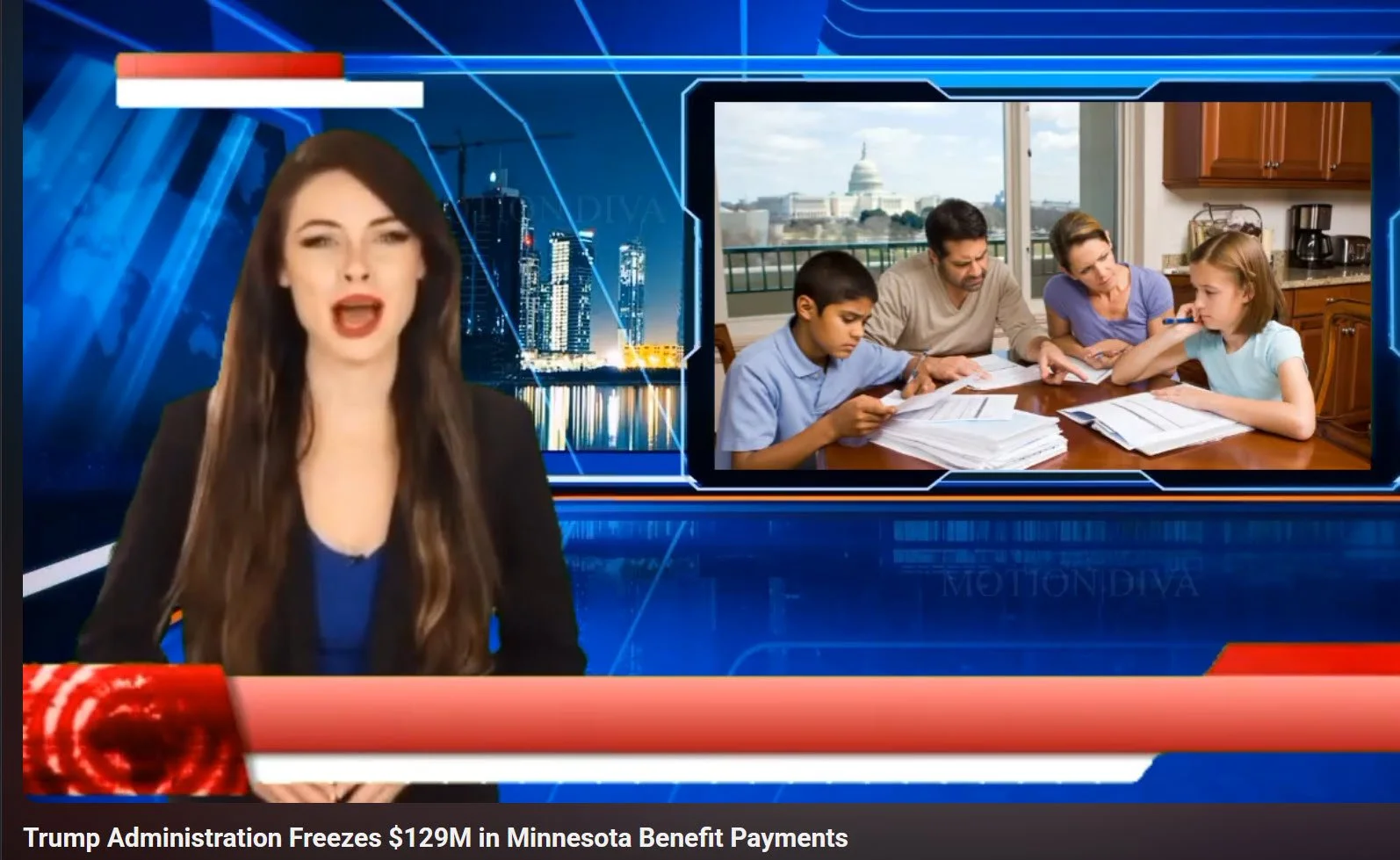
The Trump administration has suspended $129 million in benefit payments to Minnesota, citing concerns over fraud and oversight. State leaders warn the move could harm vulnerable residents. We explain what happened, why it matters, and the growing federal-state power clash behind the decision.
Increased Hunger and Malnutrition:
People who rely on welfare programs like SNAP (Supplemental Nutrition Assistance Program) might face food insecurity if those services are interrupted. Long-term food insecurity can lead to malnutrition, which can increase the risk of chronic diseases and even death, especially among children, the elderly, and people with disabilities.
Health Care Access:
Welfare programs often include Medicaid or other forms of health coverage. Without that access, people could miss out on critical health care, leading to untreated conditions that might result in death. For example, untreated heart disease, diabetes, or mental health issues can become life-threatening.
Homelessness:
Welfare programs also provide housing assistance, which helps keep families in stable living conditions. A disruption could lead to increased homelessness, which directly correlates with higher mortality rates due to exposure to the elements, lack of medical care, and unsafe living conditions.
Mental Health:
Economic and social insecurity often leads to higher rates of mental health issues, including depression, anxiety, and even suicide. A disruption of welfare services could exacerbate these issues and lead to tragic outcomes for individuals who are already in precarious positions.
Impact on Vulnerable Populations:
Certain groups, such as the elderly, disabled, and children, are particularly dependent on welfare services. If these services were taken away, the risk to their survival would increase dramatically, especially if they have complex medical needs or no other support systems.
Increased Poverty and Crime:
If people can’t access welfare services, they may turn to alternative means of survival, which could include crime or other risky behaviors that may increase the risk of injury or death. Increased poverty often leads to higher crime rates, substance abuse, and violence, all of which can contribute to higher mortality rates.
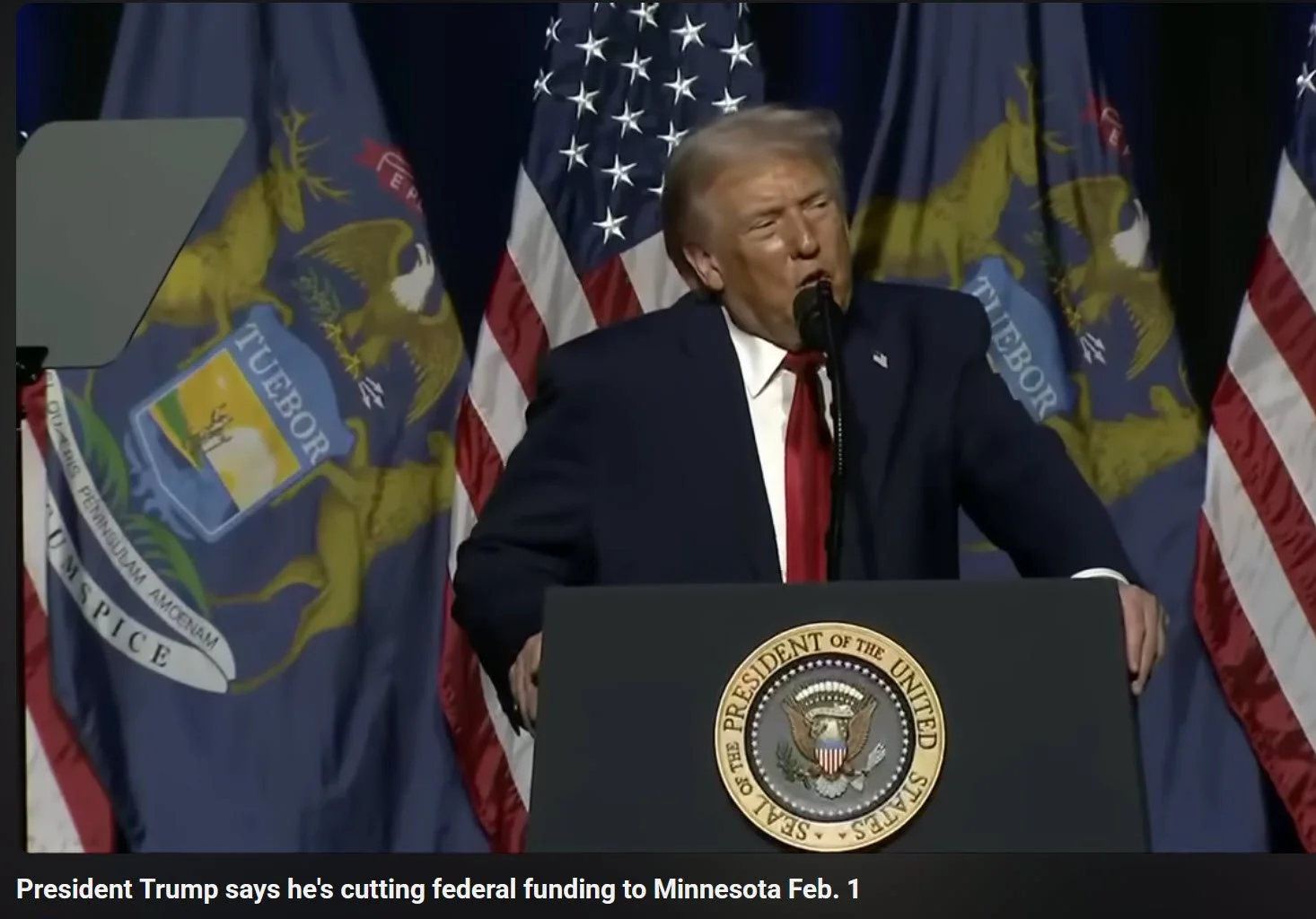
President Donald Trump said Tuesday the federal government is stopping all payments to sanctuary cities and states, including Minnesota, starting Feb. 1, in an effort to stop widespread fraud and crime.
Estimating Numbers
While it's difficult to quantify the exact number of deaths without a specific study or model, the consequences could be substantial. National studies have shown that disruptions to social safety nets can have significant health consequences. For instance, research has shown that reductions in welfare benefits in other states have been linked to higher mortality rates, particularly among low-income populations.
One thing to consider is that the Causal Pathways between welfare disruption and death would be indirect, with death occurring due to the compounded effects of loss of income, food insecurity, lack of medical care, and other socioeconomic stresses. But it’s not a linear or easily quantifiable relationship.
In short, the potential consequences would be severe, especially for those already living on the margins of society, but it would take more detailed data and modeling to estimate how many people might die directly as a result of such a disruption.