What Is a Dirtbag?
Segment #835
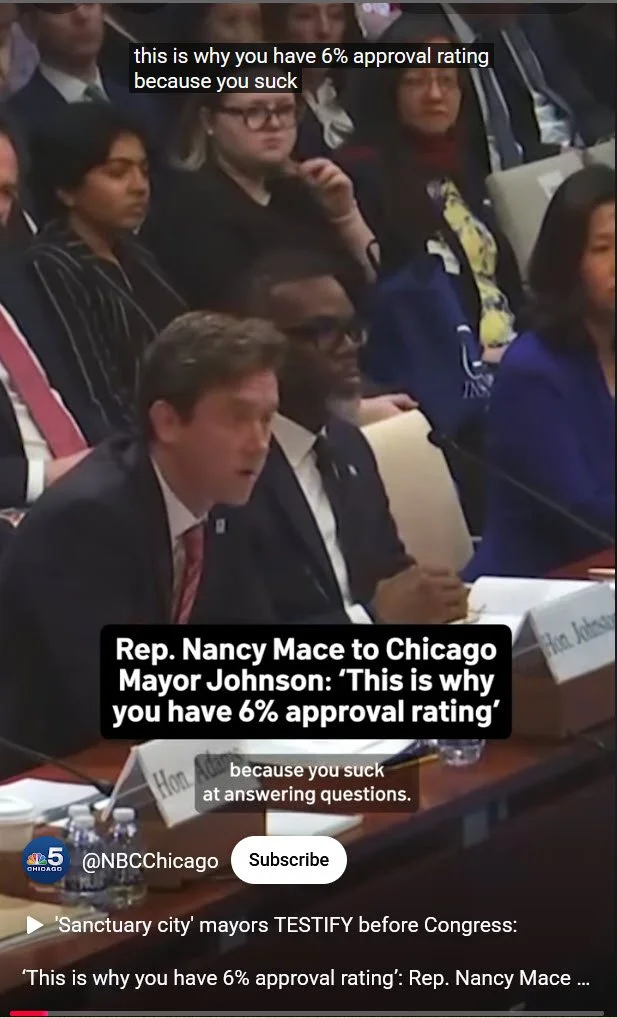
Brandon Johnson has acted as a one-man wrecking ball, systematically dismantling Chicago’s political and economic foundations. His leadership has been a masterclass in failure, with approval ratings cratering into the single digits and rarely surfacing above 20%—a clear mandate of rejection from a city in free-fall.
Rather than serving the people who elected him, Johnson has displayed a staggering lack of compassion for Chicago’s minority communities and a blatant hostility toward the essential tax base that funds the city's very survival. By prioritizing the interests of illegal aliens over the safety and prosperity of tax-paying citizens, he has effectively abdicated his oath of office. Johnson stands as the ultimate personification of the far-left progressive rot that hollows out great American cities, leaving behind a trail of fiscal ruin and broken lives.
BIO
Brandon Johnson (born March 27, 1976, in Elgin, Illinois) has served as the 57th Mayor of Chicago since May 15, 2023. A member of the Democratic Party, he is a former educator and union organizer known for his progressive political stance.
Early Life and Education
Background: Raised in Elgin, Illinois, he is the sixth of ten children born to Andrew and Wilma Jean Johnson. His father was a pastor, which Johnson has credited for developing his skills in public speaking and community engagement.
Education: He earned a bachelor’s degree in human services/youth development and a master’s degree in teaching from Aurora University.
Career Prior to Mayoralty
Educator: Johnson began his career as a teacher in the Chicago Public Schools system, working at Jenner Academy and later at George Westinghouse College Prep. His experiences in the classroom—witnessing the impacts of poverty and violence on students—shaped his perspective on policy and community needs.
Organizer: He became a prominent organizer with the Chicago Teachers Union (CTU), playing a key role in campaigns regarding school funding, standardized testing, and resisting school privatization.
Cook County Board of Commissioners: In 2018, he was elected to represent the 1st District on the Cook County Board of Commissioners. During his tenure (2018–2023), he focused on issues such as the "Just Housing Ordinance" (prohibiting housing discrimination against formerly incarcerated individuals), securing legal aid for immigrants facing deportation, and advocating for the "Budget for Black Lives."
Mayoral Administration
Election: Johnson won the 2023 mayoral election in a runoff against Paul Vallas, succeeding Lori Lightfoot.
Key Policy Focuses: His administration has prioritized investments in mental health services, affordable housing, and youth employment. He has often emphasized addressing the root causes of crime and poverty through systemic investment.
Administration Challenges & Projects: His term has included navigating complex city issues, such as the arrival of migrants, budget negotiations, and public school oversight. As of March 2026, his administration continues to focus on initiatives like the "Repair Chicago" engagement series and infrastructure developments.
Johnson resides in the Austin community of Chicago with his wife, Stacie Rencher, and their three children.
Mayor Johnson - His Record
1. Fiscal Irresponsibility and "Tax Hostility"
Conservative analysts, including groups like the Illinois Policy Institute, argue that Johnson’s 2026 budget is a "pay later" doom cycle that relies on one-time gimmicks and burdensome taxes on growth.
The "Anti-Business" Agenda: Critics point to the attempt to pass a Corporate Head Tax ($33 per employee) as a direct assault on job creators. While the City Council ultimately blocked this, the fallback—raising the Cloud Computing Tax to 15%—is viewed as a penalty on the very "Big Tech" and AI industries Chicago needs to attract.
Raiding TIF Funds: Johnson has used record amounts of Tax Increment Financing (TIF) surpluses (over $1 billion) to cover operational gaps. Conservatives argue these funds were intended for long-term neighborhood infrastructure, and using them for daily expenses "kicks the can down the road" without addressing the city’s $35 billion in unfunded pension liabilities.
The "Mansion Tax" Fallout: The "Bring Chicago Home" real estate transfer tax is criticized for depressing the commercial real estate market at a time when office vacancies are at historic highs, further shrinking the city's future tax base.
2. The "CTU Proxy" Presidency
A central conservative pillar of criticism is that Johnson—a former CTU organizer—governs more as a union advocate than a mayor.
CPS Budget Crisis: Critics like Paul Vallas argue Johnson’s refusal to allow "right-sizing" of under-enrolled schools (some at 12% capacity) is a handout to the CTU. The decision to fund Chicago Public Schools (CPS) through high-interest borrowing and TIF sweeps, rather than structural reform, is seen as a betrayal of taxpayers.
Personnel Instability: The mass resignation of the School Board and the firing of the CPS CEO (who opposed high-interest loans) are viewed as evidence of a "loyalty-first" administration that prioritizes union demands over fiscal sanity.
3. Public Safety: "Social Work over Policing"
Crime Under Johnson
Approach to Crime and Public Safety
Mayor Johnson has framed his approach to public safety as a holistic strategy that balances traditional law enforcement with investments in the "root causes" of crime. Key elements of his policy include:
Holistic Investment: His platform emphasizes investing in youth employment (such as the "One Summer Chicago" program), mental health services, and community violence intervention (CVI) programs. The administration has frequently cited partnerships with community-based organizations to de-escalate violence and address trauma.
Police Operations: While his campaign involved debates regarding police funding, he has stated he does not intend to cut the police budget. His administration has focused on training and promoting additional detectives to improve murder clearance rates and handle cases involving illegal firearms.
"Take Back the Block": This initiative is a cross-departmental effort aimed at increasing the city’s presence in specific neighborhoods to provide resources, infrastructure improvements, and foster community engagement alongside traditional policing efforts.
Accountability and Oversight: The administration has emphasized constitutional policing, including mandates for officer identification, the use of body-worn cameras, and policies restricting certain types of law enforcement interactions.
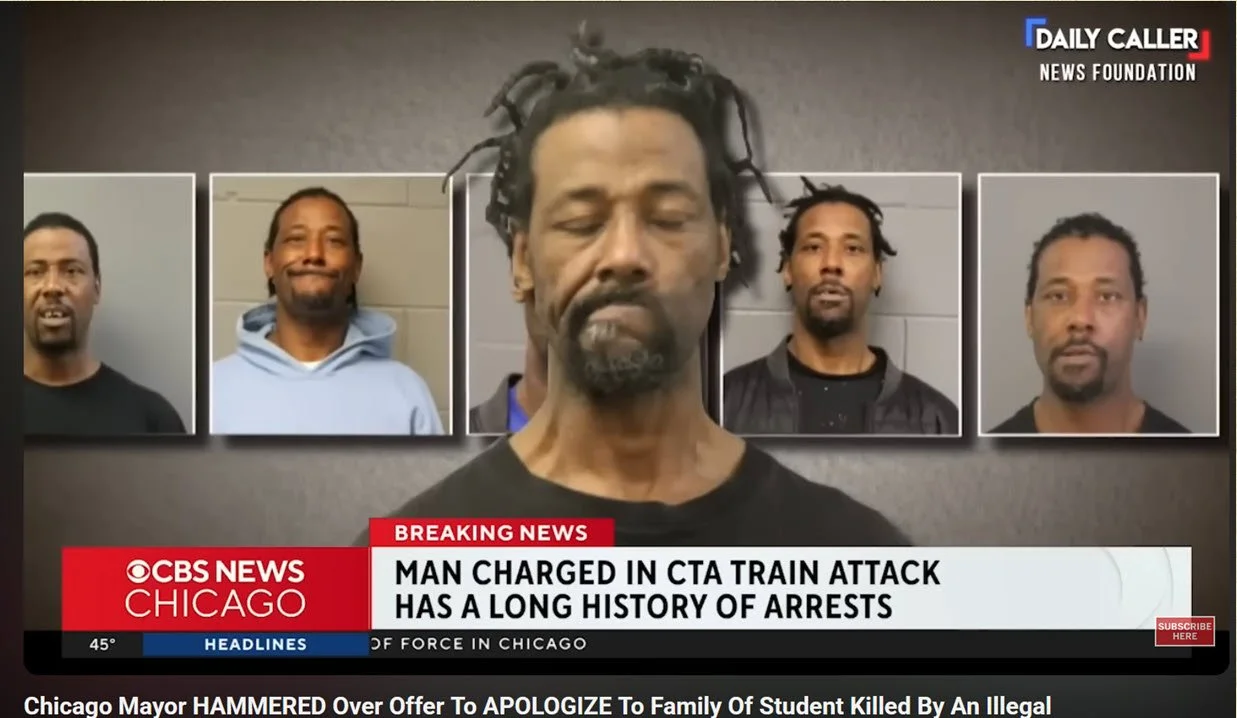
Security Detail and Costs
The size and cost of the mayor's personal security detail have been points of contention, particularly in political media.
Reported Figures: Recent reports, including some from political commentary outlets, have cited claims that the mayor’s personal armed security detail involves up to 150 Chicago Police Department officers at an estimated annual cost of approximately $30 million.
Context: These figures have often been raised by critics who contrast the scale of the mayor's personal security with his administration's support for restrictive gun control policies and broader public safety strategies. The size and necessity of a mayoral security detail for a major city executive remain a subject of ongoing public debate regarding threat levels and taxpayer expenditure.l.
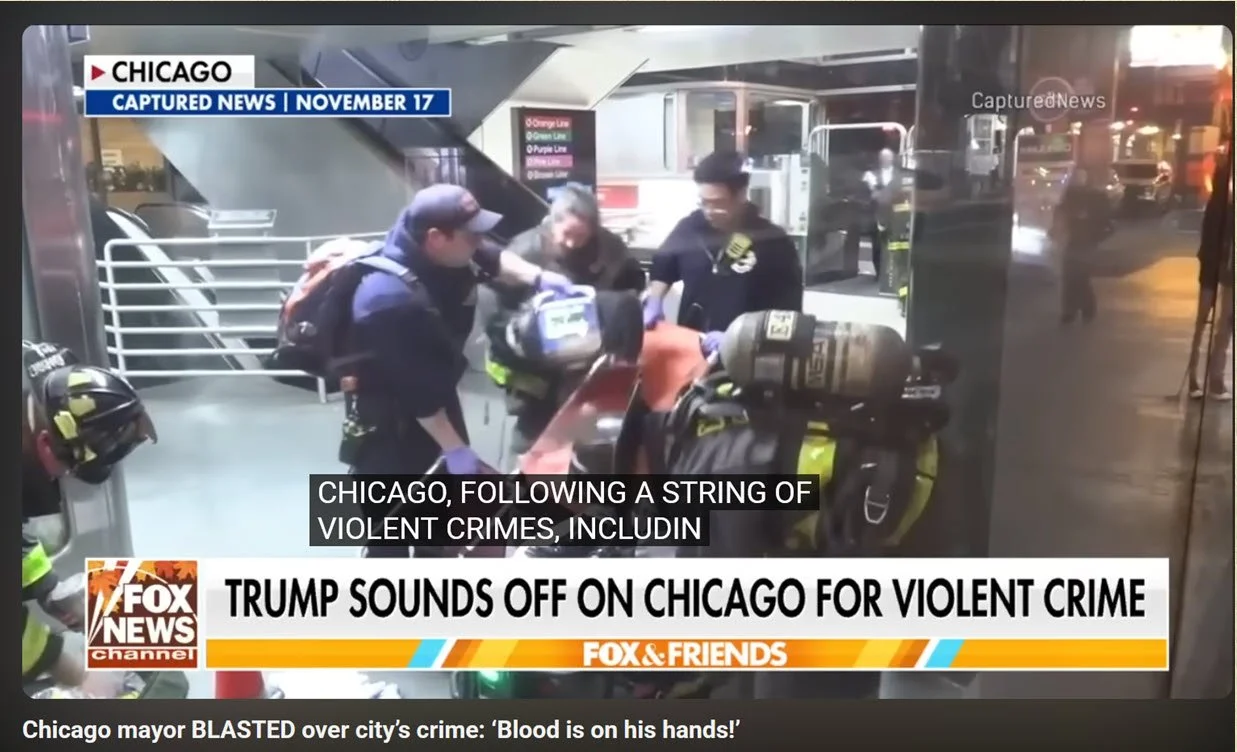
While the administration touts a drop in 2025 crime stats, conservative critics remain skeptical of the methodology and the long-term strategy.
Defunding by Attrition: Critics argue that while the "defund the police" label is politically avoided, the administration has effectively done so by eliminating hundreds of vacant positions and cutting over $90 million from the police budget.
Root Cause Fallacy: The "Treatment Not Trauma" initiative is criticized for diverting resources away from active enforcement and toward social programs that have yet to show a measurable impact on the violent carjackings and retail theft that plague downtown commerce.
4. The Migrant Crisis and Federal Defiance
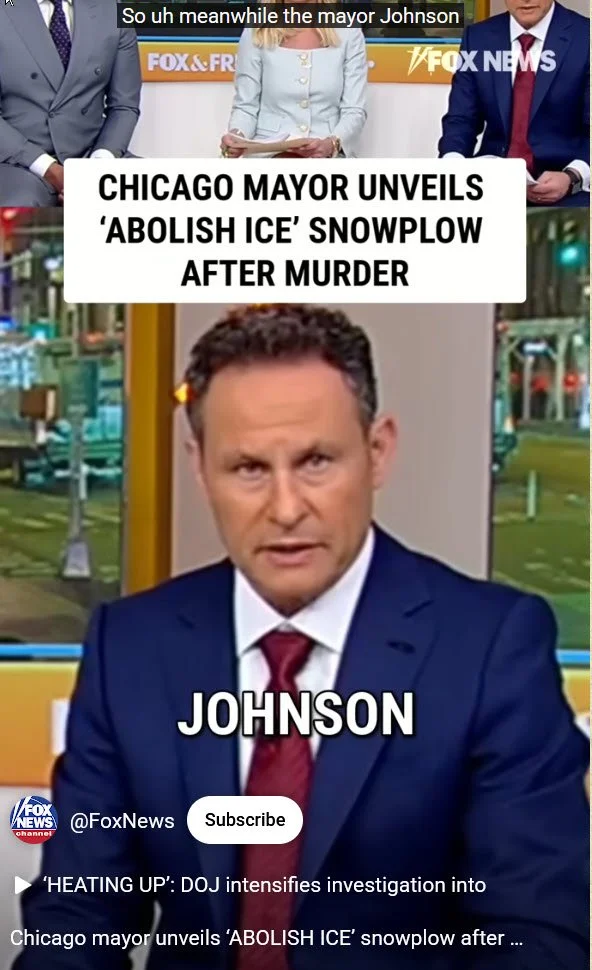
Johnson’s stance on Chicago as a "Sanctuary City" is a major point of conservative contention, especially given the current federal administration's shift in immigration policy.
Misplaced Priorities: Conservatives argue Johnson has spent hundreds of millions on housing and services for non-citizens while "neglecting" the needs of long-standing residents in South and West Side neighborhoods.
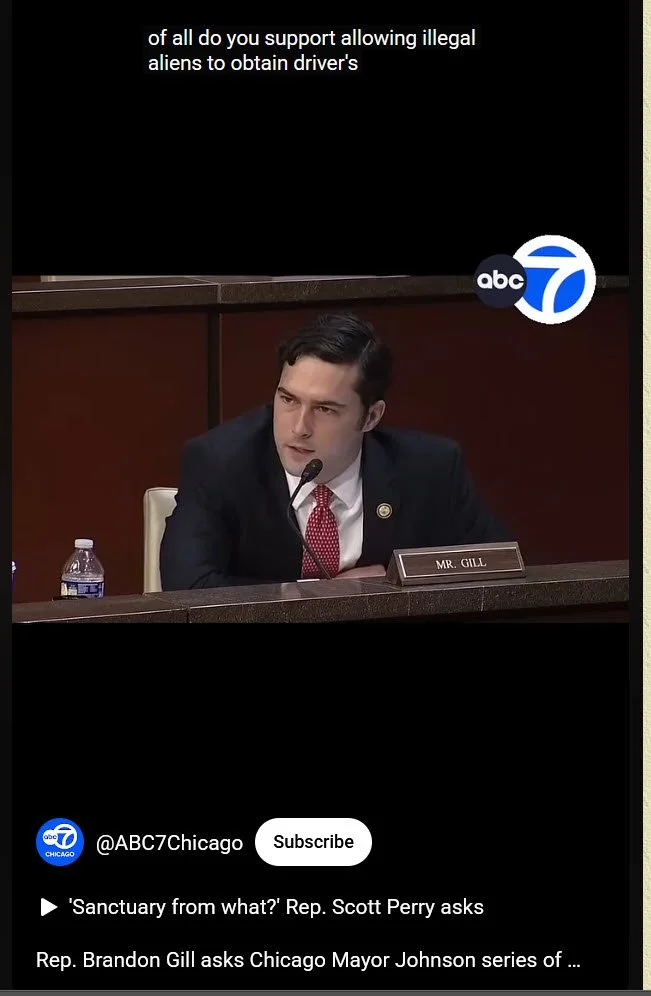
The "ICE on Notice" Order: His executive order investigating federal agents is seen as a performative and unconstitutional obstruction of federal law that wastes city legal resources and endangers public safety by shielding criminal elements.
Corruption
Mar 23, 2026
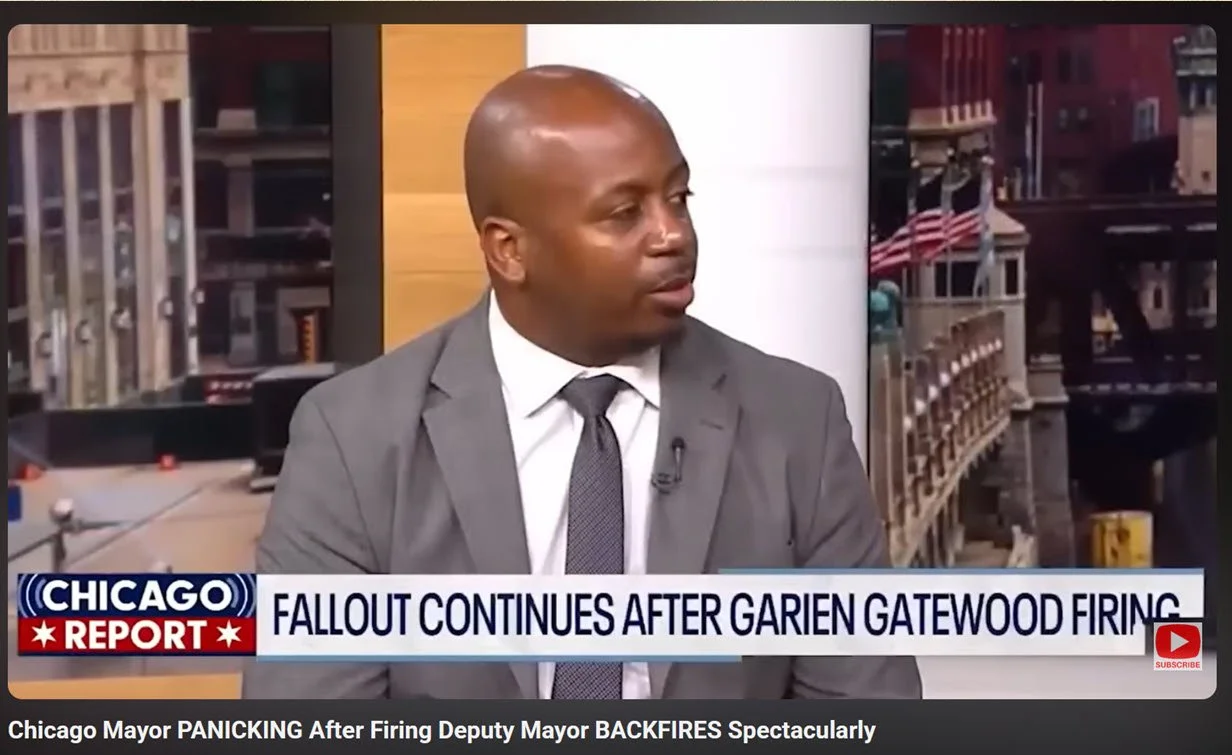
Chicago Mayor Brandon Johnson just fired Deputy Mayor Garien Gatewood — the man he personally credited with helping drive Chicago's murder rate to a 60-year low. No explanation. No warning. Just "we're going in a different direction." But when you look at who delivered that message, things get real ugly real fast. Gatewood was terminated by Chief of Staff Cristina Pacione-Zayas and senior advisor Jason Lee — the same Jason Lee that Chicago Inspector General Deborah Witzburg recommended be fired and placed on a do-not-hire list for refusing to cooperate with an investigation into an alleged quid pro quo with Alderman Bill Conway. Johnson refused to fire Lee. But the man who brought homicides down from 617 to 416? Gone in an afternoon. Gatewood didn't go quietly. In his first interview after being fired, he said there's a culture on the 5th floor of City Hall where holding people accountable makes you a target — and that he's not the first person to say it. More than 20 aldermen signed a letter condemning the firing. Faith leaders are questioning whether the administration even has a public safety plan heading into summer. And a former city official filed a whistleblower lawsuit the same week alleging she was fired for cooperating with an Inspector General investigation. Meanwhile, Brandon Johnson's approval rating sits at 6.6% — the lowest in modern Chicago mayoral history. Nearly 80% of Chicagoans view him unfavorably. Only 8% said they'd reelect him. This isn't a personnel decision. This is a pattern. CPS board resignations. Pedro Martinez pushed out. Ronnie Reese kept on for months despite harassment complaints. Senior staff turnover across the administration. And now the man who actually delivered results — escorted out the building. We find the receipts. We keep the pressure on. We stay hungry.
While Mayor Brandon Johnson of Chicago has not been personally indicted for corruption, his administration has faced several significant ethics-related accusations and investigations involving senior aides and hiring practices.
The most notable allegations include:
1. Investigation into Senior Advisor Jason Lee
The Chicago Office of Inspector General (OIG) recommended the firing of Jason Lee, one of the Mayor's most senior advisors, in late 2025.
The Allegation: 34th Ward Alderman Bill Conway alleged that Lee attempted a "services-for-vote" exchange. Specifically, Conway claimed Lee suggested the city would help remove problematic homeless encampments in his ward only if Conway voted for the Mayor's key legislative initiatives.
The Outcome: The OIG found that Lee failed to cooperate with the investigation. While they couldn't definitively prove the "quid pro quo" due to that lack of cooperation, they recommended his termination for violating city personnel rules. Mayor Johnson rejected this recommendation and has kept Lee on the payroll.
2. Retaliation and "Hostile Work Environment" Complaints
In March 2026, a major controversy erupted following the firing of two top public safety officials, Garien Gatewood (Deputy Mayor for Community Safety) and Manny Whitfield.
The Allegation: It was revealed that both men had filed a formal complaint with the Inspector General five months prior to being fired, alleging a "hostile work environment" created by senior leadership. Whitfield publicly stated he believes their firing was retaliation for trying to hold other employees accountable for performance.
Johnson’s Response: The Mayor has denied knowing about the IG complaint before the firings, stating the administration was simply "moving in a different direction."
3. Department of Justice (DOJ) Inquiry into Hiring
In May 2025, the U.S. Department of Justice sent a letter notifying Mayor Johnson that they were opening an investigation into the City of Chicago's hiring practices. While the full scope of this inquiry is still developing, such investigations typically focus on whether political favoritism or discriminatory practices are influencing city employment.
4. Complaints Against Former Communications Director
In late 2024, documents revealed multiple complaints against former Communications Director Ronnie Reese.
The Allegation: Employees alleged misconduct including racial comments and the creation of an environment where senior staff felt "untouchable" and immune to discipline.