What Does Elon Really Want?
Segment #729
Understanding the basic common sense approach of what Musk was doing with DOGE only becomes shocking when you measure the intensity of his opposition that included everything from death threats to burning his companies. As the military says.. you know you are over the target when the flak gives heavy. Check out the basic changes below and you will begin to understand for corrupt our government really is. So the DOGE intensity might shift to the States. With newly discovered cheating in Minnesota (potentially 9 billion) and more now in Ohio and California.. the pressure will be on as the midterms approach. Bring it on
Elon Musk's primary goal with the Department of Government Efficiency (DOGE)—and his ongoing focus in late December 2025—centers on exposing and stopping massive systemic fraud in federal spending, which he views as one of the largest drains on taxpayer money.
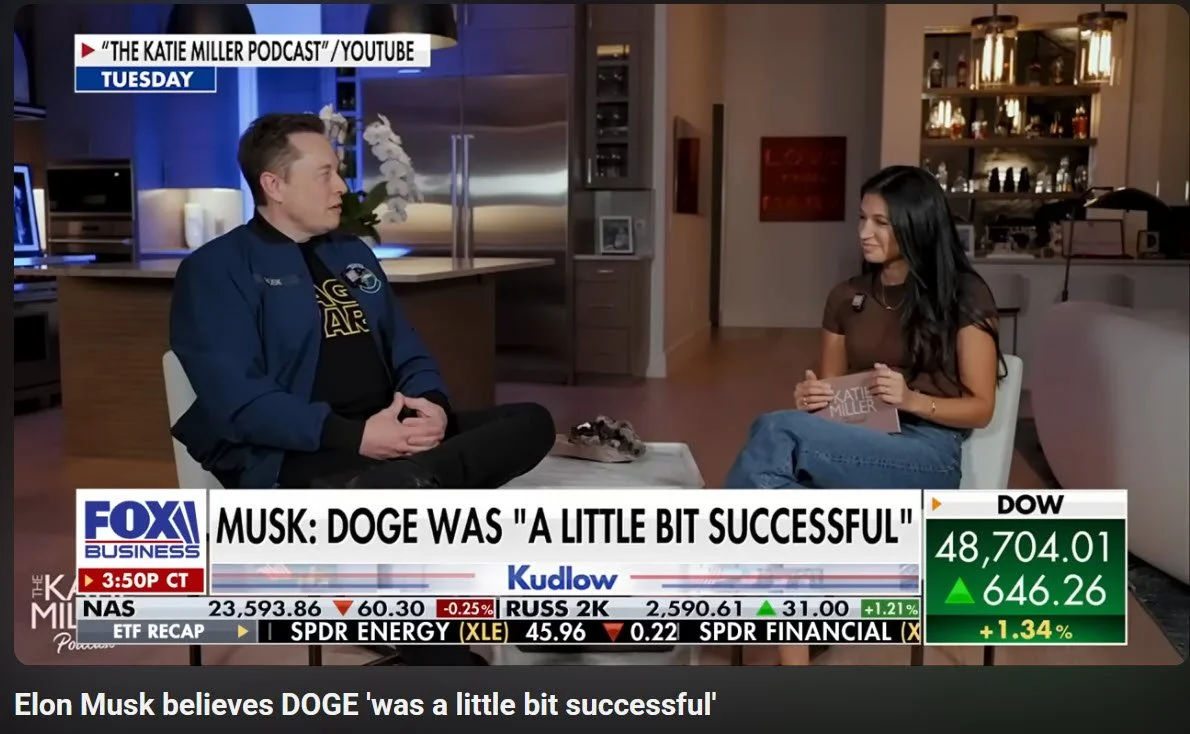
Kudlow' panelists Katie Miller and Hogan Gidley discuss continued action against government waste following Elon Musk's DOGE initiative
Core Motivation
Musk believes fraud is rampant across government programs, estimating it at a minimum of 20% of the federal budget (around $1.5 trillion annually), and likely much higher. He describes it as "brazen, daylight robbery" and "the biggest fraud in history by far," often enabled by lax oversight, block grants to states, and entitlements that attract misuse.
Key Areas of Fraud
He highlights schemes involving:
Fake childcare/daycare centers → Home health care → NGOs → And other programs, particularly in states like Minnesota (e.g., Somali community-related fraud in welfare and health services).
These act as "cash magnets" for improper payments, with little verification required (e.g., no receipts, photos, or basic checks).
Broader Goals
Musk sees stopping fraud as key to broader efficiency:
Reducing unnecessary bureaucracy.
Cutting wasteful expenditures.
Preventing funds from flowing unchecked (e.g., "zombie payments" to deceased or retired recipients).
He argues simple measures—like requiring descriptions, receipts, and proof for disbursements—could eliminate much of it.
Context and Outcomes
Although DOGE (which Musk left in May 2025 after mixed results, including workforce reductions but rising overall spending) had limited long-term impact on total outlays, Musk continues amplifying exposures of specific fraud cases via X. He frames anti-fraud efforts as non-partisan ("fraud is fraud") but criticizes programs that enable it, suggesting some are designed to sustain political support through migrant communities.In short, Musk "really wants" drastic, transparent reforms to plug fraud loopholes, viewing it as essential to saving trillions and restoring accountability—far beyond symbolic cuts.
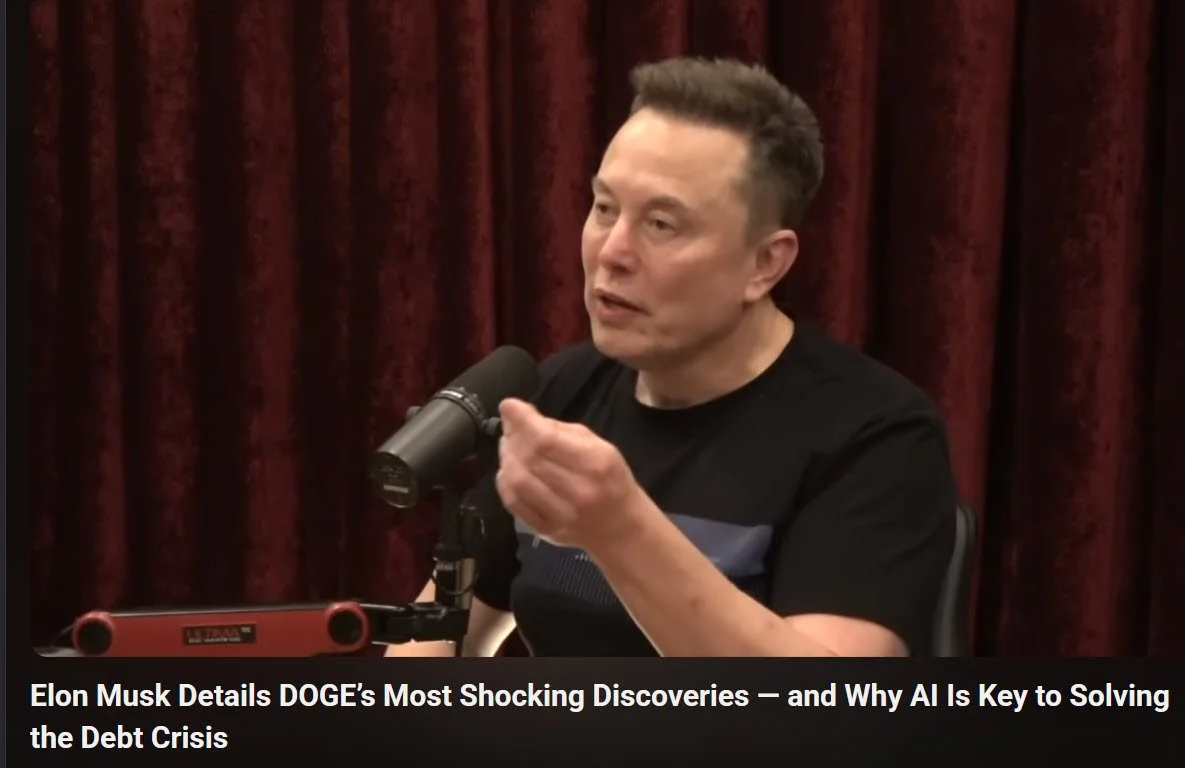
Basic Changes Demanded by Musk But Still not Fully Implemented
Any small business owner or someone managing a household budget would find the following changes pretty basic and in fact outrageous that they still have not been fully implemented.
Key Changes Proposed or Highlighted by Elon Musk and DOGE
The Department of Government Efficiency (DOGE), led primarily by Elon Musk (with initial involvement from Vivek Ramaswamy), focused on identifying and reducing government waste, fraud, and inefficiency. Many proposals centered on modernizing payment systems, improving data verification, and addressing perceived fraud in programs like Social Security. Here are some basic changes they emphasized or pushed for:
Requiring payment categorization codes for all outgoing government payments.
Musk highlighted that many federal payments lacked proper categorization codes, making it difficult to audit spending or ensure compliance with funding laws. DOGE worked with the Treasury Department to mandate these codes on all disbursements, aiming to enable better financial audits and reduce unauthorized or wasteful expenditures.Improved verification and anti-fraud measures in Social Security databases, including addressing anomalous birth dates.
Musk publicly claimed DOGE audits revealed millions of Social Security records with implausibly old ages (e.g., beneficiaries listed as 150–200+ years old or with future birth dates), interpreting this as potential massive fraud. These anomalies were often due to legacy database issues (e.g., missing birth dates defaulting to old reference points in COBOL systems or incomplete death records). DOGE pushed for stricter verification of Social Security numbers, better death reporting integration, and cleanup of outdated records to prevent improper payments. (Note: Experts and SSA officials clarified that actual payments to such ages were rare or nonexistent due to automatic cutoffs at age 115, and fraud rates in Social Security are low, under 1%.)Creation of a "do-not-pay" list and rationale fields for payments.
To combat fraud, DOGE proposed a centralized "do-not-pay" database for entities linked to deceased individuals, known fraudsters, or ineligible recipients. They also advocated adding a "rationale field" to payment records to justify why funds were authorized, increasing transparency and accountability.Access to Treasury payment systems for real-time oversight.
DOGE gained access to Treasury systems handling payments (including Social Security and Medicare) to identify and block suspected fraudulent or wasteful disbursements directly, with estimates of potential weekly savings in the billions from improper payments.
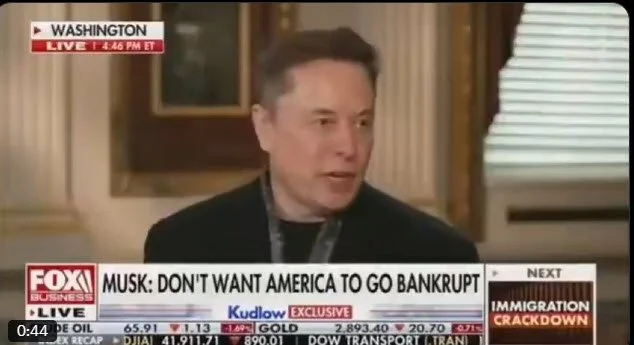
https://x.com/i/status/2004976980291452988
Elon Musk says American Taxpayers pay illegals $700 billion a year in benefits so Democrats can turn them into voters “That is also a mechanism by which the Democrats attract and retain illegal immigrants by essentially paying them to come here and then turning them into voters” “Entitlement spending, most of the federal spending is entitlements. So that's like the big one to eliminate is that's the sort of half trillion, maybe $700 billion a year.” “This is why the Democrats are so upset about the situation because they're losing—you know if, if we turn off this gigantic money magnet for illegal immigrants, then they will leave and they'll lose voters”
Other broader proposals included workforce reductions, contract cancellations, regulation slashes, and technological upgrades (e.g., AI for customer service), but the examples you mentioned align closely with their focus on payment codes and Social Security data verification.These efforts were controversial: supporters viewed them as essential for cutting waste, while critics argued many "fraud" claims were exaggerated or based on data misinterpretations, and that actual savings were limited compared to overall spending. DOGE's work wound down by mid-2025 with mixed results on spending reductions.

DOGE Evolves
DOGE didn’t die — it moved to the states
December 26, 2025
Federal Republicans stalled, but activists and lawmakers in red states like Idaho are reviving the push for real spending cuts and accountability.
The media and conservative pundits may have buried the Department of Government Efficiency, but they have yet to carve a date of death on its tombstone. While DOGE in Washington may have appeared to insiders as a vanity project, voters saw it as a mandate — one that Republicans at the federal level have largely set aside in favor of politics as usual.
But activists have not forgotten. In red states across the country, they are still demanding accountability. And in Idaho, that pressure is finally producing results.
If Idaho can succeed and follow Florida’s lead, there is no serious reason other red states cannot do the same — unless they are prepared to admit they never intended to keep their promises.
For what appears to be the first time, state legislators serving on Idaho’s DOGE Task Force concluded their 2025 work with a meeting that departed from months of cautious, procedural discussion. Members asked harder questions, voiced long-simmering frustrations, and issued a recommendation that could reshape the state’s fiscal future: urging the full legislature to consider repealing Medicaid expansion, a costly policy that has drained taxpayers of millions.
Red states can’t stall forever
Idaho may not be Florida, where Republican Gov. Ron DeSantis’ DOGE-style reforms have produced consistent wins for fiscal sanity and limited government. But it is doing more than other red states, such as North Dakota, where a DOGE committee stacked with Democrats predictably ignored the voters’ mandate.