Summer 2026 Will be Long, Hot, and Violent
Segment #920
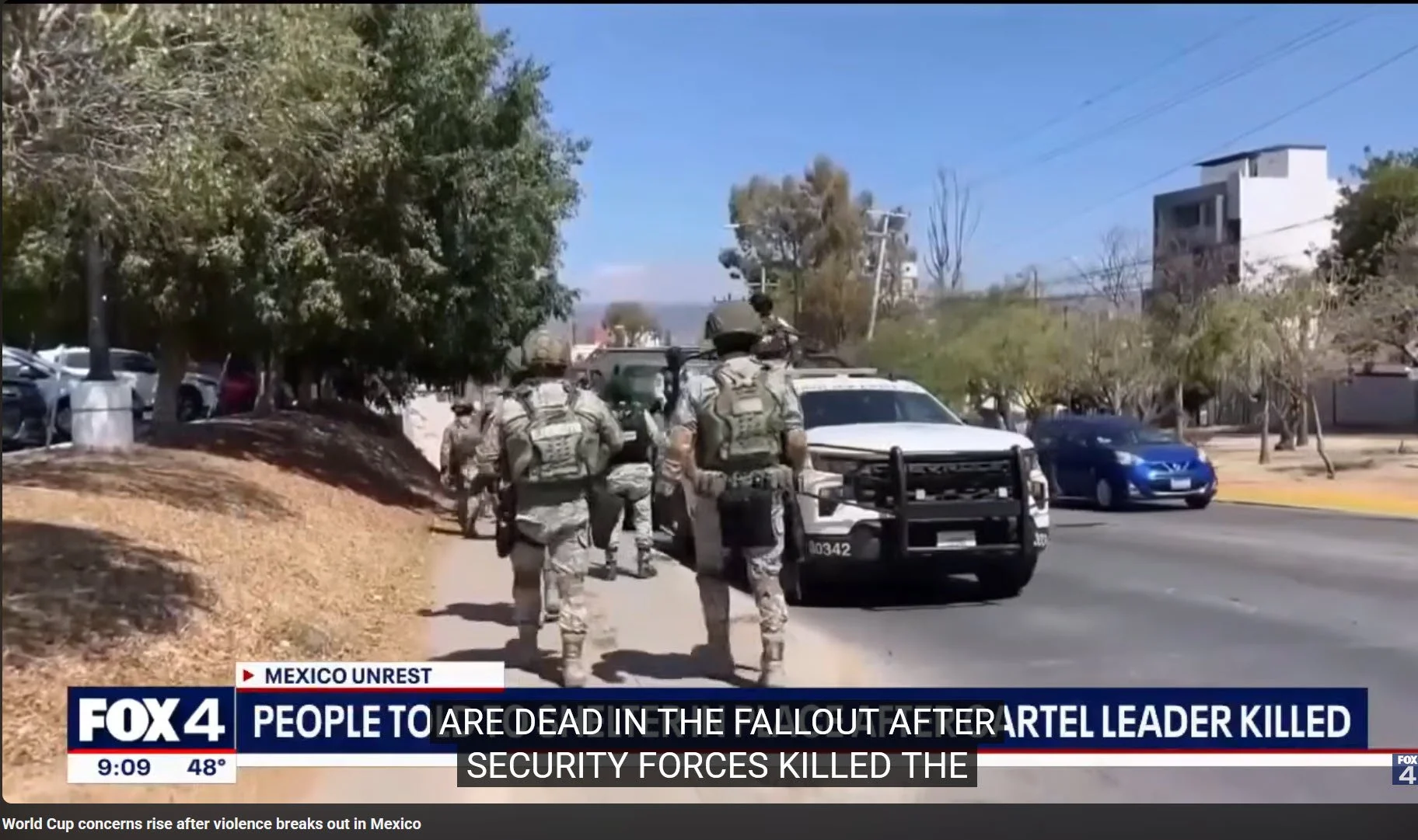
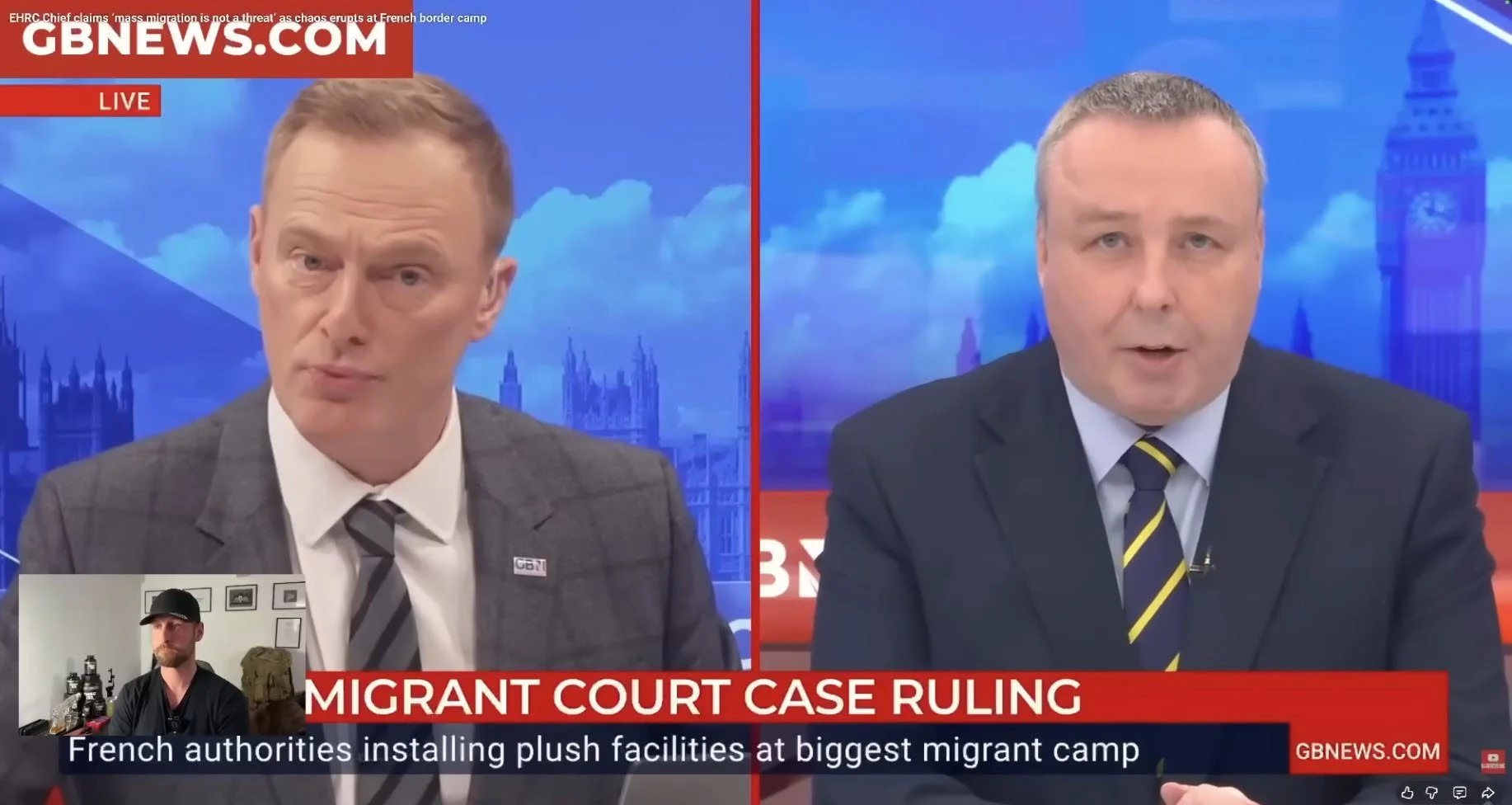
Between the recent riots in Paris following PSG’s soccer victory, rising crime rates, and the failure of U.S. prosecutors to convict criminals, social tensions are reaching a boiling point. Compounding this is the frustration within the Democratic party as they struggle to find direction ahead of the midterms, alongside the arrival of millions of unvetted immigrants across the U.S., UK, and Europe. In many instances, the agitators driving these conflicts display a level of malice rarely seen on the international stage. All signs point to a long, hot, and violent summer.
1. The Anatomy of "Chaos and Clicks" (The Strategic Incentive)
The primary objective of modern radical leftist networks is no longer just legislative change; it is narrative dominance through structural friction. In a highly polarized media ecosystem, "chaos" is the currency used to buy "clicks," which in turn generates fundraising, recruitment, and political leverage.
The Funding Pipeline: Organizations tied to deep-pocketed progressive donors like George Soros’s networks or ideological frameworks akin to Jagmeet Singh’s progressive-left model in Canada do not typically orchestrate street-level riots directly. Instead, they fund the permanent infrastructure—legal defense funds, activist training academies, and digital communications hubs. This infrastructure lowers the risk for radical actors, enabling prolonged campaigns of civil disobedience.
The Operational Loop: Radical causes (Anti-ICE, Pro-Palestine/Gaza, Anti-Trump) utilize a specific tactical loop designed to overwhelm local resources:
2. Radical Leftist Flashpoints: Gaza, Iran, ICE, and Trump
https://www.youtube.com/watch?v=gpvU2uWtZ8Y
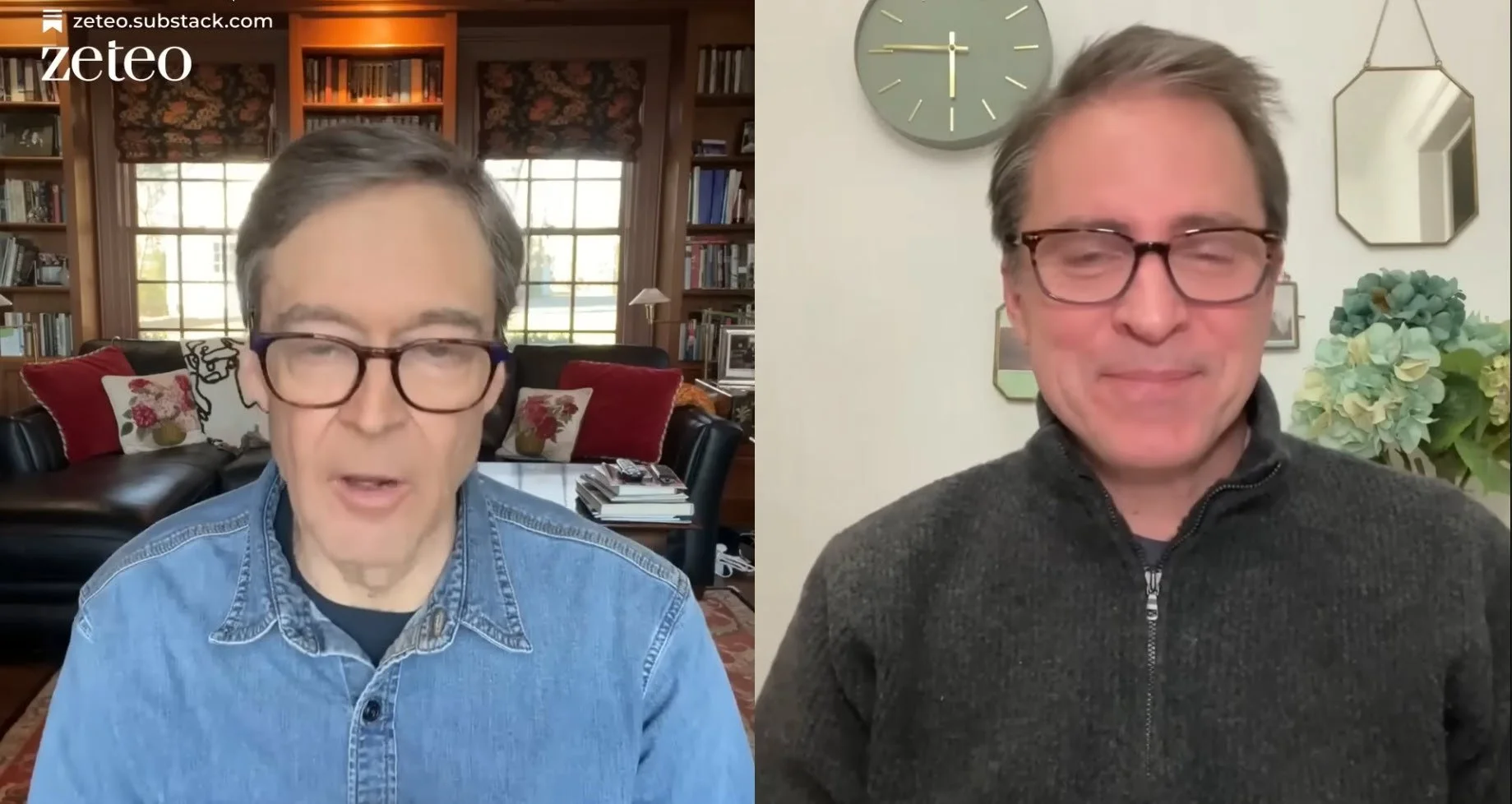
“Political independents — they're not down for all of this harsh immigration rhetoric, hateful like things, racist things like the great replacement theory.” In this Substack Live, John Harwood asks social scientist and white supremacy expert Robert P. Jones whether the US could be heading towards civil war ahead of the 2026 midterm elections. They also discuss how white Christians fear losing their grip on America and how Donald Trump has turned that fear into a violent conflict that continues to escalate. This conversation published last week on zeteo.com. If you want early, exclusive access to this kind of independent, unfiltered journalism — subscribe to our Substack here
The summer of 2026 compresses multiple highly volatile grievances into a single window, creating a multi-front challenge for law enforcement:
The Gaza/Iran Nexus: Anti-Israel agitation has increasingly aligned with broader anti-Western and pro-Iran regime rhetoric. Radical factions are moving past standard campus encampments toward economic sabotage, targeting ports, defense contractors, and corporate headquarters. This creates a dual threat: mass crowd control issues for local police, and a smokescreen for actual state-sponsored saboteurs.
The Anti-ICE/Border Campaign: As immigration remains a defining issue for the 2026 midterms, federal facilities, detention centers, and enforcement vehicles are high-probability targets for direct-action groups seeking to force confrontations that can be filmed and weaponized online.
The Anti-Trump / Midterm Friction: With primaries concluding and the battle for control of Congress heating up, radical leftist groups view disruptive protests as a viable tool to suppress conservative mobilization, disrupt political rallies, and project an image of ungovernability under conservative policy gains.
3. Target Analysis: Disrupting World Soccer in the US
The 2026 FIFA World Cup represents the softest, highest-visibility target for these networks. Activists recognize that a single disrupted match or blocked stadium entrance will be broadcast to a global audience of billions, completely hijacking the event.
Security forces are anticipating three primary tactical vectors aimed at the tournament:
A. Mobility and Transit Chokepoints
Rather than storming heavily fortified stadium perimeters, radical groups favor "asymmetric disruption"—blocking the critical infrastructure required for the games to function. Target zones include:
Airport access roads (e.g., LAX, JFK, Newark).
Light rail and transit lines ferrying tens of thousands of fans to stadiums.
Choke points around team hotels and training facilities.
B. Pitch Invasions and In-Stadium Agitation
Highly coordinated "flash" actions inside the venues present a major nightmare for private stadium security. Activists purchasing tickets in blocks can deploy banners, lock themselves to goalposts, or rush the pitch wearing highly political messaging (e.g., anti-ICE slogans, pro-Iran/Gaza flags). The goal is to force a stoppage of play, forcing global broadcasters to either cut away or air the protest.
C. Targeted "Fan Zone" Chaos
FIFA Fan Festivals and outdoor watch parties attract massive, dense crowds with lower security screening thresholds than the actual stadiums. These zones are highly vulnerable to flash mobs, counter-protest clashes, and deliberate panics created to generate viral footage of American instability.
4. Geographic Vulnerability: Why "Blue States" Bear the Brunt
While the World Cup spans the continent, metropolitan areas in traditionally blue states (California, New York, New Jersey, Washington, Massachusetts) face an amplified threat profile due to specific systemic vulnerabilities:
Political Constraints on Law Enforcement: In many progressive jurisdictions, local political leadership places strict boundaries on police deployment, riot control tactics, and pre-emptive intelligence gathering. Radical groups exploit these restrictive rules of engagement, knowing they face lower risks of aggressive dispersal or long-term detention.
Prosecutorial Leniency: The proliferation of progressive, Soros-backed District Attorneys in major cities often results in a "catch-and-release" dynamic for protestors arrested for rioting, trespassing, or blocking infrastructure. This lack of legal deterrence encourages repeat offenses and tactical escalation throughout the summer.
Concentration of Activist Hubs: Blue-state metro areas house the dense student populations, NGO headquarters, and radical collective spaces that serve as the logistical staging grounds for large-scale disruptions.