Racism as Defined by the Oblivious
Segment #790
The utter lack of self-awareness on display here is staggering: these comments aren't merely racist, pandering, and idiotic—they embody the soft bigotry of low expectations in its purest form. That alone renders you unfit to lead." These are the leaders of your Democrat party looking to 2028.
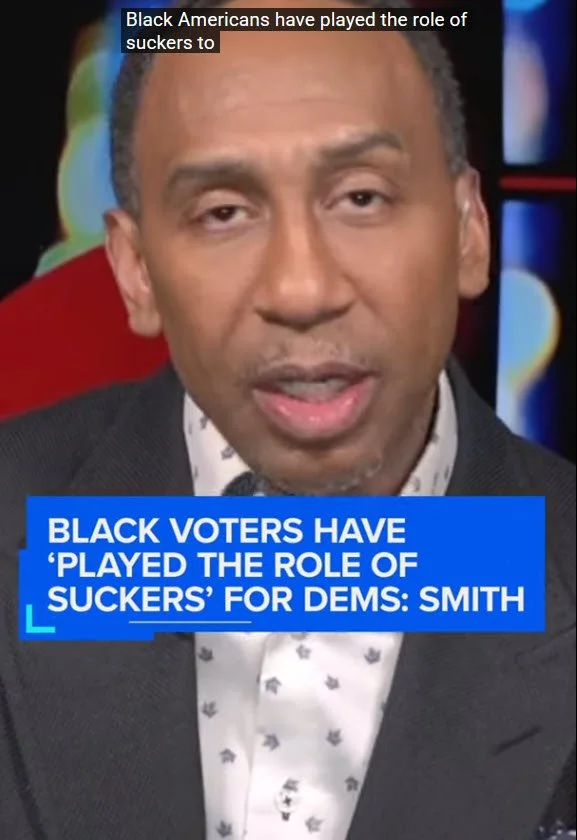
Here are some commonly cited examples of what critics describe as Democratic pandering to minority communities (particularly Black, Hispanic/Latino, and other groups), often framed as superficial gestures, stereotypical appeals, or election-timed promises rather than substantive policy delivery. These come from political commentary, media reports, and voter feedback across sources.
Governor Newsome
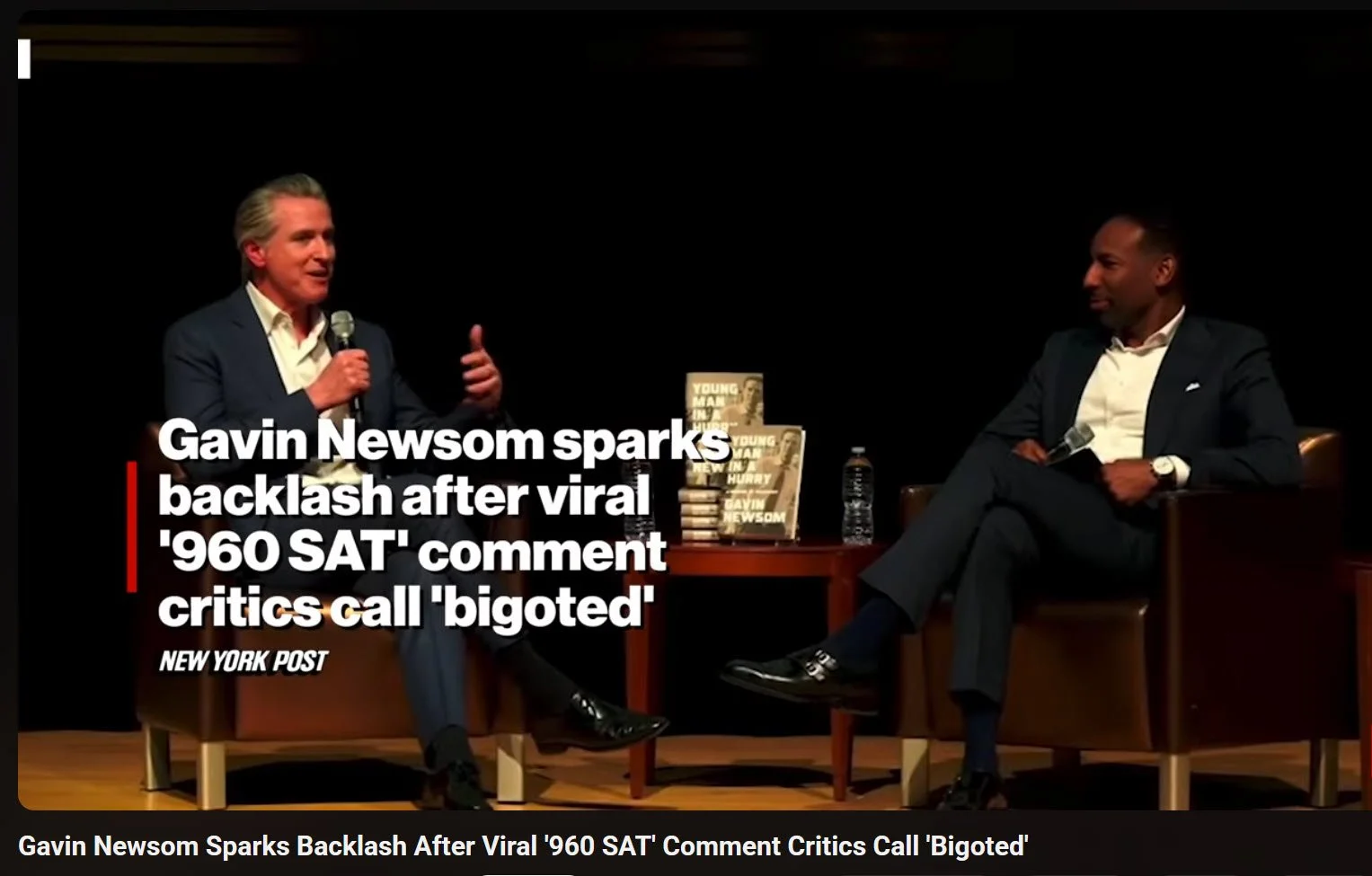
Gavin Newsom has gone viral and his critics have accused him of bigotry. “I’m not trying to impress you, I’m just impress upon you ‘I’m like you. I’m not better than you. “I’m a 960 SAT guy,” Newsom told Atlanta mayor Andre Dickens — who is black — on Sunday night as he reflected about his academic performance at an event promoting his upcoming memoir. The camera didn’t pan to the crowd sitting in the Rialto Center for the Arts after Newsom made the quip. The event, which was held ahead of Newsom’s memoir release, “A Young Man in a Hurry: A Memoir of Discovery,” wasn’t open to only Black spectators. Newsom has since shared video on X showing the crowd, which features different races.
Kathy Hochul
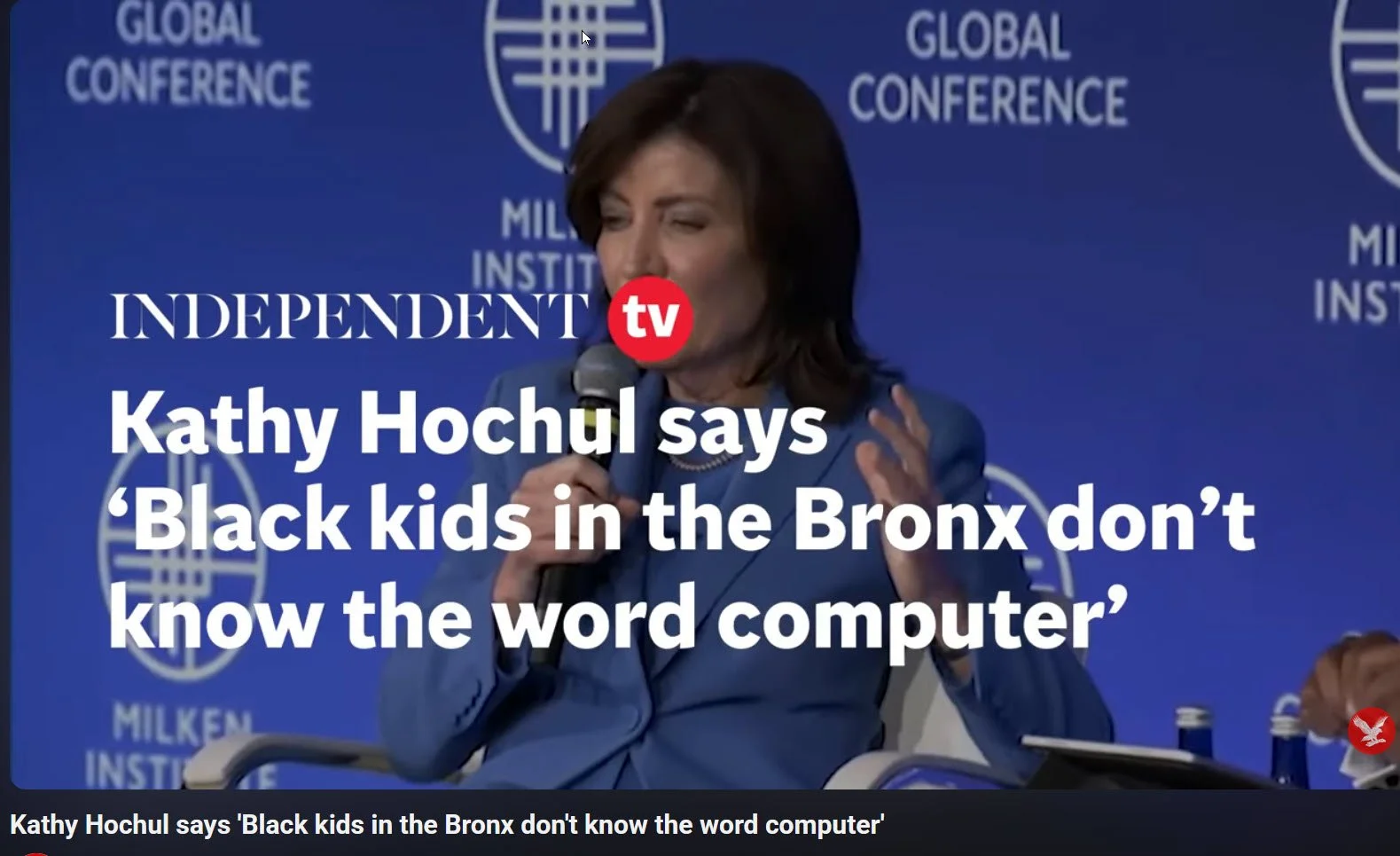
Kathy Hochul apologized after saying "Black kids in the Bronx don't know the word computer". The New York governor made the comments during a speech at the Milken Institute Global Conference in Los Angeles on Monday 6 May. Following the backlash, Hochul apologized, saying: "I misspoke and I regret it."
Joe Biden
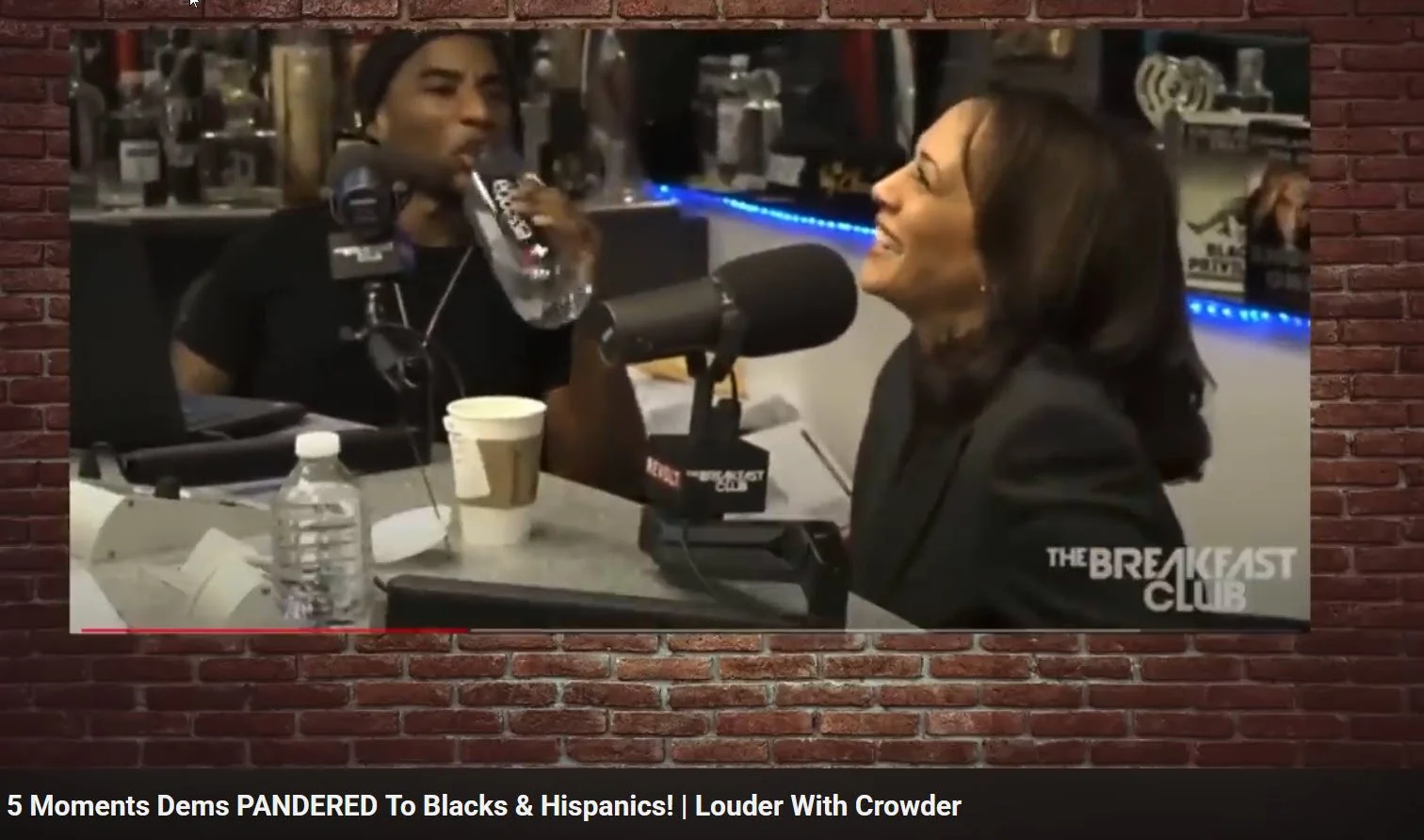
n a May 22 interview on "the Breakfast Club,” former vice president Joe Biden said to host Charlamagne Tha God, "If you have a problem figuring out whether you’re for me or Trump, then you ain’t black. ," Biden told a host that Black voters undecided between him and Trump "ain't Black." Critics called this presumptuous, treating Black voters as a monolithic bloc whose loyalty should be assumed, equating race with voting behavior.

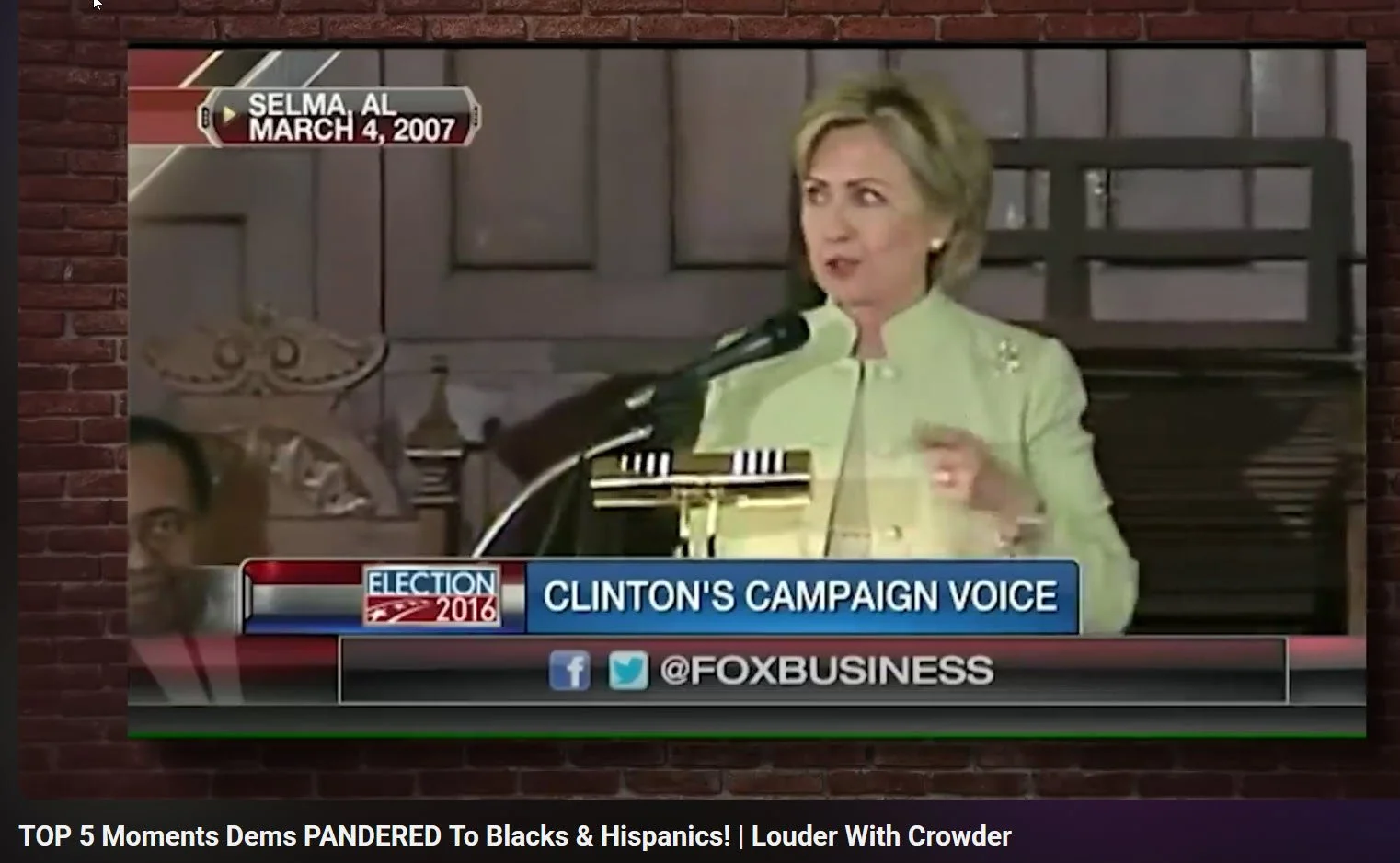
Hillary Clinton
Democrats routinely go out of their way to suggest Donald Trump is racist. Have they considered looking in the mirror? If you think you know what racism is based on what Democrats tell you about Donald Trump, then perhaps you should see what real racism looks like. This video doesn't address the fact that Joe Biden said he doesn't want his kids to grow up in a Racial Jungle; Joe saying a eulogy for Robert Byrd, a former Grand Wizard in the KKK; or, Joe referring to lenders as Shylocks, a derogatory term typically targeting Jews. Nevertheless, there are plenty of examples of Joe Biden and his democratic counterparts showing racist tendencies and pandering to minorities through stereotypes and appeals to culture.
Hillary Clinton's "hot sauce" moment (2016): In a radio interview, Clinton said she always carries hot sauce in her bag, which many saw as a nod to Beyoncé's "Formation" lyrics to appeal to Black voters. It sparked accusations of inauthentic cultural pandering, with even the interviewer joking about it being seen as such.
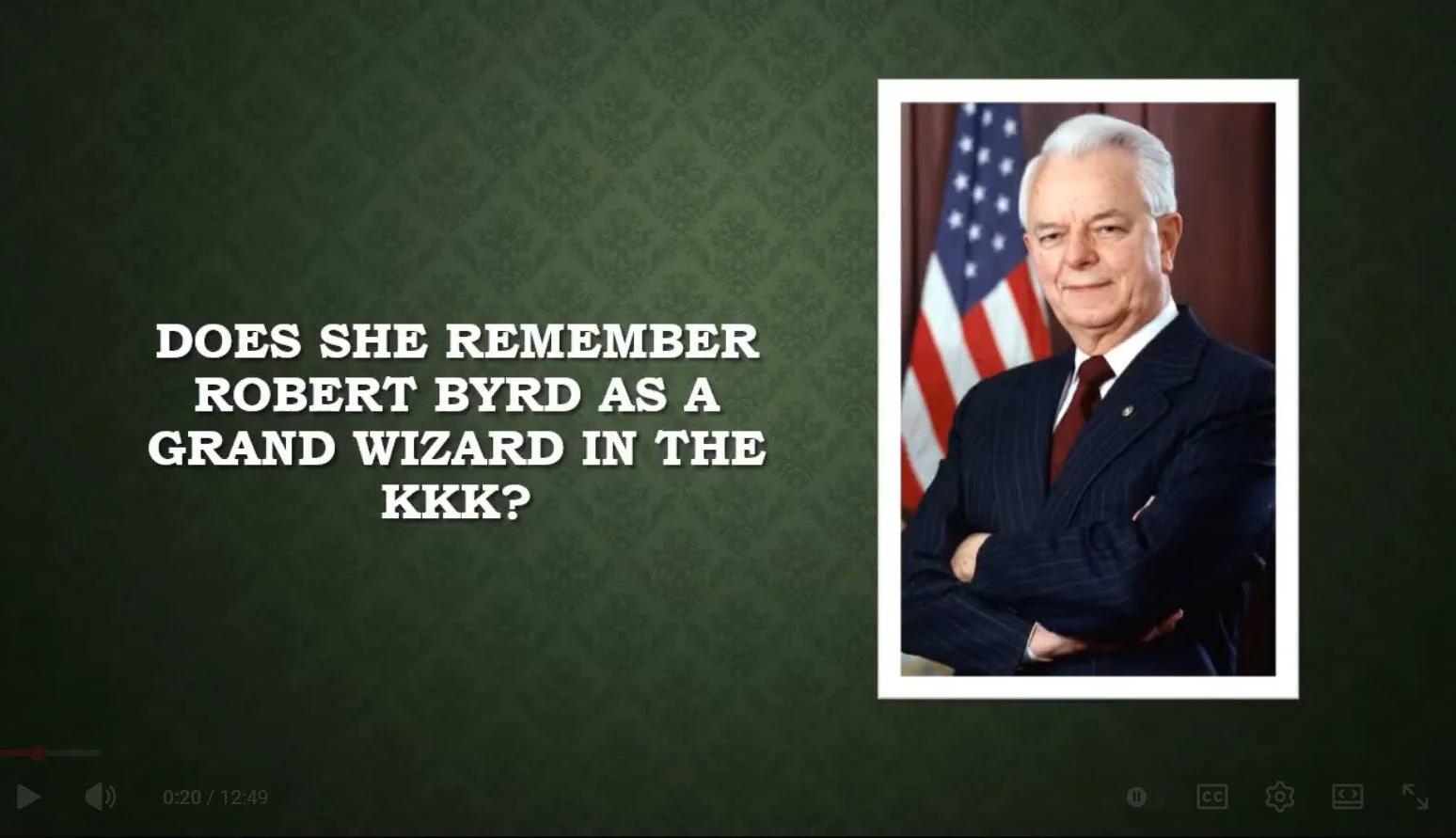
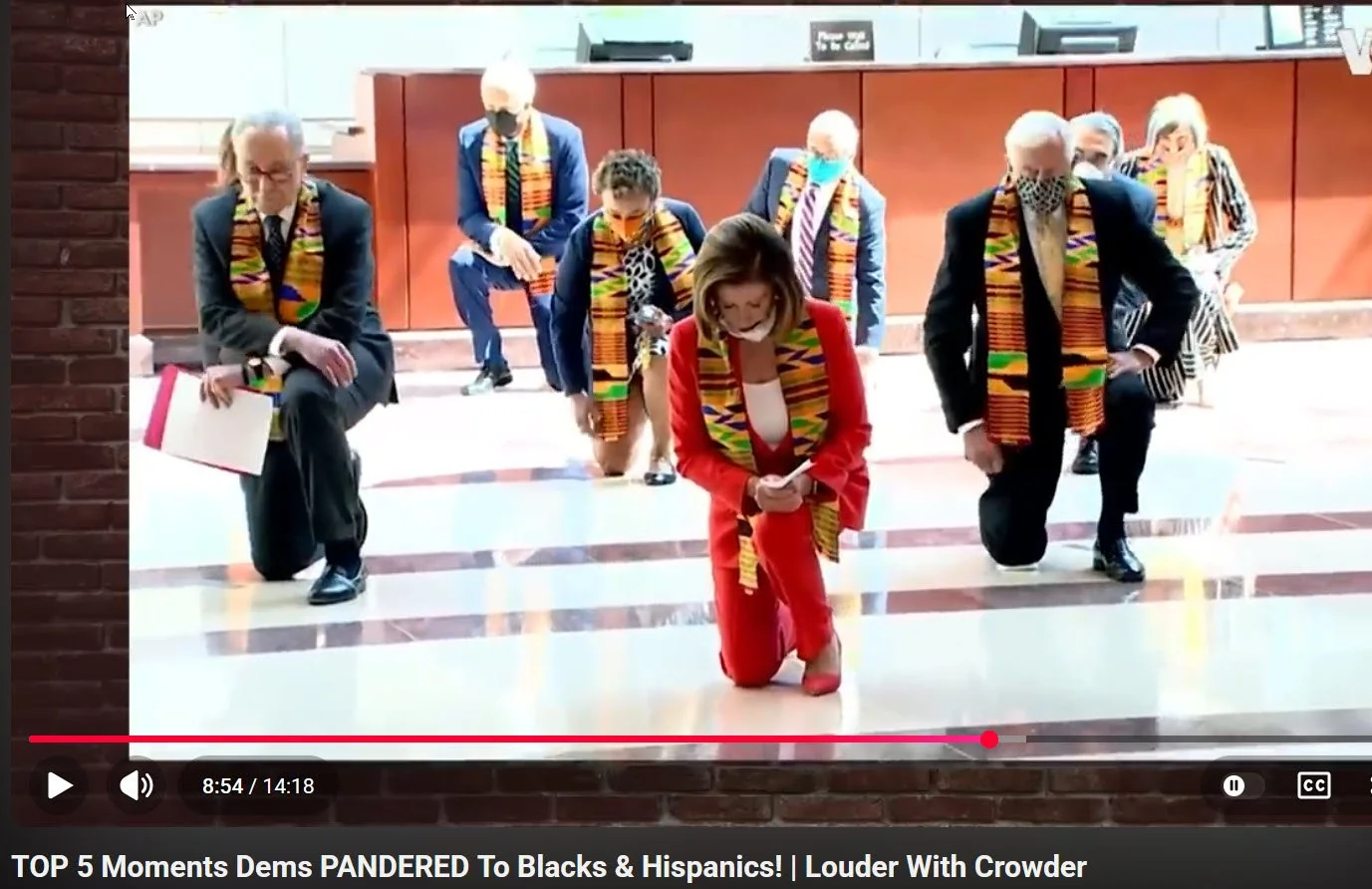
Nancy Pelosi and Chuck Scumer
Kamala Harris
What rappers do you listen to? Kamala Harris' "Opportunity Agenda for Black Men" (2024): This included proposals like forgivable loans for Black entrepreneurs, marijuana legalization tied to industry barriers, and health initiatives focused on Black men. Detractors labeled it desperate, targeted pandering to a demographic where support was slipping, combining enticements with perceived shaming tactics.
Beto O'Rourke speaking Spanish awkwardly in debates (2019): During Democratic primary debates, O'Rourke suddenly switched to Spanish to connect with Latino audiences, but critics viewed it as performative and superficial, distracting from policy substance without addressing issues deeply.
Use of Black celebrities or cultural symbols in campaigns: Examples include campaigns featuring rappers, adopting logos inspired by Black artists (e.g., "Run HRC" riffing on Run DMC), or gestures like dancing/doing the Nae Nae. Focus groups of Black voters have called these "pandering," feeling they treat communities as vote banks needing superficial cultural nods rather than real economic or policy fixes.
Targeted racial appeals without follow-through: Broader criticisms include assuming minority voters are homogeneous (e.g., "the Black vote" or "Hispanic vote"), election-time promises on issues like reparations or equity that fade post-election, or emphasizing identity/grievance over shared concerns like jobs, crime, or inflation that polls show many minority voters prioritize.
These examples often arise in critiques from conservative outlets, voter focus groups (including Black and Latino men), and even some left-leaning analyses that distinguish genuine outreach from "identity pandering." Supporters of Democrats argue these are legitimate efforts to address historical inequities or cultural engagement, not insincere tactics. Voter perceptions vary widely—many minorities still strongly support Democrats, but shifts in recent elections highlight growing frustration with perceived tokenism.